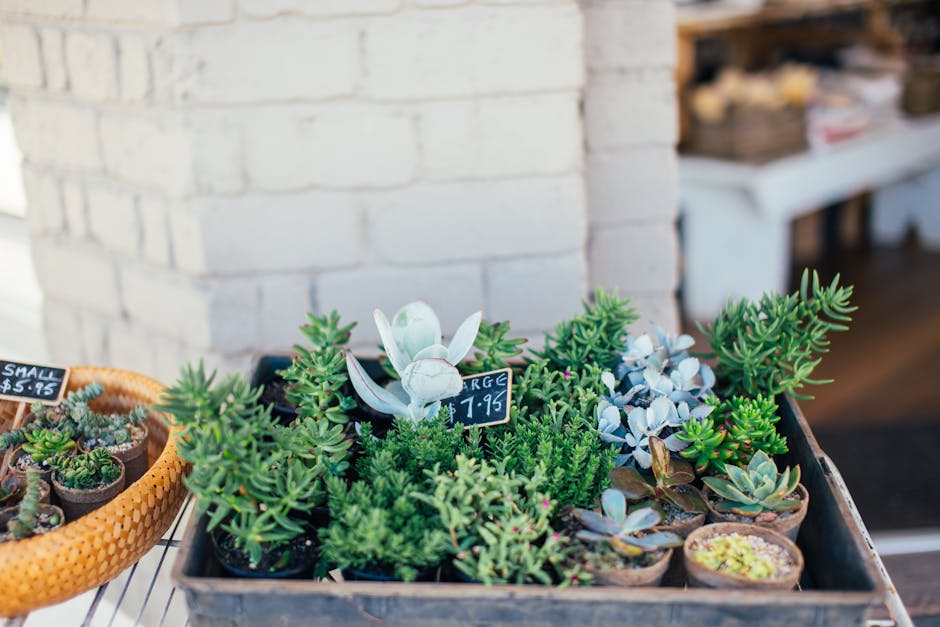
Are you staring at your large outdoor planters and wondering what to fill them with? Choosing the right materials can make all the difference in how your garden looks and thrives.
Whether you want vibrant flowers, lush greenery, or a mix of textures, filling your planters properly sets the stage for success. Keep reading, and you’ll discover easy, effective ideas that will transform your outdoor space and make your planters the highlight of your garden.
Your perfect planter setup is just a few steps away!

Credit: www.containedcreations.com
Choosing The Right Soil
Large outdoor planters need the right soil to help plants grow strong. The soil should hold moisture but drain well.
Good soil supports roots and provides nutrients for healthy plants. Choosing the right mix keeps plants alive longer.
Soil Types For Drainage
Drainage is important to stop water from sitting in the planter. Too much water can hurt roots and cause rot.
Soil with sand or perlite helps water flow out. Avoid heavy clay soils because they hold too much water.
- Use potting soil mixed with sand or perlite
- Choose soil labeled for good drainage
- Avoid garden soil that is dense and heavy
Nutrient-rich Mixes
Plants need nutrients to grow well in large planters. Nutrient-rich soil gives plants food for roots and leaves.
Look for soil that contains compost or organic matter. These add nutrients and help the soil stay loose.
- Mix compost with potting soil for more nutrients
- Add worm castings or leaf mold if available
- Use slow-release fertilizer for steady feeding
Amending Soil For Longevity
Large planters need soil that lasts through the seasons. Amending soil keeps it healthy and usable longer.
Adding organic matter like peat moss or coconut coir improves soil texture. It also helps hold moisture without sogginess.
- Add organic matter each season to refresh soil
- Mix in perlite or bark for air flow to roots
- Turn soil lightly to avoid compaction

Credit: redslilschoolhouse.com
Best Plants For Large Planters
Large outdoor planters need plants that fit their size and space well. Choosing the right plants helps your planters look full and healthy.
Here are some great plant options for large planters that suit different styles and growing conditions.
Tall Grasses And Foliage
Tall grasses and foliage add height and texture to large planters. They create a natural and elegant look outdoors.
These plants often need good sunlight and regular watering to thrive.
- Miscanthus (Maiden Grass)
- Pennisetum (Fountain Grass)
- Cordyline (Ti Plant)
- Fatsia Japonica (Japanese Aralia)
Flowering Perennials
Flowering perennials bring color and charm to large planters. They bloom every year and can last many seasons.
Choose varieties that match your climate and sunlight availability.
- Lavender
- Coreopsis
- Salvia
- Echinacea (Coneflower)
- Daylilies
Drought-tolerant Options
Drought-tolerant plants survive with little water. They are perfect for sunny spots and low-maintenance gardening.
These plants reduce the need for frequent watering and still look beautiful in large planters.
- Succulents like Agave and Aloe
- Lavender
- Sedum
- Russian Sage
- Yucca
Adding Structure With Hardscaping
Large outdoor planters can enhance any garden space. Adding structure with hardscaping materials makes them even more appealing.
Hardscaping adds texture and depth to your planters. It also helps in maintaining plant health and soil quality.
Using Rocks And Pebbles
Rocks and pebbles are natural choices for planters. They provide excellent drainage and prevent soil erosion.
These materials come in various sizes and colors. They can match any garden style or theme.
- Small pebbles work well on the surface.
- Large rocks can act as a base layer.
- Mix different sizes for a unique look.
Incorporating Driftwood And Branches
Driftwood and branches add a rustic feel. They bring a touch of nature into your planters.
These elements can create interesting shapes. They can also support climbing plants and vines.
- Use driftwood as a centerpiece.
- Arrange branches in creative patterns.
- Combine with other natural materials.
Decorative Mulches
Mulches are great for keeping moisture in. They also add a neat finish to your planter.
There are many types of decorative mulches. Choose ones that enhance your garden’s look.
- Wood chips for a natural appearance.
- Colored mulches for vibrant accents.
- Gravel for a modern touch.
Credit: www.containedcreations.com
Seasonal Planting Ideas
Large outdoor planters add beauty to your garden or patio. Filling them with the right plants each season keeps them fresh and colorful. Picking plants that match the weather helps them grow well.
Use seasonal planting ideas to change the look of your planters throughout the year. Choose plants that thrive in spring, summer, fall, and winter for the best results.
Spring And Summer Choices
Spring and summer bring warmth and sunlight. Choose bright flowers and leafy plants that love sun and heat. These plants will fill your planters with color and life.
- Petunias – bright and colorful blooms
- Marigolds – easy to grow and pest-resistant
- Geraniums – long-lasting flowers in many colors
- Sweet potato vine – adds trailing greenery
- Begonias – shade-tolerant and vibrant
- Lavender – fragrant and sun-loving herb
Fall And Winter Selections
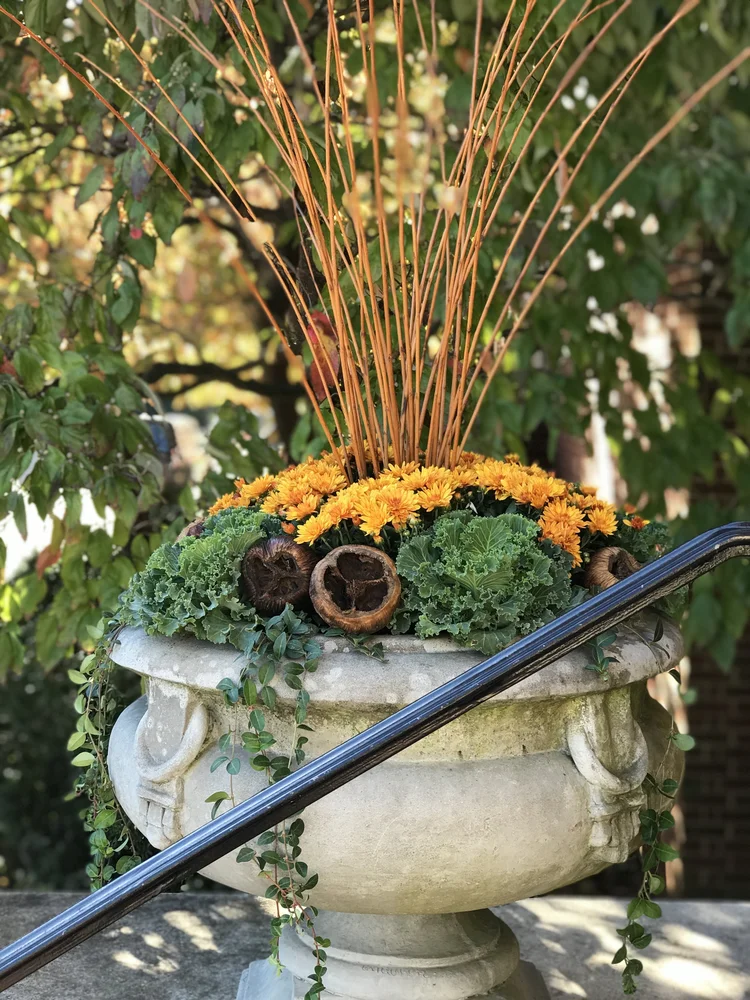
Cooler weather suits hardy plants. Use rich colors like orange, red, and purple. Add texture with different leaf shapes and sizes. These plants can survive frost and cold.
| Plant | Color | Notes |
| Chrysanthemums | Yellow, red, purple | Classic fall flower |
| Pansies | Blue, purple, white | Tolerate light frost |
| Ornamental kale | Green, purple | Leafy and colorful |
| Heathers | Pink, white | Low maintenance |
| Evergreens | Green | Add year-round structure |
Transitioning Between Seasons
Changing plants at the right time helps your planters look good all year. Remove summer plants before frost. Add fall plants that grow in cooler weather. Use mulch to protect roots.
Tips for smooth seasonal transitions:
- Check weather forecasts for frost dates
- Gradually reduce watering as temperatures drop
- Mix old plants with new ones for a balanced look
- Use slow-release fertilizer to support growth
Creating Layers And Texture
Large outdoor planters give you space to create a beautiful display. Using layers and texture makes your plants stand out. It adds depth and interest to your garden or patio.
By mixing different heights, shapes, and colors, you can make your planter look full and balanced. Textures from leaves and trailing plants add movement and charm.
Combining Heights And Shapes
Use tall plants in the center or back of the planter. Add medium plants around them. Place short plants near the edges. This creates a nice layered effect.
Mix different shapes like round, spiky, and bushy. This keeps the planter from looking flat or boring. Each plant’s shape adds unique texture.
- Tall grasses or bamboo create height
- Medium shrubs or flowers add fullness
- Small ground covers soften edges
- Use varied leaf shapes for interest
Mixing Leaf Colors
Leaves come in many colors like green, red, purple, and yellow. Mixing these colors adds depth and brightness to your planter. It makes your plants pop.
Try pairing dark green leaves with light green or yellow leaves. Add some plants with red or purple tones for contrast. This creates a lively and fresh look.
- Light colors brighten the space
- Dark colors add depth
- Red and purple give visual contrast
- Varied leaf textures enhance color differences
Using Trailing Plants
Trailing plants hang over the edges of large planters. They soften the look and add movement. These plants help create a natural, full appearance.
Choose trailing plants that grow well in your climate. They can be flowers, vines, or leafy plants. Trailing plants add texture and fill empty spaces.
- Ivy and creeping jenny trail nicely
- Sweet potato vine adds bright color
- Petunias and lobelia bring flowers down the sides
- Trailing succulents add unique texture
Watering And Maintenance Tips
Large outdoor planters need the right care to keep plants healthy. Watering and maintenance are key parts of this care.
Good habits help plants grow strong and look great all season.
Irrigation Techniques
Water your planters deeply but less often. This encourages roots to grow down.
- Use drip irrigation to deliver water directly to the soil.
- Water early in the morning or late in the evening to reduce evaporation.
- Check soil moisture by sticking your finger about two inches deep.
- Avoid watering leaves to prevent fungal diseases.
Fertilizing For Growth
Plants in large planters need nutrients to grow well. Fertilize regularly but do not overdo it.
| Fertilizer Type | Frequency | Benefits |
| Balanced liquid fertilizer | Every 2 weeks | Promotes overall growth |
| Slow-release granules | At planting | Feeds plants over time |
| Organic compost | Monthly | Improves soil health |
Pruning And Deadheading
Prune and deadhead plants to keep them tidy and encourage more blooms.
- Remove dead or yellow leaves to improve air flow.
- Cut spent flowers to help new buds grow.
- Trim leggy branches to keep plants compact.
Using Planters As Focal Points
Large outdoor planters can create a strong visual impact in your garden or patio. They act as focal points that draw attention and add style.
Choosing what to fill them with affects the whole look. Consider plants, decorations, and placement carefully.
Placement Strategies
Position your planters where they will stand out. Near entrances, along pathways, or in corners can work well.
- Place planters at doorways to welcome guests.
- Use them to define outdoor seating areas.
- Group several planters for a lush, layered look.
- Keep some planters isolated for a dramatic effect.
Lighting Enhancements
Lighting can make your planters shine at night. Choose soft lights that highlight plants and shapes.
| Light Type | Best Use | Effect |
| Spotlights | Highlight tall plants | Creates drama |
| String Lights | Wrap around planters | Adds charm |
| Solar Lights | Eco-friendly option | Soft glow |
| LED Strips | Under planter rims | Modern look |
Theming Your Planters
Choose a theme to unify your planters. Themes can match your garden style or season.
Here are examples of themes you can try:
- Tropical:Use bright flowers and palm-like plants.
- Rustic:Add dried grasses and natural stones.
- Modern:Pick minimalist plants with clean lines.
- Seasonal:Change plants to reflect spring, summer, fall, or winter.
Frequently Asked Questions
What Is The Best Soil For Large Outdoor Planters?
Use well-draining potting mix combined with compost for nutrients. Avoid garden soil, as it compacts and hinders drainage. A mix of peat, perlite, and organic matter supports healthy root growth in large planters.
How To Improve Drainage In Large Outdoor Planters?
Add a layer of gravel or broken pottery at the bottom. Use pots with drainage holes to prevent waterlogging. Good drainage prevents root rot and promotes healthy plant growth.
Can I Use Mulch In Large Outdoor Planters?
Yes, mulch helps retain moisture, regulate soil temperature, and reduce weeds. Organic mulches like bark or straw also improve soil quality as they decompose.
Should I Add Fertilizer To Planter Soil?
Yes, fertilize regularly with balanced, slow-release fertilizer. Large planters need nutrients replenished often due to frequent watering and nutrient leaching.
Conclusion
Large outdoor planters offer many creative filling options. Soil and compost help plants grow strong and healthy. Adding mulch keeps moisture in and weeds out. Decorative stones or gravel improve drainage and look nice. Mixing different plants adds color and texture.
Remember to choose materials that fit your space and style. Experiment and enjoy the process of creating your perfect planter. Your outdoor area will feel fresh and inviting with the right filler. Keep it simple, practical, and beautiful.