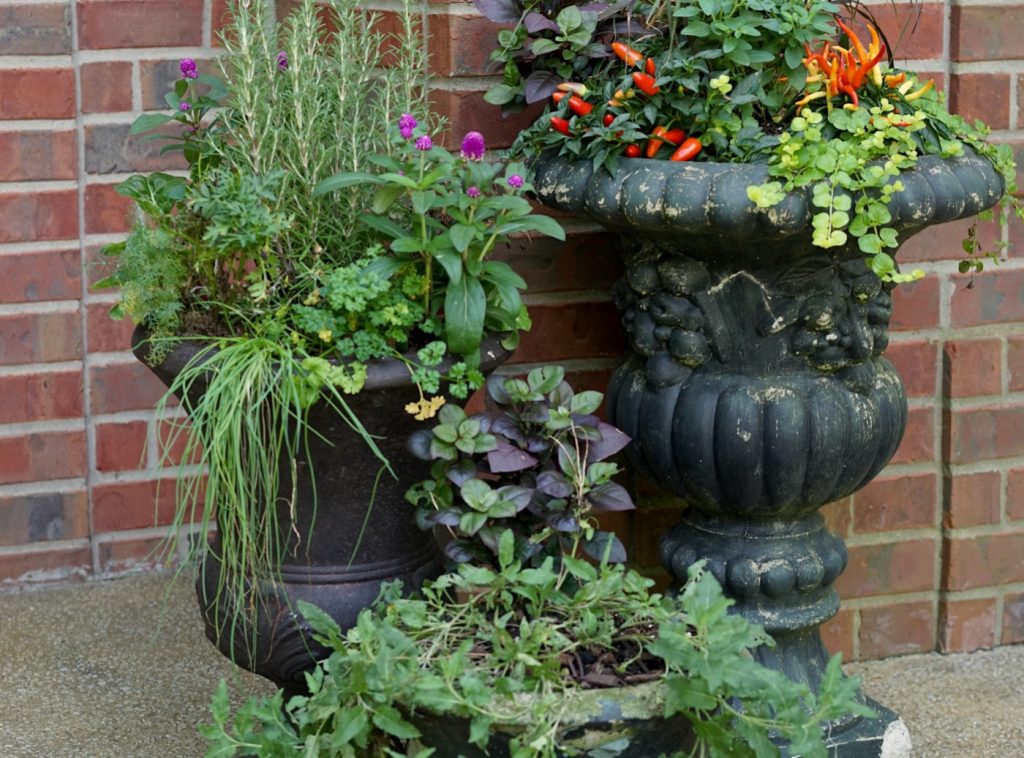
Are you staring at your large planter and wondering what to fill it with? Choosing the right material isn’t just about looks—it affects your plants’ health and how long your planter lasts.
Whether you want to grow vibrant flowers, fresh herbs, or lush greenery, the filling you pick can make all the difference. You’ll discover simple, effective options that suit your space and style. Keep reading, and you’ll learn exactly how to fill your large planter for the best results every time.
Choosing The Right Soil
Filling large planters with the right soil helps plants grow strong. Soil supports roots and holds water and nutrients. Choosing soil carefully prevents problems like poor growth and root rot.
This guide covers soil types for large planters, ways to improve drainage, and nutrient-rich mixes. Knowing these basics makes your planter garden healthy and beautiful.
Soil Types For Large Planters
There are different soil types you can use in large planters. Each type has strengths and weaknesses. You can choose soil based on plant needs and planter size.
- Potting Soil:Light and well-draining. Good for most plants.
- Garden Soil:Heavier and denser. Use only if mixed well with other materials.
- Compost:Rich in organic matter. Improves soil fertility and moisture retention.
- Sand:Adds drainage but does not hold nutrients.
Improving Drainage
Drainage prevents water from pooling at the roots. Too much water causes root rot. You can improve drainage by mixing soil with materials that create air spaces.
| Material | Effect on Drainage |
| Perlite | Increases air flow and drainage |
| Coarse Sand | Helps water flow through soil |
| Bark Chips | Creates spaces for water to drain |
| Vermiculite | Retains moisture but improves drainage |
Nutrient-rich Mixes
Plants in large planters need nutrients to grow well. You can add natural ingredients to soil to feed plants. Nutrient-rich mixes keep plants healthy for a long time.
- Compost or well-rotted manure for organic nutrients
- Worm castings to improve soil health
- Bone meal for phosphorus to support roots
- Blood meal for nitrogen to boost leaf growth
- Slow-release fertilizers to provide steady feeding

Credit: www.reddit.com
Using Decorative Stones And Pebbles
Large planters need the right fill to look good and stay healthy. Decorative stones and pebbles add style and function. They help keep soil in place and make plants look neat.
These stones come in many shapes and colors. You can choose small pebbles or bigger stones. They also help water drain better in the planter.
Base Layer Benefits
Placing stones at the bottom creates a strong base. This layer stops soil from washing out. It also improves drainage by letting water flow easily.
Using stones at the base helps prevent root rot. It keeps plant roots from sitting in water too long. This helps plants stay healthy and grow well.
- Prevents soil loss through drainage holes
- Improves water drainage in the planter
- Reduces risk of root rot
- Keeps planter stable and balanced
Top Dressing Ideas
Decorative stones on top add a clean, finished look. They stop soil from splashing when watering. Top stones also help keep moisture in the soil longer.
You can mix different stone sizes and colors for a nice effect. Using smooth pebbles or shiny stones makes your planter stand out. It also helps stop weeds from growing.
- Use small pebbles for a smooth surface
- Mix colors to match your planter style
- Choose flat stones for a neat look
- Apply stones to prevent weed growth
Incorporating Compost And Organic Matter
Large planters need good soil to help plants grow strong. Adding compost and organic matter makes the soil rich and healthy.
These natural materials improve soil texture, hold water, and add nutrients. They create a perfect home for plant roots in big containers.
Boosting Plant Growth
Compost and organic matter supply plants with food and keep the soil loose. This helps roots spread and absorb water easily.
- Use well-aged compost to avoid burning plants
- Mix compost evenly with potting soil
- Add organic matter like shredded leaves or peat moss
- Replace some soil with compost for better nutrition
- Water regularly to help nutrients reach roots
Sustainable Choices
Using compost and organic matter is eco-friendly. It cuts down on waste and supports healthy soil life.
| Benefit | Explanation |
| Reduces Waste | Turns kitchen scraps into useful soil |
| Supports Soil Life | Feeds worms and microbes |
| Improves Soil | Enhances water retention and nutrients |
| Less Chemicals | Reduces need for fertilizers |
Selecting Plants For Large Planters
Large planters need plants that fit their size and style. Choosing the right plants helps your space look balanced and full.
Think about plant height, shape, and how they grow. This will help you create a beautiful display that lasts.
Tall And Dramatic Plants
Tall plants add height and a strong look to large planters. They create a focal point and give structure to your arrangement.
- Dracaena
- Bamboo Palm
- Snake Plant
- Fiddle Leaf Fig
- Oleander
Trailing And Cascading Varieties
Trailing plants soften the edges of large planters. They add movement and fill empty spaces around taller plants.
| Plant | Growth Habit | Light Needs |
|---|---|---|
| English Ivy | Trailing | Partial Shade |
| Sweet Potato Vine | Cascading | Full Sun |
| String of Pearls | Trailing | Bright Indirect |
| Black-Eyed Susan Vine | Cascading | Full Sun |
Seasonal Flower Options
Seasonal flowers add color and freshness to large planters. Change them with the seasons to keep your display lively.
- Spring: Tulips, Daffodils, Pansies
- Summer: Petunias, Marigolds, Geraniums
- Fall: Chrysanthemums, Asters, Ornamental Kale
- Winter: Cyclamen, Hellebores, Violas
Adding Mulch For Health And Style
Large planters need more than soil and plants to look good and stay healthy. Mulch helps keep the soil moist and stops weeds from growing.
Using mulch adds color and texture to your planter. It also protects plant roots from hot or cold weather.
Types Of Mulch
Different mulches serve different purposes. Choose one that fits your plants and style.
- Bark Mulch:Made from tree bark, it looks natural and lasts long.
- Wood Chips:These break down slowly and improve soil quality.
- Peat Moss:Holds moisture well and is good for acid-loving plants.
- Straw:Light and airy, good for vegetable planters.
- Gravel or Pebbles:Adds a modern look and prevents erosion.
- Compost:Enriches soil while acting as mulch.
Mulch Application Tips
Apply mulch carefully to protect your plants and soil.
| Tip | Why It Matters |
| Use 2 to 3 inches of mulch | Keeps soil moist without suffocating roots |
| Keep mulch 1 inch away from plant stems | Prevents rot and pest problems |
| Refresh mulch yearly | Maintains its benefits and appearance |
| Water mulch after applying | Helps it settle and retain moisture |
| Remove old mulch if mold appears | Stops disease spread |

Credit: www.urbanpot.com
Creative Filler Ideas
Large planters offer plenty of space to create interesting plant displays. Filling them with the right plants can brighten up any space. Choose plants that match your style and care routine.
Below are creative ideas to fill large planters with plants that look great and are easy to maintain.
Succulent Arrangements
Succulents are perfect for large planters because they need little water and come in many shapes. Grouping different types adds texture and color.
- Aloe Vera for tall, spiky texture
- Echeveria with rosette shapes
- Jade Plant for a bushy look
- String of Pearls for trailing effect
- Hens and Chicks for ground cover
Herb Gardens
Herbs are useful and fragrant fillers for large planters. They add greenery and fresh scents to your space. Many herbs grow well together and can be harvested for cooking.
| Herb | Light Need | Care Tips |
| Basil | Full Sun | Water regularly, trim often |
| Rosemary | Full Sun | Well-drained soil, avoid overwatering |
| Thyme | Partial Sun | Allow soil to dry between watering |
| Mint | Partial Shade | Keep in separate container to control spread |
| Parsley | Partial Sun | Keep soil moist, pinch leaves to encourage growth |
Miniature Shrubs
Miniature shrubs bring structure and year-round interest to large planters. They stay small but add a strong shape and texture to your arrangement.
| Shrub | Height | Sunlight | Water Needs |
|---|---|---|---|
| Dwarf Boxwood | 1-3 feet | Partial to full sun | Moderate |
| Japanese Holly | 2-4 feet | Full sun | Low to moderate |
| Dwarf Alberta Spruce | 3-6 feet | Full sun | Moderate |
| Lavender Cotton | 1-2 feet | Full sun | Low |
| Box Honeysuckle | 2-4 feet | Full sun to partial shade | Moderate |
Water Features And Decorative Elements
Large planters offer great space to add water features and decorations. These elements bring life and calmness to your garden or patio. They also create a unique style that stands out.
Choosing the right items for your planters can be fun. You can mix natural water sounds with artistic touches. Below are ideas for small fountains and garden ornaments to fill your large planters.
Small Fountains
Small fountains add a soothing sound and a refreshing look to large planters. They are easy to install and maintain. You can pick from different styles to match your outdoor decor.
- Solar-powered fountains save energy and work day and night.
- Tiered fountains create a cascading water effect.
- Bubble fountains add gentle water movement without splashing.
- Stone or ceramic fountains give a natural and rustic feel.
- Metal fountains offer a modern and sleek look.
Garden Ornaments
Garden ornaments bring charm and personality to your large planters. They come in many shapes and sizes. Adding ornaments can make your planter a focal point in your garden.
| Ornament Type | Description | Material |
| Statues | Small figures of animals or people | Stone, resin, metal |
| Decorative Stones | Colored or polished stones for texture | Natural stone, glass |
| Wind Spinners | Objects that spin with the wind | Metal, plastic |
| Fairy Lights | Small lights to add sparkle at night | LED, solar-powered |
| Mini Bird Baths | Shallow water basins for birds | Ceramic, stone |
Maintenance Tips For Large Planters
Large planters add beauty and life to any space. Keeping plants healthy requires regular care. Proper maintenance helps plants grow strong and last longer.
Follow simple tips for watering, fertilizing, and seasonal care. These steps keep your large planters thriving all year round.
Watering Strategies
Watering large planters needs attention to soil moisture. Check soil with your finger to avoid overwatering. Water deeply to reach roots but let soil dry slightly between watering.
- Water early in the morning to reduce evaporation.
- Use a drip irrigation system for even watering.
- Avoid water pooling at the base to prevent root rot.
- Adjust watering frequency in hot or rainy weather.
Fertilizing Schedule
Fertilizing large planters provides nutrients plants need. Use a balanced fertilizer with equal parts nitrogen, phosphorus, and potassium. Follow a regular schedule based on plant type.
| Month | Fertilizer Type | Application Tip |
| March | Slow-release granular | Mix into soil surface |
| June | Liquid fertilizer | Apply every 2 weeks |
| September | Organic compost | Top dress soil |
| December | None | Rest plants in winter |
Seasonal Care
Seasonal changes affect planter conditions. Protect plants from extreme temperatures and pests. Clean dead leaves and prune to encourage new growth.
- Spring: Repot if needed and add fresh soil.
- Summer: Mulch soil to keep moisture.
- Fall: Cut back dead growth and prepare for cold.
- Winter: Move planters indoors or cover them.
Credit: www.hgtv.com
Frequently Asked Questions
What Materials Can Fill Large Planters?
Large planters can be filled with lightweight materials like foam peanuts, plastic bottles, or upside-down nursery pots. These materials reduce weight and improve drainage. Add a layer of landscape fabric on top to prevent soil from mixing with fillers. This setup promotes healthy plant growth and easier planter mobility.
How To Improve Drainage In Large Planters?
To improve drainage, start with a layer of gravel or broken pottery at the base. This helps excess water escape and prevents root rot. You can also mix perlite or coarse sand into the soil to enhance drainage. Ensuring proper drainage is vital for plant health and longevity.
Can I Use Styrofoam In Large Planters?
Yes, Styrofoam can be used in large planters to reduce weight. Break it into smaller pieces and place at the bottom. However, ensure it’s clean and free from chemicals. Cover with landscape fabric to separate from soil. This method is cost-effective and enhances planter mobility.
Should I Add Rocks To Large Planters?
Adding rocks can help with drainage but may increase weight. Use them sparingly at the base of the planter. Ensure they’re clean to avoid introducing pests or diseases. Alternatively, consider lighter materials like pumice or perlite for similar drainage benefits without the added weight.
Conclusion
Choosing the right fill for large planters helps plants grow strong. Use light soil mixed with compost for good drainage and nutrients. Adding stones or broken pots at the bottom stops water from pooling. Remember to leave space for roots to spread.
Keep the mix loose, so air reaches the roots easily. Water well but avoid waterlogging. With the right filling, your large planters will look great and keep plants healthy all year. Simple steps bring big results. Try different mixes to find what works best.