Have you ever stood next to your empty raised garden bed, eager to start planting, but unsure of what to fill it with? You’re not alone.
Choosing the right materials for your raised garden bed is crucial for healthy plants and a bountiful harvest. Imagine the joy of watching your garden thrive, with vibrant colors and lush growth. The secret lies beneath the surface—literally. By understanding what to fill your raised garden bed with, you set the stage for a flourishing garden, right in your backyard.
Intrigued to discover the perfect mix that can transform your gardening experience? Read on to uncover the secrets that will have your plants growing like never before.
Choosing The Right Soil Base
Choosing the right soil base is important for a healthy raised garden bed. The soil needs to hold water well and provide nutrients for plants.
Different soil types offer different benefits. Knowing what to use can help your garden grow strong and healthy.
Topsoil Vs Garden Soil
Topsoil is the upper layer of soil and often contains organic matter. Garden soil is usually mixed with compost and other materials to improve growth.
| Soil Type | Texture | Uses | Pros | Cons |
|---|---|---|---|---|
| Topsoil | Looser, natural | Filling beds, basic planting | Readily available, natural nutrients | May lack nutrients, can compact |
| Garden Soil | Rich, mixed | Vegetable and flower beds | Better nutrient content, holds moisture | Usually more expensive |
Benefits Of Compost
Compost adds nutrients and improves soil structure. It helps soil hold water and supports beneficial microbes.
- Feeds plants with essential nutrients
- Improves soil drainage and aeration
- Increases soil’s ability to hold moisture
- Encourages healthy root growth
- Reduces waste by recycling organic matter
Using Peat Moss And Coco Coir
Peat moss and coco coir are soil additives that improve water retention and aeration. They help keep soil loose and easy to work with.
- Peat Moss:Light and acidic, good for acid-loving plants
- Coco Coir:Made from coconut husks, more sustainable and neutral pH
- Both help keep soil moist without waterlogging
- Improve soil texture for better root growth

Credit: www.hgtv.com
Essential Soil Amendments
Good soil is the key to healthy plants in your raised garden bed. Adding the right materials helps plants grow strong and produce well.
Soil amendments improve texture, nutrients, and water holding. Let’s look at three important amendments for raised beds.
Incorporating Organic Matter
Organic matter like compost or aged manure adds nutrients and improves soil texture. It helps soil hold moisture and air.
- Mix compost evenly into the top 6 to 12 inches of soil.
- Use leaf mold or grass clippings as mulch to keep moisture.
- Replace organic matter yearly to keep soil rich.
Adding Perlite And Vermiculite
Perlite and vermiculite improve drainage and aeration. They keep soil light and prevent compaction in raised beds.
| Amendment | Purpose | How to Use |
| Perlite | Improves drainage | Mix 10-20% into soil |
| Vermiculite | Holds moisture and nutrients | Mix 5-15% into soil |
Balancing Soil Ph
Soil pH affects nutrient availability. Most plants prefer a pH between 6.0 and 7.0. Test soil before adding anything.
To adjust soil pH:
- Use lime to raise pH (make soil less acidic).
- Use sulfur to lower pH (make soil more acidic).
- Apply amendments slowly and retest soil after a few weeks.
Creating Nutrient-rich Mixes
Filling your raised garden bed with the right soil mix helps plants grow strong. A nutrient-rich mix gives plants the food they need.
Good soil holds water and air well. It supports roots and keeps plants healthy.
Compost Tea And Worm Castings
Compost tea is a liquid made by soaking compost in water. It contains helpful microbes and nutrients for plants.
Worm castings are worm poop. They are rich in nutrients and improve soil texture.
- Compost tea feeds plants quickly
- Worm castings slowly release nutrients
- Both improve soil life and health
Natural Fertilizers To Boost Growth
Natural fertilizers add nutrients without chemicals. They help plants grow strong and healthy.
Common natural fertilizers include bone meal, blood meal, and fish emulsion. These provide nitrogen, phosphorus, and other nutrients.
- Bone meal supports root growth
- Blood meal adds nitrogen for leaves
- Fish emulsion is a balanced liquid fertilizer
Avoiding Harmful Chemicals
Avoid chemical fertilizers and pesticides. They can harm soil life and plants over time.
Choose organic options and natural methods to keep your garden safe and productive.
Layering Techniques For Raised Beds
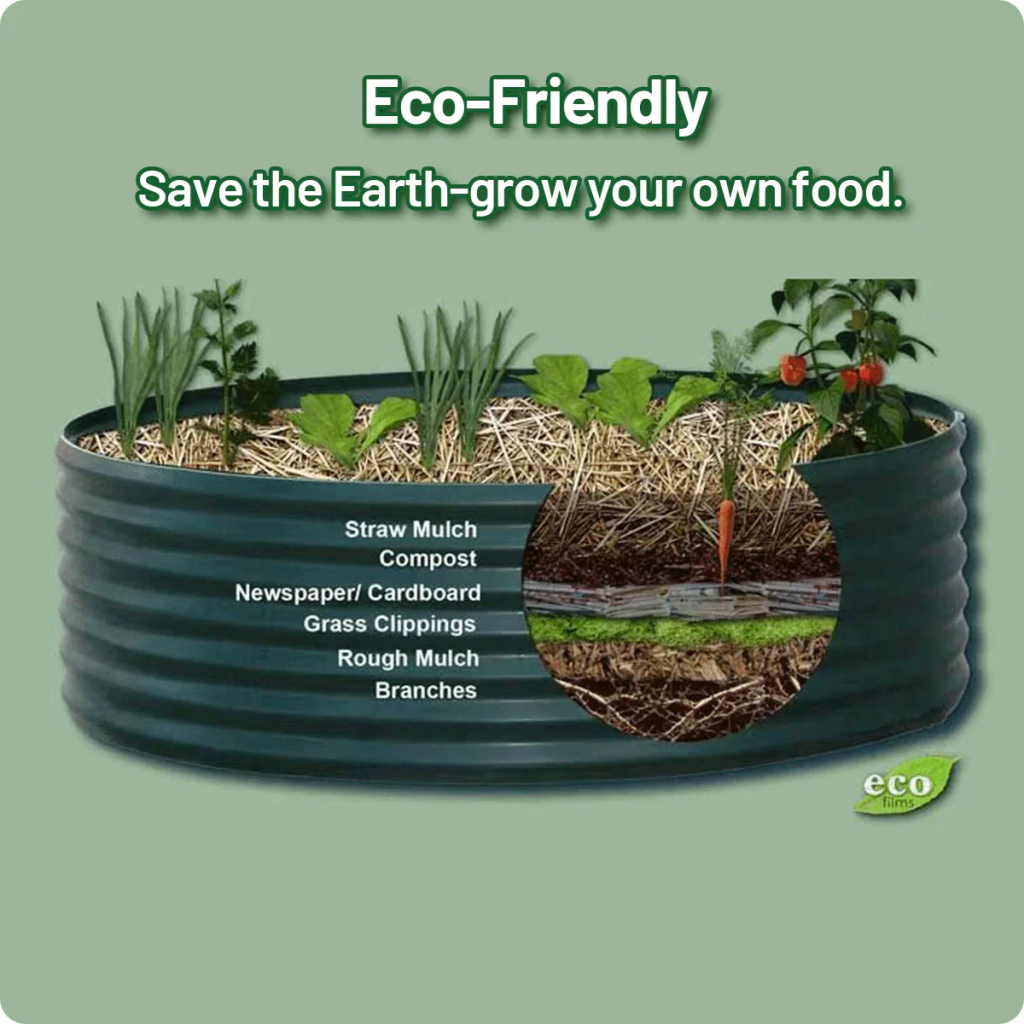
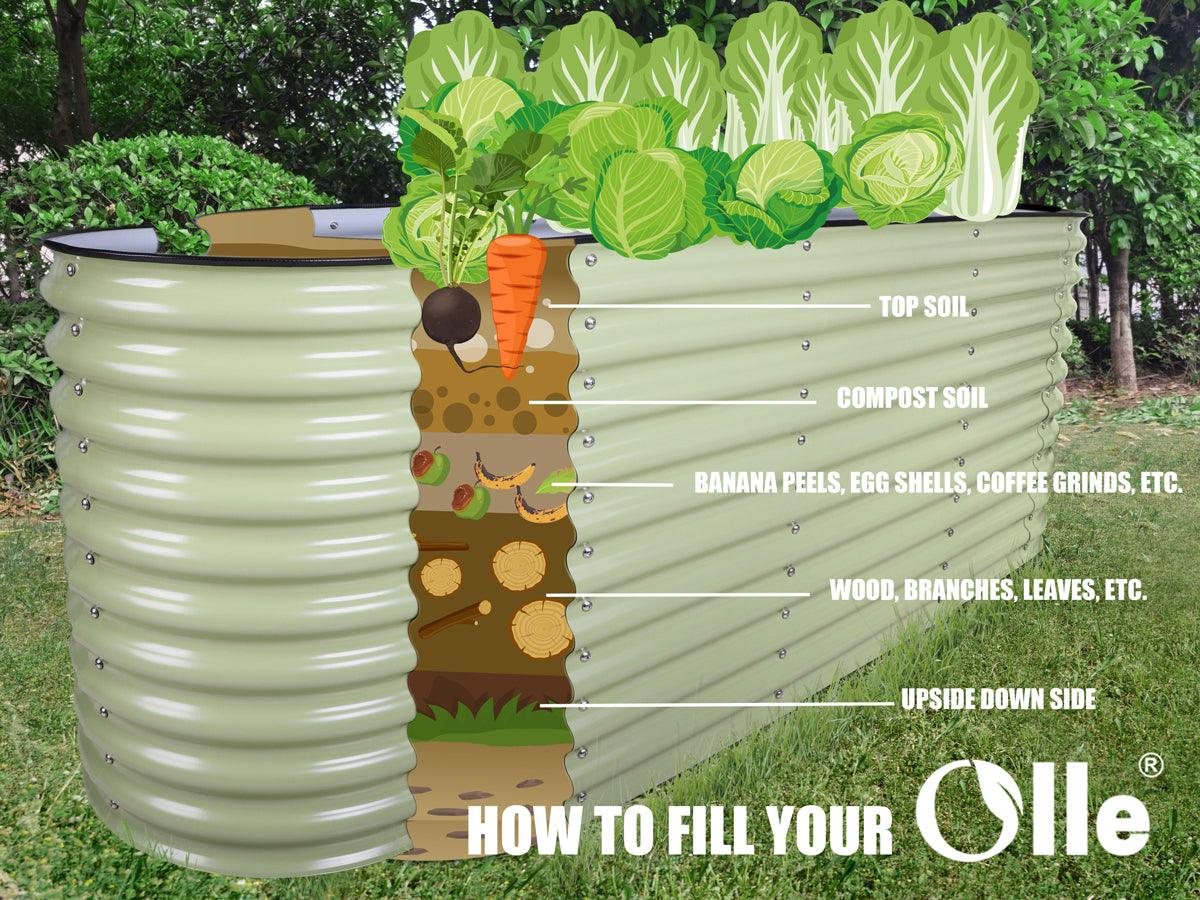
Raised garden beds need the right layers to help plants grow well. Good layering improves drainage, nutrients, and soil health.
Using layers in your raised bed helps water flow and gives plants what they need. Each layer has a special job.
Base Layers For Drainage
The base layer stops water from pooling at the roots. Good drainage keeps plants healthy and avoids root rot.
Use coarse materials that let water flow easily. This layer also supports the weight of the soil above.
- Small stones or gravel
- Broken pottery or bricks
- Coarse wood chips or branches
- Straw or dried leaves for air pockets
Middle Layers For Nutrients
The middle layer feeds your plants with nutrients. It should be rich in organic matter and compost.
Mix different materials to create a healthy growing environment. This layer breaks down over time, adding more nutrients.
- Compost or well-rotted manure
- Leaf mold or shredded leaves
- Grass clippings or green plant scraps
- Old garden soil mixed with organic matter
Top Layers For Planting
The top layer is where your plants grow. Use loose, fertile soil that holds moisture but drains well.
This layer should be easy to work with and safe for seeds and roots. Avoid heavy clay or sandy soil alone.
- High-quality garden soil
- Peat moss or coconut coir for moisture retention
- Fine compost for added nutrients
- Mix soil well before planting
Maintaining Soil Health
Good soil health keeps your raised garden bed productive. Healthy soil supports strong plant growth and good yields.
To keep soil healthy, you must test it regularly, add nutrients, and avoid damage.
Regular Soil Testing
Testing your soil shows its nutrient levels and pH balance. It helps you know what your plants need.
- Take soil samples from different spots in your bed.
- Send samples to a local extension service or use a home test kit.
- Test at least once every season.
- Use results to guide your fertilizing and amendments.
Replenishing Nutrients Seasonally
Plants use nutrients as they grow. Adding nutrients keeps soil fertile for future crops.
| Nutrient | Source | When to Add |
| Nitrogen | Compost, manure, blood meal | Early spring and mid-season |
| Phosphorus | Bone meal, rock phosphate | Before planting |
| Potassium | Wood ash, kelp meal | Mid-season |
| Organic Matter | Compost, leaf mold | Fall or after harvest |
Preventing Soil Compaction
Compacted soil stops roots from growing well. It blocks water and air flow.
- Do not walk on your raised bed soil.
- Use wide tools to loosen soil gently.
- Add organic matter to improve soil texture.
- Plant cover crops to protect and aerate soil.

Credit: www.vegega.com
Soil Mixes For Different Plants
Choosing the right soil mix helps plants grow strong and healthy. Different plants need different soil types.
Raised garden beds let you control soil quality. Use the right mix for vegetables, herbs, and flowers.
Vegetable Garden Mixes
Vegetables need soil that drains well but holds moisture. A good mix has nutrients and good texture.
Use a blend of compost, topsoil, and peat moss or coconut coir. This mix feeds plants and keeps roots healthy.
- 40% compost for nutrients
- 40% topsoil for structure
- 20% peat moss or coconut coir for moisture retention
Herb-specific Soils
Herbs like well-drained soil that is light and not too rich. Heavy soil can harm their growth.
Mix sandy soil or perlite with compost and garden soil. This blend keeps herbs healthy and happy.
- 50% garden soil for base
- 30% compost for nutrients
- 20% sand or perlite for drainage
Flower Bed Soil Blends
Flowers need soil that drains well and has good nutrients. The soil should stay loose for roots to grow.
Use a mix of garden soil, compost, and coarse sand or bark to improve texture and fertility.
- 50% garden soil
- 30% compost
- 20% coarse sand or bark
Credit: www.ollegardens.com
Frequently Asked Questions
What Materials Are Best For Raised Garden Bed Soil?
Use a mix of topsoil, compost, and peat moss for raised beds. This blend ensures good drainage, nutrients, and moisture retention for healthy plant growth.
Can I Use Regular Garden Soil In Raised Beds?
Regular garden soil alone is often too dense for raised beds. It’s better to mix it with organic matter to improve aeration and nutrient content.
How Deep Should Soil Be In A Raised Garden Bed?
Soil in raised beds should be at least 12 inches deep. This depth supports root growth and allows plants to thrive.
Is Compost Necessary For Filling Raised Garden Beds?
Yes, compost enriches soil with nutrients and beneficial microbes. It improves soil structure and supports plant health in raised beds.
Conclusion
Choosing the right soil mix helps your plants grow strong and healthy. Use a blend of topsoil, compost, and organic matter for best results. Avoid heavy or poor-quality soil that blocks roots and water. Keep the soil loose and rich to let air and water flow freely.
Regularly add compost to renew nutrients. Your garden bed will thrive with good soil care. Enjoy fresh veggies and flowers all season long. Simple steps make gardening easier and more fun. Start filling your raised bed today and watch it grow!