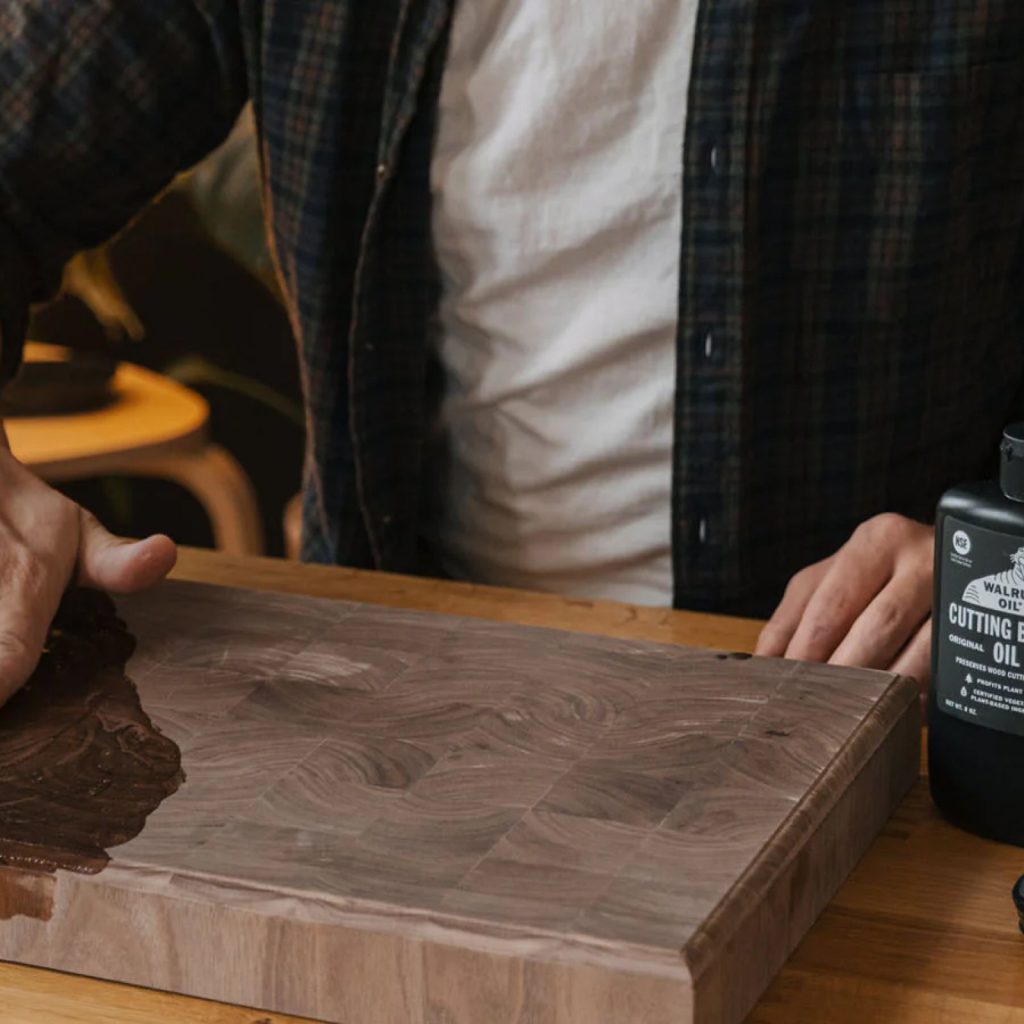
You’ve just crafted a beautiful cutting board, and now comes the crucial question: what should you finish it with? The right finish not only protects your board but also keeps it safe for food preparation.
Choosing the wrong finish can lead to damage or even harmful chemicals seeping into your food. You’ll discover simple, effective options to make your cutting board last longer and look great. Keep reading to find the perfect finish that fits your needs and keeps your kitchen safe.
Credit: www.etsy.com
Choosing The Right Finish
Finishing a cutting board protects the wood and keeps it safe to use. The finish you pick must be food-safe and durable. It should also help the board resist water damage.
Understanding the types of finishes and their features will help you make the best choice. This guide covers key points to consider for your cutting board finish.
Food-safe Finishes
Since cutting boards touch food directly, the finish must be safe to eat around. Many finishes are non-toxic and made for kitchen use.
- Mineral oil: Popular and easy to apply. Does not spoil or go rancid.
- Beeswax: Often mixed with oils to add extra protection and shine.
- Coconut oil: Natural and safe, but may go rancid if not refined.
- Walnut oil: Dries hard but can cause allergies in some people.
Durability Factors
Durability depends on how well the finish protects the wood from scratches, stains, and wear. Some finishes soak into the wood and others form a hard surface layer.
| Finish Type | Protection Level | Maintenance Needed |
| Mineral oil | Moderate | Reapply often |
| Beeswax blend | High | Reapply monthly |
| Polyurethane (not food-safe) | Very high | Rarely needed |
Water Resistance
Water can cause wood to warp or crack. The right finish helps keep moisture out but still lets the wood breathe.
Here are ways to improve water resistance:
- Use oil finishes regularly to seal pores
- Apply beeswax to create a water-repellent surface
- Avoid finishes that trap moisture inside the wood
- Never soak the cutting board in water
Natural Oils For Cutting Boards
Finishing a cutting board with natural oils helps protect the wood. Oils soak into the wood and prevent cracks and drying. They also keep your board looking nice and smooth.
Choosing the right oil is important for safety and durability. Some oils work better and last longer on wooden boards. This guide covers popular natural oils and tips for applying them.
Mineral Oil Benefits
Mineral oil is a common choice for finishing cutting boards. It is colorless, odorless, and safe for food contact. The oil penetrates deeply to protect wood fibers and prevent water damage.
- Non-toxic and food safe
- Does not go rancid over time
- Easy to apply and widely available
- Helps prevent wood from drying out
- Inexpensive compared to other oils
Walnut And Other Nut Oils
Walnut oil and other nut oils are natural options with a pleasant smell. They soak well into wood and create a good finish. These oils add a slight shine and bring out the wood’s color.
| Oil Type | Pros | Cons |
| Walnut Oil | Good scent, natural finish | May cause allergies |
| Almond Oil | Rich texture, food safe | Can spoil faster |
| Hazelnut Oil | Light finish, easy to apply | More costly |
Application Tips
Applying oil correctly helps your cutting board last longer. Clean the board well before oiling. Use a soft cloth or brush to spread the oil evenly. Let the oil soak in and wipe off extra.
- Wash and dry the board completely
- Apply a generous amount of oil
- Rub the oil into all surfaces, front and back
- Wait 15-20 minutes for absorption
- Wipe off excess oil with a clean cloth
- Repeat every few weeks or after washing
Wax And Oil Combinations
Finishing a cutting board with wax and oil protects the wood. This combo keeps the board safe from water and stains.
Many woodworkers use both wax and oil together for a smooth, durable finish. Each adds a special benefit to the board.
Beeswax For Protection
Beeswax creates a strong barrier on your cutting board. It seals the wood and blocks moisture from soaking in.
You can melt beeswax and rub it onto the board. After it cools, it leaves a soft, protective layer that feels smooth.
Diy Wax Mixtures
Mixing wax with oil creates a finish that is easy to apply and lasts longer. You can make your own blend at home.
- Use 1 part beeswax and 4 parts mineral oil.
- Heat the beeswax until it melts.
- Slowly stir in mineral oil until fully combined.
- Let the mixture cool and thicken before use.
- Apply with a cloth and buff for shine.
Maintenance Routine
Regular care helps your cutting board stay strong and beautiful. Use oil and wax often to keep the wood healthy.
| Task | Frequency |
| Apply mineral oil | Once a week |
| Rub wax finish | Once a month |
| Clean with mild soap | After each use |
| Dry board fully | Every time after washing |
Credit: www.antiquefarmhouse.com
Specialty Finishes
Finishing a cutting board protects the wood and makes it safe for food use. Specialty finishes can enhance durability and look. They also keep the board from drying out or cracking.
Choosing the right finish depends on how you use your cutting board. Some finishes are natural oils. Others are commercial products made for wood protection.
Tung Oil Uses
Tung oil is a natural oil from the tung tree. It soaks into wood and hardens to form a water-resistant finish. It is good for cutting boards because it is food safe once cured.
Tung oil protects wood from moisture and stains. It also brings out the natural grain and color of the wood. Multiple coats make the finish stronger and more durable.
Linseed Oil Pros And Cons
Linseed oil comes from flax seeds. It is a common wood finish and is also food safe when pure and dry. People use it on cutting boards for a natural look.
- Pros:Easy to apply, enhances wood grain, natural and safe when fully cured.
- Cons:Takes a long time to dry, may darken wood over time, raw linseed oil can spoil and is not safe.
Commercial Wood Finishes
Commercial finishes include mineral oil blends, waxes, and varnishes made for kitchen use. They provide strong protection and are usually easy to apply.
Mineral oil is popular because it is food safe and prevents wood from drying out. Some commercial products mix mineral oil with beeswax for extra sealing. Avoid finishes with harmful chemicals for cutting boards.
Avoiding Harmful Finishes
Choosing the right finish for a cutting board is very important. Some finishes can be harmful and unsafe for food contact.
This guide helps you avoid toxic chemicals and unsafe varnishes. It also explains health risks linked to bad finishes.
Toxic Chemicals To Skip
Many finishes contain chemicals that can harm your health. Avoid these toxic substances to keep your cutting board safe.
- Formaldehyde: causes irritation and cancer risk
- Lead: toxic heavy metal harmful if ingested
- Phthalates: disrupt hormones and affect health
- Toluene: affects nervous system and organs
- Petroleum-based solvents: may cause poisoning
Non-food-safe Varnishes
Some varnishes look good but are unsafe for cutting boards. They may peel or release harmful substances.
| Varnish Type | Reason to Avoid |
| Polyurethane | Not food safe, can crack over time |
| Shellac | Solvent based, can break down with moisture |
| Lacquer | Contains toxic chemicals, not durable |
| Oil-based paint | Contains harmful pigments and additives |
Long-term Health Risks
Using unsafe finishes may cause health problems over time. Chemicals can enter food and build up in the body.
Common health issues include:
- Allergic reactions and skin irritation
- Respiratory problems from fumes
- Digestive issues from chemical ingestion
- Hormone disruption and fertility problems
- Increased risk of cancer
Applying And Maintaining Finishes
Finishing a cutting board protects the wood and keeps it safe for food. A good finish also makes cleaning easier.
Choosing the right finish and keeping it maintained helps your board last longer and look better.
Preparation Steps
Before applying finish, clean the board and sand it smooth. Remove any dust with a damp cloth. Make sure the board is dry.
- Wash the board with warm, soapy water.
- Sand the surface with fine-grit sandpaper.
- Wipe off dust with a clean, damp cloth.
- Let the board dry completely.
Reapplication Frequency
Reapply finish regularly to keep the board protected. How often depends on use and the finish type.
| Finish Type | Reapplication Interval |
| Mineral Oil | Every 1-2 months |
| Beeswax Blend | Every 3 months |
| Tung Oil | Every 6 months |
| Walnut Oil | Every 1-2 months |
Cleaning Tips
Clean your cutting board carefully to protect the finish. Avoid harsh soaps or soaking it in water.
- Use mild dish soap and warm water.
- Wipe with a soft sponge or cloth.
- Dry immediately with a towel.
- Do not put the board in the dishwasher.
- Oil the board after cleaning if it looks dry.
Signs Your Cutting Board Needs Refinishing
A cutting board faces daily wear from knives and moisture. Over time, it can lose its smooth surface and protective finish.
Knowing when to refinish your cutting board helps keep it safe and clean. Look for these common signs.
Cracks And Dryness
Wood can dry out and crack if it lacks proper care. Cracks let bacteria hide and damage the board’s strength.
- Small hairline cracks on the surface
- Deep splits that break the wood fibers
- Dry, rough areas that feel brittle
- Wood that shrinks or warps
Staining Issues
Stains can come from foods like beets, berries, or spices. Dark spots may show if the finish is worn away.
| Type of Stain | Cause | What It Means |
| Dark spots | Food pigment absorption | Finish is damaged or missing |
| Water rings | Moisture trapped inside | Board needs resealing |
| Discoloration | Prolonged exposure to acids | Protective layer weakened |
Surface Roughness
A rough surface feels uneven and may cause knives to dull faster. It also makes cleaning harder.
Signs of surface roughness include:
- Visible knife marks and grooves
- Splintering wood fibers
- Uneven texture when running your hand over it
- Food particles stuck in cuts and scratches

Credit: www.amazon.com
Frequently Asked Questions
What Is The Best Oil For Cutting Boards?
Mineral oil is a popular choice for cutting boards. It’s food-safe, odorless, and prevents wood from drying. Regular application keeps the board looking new and extends its lifespan. Always opt for food-grade mineral oil to ensure safety.
Can I Use Olive Oil On Cutting Boards?
It’s not recommended to use olive oil. Olive oil can go rancid, leaving a sticky residue. This may affect the taste and smell of food. Choose oils specifically designed for cutting boards, like mineral or beeswax.
How Often Should I Oil My Cutting Board?
Oil your cutting board once a month for optimal maintenance. This frequency prevents the wood from drying and cracking. Regular oiling maintains the board’s appearance and functionality. If used daily, consider oiling it every two weeks.
Is Beeswax Good For Cutting Boards?
Yes, beeswax is excellent for cutting boards. It provides a protective layer and enhances water resistance. Beeswax, often combined with mineral oil, offers superior protection. It’s food-safe and gives the board a polished finish.
Conclusion
Choosing the right finish keeps your cutting board safe and strong. Natural oils like mineral oil soak in and protect wood well. Beeswax adds a smooth, water-resistant layer on top. Avoid finishes that can harm food or taste. Regularly applying oil helps your board last longer.
A well-finished board stays beautiful and easy to clean. Take care of your board, and it will serve you for years. Simple steps make a big difference in wood care. Your cutting board deserves the best finish you can give.