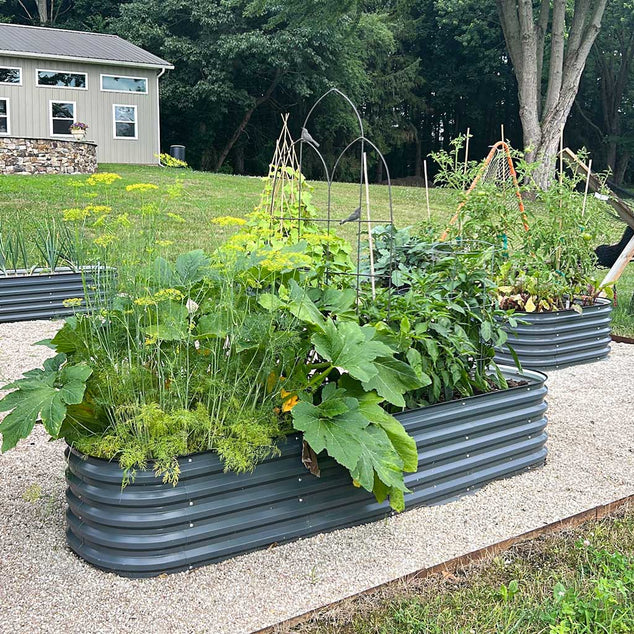
Are you ready to transform your garden space into a thriving oasis? Choosing what to grow in your raised garden bed can feel overwhelming, but it doesn’t have to be.
Whether you want fresh veggies, vibrant flowers, or fragrant herbs, the right choices will make your garden both beautiful and productive. You’ll discover simple, smart options that suit your space and needs. Keep reading to find out how to make your raised bed bloom with life and flavor!
Benefits Of Raised Garden Beds
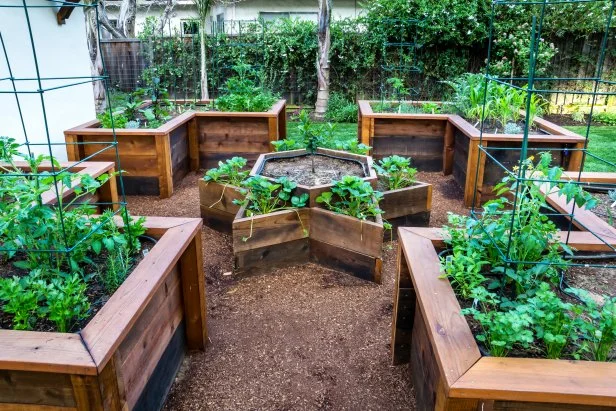
Raised garden beds offer many benefits for growing plants. They improve soil conditions and make gardening easier.
These beds are great for beginners and experts. They help plants grow stronger and healthier.
Improved Soil Quality
Raised beds let you control the soil mix. You can add nutrients and organic matter easily.
This helps plants get the food they need to grow well. It also reduces soil compaction.
- Use rich compost and good soil blends
- Keep soil loose and fertile
- Prevent weeds and pests with clean soil
Better Drainage And Aeration
Raised beds drain water faster than ground soil. This stops water from pooling and hurting roots.
Good air flow reaches plant roots more easily. Roots get oxygen needed for healthy growth.
- Prevents root rot by avoiding water buildup
- Improves soil structure for air and water
- Helps plants grow deeper roots
Ease Of Access And Maintenance
Raised beds sit above ground, so you don’t need to bend much. This is easier on your back and knees.
They keep your garden organized and neat. It is simpler to water, weed, and harvest plants.
- Reduces strain while gardening
- Makes soil and plants easy to reach
- Keeps garden tidy and manageable
Credit: www.hgtv.com
Choosing Plants For Raised Beds
Raised garden beds are perfect for growing many types of plants. Choosing the right plants helps your garden thrive. Consider the needs of each plant for best results.
Think about where you live and the conditions in your raised bed. This guide covers key factors for choosing plants that grow well in raised beds.
Climate And Sunlight Considerations
Plants need different amounts of sunlight and warmth. Check your area’s climate before planting. Some plants like full sun, while others prefer shade.
- Full sun plants need at least 6 hours of direct sunlight daily.
- Partial sun plants thrive with 3 to 6 hours of sunlight.
- Shade plants grow best with less than 3 hours of direct sun.
- Know your frost dates to protect sensitive plants.
Soil Type And Nutrient Needs
Raised beds usually have loose, well-drained soil. Different plants require different nutrients and soil types. Choose plants that match your soil’s condition.
| Plant Type | Preferred Soil Type | Key Nutrients Needed |
|---|---|---|
| Leafy greens | Rich, loamy soil | High nitrogen |
| Root vegetables | Loose, sandy soil | Balanced nutrients |
| Fruiting plants | Well-drained soil | Phosphorus and potassium |
Space And Growth Habits
Plants grow in many ways. Some spread wide, others grow tall. Make sure you have enough space in your raised bed.
- Compact plants fit well in small beds.
- Tall plants may need staking or support.
- Vining plants can climb trellises to save space.
- Check the plant’s mature size before planting.
Easy Vegetables To Grow
Raised garden beds are perfect for growing vegetables. They give good drainage and help keep soil healthy.
Many vegetables grow well in raised beds. Choose easy ones for the best results.
Leafy Greens
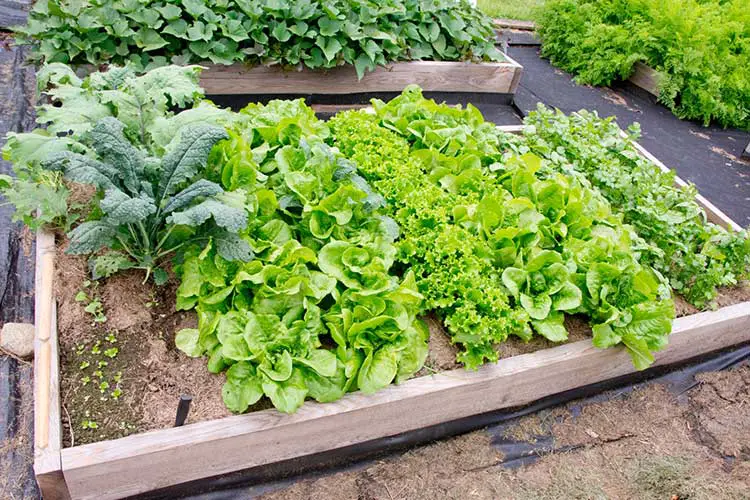
Leafy greens grow fast and do well in small spaces. They need cool weather and regular watering.
Examples include spinach, lettuce, and kale. These vegetables are good for salads and cooking.
- Spinach grows quickly and is rich in iron.
- Lettuce comes in many types and tastes fresh.
- Kale is tough and grows even in cooler weather.
Root Vegetables
Root vegetables need loose soil to grow deep. Raised beds give space for roots to expand.
Carrots, radishes, and beets are easy root vegetables. They grow well in raised garden beds.
- Carrots come in many colors and are sweet when fresh.
- Radishes grow fast and add crunch to meals.
- Beets have edible roots and leaves for cooking.
Nightshades
Nightshades need warm soil and plenty of sunlight. Raised beds warm up faster in spring.
Tomatoes, peppers, and eggplants are popular nightshades. They add color and flavor to dishes.
- Tomatoes come in many shapes and taste great fresh or cooked.
- Peppers add heat or sweetness depending on the type.
- Eggplants have a unique texture and absorb flavors well.
Credit: www.farmfreshchoice.com
Fruits That Thrive In Raised Beds
Raised garden beds are great for growing many fruits. They offer good soil drainage and warm soil faster.
Some fruits do especially well in raised beds. They grow strong and produce plenty of fruit.
Strawberries
Strawberries love raised beds because the soil stays loose and drains well. This prevents root rot and keeps berries healthy.
Raised beds make it easier to control weeds around strawberries. They also help keep fruit clean and off the ground.
Bush Berries
Bush berries like blueberries, raspberries, and blackberries grow well in raised beds. The beds help keep soil acidic for blueberries.
Raised beds allow good air flow around bushes. This lowers the chance of disease and helps berries ripen evenly.
- Blueberries need acidic soil (pH 4.5-5.5)
- Raspberries like well-drained soil
- Blackberries prefer full sun and space
Dwarf Fruit Trees
Dwarf fruit trees fit nicely in raised beds. They stay smaller but still produce lots of fruit.
Raised beds give good drainage and warmth. This helps dwarf trees grow strong roots and healthy fruit.
- Choose dwarf apple, peach, or cherry trees
- Use good soil mix with compost
- Water regularly but avoid waterlogging
Herbs For Raised Garden Beds
Raised garden beds are great for growing herbs. They offer good drainage and soil control.
Herbs add flavor to meals and can improve garden health. Choose the right herbs for your space.
Perennial Herbs
Perennial herbs grow back year after year. They are low maintenance and save time.
These herbs do well in raised beds and provide fresh leaves for many seasons.
- Rosemary – needs full sun and well-drained soil
- Thyme – grows low and spreads nicely
- Oregano – hardy and flavorful
- Chives – easy to grow and good for cooking
- Mint – grows fast but keep it contained
Annual Herbs
Annual herbs complete their life cycle in one year. They grow quickly and produce many leaves.
Raised beds help control soil and pests for these fast-growing plants.
- Basil – loves warm weather and sun
- Cilantro – prefers cooler weather
- Dill – grows tall and attracts beneficial insects
- Parsley – grows well in partial shade
- Marjoram – has a sweet, mild flavor
Companion Planting Benefits
Planting herbs near vegetables helps keep pests away. Herbs can also improve soil health.
Companion planting makes your garden stronger and more productive without chemicals.
- Basil repels flies and mosquitoes
- Chives deter aphids and beetles
- Dill attracts ladybugs that eat pests
- Mint keeps ants and flea beetles away
- Thyme can reduce cabbage worms

Credit: www.vegega.com
Tips For Maximizing Yield
Growing plants in raised garden beds can increase your harvest. Using smart techniques helps you get the most from your space.
This guide shares simple tips to grow more food and keep your garden healthy.
Crop Rotation
Crop rotation means changing the plants you grow in each bed every season. It helps keep soil healthy and stops pests from building up.
Different plants use different nutrients. Moving crops prevents soil from running out of one nutrient.
- Plant legumes like beans to add nitrogen to the soil
- Follow heavy feeders like tomatoes with light feeders like carrots
- Avoid planting the same crop family in the same bed twice in a row
Succession Planting
Succession planting means planting new crops right after harvesting old ones. This keeps your garden producing food all season long.
You can also plant different crops in the same bed at the same time if they grow quickly.
- Plant fast-growing lettuce after harvesting peas
- Sow seeds for radishes near slow-growing cabbage
- Use space well by planting tall and short crops together
Pest And Disease Management
Raised beds can reduce pests and diseases but do not stop them completely. Watch your plants often for signs of trouble.
Use natural ways to keep pests away and keep your plants strong.
- Remove dead leaves and plant debris regularly
- Use companion plants like marigolds to repel insects
- Water plants early to avoid wet leaves at night
- Inspect plants daily for pests or disease spots
Seasonal Planting Guide
Raised garden beds make planting easy and fun. You can grow different plants every season. Here is a simple guide to help you choose what to plant.
Each season offers unique choices. This guide will help you decide what to plant in spring, summer, and fall.
Spring Choices
Spring is the perfect time for planting. Many plants love the cool weather. You can start growing fresh vegetables and flowers.
- Lettuce and spinach are great for early spring.
- Radishes grow fast and are easy to care for.
- Plant peas for a sweet harvest.
- Try marigolds to add color to your garden.
Summer Picks
Summer brings more sunshine. This is the time for heat-loving plants. You can enjoy many fruits and vegetables.
- Tomatoes love the summer heat.
- Cucumbers grow well in warm weather.
- Bell peppers add color to your meals.
- Sunflowers can make your garden bright and cheerful.
Fall Options
Fall is great for cooler weather crops. Many plants can be harvested before the frost. This season offers a bounty of healthy choices.
- Kale is hardy and grows well in fall.
- Carrots can be planted for a sweet fall treat.
- Broccoli thrives in cooler temperatures.
- Plant pansies to enjoy their blooms through fall.
Frequently Asked Questions
What Vegetables Grow Best In Raised Garden Beds?
Leafy greens, tomatoes, peppers, carrots, and radishes thrive in raised beds. These plants prefer well-drained soil and consistent moisture. Raised beds provide ideal conditions for root vegetables and delicate plants, improving growth and yield significantly.
Can Herbs Be Grown Successfully In Raised Beds?
Yes, herbs like basil, parsley, thyme, and cilantro grow well in raised beds. The controlled soil conditions enhance their flavor and growth. Raised beds also make herb care easier, providing good drainage and preventing soil compaction.
How Does Soil Quality Affect Raised Bed Gardening?
Soil quality is crucial for raised beds, impacting plant health and yield. Use nutrient-rich, well-draining soil mixed with compost for best results. Good soil improves root development, moisture retention, and nutrient availability, promoting strong plant growth.
Are Raised Garden Beds Suitable For Fruits?
Yes, strawberries, blueberries, and dwarf fruit trees grow well in raised beds. The controlled environment helps prevent soil-borne diseases and improves drainage. Raised beds also make harvesting and maintenance easier for fruit plants.
Conclusion
Raised garden beds offer a great space to grow many plants. Vegetables like tomatoes, lettuce, and carrots do well here. Herbs such as basil and parsley also thrive. Flowers can add color and attract helpful insects. Choose plants that match your climate and sunlight.
Keep soil healthy and water regularly for best results. Growing in raised beds makes gardening easier and more fun. Start small, learn, and enjoy fresh homegrown food soon.