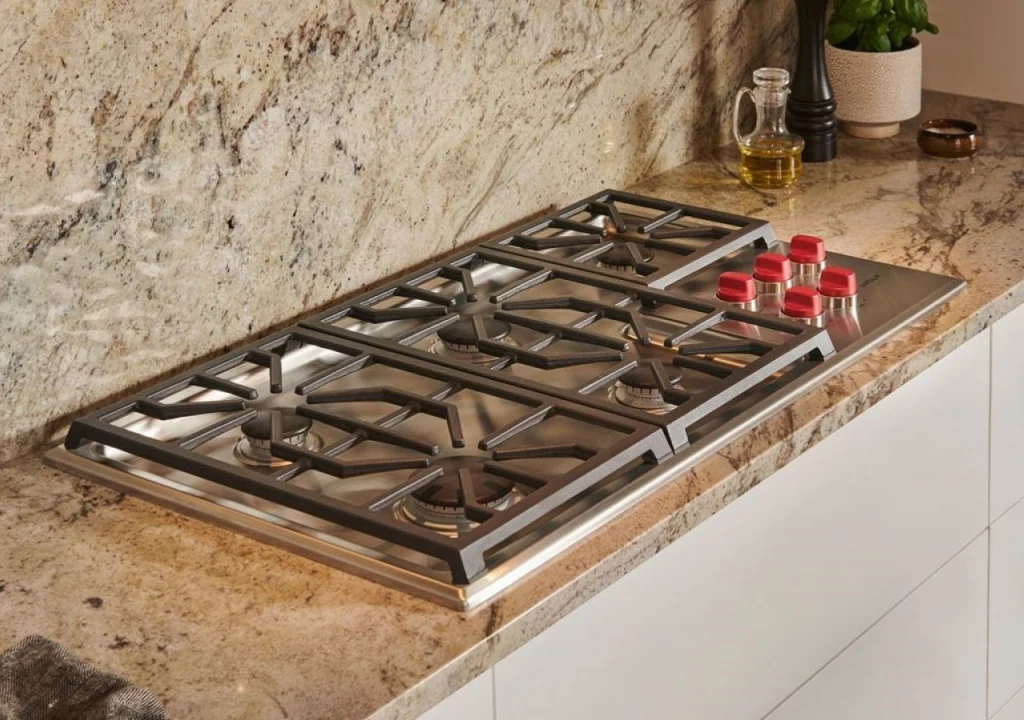
Are you tired of struggling with your outdated cooktop that takes forever to heat up and leaves your meals unevenly cooked? Choosing the right gas cooktop can transform your cooking experience, making meal preparation faster and more efficient.
But with so many options out there, how do you know which features truly matter? We’ll guide you through the essential factors to consider when selecting a gas cooktop that fits your kitchen needs and lifestyle. From burner types to safety features, you’ll discover exactly what to look for to ensure you make a smart purchase.
Keep reading to unlock the secrets to achieving culinary perfection right in your own home!
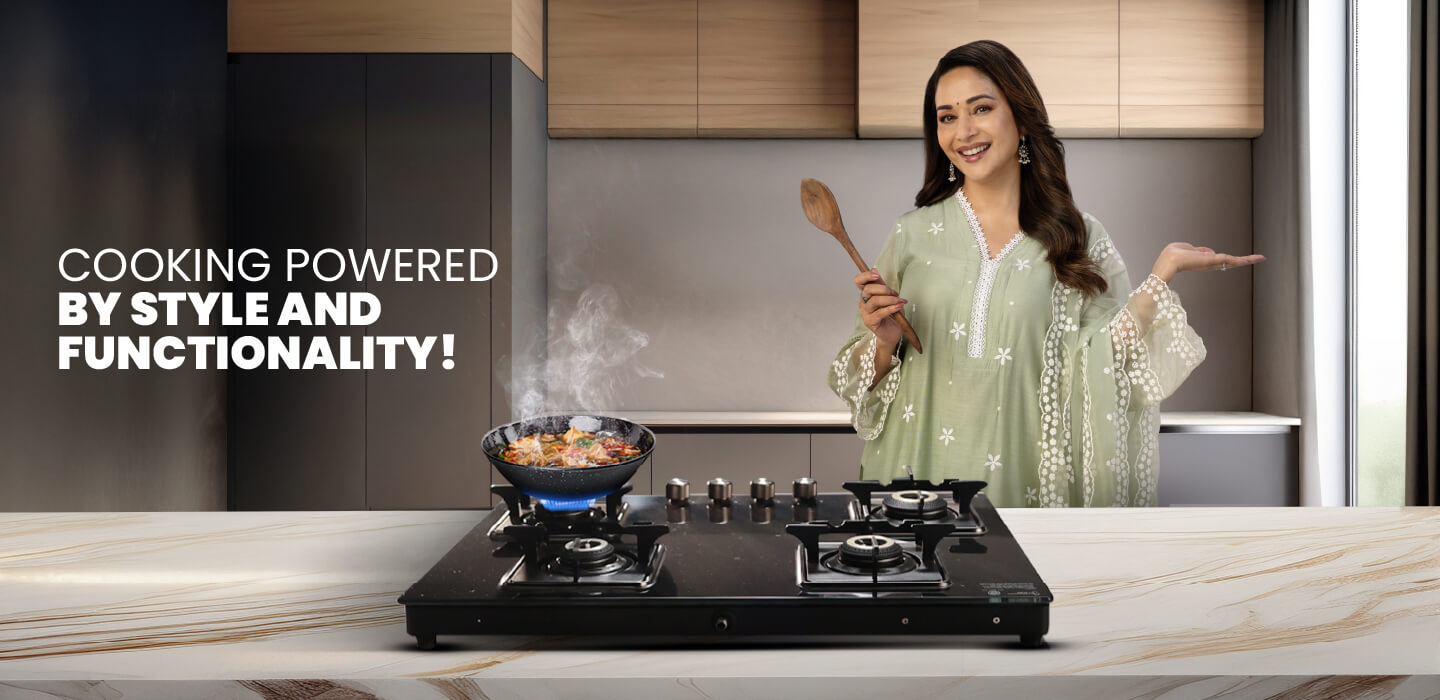
Credit: houseofsujata.com
Burner Types And Sizes
Burners are the heart of any gas cooktop. They control heat, affect cooking speed, and impact energy use. Different burners serve different cooking needs. Choosing the right types and sizes ensures better cooking results and kitchen efficiency. Explore common burner options below.
Standard Vs. Power Burners
Standard burners offer steady heat for everyday cooking. They work well for boiling, frying, and sautéing. Power burners provide higher heat output. Ideal for quick boiling and high-heat cooking. They save time by heating faster. A mix of both types suits most kitchens. Balance energy use and cooking speed effectively.
Simmer Burners
Simmer burners deliver low, gentle heat. Perfect for delicate tasks like melting chocolate or simmering sauces. They prevent food from burning or sticking. These burners keep heat steady at low temperatures. Great for slow cooking and warming dishes. A simmer burner adds precision to your cooktop.
Multi-ring Burners
Multi-ring burners have several flame rings. They provide even heat across different pot sizes. Adjust flame size easily for better control. Useful for large pots and uneven cookware bottoms. These burners offer versatility and consistent cooking. They help avoid hot spots and improve meal quality.
Material And Design
The material and design of a gas cooktop play a crucial role in both its performance and how it fits into your kitchen’s style. Choosing the right surface material affects durability and ease of cleaning. Meanwhile, the layout and finish impact usability and how the cooktop complements your kitchen decor.
Cooktop Surface Materials
Gas cooktops commonly use stainless steel, tempered glass, or ceramic surfaces. Stainless steel is tough and resists scratches, but it can show fingerprints easily. Tempered glass adds a modern look and is simple to wipe down, though it may be more prone to cracks if heavy pots are dropped.
Consider how much maintenance you’re willing to do. If you cook daily, a scratch-resistant surface like stainless steel might save you headaches. On the other hand, if you value aesthetics and don’t mind careful cleaning, glass can elevate your kitchen’s vibe.
Knob And Control Layout
Look at how the knobs and controls are arranged. Are they easy to reach and clearly marked? Controls placed at the front can help you adjust heat quickly without reaching over hot burners, enhancing safety and convenience.
Think about whether you prefer traditional knobs or touch controls. Some people find knobs more intuitive, especially when multitasking. Your comfort in controlling the heat directly affects cooking precision and overall satisfaction.
Finish Options
Finishes range from brushed stainless steel to matte black or even colored enamel. Each finish has its pros and cons. Matte finishes can hide smudges better than shiny surfaces, reducing the need for constant cleaning.
How does the finish match your kitchen appliances and cabinets? A coordinated look can make your kitchen feel more cohesive. Don’t forget to consider fingerprints and stains—some finishes require more upkeep than others.
Safety Features
Safety features are vital in any gas cooktop. They protect your home and family from accidents. These features reduce risks linked to gas leaks or flames going out unexpectedly. Choosing a cooktop with strong safety measures ensures peace of mind during cooking.
Flame Failure Devices
Flame failure devices stop gas flow if the flame goes out. This prevents dangerous gas leaks. The device senses the flame and cuts gas supply instantly if it disappears. It is a crucial feature to avoid fire hazards and gas poisoning.
Child Lock Controls
Child lock controls prevent children from turning on burners accidentally. They keep the cooktop safe in homes with kids. This feature disables the knobs or touch controls until unlocked by an adult. It helps avoid burns and accidental fires.
Automatic Shutoff
Automatic shutoff turns off the gas after a set time or if no activity is detected. This prevents gas from flowing endlessly if the cooktop is left on. It reduces the risk of fire or gas buildup in the kitchen. This feature adds an extra layer of safety for busy households.

Credit: kaff.in
Ignition Systems
Ignition systems are a key feature to consider when choosing a gas cooktop. They determine how easily and quickly you can light your burners, directly affecting your cooking experience. Understanding the differences between ignition types helps you pick a cooktop that fits your style and needs.
Electric Vs. Manual Ignition
Electric ignition uses a spark generated by a button or knob to light the burner automatically. This system is convenient—you simply turn the knob, and the burner ignites without any extra steps. It’s especially helpful if you cook often or have limited mobility in your hands.
Manual ignition requires a separate source like a match or lighter to ignite the burner. While it might seem old-fashioned, some cooks prefer it for its simplicity and reliability during power outages. However, it demands more caution and effort, which might slow down your cooking process.
Reliability And Speed
Electric ignition systems are generally faster, lighting burners within seconds. But they rely on a power source, so if your kitchen loses electricity, you might face difficulties. On the other hand, manual ignition works without electricity, making it reliable in any situation.
Think about your kitchen’s power stability and how quickly you want to start cooking. Would you rather have the ease of instant sparks or the security of lighting burners anytime, anywhere? Your choice affects not only convenience but also safety in your kitchen.
Size And Installation
Choosing the right size and installation type for a gas cooktop is essential. It affects how well the cooktop fits your kitchen and works with your cooking style. Proper sizing ensures safety and comfort while cooking. Installation type influences the kitchen layout and appliance compatibility.
Standard Dimensions
Gas cooktops come in various sizes to fit different kitchen spaces. Common widths include 24, 30, and 36 inches. Depths are usually around 20 to 22 inches. Knowing your countertop space helps pick the right size. Measure the cutout area carefully before buying.
Built-in Vs. Drop-in Models
Built-in cooktops sit flush with the countertop for a sleek look. They require precise cutouts and professional installation. Drop-in models have a raised edge that rests on the countertop. They are easier to install and replace. Both types offer different styling and installation options.
Ventilation Needs
Proper ventilation is crucial for safety and air quality. Gas cooktops produce heat and fumes that need to be vented outside. Consider a range hood or downdraft system. Check local building codes for ventilation requirements. Good airflow keeps your kitchen fresh and safe.
Ease Of Cleaning
Ease of cleaning is a key factor when choosing a gas cooktop. A cooktop that cleans quickly saves time and effort. Grease, spills, and food particles can make cleaning a chore. Features that simplify this process improve your cooking experience.
Removable Grates
Removable grates make cleaning easier. You can lift them off and wash separately. This helps reach hidden areas where food drops. Dishwasher-safe grates add extra convenience. Look for heavy-duty materials that resist rust and stains.
Sealed Burners
Sealed burners prevent spills from entering the cooktop interior. This stops grease buildup under the burner. It also reduces the risk of clogs and odors. Sealed designs allow quick surface wipes. This keeps your cooktop hygienic and safe.
Surface Maintenance
Choose a cooktop with smooth, non-porous surfaces. Glass or stainless steel tops are easier to clean. Avoid rough or textured surfaces that trap dirt. Use mild cleaners to protect the finish. Regular wiping prevents stubborn stains and buildup.
Energy Efficiency
Energy efficiency in a gas cooktop is more than just a feature—it’s a smart way to save money and reduce your environmental footprint. Choosing an energy-efficient model means you get the heat you need without wasting fuel or money. Understanding what makes a cooktop efficient helps you pick the right one for your kitchen and lifestyle.
Btu Ratings
BTU (British Thermal Unit) ratings show how much heat a burner produces. Higher BTUs mean more power, but not always better efficiency. You want burners that match your cooking style; intense heat for boiling or simmer settings for gentle cooking saves energy.
Look for cooktops with adjustable BTU levels so you can control the flame precisely. A burner with a wide BTU range offers flexibility and reduces fuel waste. Have you noticed how some burners seem to use too much gas just to keep a simmer going? That’s where BTU control makes a difference.
Fuel Consumption
Fuel consumption directly affects your energy bills. Efficient cooktops burn gas cleanly and use less fuel to reach the desired temperature. Pay attention to models that specify low fuel consumption without compromising on performance.
Some manufacturers provide data on how much gas their cooktops use per hour. Comparing these figures helps you estimate running costs. You might be surprised how small differences in consumption add up over time. What if your cooktop could cut your gas use in half during everyday cooking?
Eco-friendly Options
Some gas cooktops come with eco-friendly features designed to reduce emissions and improve energy use. Look for certifications like ENERGY STAR or low-NOx burners, which produce fewer pollutants. These options support cleaner air and better energy efficiency.
Eco-friendly cooktops often include smart ignition systems that avoid wasting gas during startup. They may also have better heat distribution, so you spend less time cooking. Choosing these models means you contribute to a healthier planet without giving up performance. How important is it for your kitchen appliances to reflect your environmental values?
Additional Features
Extra features in a gas cooktop make cooking easier and more fun. These features add convenience, safety, and flexibility. They help you get better results with less effort. Here are some helpful additions to consider.
Continuous Grates
Continuous grates cover the entire cooktop surface. Pots and pans slide easily from one burner to another. No need to lift heavy cookware. They offer a stable cooking surface for large or multiple pots. Cleaning is simple because crumbs and spills stay on the grates.
Wok Rings
Wok rings keep round-bottom woks steady on flat burners. They provide better heat contact and stability. This feature is essential for stir-frying and Asian cooking. Wok rings fit easily on most gas cooktops and are removable. They improve safety by preventing slipping or tipping.
Smart Controls
Smart controls let you adjust heat levels with precision. Some models come with digital displays or touch controls. They offer preset cooking modes for specific dishes. Smart controls can include timers and safety locks. These features help avoid overcooking or accidents.
Budget And Warranty
Setting a clear budget helps narrow down gas cooktop options. Warranties protect your investment and provide peace of mind. Both factors impact your satisfaction and long-term costs.
Price Ranges
Gas cooktops come in various price ranges, fitting different budgets. Basic models start around $150 and offer essential features. Mid-range cooktops, priced between $300 and $700, have better build quality and extra functions. High-end models can cost over $1,000, often featuring premium materials and advanced controls.
Consider how often you cook and which features matter most. A higher price does not always mean better performance, but quality parts often last longer.
Warranty Coverage
Check the warranty length and what it covers before buying. Most gas cooktops have a one-year warranty on parts and labor. Some brands offer extended warranties up to five years for key components like burners.
Look for warranties covering repairs and replacements without hidden fees. A solid warranty reduces future repair costs and hassle.
Brand Reputation
Choose brands known for reliability and customer support. Well-established brands usually provide better warranties and service options.
Read customer reviews to learn about real experiences. Brands with positive feedback often stand behind their products with solid warranties and quality parts.
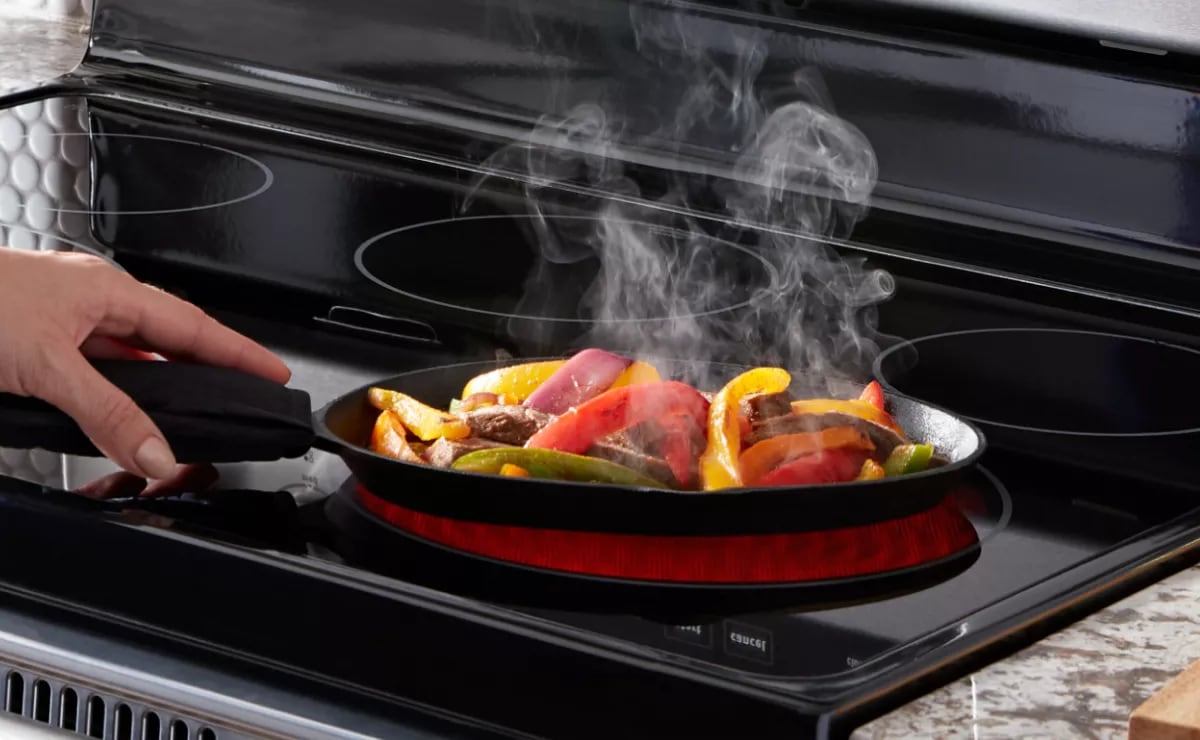
Credit: www.maytag.com
Frequently Asked Questions
What Size Gas Cooktop Fits My Kitchen Best?
Choose a gas cooktop size based on your kitchen space and cooking needs. Common sizes range from 24 to 36 inches. Measure your countertop area carefully to ensure a perfect fit and smooth installation.
How Many Burners Should A Gas Cooktop Have?
Select a cooktop with 4 to 6 burners depending on your cooking style. More burners allow multitasking and flexibility, ideal for families or frequent cooks.
What Safety Features Are Essential In Gas Cooktops?
Look for features like flame failure devices and automatic shut-off. These prevent gas leaks and enhance kitchen safety, protecting you and your home.
Is A Sealed Burner Better Than An Open Burner?
Sealed burners prevent spills from entering the cooktop, making cleaning easier. Open burners offer better heat control but require more maintenance.
Conclusion
Choosing the right gas cooktop means thinking about size, burners, and safety. Check for easy cleaning and good control over heat. Think about your kitchen space and cooking style. A reliable gas cooktop makes cooking faster and more fun. Take your time and pick one that fits your needs well.
Cooking becomes easier with the right tools at hand.