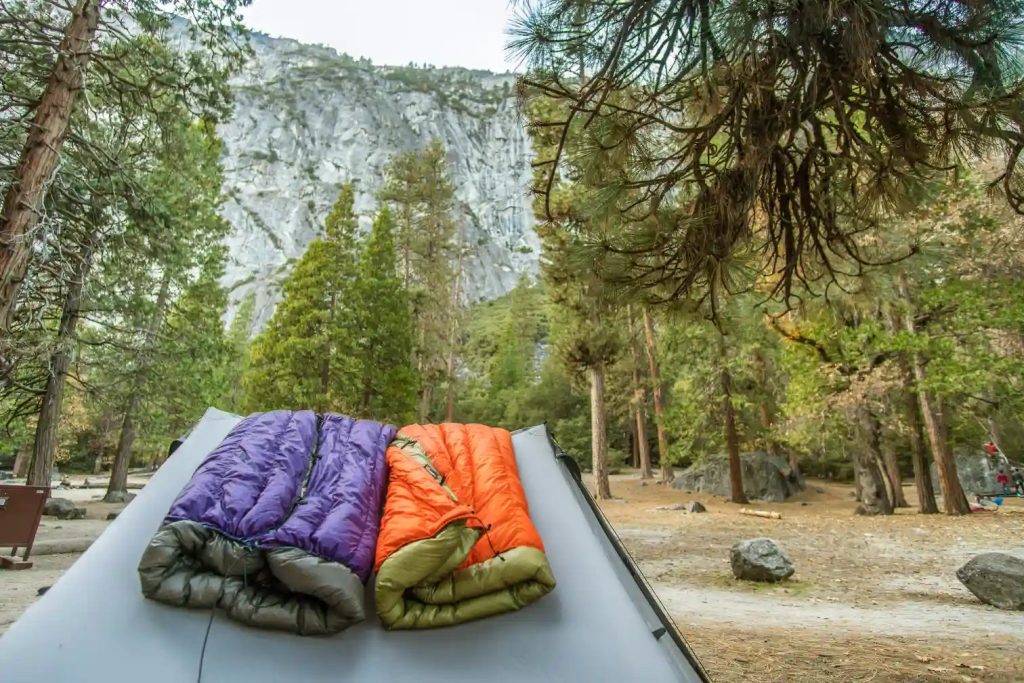
Choosing the right sleeping bag can make or break your outdoor experience. You want to stay warm, comfortable, and cozy all night long.
But with so many options out there, how do you know which one fits your needs? This guide will help you find the perfect sleeping bag by focusing on what really matters—so you can rest easy and enjoy every adventure ahead.
Keep reading to discover the key features you should never overlook.

Credit: www.gearx.com
Sleeping Bag Types
Choosing the right sleeping bag is key to a good night’s sleep outdoors. Different types fit different needs and climates.
Understanding the main sleeping bag types helps you pick one that suits your trip and comfort level.
Mummy Vs. Rectangular
Mummy bags are tapered and fit closely around the body. They keep heat better and are lighter to carry.
Rectangular bags are roomier and allow more movement. They are heavier and less warm than mummy bags.
- Mummy Bags:Warm, light, shaped to reduce heat loss
- Rectangular Bags:Spacious, heavier, good for mild weather
Hybrid Designs
Hybrid sleeping bags combine features from different styles. They aim to balance warmth, weight, and comfort.
Some hybrids have adjustable shapes or extra insulation where needed. These designs fit more users and conditions.
- Adjustable hoods or collars for better heat control
- Mix of insulation types for warmth and weight savings
- Convertible shapes to offer more space or snug fit
Season Ratings
Sleeping bags have season ratings to show what weather they suit. Ratings range from summer to winter bags.
Pick a bag that matches the coldest temperature you expect. Using the right rating keeps you warm and safe.
| Season | Temperature Range | Use Case |
|---|---|---|
| Summer | Above 35°F (2°C) | Warm weather camping |
| 3-Season | 20°F to 35°F (-7°C to 2°C) | Spring, summer, fall |
| Winter | Below 20°F (-7°C) | Cold and snowy conditions |
Insulation Materials
Choosing the right insulation material is key for a warm and comfortable sleeping bag. Insulation keeps you warm by trapping body heat. Two main types of insulation are down and synthetic fill.
Each insulation type has unique qualities. Knowing their features helps you pick the best sleeping bag for your needs.
Down Insulation
Down insulation uses soft feathers from ducks or geese. It is very light and compresses easily, making it great for backpacking. Down works best in dry conditions and offers excellent warmth.
Synthetic Fill
Synthetic fill is made from man-made fibers. It keeps warmth even when wet and dries faster than down. Synthetic sleeping bags usually cost less and are easier to clean.
Pros And Cons
| Insulation Type | Pros | Cons |
|---|---|---|
| Down Insulation |
|
|
| Synthetic Fill |
|
|
Temperature Ratings
When choosing a sleeping bag, temperature ratings are crucial. They tell you the lowest temperature at which the bag will keep you warm. Understanding these ratings helps you pick the right sleeping bag for your needs.
Each sleeping bag has a comfort and a limit rating. The comfort rating tells you the temperature at which you will sleep comfortably. The limit rating indicates the lowest temperature at which the bag will keep you safe from the cold.
Comfort Vs. Limit
Comfort ratings are for average users in a relaxed position. They ensure a good night’s sleep without feeling cold. Limit ratings are for more experienced users who can withstand colder conditions. This rating is for survival, not comfort.
Knowing the difference helps you choose the right bag. If you camp in cold weather, look at the limit rating. For mild weather, focus on the comfort rating.
Seasonal Considerations
The season affects which temperature rating you need. Summer bags have higher comfort ratings. Winter bags have lower limit ratings to keep you warm in freezing weather.
Consider where and when you will use the sleeping bag. A three-season bag is versatile for spring, summer, and fall. For winter, choose a bag with a lower limit rating.
- Summer: Higher comfort rating
- Spring/Fall: Moderate comfort and limit ratings
- Winter: Lower limit rating for extreme cold
Size And Fit
Choosing the right size and fit for your sleeping bag is important for comfort and warmth. A bag that is too small can feel tight and restrict movement. A bag that is too large may not keep you warm enough.
Look closely at the length and width to make sure the sleeping bag fits your body well. Also, consider the weight and packability if you plan to carry it on trips.
Length And Width
Sleeping bags come in different lengths and widths to fit various body sizes. It is best to pick one that matches your height and shoulder width.
- Length: Your sleeping bag should be about 6 inches longer than your height.
- Width: Check the shoulder and hip width to avoid tightness.
- Try a mummy-shaped bag if you want less space and more warmth.
- Rectangular bags offer more room but may lose heat faster.
Weight And Packability
Weight and packability matter if you carry your sleeping bag in a backpack. A lighter bag is easier to carry but might have less insulation.
| Feature | Benefit | Consideration |
| Weight | Easier to carry on long trips | May be less warm |
| Packability | Fits into small spaces | Material may be more delicate |
| Insulation Type | Down is light and warm | Can lose warmth if wet |
| Synthetic Fill | Dries quickly | Usually heavier |
Additional Features
Choosing the right sleeping bag means looking beyond warmth and size. Additional features can make your camping experience better.
These features add comfort, convenience, and protection from cold air and moisture.
Hood Design
A sleeping bag hood keeps your head warm and blocks wind. Look for hoods with adjustable drawstrings.
Some hoods have extra padding for comfort. Others fit snugly to trap heat better.
- Adjustable drawstrings help seal warmth
- Padded hoods add extra comfort
- Snug fit blocks cold air effectively
Zipper Placement
Zipper placement affects ease of use and warmth. Most sleeping bags have side zippers, but check which side suits you.
Look for zippers that open fully for easy entry and exit. Some bags have two-way zippers for better ventilation.
- Side zippers should match your sleeping position
- Full-length zippers allow easy access
- Two-way zippers improve airflow control
Pockets And Draft Collars
Internal pockets provide safe space for small items like phones or flashlights. They keep essentials close and dry.
Draft collars seal the gap around your neck to keep cold air out. They are important for cold weather camping.
- Internal pockets keep valuables safe and handy
- Draft collars reduce heat loss around your neck
- Both features add to overall comfort

Credit: www.gearx.com
Materials And Durability
Choosing the right materials is important for a sleeping bag’s durability. Strong fabrics last longer and protect you well.
Good materials keep the bag light but tough. This helps during outdoor trips and rough use.
Shell Fabrics
The shell fabric is the outer layer of a sleeping bag. It needs to be strong and resistant to tears.
Common fabrics include nylon and polyester. Nylon is light and durable. Polyester resists water and drying.
- Nylon: Lightweight, strong, and tear-resistant
- Polyester: Water-resistant and quick-drying
- Ripstop fabrics: Extra tough with a grid pattern
Water Resistance
Water resistance stops moisture from soaking the sleeping bag. Wet bags lose warmth and get heavy.
Look for bags with a durable water repellent (DWR) coating. This helps water bead off the surface.
- DWR coating adds water resistance
- Waterproof membranes block water fully
- Sealed seams stop water leaks
Care And Maintenance
Taking care of your sleeping bag keeps it durable and clean. Proper care extends its life.
Store bags dry and loose. Wash them gently with mild soap. Avoid strong detergents and high heat.
- Air dry completely before storage
- Use mild soap for washing
- Store in a large sack, not compressed
- Fix small tears quickly to avoid bigger damage
Budget And Brand Choices
Choosing the right sleeping bag depends a lot on your budget and favorite brands. Knowing what fits your price range helps you find good quality.
Brands vary in features, durability, and price. Picking a trusted brand gives more value for your money.
Affordable Options
Affordable sleeping bags work well for casual camping or short trips. They are light and easy to carry but may lack extra features.
Look for bags made with synthetic insulation. They dry quickly and cost less. Check user reviews to find reliable budget choices.
- Simple designs with basic insulation
- Good for warm weather camping
- Lightweight and easy to pack
- Brands like Coleman and Teton Sports offer budget models
Premium Picks
Premium sleeping bags give more comfort and warmth in cold conditions. They use high-quality materials like down insulation.
These bags often have extra features such as water resistance and special shapes for better heat retention. They cost more but last longer.
- Down insulation for better warmth-to-weight ratio
- Water-resistant shells keep you dry
- Ergonomic designs for comfort
- Popular brands include Marmot and The North Face
Warranty And Support
Check the warranty before buying a sleeping bag. Good brands offer repairs or replacements for defects.
Customer support helps with questions and problems after purchase. This service adds peace of mind.
- Look for at least a one-year warranty
- Read the terms carefully for coverage details
- Choose brands with good customer service reputations
- Keep your receipt and register the product if possible

Credit: www.rei.com
Frequently Asked Questions
What Temperature Rating Should My Sleeping Bag Have?
Choose a sleeping bag with a temperature rating suited to your camping climate. It should keep you warm in expected conditions. Always pick a bag rated slightly lower than the coldest temperature you expect. This ensures comfort and safety during your outdoor adventures.
Which Sleeping Bag Shape Is Best For Comfort?
Mummy-shaped sleeping bags offer warmth and are lightweight, ideal for colder weather. Rectangular bags provide more space and comfort, great for mild climates. Consider your sleeping style and temperature needs to select the best shape for your comfort and convenience.
How Important Is Sleeping Bag Insulation Type?
Insulation affects warmth, weight, and pack size. Down insulation is lightweight, compressible, and warm but costly. Synthetic insulation is affordable, water-resistant, and retains warmth when wet. Choose based on your budget, weather conditions, and personal preference for optimal comfort.
What Size Sleeping Bag Should I Choose?
Select a sleeping bag that fits your height and body size comfortably. A bag too small restricts movement; too large reduces insulation efficiency. Check manufacturer size charts to find the right fit, ensuring warmth and ease during sleep.
Conclusion
Choosing the right sleeping bag helps you rest well outdoors. Think about temperature, size, and weight first. A good sleeping bag keeps you warm and comfortable. Check the material and insulation types carefully. Pick one that fits your camping style best.
This way, your outdoor trips stay cozy and fun. Remember, a smart choice means better sleep and more energy. Sleep tight under the stars.