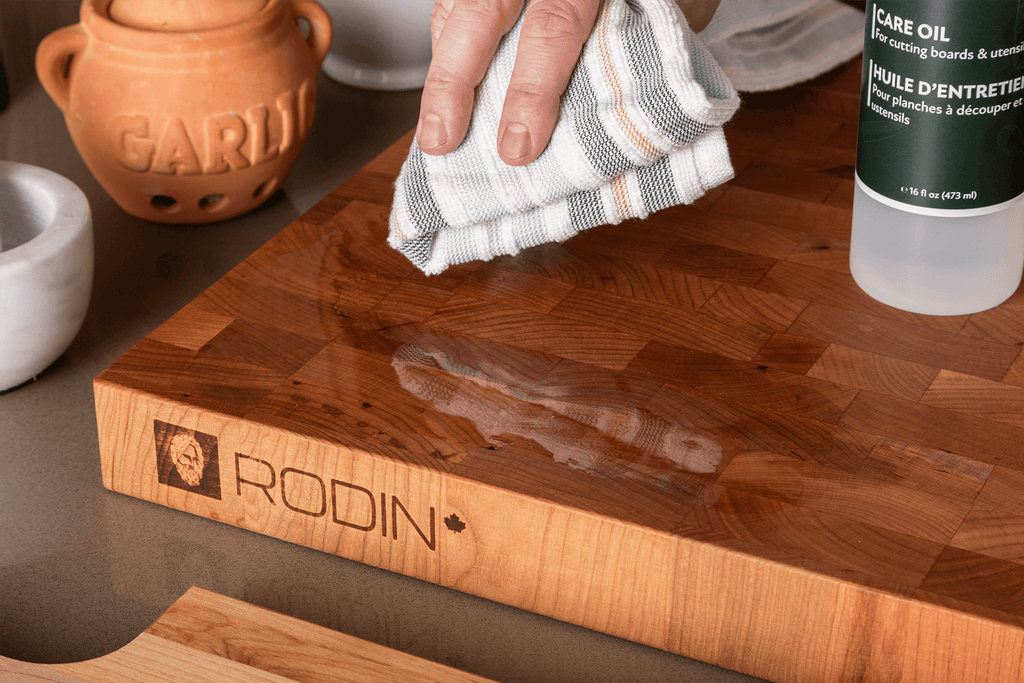
Your cutting board works hard every day, chopping, slicing, and dicing all your favorite ingredients. But how often do you think about caring for it?
Oiling your cutting board is the secret to keeping it strong, smooth, and bacteria-free. If you’ve ever wondered what to oil a cutting board with, you’re in the right place. You’ll discover simple, safe oils that protect your board and make it last for years.
Keep reading to learn how to give your cutting board the care it deserves—your kitchen will thank you.

Credit: www.amazon.ca
Choosing The Right Oil
Oiling a cutting board keeps it safe and strong. It stops the wood from drying out and cracking.
Choosing the right oil is important. Not all oils work well or are safe for food contact.
Food-safe Oils
Food-safe oils do not spoil or harm your health. They help protect the wood without making it sticky.
These oils soak into the wood and create a water-resistant surface. They keep your board clean and smooth.
- Mineral oil
- Fractionated coconut oil
- Pure tung oil
- Walnut oil (if no nut allergies)
Mineral Oil Benefits
Mineral oil is popular for cutting boards. It is cheap, easy to find, and safe to use on food items.
This oil does not go bad or smell. It soaks well and helps stop water damage and stains on wood.
- Colorless and odorless
- Does not turn rancid
- Penetrates wood deeply
- Easy to apply and reapply
Natural Oils To Avoid
Some natural oils can spoil and make your board sticky. Avoid these oils for cutting boards.
These oils can turn rancid and smell bad over time. They may also attract dirt and bacteria.
- Olive oil
- Vegetable oil
- Canola oil
- Walnut oil (if allergies are a concern)
Specialty Oils For Wood
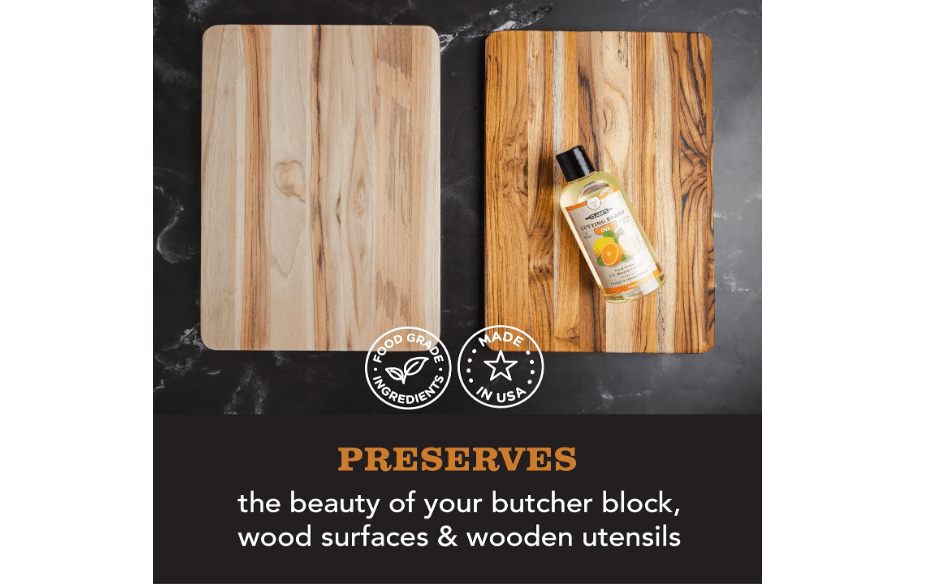
Some specialty oils are made for wood care. They protect wood well and are safe for food contact.
Pure tung oil and beeswax blends are common options. They create a strong, water-resistant finish.
- Tung oil: natural and durable
- Beeswax: adds shine and protection
- Blends of oil and wax for best results
- Must be 100% pure without additives
Credit: treecarezone.com
Preparing Your Cutting Board
Taking care of your cutting board before oiling keeps it safe and lasts longer. Proper prep removes dirt and smells.
Follow simple steps to clean, dry, and remove stains for the best results.
Cleaning Before Oiling
Wash your cutting board with warm water and mild soap. Use a sponge or soft brush to scrub the surface gently.
- Rinse thoroughly with clean water
- Do not soak the board in water for a long time
- Avoid harsh chemicals that can damage the wood
Drying Techniques
Dry your cutting board completely before oiling. Moisture can stop the oil from soaking in well.
- Pat dry with a clean towel
- Stand the board upright to air dry
- Keep it in a well-ventilated area
- Avoid direct sunlight to prevent warping
Removing Stains And Odors
| Natural Cleaner | Use | Effect |
|---|---|---|
| Baking Soda | Sprinkle and scrub with lemon | Removes stains and odors |
| White Vinegar | Wipe surface with diluted vinegar | Kills bacteria and neutralizes smell |
| Salt | Rub with half a lemon and salt | Brightens and cleans deep stains |
Use these natural cleaners before oiling to keep your board fresh and ready.
How To Apply Oil
Oiling a cutting board keeps it strong and clean. It stops the wood from drying out and cracking.
Applying oil is easy if you have the right tools and follow the steps carefully.
Tools You Need
Use simple tools to oil your cutting board. These help you spread oil evenly and clean up after.
- Food-safe mineral oil or cutting board oil
- Clean, soft cloth or paper towels
- Optional: Small brush for hard-to-reach spots
- Optional: Gloves to protect your hands
Step-by-step Application
Start with a clean, dry cutting board. Remove crumbs and moisture before oiling.
- Pour a small amount of oil on the board’s surface.
- Use a cloth to rub the oil in circular motions.
- Cover all sides, including edges and bottom.
- Let the oil soak in for at least 20 minutes.
- Wipe off any extra oil with a clean cloth.
How Much Oil To Use
Use enough oil to cover the board without pooling. Too much oil can make the surface sticky.
- A few tablespoons for a medium-sized cutting board
- Spread the oil evenly using a cloth
- Apply more if the board absorbs it quickly
Frequency Of Oiling
Oil your cutting board regularly to keep it in good shape. The frequency depends on use.
- Oiling once a month is good for occasional use
- For heavy use, oil every 1-2 weeks
- Always oil when the wood looks dry or dull
Maintaining Your Board
Oiling your cutting board helps keep it strong and safe to use. It stops the wood from drying out and cracking. Proper care can make your board last longer and look better.
Using the right oil and cleaning your board regularly are key parts of maintenance. This guide explains how to care for your cutting board with simple steps.
Regular Cleaning Tips
Clean your cutting board after each use. Use warm water and mild soap. Avoid soaking it in water or putting it in the dishwasher.
Dry your board well with a towel. Let it air dry standing up. This stops water from damaging the wood.
- Use a soft sponge or cloth to clean
- Do not use harsh chemicals or bleach
- Rinse quickly and dry immediately
- Sanitize with vinegar or lemon if needed
When To Reapply Oil
Oil your cutting board when it looks dry or dull. This can be once a month or more if you use it often. A well-oiled board feels smooth and has a slight shine.
Apply oil evenly with a clean cloth. Let it soak in for a few hours or overnight. Wipe off any extra oil before using the board again.
- Check for dry spots or cracks
- Oil after cleaning and drying completely
- Use food-safe oils like mineral or walnut oil
- Do not use cooking oils that can go rancid
Avoiding Common Mistakes
Do not use vegetable or olive oil on your board. These oils can go bad and smell bad. Only use oils made for cutting boards.
Do not soak or wash your board in the dishwasher. This can cause warping and cracks. Also, do not leave your board wet for long.
- Avoid harsh scrubbing with steel wool
- Do not mix different types of oil
- Keep your board dry when not in use
- Store in a cool, dry place
Alternative Treatments
Oiling a cutting board keeps it safe and lasts longer. Many options exist beyond just mineral oil. These alternative treatments can protect wood naturally.
Choose the right method based on your board type and use. Let’s look at beeswax blends, homemade recipes, and when to sand your board.
Beeswax And Oil Blends
Beeswax mixed with oil forms a solid layer that shields wood from moisture. This blend seals the board and adds a smooth finish.
- Mix 1 part beeswax with 4 parts mineral oil or food-safe oil.
- Warm the mixture until beeswax melts, then cool it into a paste.
- Apply the paste with a cloth and let it soak for a few hours.
- Buff the board to remove excess and add shine.
Homemade Conditioning Recipes
Many homemade recipes use natural oils and waxes to condition boards. These are easy to make and safe for food contact.
| Recipe | Ingredients | Use |
| Coconut Oil and Beeswax | 1 cup coconut oil, 1/4 cup beeswax | Moisturizes and seals wood |
| Olive Oil and Carnauba Wax | 1 cup olive oil, 2 tbsp carnauba wax | Protects and polishes |
| Walnut Oil Mix | 100% walnut oil | Penetrates wood and repels water |
When To Sand And Refinish
Cutting boards need sanding if they show deep cuts or stains. Sanding removes damage and smooths the surface.
- Check for rough spots or deep knife marks.
- Use fine to medium grit sandpaper to remove the top layer.
- Clean the board well after sanding.
- Apply your chosen oil or wax blend to seal it again.

Credit: www.amazon.ca
Frequently Asked Questions
What Oil Is Best For Cutting Boards?
Mineral oil is the best choice for cutting boards. It is food-safe, odorless, and protects the wood. It prevents the board from drying out and cracking. Other options include beeswax and coconut oil. Avoid vegetable oils as they can become rancid over time.
How Often Should I Oil My Cutting Board?
Oil your cutting board once a month to maintain its condition. Regular oiling keeps the board in top shape. If used frequently, consider oiling every two weeks. This helps prevent cracking and warping. Adjust the frequency based on usage and climate.
Can I Use Olive Oil On Cutting Boards?
Avoid using olive oil on cutting boards. Olive oil can turn rancid and leave an unpleasant smell. It is not suitable for long-term use on wood. Instead, opt for mineral oil or beeswax. These options provide better protection and longevity.
How Do I Apply Oil To A Cutting Board?
To oil a cutting board, pour a small amount of oil onto the surface. Use a clean cloth to spread it evenly. Ensure all parts are covered, including the edges. Let it absorb for a few hours, then wipe off excess oil.
Repeat as necessary.
Conclusion
Oiling a cutting board keeps it strong and clean. Choose food-safe oils like mineral or walnut oil. Avoid cooking oils that can go bad quickly. Regular oiling stops wood from drying and cracking. It also helps keep your board safe from bacteria.
Treat your cutting board well for a long life. Simple care makes a big difference. Your kitchen will stay fresh and ready for use. Keep oiling often for the best results. Easy steps lead to a happy, healthy cutting board.