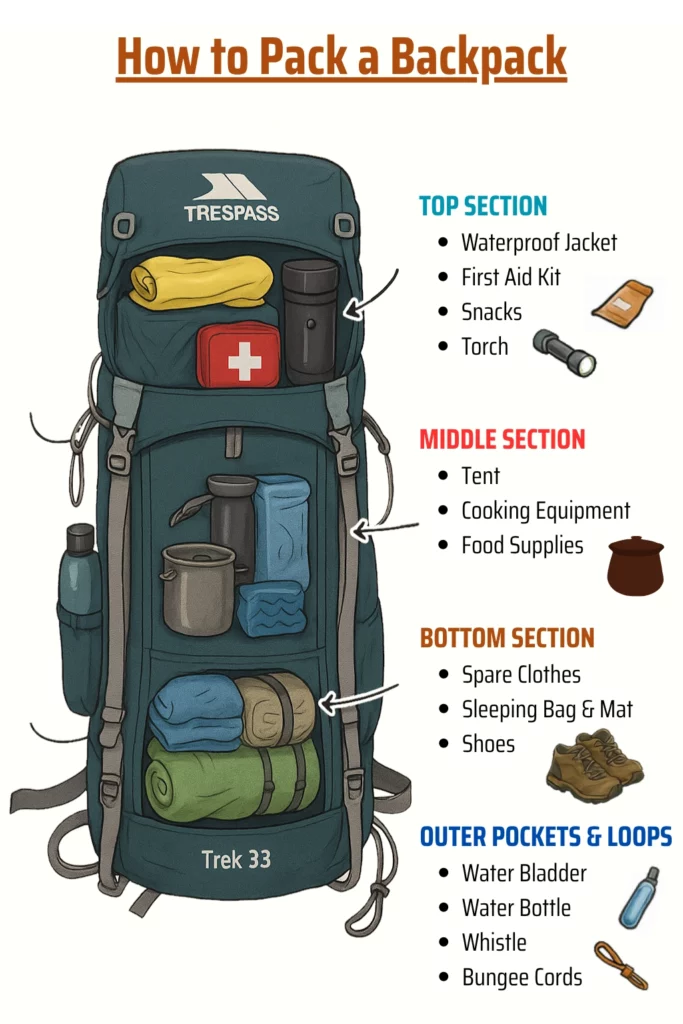
Planning a hiking trip? Knowing exactly what to pack can make the difference between an unforgettable adventure and a frustrating struggle.
You don’t want to carry too much, but you also can’t afford to leave behind essentials that keep you safe and comfortable. You’ll discover a simple, smart packing list designed to fit your needs, no matter the trail. Keep reading to make sure your next hike is easy, enjoyable, and worry-free.
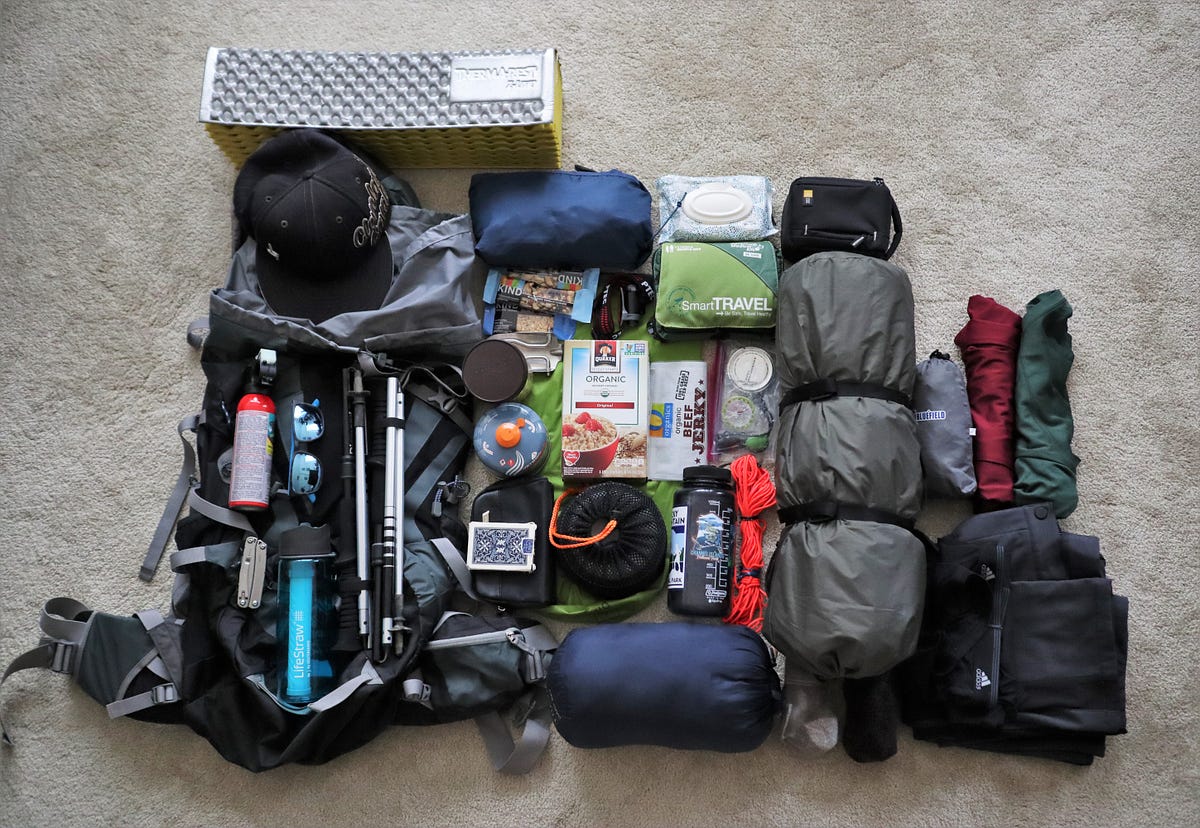
Credit: pangolinswithpacks.com
Choosing The Right Backpack
Picking the right backpack is key for a good hiking trip. Your backpack holds all your gear and affects your comfort.
Choose a backpack that fits your needs and feels good on your back. This helps you carry your items safely.
Backpack Sizes And Types
Backpacks come in different sizes and types for various hikes. Choose size based on how long your trip will be.
Daypacks are small and good for short trips. Larger backpacks fit more gear for longer hikes.
- Daypacks: 15-30 liters, for short hikes
- Weekend packs: 30-50 liters, for 1-3 days
- Multi-day packs: 50+ liters, for longer trips
- Hydration packs: small, with water reservoirs
Features To Look For
Look for features that make carrying easier and keep your items safe. Comfort and accessibility matter.
- Padded shoulder straps and hip belts help reduce strain
- Adjustable straps allow a better fit
- Multiple compartments help organize gear
- Water-resistant material protects your items
- Ventilation helps keep your back cool
- Attachment points for tools like trekking poles
Packing Tips For Balance
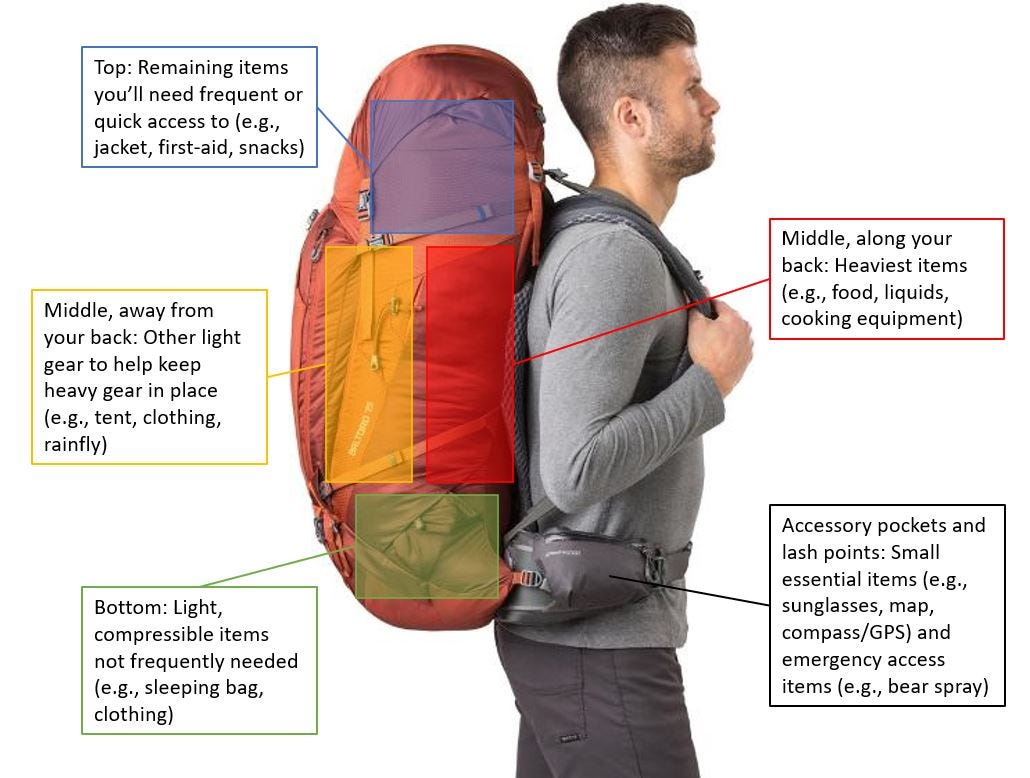
Packing your backpack well keeps it balanced and comfortable. Place heavy items close to your back.
Distribute weight evenly to avoid strain. Keep frequently used items easy to reach.
- Pack heavy gear near your spine and center
- Put lighter items farther away from your back
- Use side pockets for small, quick-access items
- Keep the load stable and tight with compression straps
- Avoid overpacking to reduce weight
Credit: pangolinswithpacks.com
Clothing Essentials
Choosing the right clothes is key for a safe and fun hiking trip. Clothes keep you warm, dry, and comfortable.
Weather changes fast outdoors. Bring layers and proper gear to stay ready for anything.
Layering For Weather
Layering helps you adjust to changing temperatures. It also protects you from wind and rain.
- Base layer:Wear moisture-wicking shirts and leggings to keep sweat off your skin.
- Middle layer:Use fleece or wool for warmth.
- Outer layer:Choose a waterproof and breathable jacket to block wind and rain.
Footwear Choices
Good shoes protect your feet and give support on rough trails. Pick boots or shoes that fit well and match the terrain.
| Type | Best For | Features |
| Hiking boots | Rocky or uneven trails | High ankle support, tough soles |
| Trail running shoes | Light, fast hikes | Lightweight, flexible, good grip |
| Hiking sandals | Hot weather and water crossings | Breathable, quick drying |
Accessories And Protection
Accessories keep you safe from the sun, bugs, and cold. They also add comfort on the trail.
- Hat or cap for sun protection
- Sunglasses with UV protection
- Light gloves for cool weather
- Buff or neck gaiter to shield your face
- Sunscreen and insect repellent
Navigation Tools
Having the right navigation tools is key for a safe hike. These tools help you find your path and avoid getting lost.
It is smart to carry more than one type of navigation aid. This way, you stay prepared for different situations.
Maps And Compasses
Paper maps and compasses are reliable tools that do not need batteries. They work well in all weather and signal conditions.
- Choose a detailed topographic map of your hiking area.
- Learn how to read the map and use a compass before hiking.
- Practice orienting the map with the compass to find directions.
- Keep the map in a waterproof case to protect it from rain.
Gps Devices
GPS devices use satellites to show your exact location. They are easy to use but need batteries to work.
| Feature | Benefit |
| Satellite Signal | Shows precise location anywhere |
| Battery Life | Lasts several hours to days |
| Preloaded Maps | Helps track trails and landmarks |
| Water Resistance | Works in wet conditions |
Smartphone Apps
Many hikers use smartphone apps for navigation. These apps often combine maps, GPS, and extra info in one place.
- Download maps for offline use before your trip.
- Carry a portable charger to keep your phone powered.
- Check app updates and features regularly.
- Use apps that allow marking waypoints and routes.
Safety And First Aid
Hiking can be fun but also risky without safety gear. It is smart to pack first aid and safety items.
These tools help you handle injuries and stay safe in the wild. Always be ready for unexpected situations.
Basic First Aid Kit Items
A first aid kit helps treat small injuries like cuts or scrapes. Carrying one is important on every hike.
Include items that cover common problems such as pain, bleeding, and insect bites.
- Adhesive bandages in various sizes
- Antiseptic wipes or solution
- Sterile gauze pads and adhesive tape
- Elastic bandage for sprains
- Small scissors and tweezers
- Pain relievers like ibuprofen or acetaminophen
- Insect bite cream or antihistamine
- Disposable gloves
Emergency Signaling Devices
Emergency signaling devices help rescuers find you if you get lost. They are crucial for safety in remote areas.
These devices can send signals using light, sound, or radio waves.
- Whistle to make loud sounds
- Bright flashlight or headlamp
- Signal mirror to reflect sunlight
- Personal locator beacon (PLB) or GPS device
Personal Safety Gear
Personal safety gear protects you from injuries and helps in tough situations. Wear and carry gear that fits your hike.
Choose items that improve your comfort and reduce risks on the trail.
- Proper hiking boots for foot support
- Sun protection: hat, sunglasses, and sunscreen
- Insect repellent to avoid bites
- Gloves for hand protection
- Emergency blanket to keep warm
Food And Hydration
Packing the right food and water is key for a safe hiking trip. Good nutrition keeps your energy up. Clean water helps you stay healthy.
Plan your meals and water carefully. Bring enough supplies for the whole hike. Think about weight and how long your trip will last.
Meal Planning
Choose foods that are light, filling, and easy to carry. Pick items with good nutrition and long shelf life. Avoid foods that spoil quickly or need cooking.
- Trail mix with nuts and dried fruits
- Energy bars or granola bars
- Jerky or dried meats
- Instant oatmeal or dehydrated meals
- Fresh fruits like apples or oranges
- Hard cheeses or peanut butter packets
Water Storage Options
Bring enough water containers to hold what you need. Pick containers that are light and strong. Make sure they fit well in your pack.
| Container Type | Capacity | Weight | Best Use |
| Hydration Bladder | 1-3 liters | Light | Easy sipping while hiking |
| Plastic Water Bottles | 0.5-1 liter | Medium | Simple and durable |
| Collapsible Bottles | 0.5-1 liter | Very light | Save space when empty |
| Metal Bottles | 0.5-1 liter | Heavy | Keep water cool or hot |
Water Purification Methods
Always purify water from lakes, rivers, or streams. This stops harmful germs and keeps you safe. Choose a method that suits your hike length and pack weight.
- Boiling water for at least one minute
- Water purification tablets or drops
- Portable water filters
- Ultraviolet (UV) light purifiers
Shelter And Sleeping Gear
Packing the right shelter and sleeping gear is important for a safe hike. These items keep you warm and dry at night. They help you rest well for the next day’s adventure.
Choosing light and easy-to-carry gear will make your hike more comfortable. Think about the weather and the length of your trip when packing.
Tents And Tarps
Tents provide full protection from rain, wind, and bugs. They come in different sizes and weights. Pick one that fits your group and gear weight limits.
Tarps are a lighter option. They offer some shelter from rain and sun but less protection from bugs. Use a tarp if you want to save weight and space.
- Tents: good for bad weather and privacy
- Tarps: light and quick to set up
- Check tent or tarp weight before packing
- Bring stakes and cords for setup
Sleeping Bags And Pads
Sleeping bags keep you warm at night. Choose one rated for the coldest temperature you expect. Synthetic bags dry faster, down bags are lighter and warmer.
Sleeping pads add comfort and insulation from the cold ground. They help you sleep better and protect your bag from moisture.
- Check temperature rating on sleeping bag
- Use a sleeping pad for comfort and warmth
- Inflatable pads are light and compact
- Foam pads are durable and cheap
Emergency Shelters
Emergency shelters are small and easy to carry. They protect you if your main shelter fails or in bad weather. Carry one for safety on every hike.
Common types include space blankets, bivy sacks, and emergency tents. They are not for long stays but can save your life in an emergency.
- Space blankets reflect body heat
- Bivy sacks protect sleeping bags from rain
- Emergency tents offer quick shelter
- Always pack an emergency shelter for safety
Tools And Accessories
Packing the right tools and accessories makes your hiking trip safer. These items help with emergencies and daily tasks.
Choose tools that are lightweight and easy to carry. Bring only what you need to keep your pack light.
Multipurpose Knives And Tools
A good multipurpose knife is a must-have for hiking. It can cut rope, open packages, and prepare food.
Look for tools with extra features like screwdrivers, scissors, and can openers. These add convenience without extra weight.
- Folding knife with locking blade
- Multi-tool with pliers and screwdrivers
- Compact scissors and bottle opener
Lighting Options
Lighting is important if you hike early or late in the day. It helps you see the trail and stay safe.
Carry a headlamp for hands-free light. Bring extra batteries or a small flashlight as backup.
- Headlamp with adjustable brightness
- Compact flashlight with spare batteries
- Glow sticks for emergency signaling
Fire Starting Supplies
Fire helps keep you warm and cooks food. Always bring reliable fire starters on your hike.
Matchboxes and lighters work well. Carry waterproof options to stay ready in wet weather.
- Waterproof matches in a sealed container
- Windproof lighter with extra fuel
- Firestarter sticks or cotton balls with wax
Personal Items
Packing personal items for hiking is important for comfort and safety. These items help you stay clean and protected.
Carrying the right personal items makes your hike more enjoyable and stress-free. Plan carefully to avoid forgetting essentials.
Sunscreen And Insect Repellent
Sunscreen protects your skin from harmful sun rays. Apply it before you start hiking and reapply as needed.
Insect repellent keeps bugs away and prevents bites. Use it on exposed skin and clothes, especially near water or woods.
- Choose sunscreen with SPF 30 or higher
- Use water-resistant sunscreen for sweating
- Pick insect repellent with DEET or natural alternatives
- Carry small bottles for easy use during breaks
Personal Hygiene
Keeping clean on the trail helps you feel fresh and prevents skin problems. Pack small, light hygiene items.
Bring essentials like wet wipes, hand sanitizer, and a small towel. These items take little space and are easy to use.
- Wet wipes for quick cleaning
- Hand sanitizer to kill germs
- Small towel or bandana for sweat
- Toilet paper or biodegradable tissues
Documentation And Money
Carry identification and some money in case of emergencies. Keep them in a waterproof pouch to stay safe.
Bring a copy of your ID and any permits needed. Cash helps if electronic payments are not accepted.
- Photo ID or driver’s license
- Health insurance card
- Cash in small bills
- Trail permits or passes
- Waterproof pouch or ziplock bag

Credit: www.trialbytrail.com
Frequently Asked Questions
What Essential Items Should I Pack For A Day Hike?
Pack water, snacks, a map, first aid kit, sun protection, and weather-appropriate clothing. These essentials ensure safety and comfort during your hike.
How Do I Pack Light But Stay Prepared For Hiking?
Choose multi-use gear, pack only necessary items, and prioritize lightweight, compact equipment. This balances preparedness with minimizing pack weight.
What Clothing Is Best For Hiking In Varying Weather?
Wear moisture-wicking base layers, insulating mid-layers, and a waterproof outer layer. This combination adapts to changing weather and keeps you comfortable.
Should I Bring A First Aid Kit On Every Hike?
Yes, always carry a basic first aid kit. It helps manage minor injuries and emergencies while hiking.
Conclusion
Packing smart makes your hiking trip safe and fun. Choose items that fit the weather and trail length. Keep your backpack light but include essentials like water, food, and a first aid kit. Wear comfortable shoes and bring extra clothes for changes in weather.
Always plan for emergencies. With the right gear, you can enjoy nature without worries. Ready for your next adventure? Just pack wisely and enjoy every step.