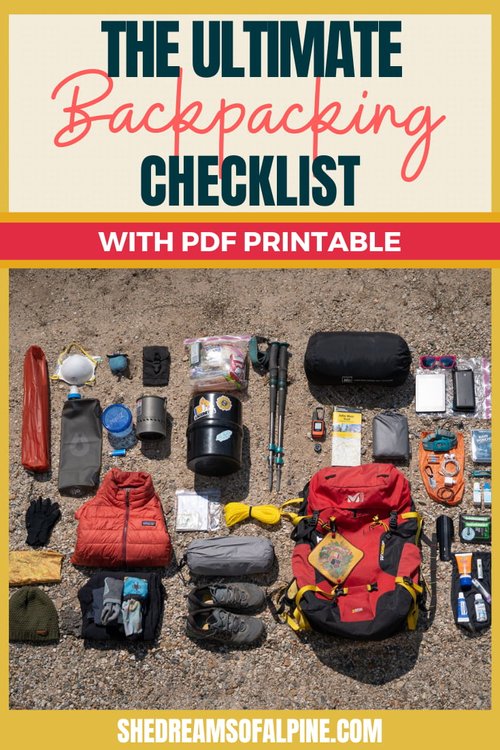
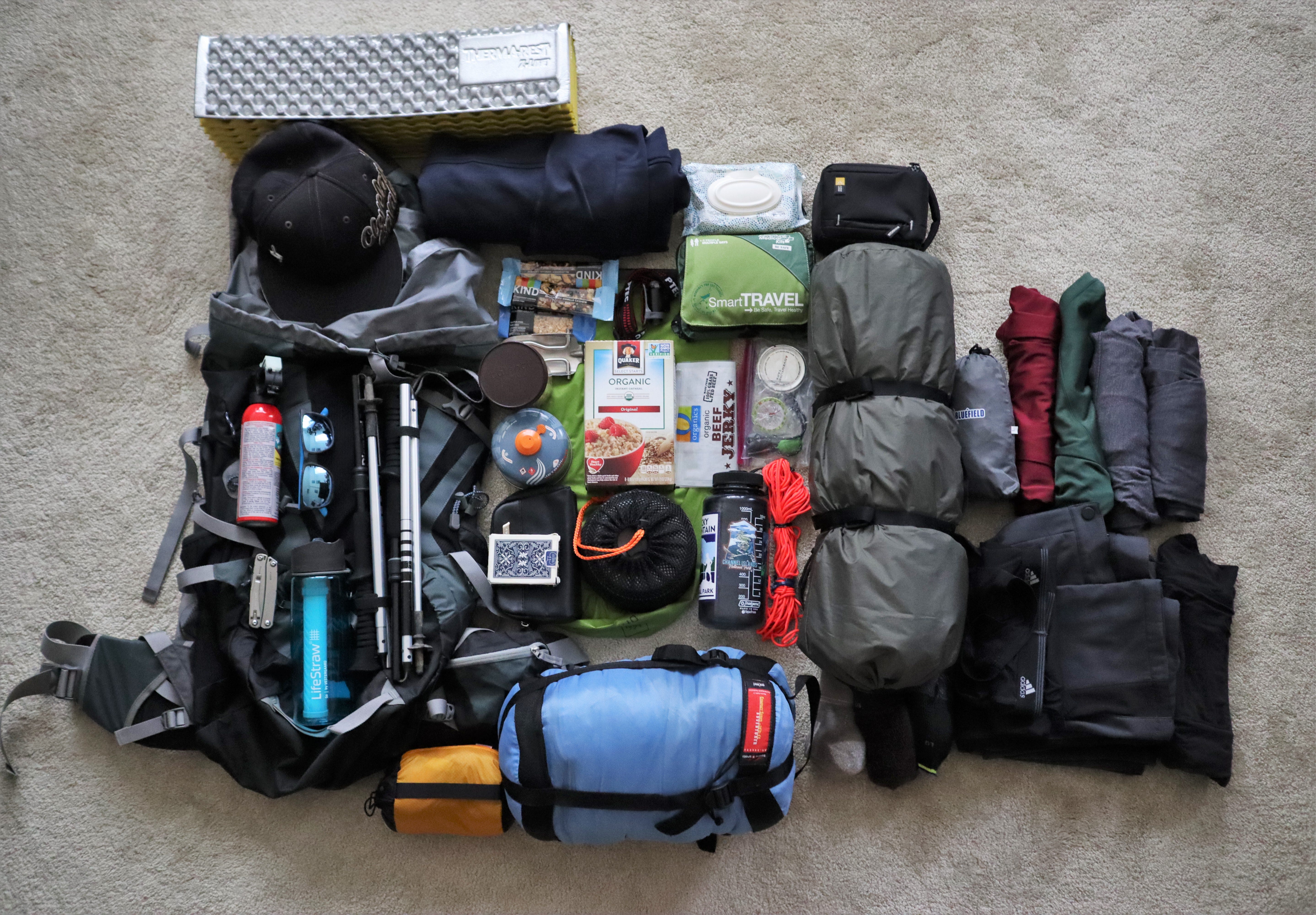
Packing the right items in your hiking backpack can make all the difference between an enjoyable adventure and a tough, uncomfortable trek. You might be wondering what essentials you truly need without overloading yourself.
This guide will help you pack smart, stay safe, and feel prepared no matter where your hike takes you. Ready to discover the must-have gear that will keep you comfortable and confident on the trail? Keep reading to find out exactly what to pack in your hiking backpack.
Backpack Basics
When preparing for a hiking trip, packing the right items in your backpack is crucial. Understanding the basics of backpacking ensures a safe and enjoyable journey.
From selecting the right size to packing efficiently, every detail contributes to a balanced load. Let’s explore how to get it right.
Choosing The Right Size
The size of your backpack depends on the length of your trip and what you’ll need. A well-fitted backpack distributes weight evenly across your back.
| Trip Duration | Backpack Size |
| Day Trip | 20-30 liters |
| Weekend | 30-50 liters |
| Week-long | 50-70 liters |
Packing Tips For Balance
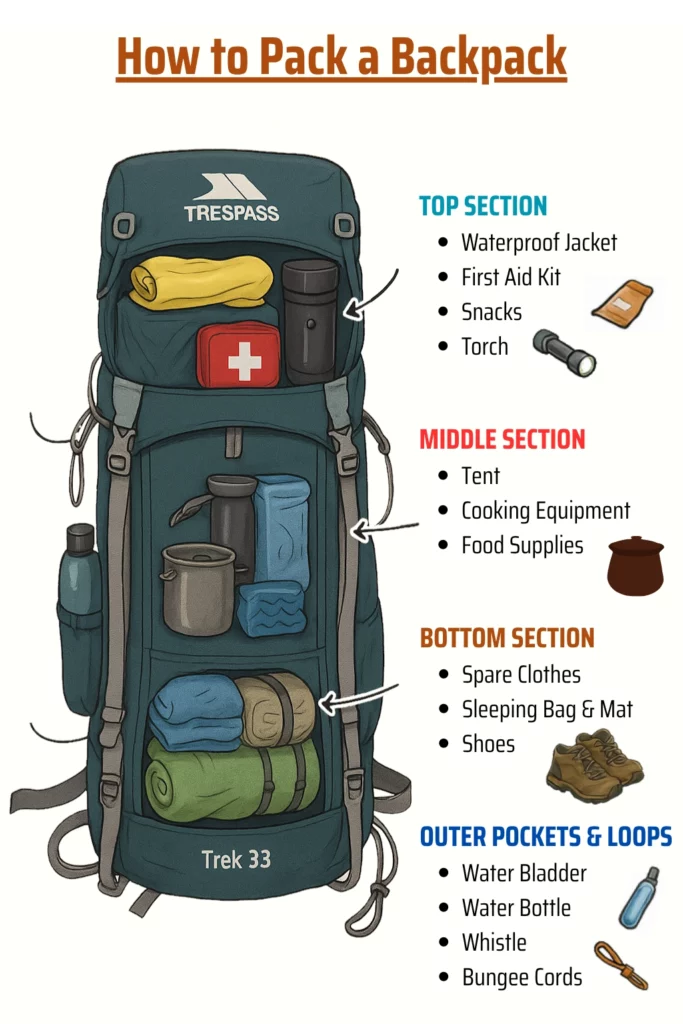
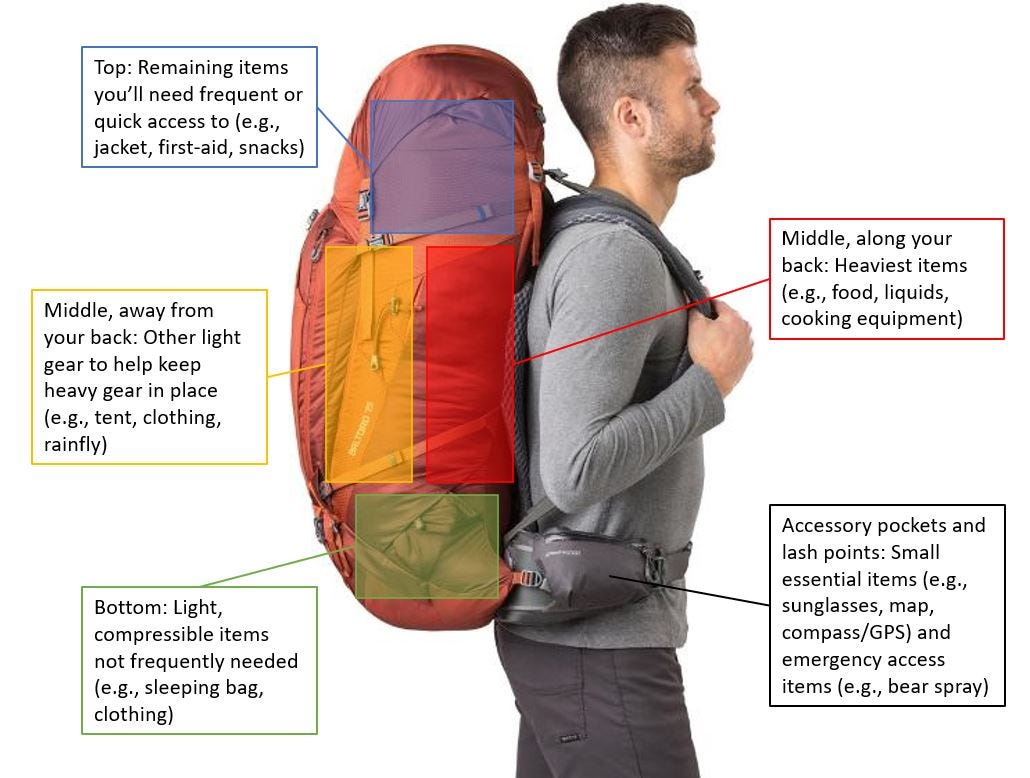
Packing your backpack correctly is key to maintaining balance and comfort. Distribute weight evenly to avoid strain on your back.
- Place the heaviest items closest to your back.
- Fill the bottom with sleeping gear and lighter items.
- Keep frequently used items at the top for easy access.
- Use side pockets for water bottles and snacks.
Navigation Tools
When hiking, it is important to carry tools that help you find your way. Navigation tools keep you safe and on track.
There are simple and advanced devices you can use. Knowing how to use them is very helpful.
Maps And Compass
Maps show the land and trails you will hike. They give you a clear picture of the area.
A compass helps you find direction. It works with the map to guide you where to go.
- Carry a detailed paper map of your hiking area.
- Choose a compass that is easy to read and use.
- Learn basic map reading and compass skills before hiking.
- Keep the map and compass in a waterproof case.
Gps Devices
GPS devices use satellites to show your exact location. They help you track your path and find waypoints.
Many GPS units are lightweight and easy to carry. Some come with extra features like emergency alerts.
- Choose a GPS device with good battery life.
- Download maps to use offline in case of no signal.
- Practice using the GPS before your hike.
- Bring extra batteries or a power bank for backup.
Clothing Essentials
Packing the right clothes is key for a good hiking trip. Clothes keep you warm, dry, and comfortable.
Choose clothes that fit the weather and your hike length. Always be ready for changes in weather.
Layering For Weather
Layering helps you adjust your clothes as the temperature changes. It keeps you warm or cool.
Start with a base layer that moves sweat away from your skin. Add a middle layer for warmth. Use an outer layer to protect against wind and rain.
- Base layer: moisture-wicking shirt and underwear
- Middle layer: fleece or light insulated jacket
- Outer layer: windbreaker or waterproof shell
Rain Gear
Rain gear keeps you dry and stops chills from wet clothes. Always pack it, even if rain is not expected.
Choose lightweight, waterproof jackets and pants. A rain poncho can also work but may not protect your legs well.
- Waterproof jacket with hood
- Waterproof pants or rain skirt
- Pack cover or waterproof bag for your gear
Extra Socks And Footwear
Extra socks keep your feet dry and prevent blisters. Change socks if they get wet or sweaty.
Bring sturdy hiking boots or shoes that fit well. Consider lightweight camp shoes for resting your feet at camp.
- Two or more pairs of moisture-wicking socks
- Comfortable, broken-in hiking boots or shoes
- Optional camp shoes like sandals or slip-ons
Credit: pangolinswithpacks.com
Shelter And Sleeping
Packing the right shelter and sleeping gear is key for a safe hike. Your backpack should hold items to protect you from weather and keep you comfortable at night.
Choose lightweight and compact options to save space. Make sure your gear fits the weather and terrain you expect.
Tents And Tarps
Tents and tarps shield you from rain, wind, and insects. Pick one that is easy to set up and fits your group size. Tents offer full protection, while tarps are lighter and more flexible.
- Check the weight and packed size before buying
- Look for waterproof and durable materials
- Consider the season rating and ventilation
- Bring stakes and guylines for stability
- Practice pitching your shelter before the trip
Sleeping Bags And Pads
Your sleeping bag keeps you warm, and the pad adds comfort and insulation from the ground. Choose a sleeping bag rated for the coldest temperature you expect to face.
| Item | Purpose | Key Feature |
| Sleeping Bag | Warmth | Temperature rating |
| Sleeping Pad | Comfort and insulation | Thickness and weight |
| Pillow or Stuff Sack | Head support | Compact and soft |
Food And Hydration
Packing the right food and water is key for a good hiking trip. You need enough energy and hydration to stay strong.
Choose items that are light and easy to carry. Think about how long you will hike and what you can eat on the trail.
Meal Planning
Plan simple meals that give you energy. Focus on foods that do not spoil quickly and are easy to prepare.
- Pack dehydrated or freeze-dried meals
- Bring instant oatmeal or cereal for breakfast
- Include instant soups or noodles for lunch or dinner
- Carry small seasoning packets to add flavor
- Choose lightweight and compact packaging
Water Bottles And Filters
Water is the most important part of your pack. Bring enough and have a way to clean more if needed.
| Item | Purpose | Notes |
|---|---|---|
| Reusable water bottle | Carry clean water | Choose a size that fits your pack |
| Hydration bladder | Easy sipping while hiking | Check for leaks before use |
| Water filter | Remove bacteria and dirt | Use for refilling from streams |
| Water purification tablets | Kills germs in water | Lightweight backup option |
Snacks For Energy
Snacks help keep your energy up during tough parts of the hike. Choose foods that are easy to eat on the go.
- Trail mix with nuts and dried fruit
- Energy bars with protein and carbs
- Jerky for a salty, high-protein snack
- Fresh fruit like apples or oranges
- Peanut butter packets for quick fuel
Credit: www.shedreamsofalpine.com
Safety And First Aid
Hiking means being ready for the unexpected. Safety gear and first aid items keep you safe.
Always pack essentials to handle injuries and emergencies on the trail.
First Aid Kits
A first aid kit helps treat minor cuts, scrapes, and insect bites quickly.
- Bandages of various sizes
- Antiseptic wipes and ointment
- Pain relievers like ibuprofen
- Tweezers and scissors
- Medical tape and gauze pads
- Allergy medicine if needed
- Instruction manual for emergencies
Emergency Tools
Emergency tools help you signal for help and protect yourself.
| Tool | Purpose |
| Whistle | Signal for help with loud sound |
| Multi-tool | Fix gear and cut materials |
| Fire starter | Make fire for warmth and signaling |
| Flashlight | Light your way in the dark |
| Emergency blanket | Keep warm in cold conditions |
Personal Locator Beacons
Personal locator beacons send your location to rescuers in emergencies.
Choose a beacon that:
- Works in your hiking area
- Has a long battery life
- Is easy to activate
- Includes GPS for accurate location
Tools And Accessories
Packing the right tools and accessories in your hiking backpack helps you stay safe and prepared. These items assist you in many outdoor tasks.
Choosing compact and lightweight gear saves space and reduces weight. Focus on essential tools that serve multiple purposes.
Multi-tools And Knives
Multi-tools and knives are handy for cutting, fixing, and preparing food. They combine several functions in one compact device.
- Choose a multi-tool with pliers, screwdrivers, and a knife blade.
- Pick a sharp, durable knife for cutting tasks.
- Look for tools made of rust-resistant materials.
- Ensure the tool fits comfortably in your hand.
Headlamps And Lighting
Lighting is vital for early mornings and late nights on the trail. Headlamps keep your hands free for other tasks.
| Type | Use | Power Source |
| Headlamp | Hands-free lighting | Rechargeable or batteries |
| Flashlight | Focused beam for distance | Battery-powered |
| Lantern | Area lighting at camp | Battery or fuel |
Fire Starters
Fire starters help you build a fire quickly for warmth and cooking. Carry reliable and easy-to-use options.
- Waterproof matches are simple and effective.
- A lighter is lightweight and easy to carry.
- Fire steel offers sparks even when wet.
- Cotton balls soaked in petroleum jelly ignite easily.
Personal Items
Packing personal items carefully makes your hike easier and safer. Bring essentials that help with identity, health, and hygiene.
Keep your backpack light but complete. Focus on things you will need every day on the trail.
Identification And Money
Always carry ID and some money on a hike. These items can help in emergencies or when buying supplies.
- Driver’s license or personal ID card
- Health insurance card
- Cash in small bills
- Credit or debit card
- Emergency contact information
Sunscreen And Insect Repellent
Protect your skin from sunburn and insect bites. Use products suitable for outdoor activities.
| Item | Purpose | Tips |
|---|---|---|
| Sunscreen | Blocks harmful UV rays | Use SPF 30 or higher; reapply often |
| Insect Repellent | Keeps bugs away | Choose DEET or natural formulas |
Toiletries
Keep clean and comfortable with basic toiletries. Pack only what you need to save space.
- Toothbrush and travel-sized toothpaste
- Biodegradable soap
- Small towel or washcloth
- Hand sanitizer
- Wet wipes
- Toilet paper in a waterproof bag
Packing Strategies
Packing a hiking backpack well helps keep you comfortable and safe on the trail. You need to think about how to arrange your gear for easy access and good balance.
Good packing strategies make your hike more enjoyable and reduce the risk of injury. This guide covers weight distribution and accessibility tips for your backpack.
Weight Distribution
Proper weight distribution keeps your pack balanced and reduces strain on your back and shoulders. Place the heaviest items close to your spine and near the middle of your back.
- Put heavy gear like water and food near your upper back.
- Light items such as clothes and sleeping bags go at the bottom.
- Keep medium-weight items in the middle section.
- Distribute weight evenly on both sides of the pack.
- Use compression straps to keep items tight and stable.
Accessibility Tips
Place items you may need quickly in easy-to-reach spots. Think about what you might need without taking off your backpack.
| Item | Best Location |
| Water bottle | Side pockets |
| Rain jacket | Top pocket or outer layer |
| Map and compass | Hip belt or top pocket |
| First aid kit | Top or front pocket |
| Snacks | Easy-to-reach outer pocket |
Credit: pangolinswithpacks.com
Frequently Asked Questions
What Essentials Should I Pack For A Day Hike?
Pack water, snacks, a map, sunscreen, a first-aid kit, and weather-appropriate clothing. These basics ensure safety and comfort on any day hike.
How Do I Pack A Hiking Backpack Efficiently?
Distribute weight evenly with heavy items close to your back. Use compartments for organization and keep frequently used items accessible for convenience.
What Is The Best Way To Stay Hydrated While Hiking?
Carry enough water and use a hydration bladder or bottles. Drink regularly before feeling thirsty to maintain energy and prevent dehydration.
Should I Pack Extra Clothing For Hiking Trips?
Yes, always pack extra layers for changing weather conditions. Include rain gear and warm clothing to stay dry and comfortable throughout your hike.
Conclusion
Packing a hiking backpack takes careful thought and simple planning. Essentials like water, food, and a first aid kit keep you safe. Don’t forget weather-appropriate clothes and navigation tools. Keep your pack light to move easily. Packing smart helps you enjoy the trail more.
Ready for your next hike? Stay prepared, stay safe, and have fun outdoors!