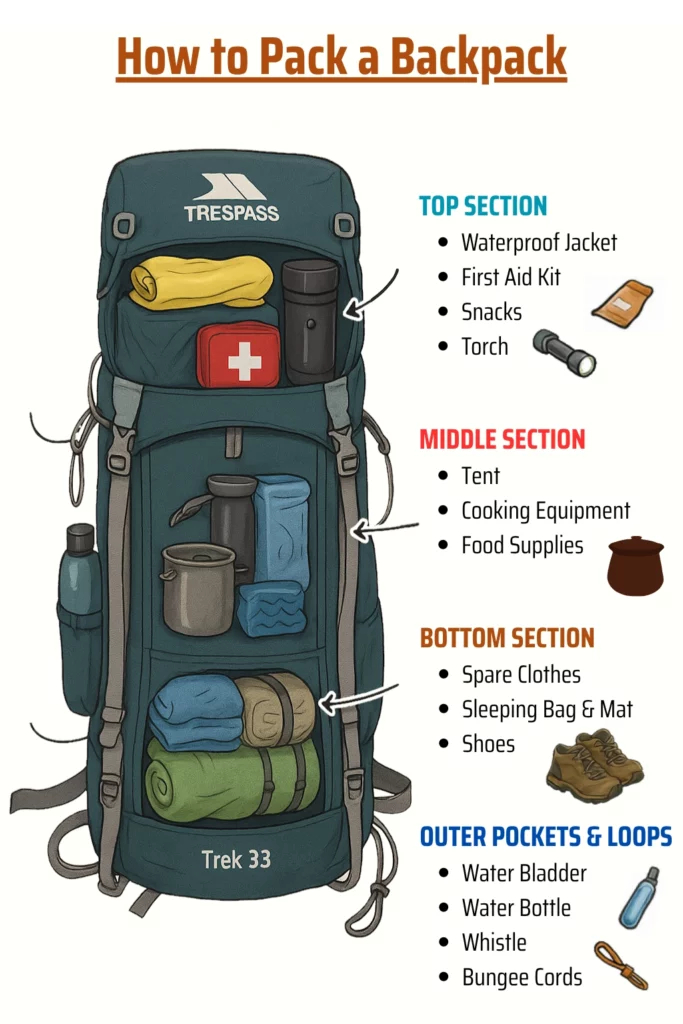
Packing your hiking backpack can feel overwhelming. You want to bring everything you might need, but carrying too much will slow you down.
What if you forget something important? Imagine being out on the trail and realizing you don’t have what you need to stay safe and comfortable. This guide will help you pack smart, so you carry just the right gear. Keep reading to discover the essential items you should never leave behind and tips to make your hike more enjoyable from start to finish.
Your perfect hiking adventure starts with what’s inside your backpack.
Backpack Basics
Packing the right backpack makes hiking easier and safer. You need to pick a backpack that fits your needs and body size. A good backpack holds all your gear comfortably.
This guide covers how to choose the right size and which features to look for. Knowing these basics helps you enjoy your hike without carrying extra weight.
Choosing The Right Size
Pick a backpack size based on your trip length and gear. A small daypack works for short hikes. For longer trips, choose a bigger pack with more space.
- Day hikes: 15 to 30 liters
- Overnight hikes: 30 to 50 liters
- Multi-day trips: 50 to 70 liters
- Extended trips: 70 liters or more
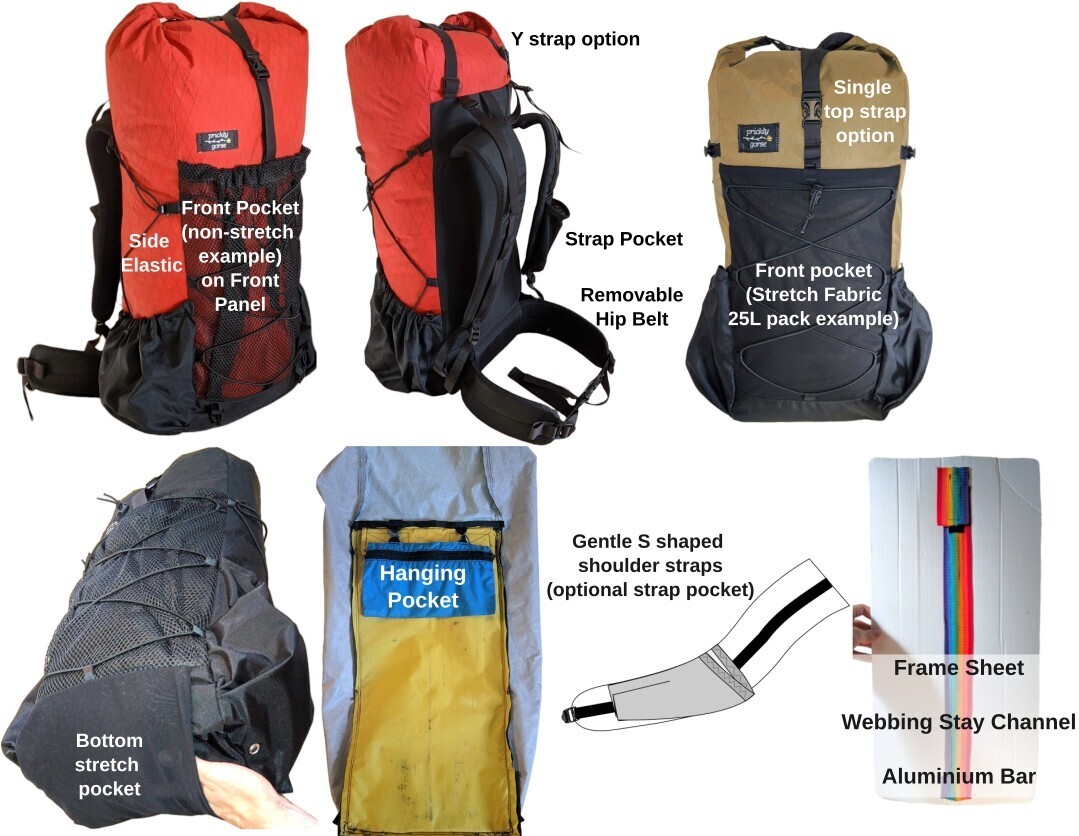
Backpack Features To Consider
| Feature | Benefit |
| Adjustable Straps | Helps fit the pack to your body for comfort |
| Hip Belt | Transfers weight to hips, reducing shoulder strain |
| Multiple Compartments | Makes it easy to organize and access gear |
| Water-Resistant Material | Protects your belongings from rain and moisture |
| Ventilated Back Panel | Improves airflow to keep your back cool |
Look for these features to improve your hiking experience. Choose a backpack that suits your body and trip needs.
Credit: www.myogtutorials.com
Clothing Essentials
Packing the right clothes makes hiking safer and more comfortable. Dress to handle changing weather and rough terrain. Focus on versatile and layered clothing.
Choose items that protect you from cold, heat, and rain. This guide covers key clothing essentials for your hiking backpack.
Layering For Weather
Layering helps you adjust to temperature changes and stay dry. Start with a base layer to wick sweat. Add an insulating layer for warmth. Finish with a shell layer to block wind and rain.
- Base layer: moisture-wicking shirts and leggings
- Middle layer: fleece or lightweight down jacket
- Outer layer: waterproof and breathable jacket
- Hat and gloves for cold weather
Footwear And Socks
Proper footwear protects your feet and improves grip on trails. Choose sturdy hiking boots or shoes that fit well. Bring extra socks to keep feet dry and prevent blisters.
| Footwear Type | Best Use | Features |
| Hiking boots | Rough terrain, heavy loads | High ankle support, waterproof |
| Trail shoes | Light trails, fast hikes | Lightweight, breathable |
| Socks | All hikes | Wool or synthetic, moisture-wicking |
Rain Gear And Protection
Rain gear keeps you dry and comfortable in wet weather. Pack a lightweight rain jacket and rain pants. A rain cover for your backpack helps protect your gear.
Use this checklist to pack rain gear:
- Waterproof rain jacket with hood
- Waterproof rain pants
- Backpack rain cover
- Water-resistant gloves
- Quick-dry hat or cap
Navigation Tools
When hiking, having the right navigation tools is very important. These tools help you find your way and avoid getting lost.
Choose tools that fit your hiking style and the area you will explore. Good navigation tools keep your trip safe and fun.
Maps And Compass
Paper maps show the land, trails, and landmarks. They do not need batteries or signal. A compass helps you find directions using the Earth’s magnetic field.
Learn how to read maps and use a compass before hiking. They are simple but very reliable tools.
- Carry a detailed topographic map of your hiking area
- Use a compass that is easy to hold and read
- Practice orienting the map with the compass
- Keep maps dry in a waterproof case
Gps Devices And Apps
GPS devices and smartphone apps use satellites to show your exact location. They can guide you on trails and mark spots.
Make sure your device is fully charged. Download maps for offline use in case you lose signal.
- Bring a handheld GPS or use a hiking app on your phone
- Download offline maps before your trip
- Check battery life and carry a power bank
- Learn basic GPS functions like marking waypoints
Food And Hydration
Packing the right food and water is very important for hiking trips. You need enough energy and fluids to stay active.
Choosing easy-to-carry and nutritious items helps keep you strong on the trail. Drinking enough water avoids dehydration.
Meal Planning
Plan meals that give you fuel and are simple to prepare. Pick foods that do not spoil quickly and are light to carry.
Include snacks that provide quick energy. Think about your hiking time and intensity when choosing your meals.
- Trail mix with nuts and dried fruits
- Energy bars or granola bars
- Dehydrated or freeze-dried meals
- Fresh fruits like apples or oranges
- Peanut butter or cheese for protein
Water Storage And Purification
Carry enough water in bottles or hydration packs. Make sure the containers are easy to reach and refill during the hike.
Use water purification methods to keep water safe. This helps prevent sickness from natural water sources.
- Water bottles or hydration reservoirs
- Portable water filters
- Water purification tablets
- UV light purifiers
Safety And First Aid
Packing the right safety and first aid items can save lives during a hike. Always prepare for injuries and emergencies.
Knowing what to carry helps you stay safe and handle unexpected situations outdoors.
Basic First Aid Kit
A basic first aid kit helps you treat minor injuries on the trail. It should be compact and easy to carry.
- Adhesive bandages in various sizes
- Antiseptic wipes and ointment
- Sterile gauze pads and adhesive tape
- Tweezers and scissors
- Pain relievers like ibuprofen or acetaminophen
- Allergy medicine such as antihistamines
- Elastic bandage for sprains
- Disposable gloves for hygiene
- CPR face shield or mask
- Small flashlight or headlamp with extra batteries
Emergency Signaling Devices
Signaling devices help rescuers find you if you get lost or hurt. Carry lightweight and reliable tools.
| Device | Purpose | Notes |
| Whistle | Make loud noise to attract attention | Carry on a lanyard for quick access |
| Mirror | Reflect sunlight to signal over long distances | Use in clear weather and daylight |
| Flare | Produce bright light and smoke | Use only in emergencies |
| Personal Locator Beacon (PLB) | Send GPS location to rescue teams | Requires registration and battery check |
| Glow sticks | Provide light and visibility at night | Safe and easy to use |
Credit: pangolinswithpacks.com
Shelter And Sleeping Gear
Choosing the right shelter and sleeping gear is key for a good hiking trip. These items protect you from weather and help you rest well.
Packing light but effective gear can make your backpack easier to carry. Focus on items that suit the conditions and your trip length.
Tents And Tarps
Tents and tarps provide protection from rain, wind, and insects. They create a safe space to rest and store your gear at night.
- Choose a tent that fits your group size and weather conditions.
- Look for lightweight models to reduce pack weight.
- Tarps are versatile and can be used as shelter or ground cover.
- Bring stakes and guylines to secure your shelter.
- Check for waterproof and breathable materials.
Sleeping Bags And Pads
Sleeping bags keep you warm while sleeping outdoors. Pads add comfort and insulation from the cold ground.
| Item | Purpose | Tip |
|---|---|---|
| Sleeping Bag | Warmth and comfort | Choose a bag rated for the lowest temperature you expect |
| Sleeping Pad | Insulation and cushioning | Select a pad that fits your sleeping bag size |
| Compression Sack | Storage and space-saving | Use to pack your sleeping bag tightly |
Tools And Accessories
Packing the right tools and accessories is key for a safe hiking trip. These items help you handle tasks and emergencies.
Always carry essential tools that are useful but not too heavy. This keeps your backpack light and practical.
Multi-tools And Knives
Multi-tools combine several tools in one compact device. They save space and are helpful for many tasks.
A good knife is important for cutting rope, food prep, and first aid. Choose one with a sturdy blade.
- Include pliers, screwdrivers, and scissors in your multi-tool
- Pick a folding knife for safety and convenience
- Keep blades sharp for easier use
Lighting Options
Lighting helps you see at night and signals for help if needed. Bring reliable light sources.
Headlamps free your hands and are good for camping and night hiking. Carry extra batteries too.
- LED headlamp with adjustable brightness
- Compact flashlight as a backup
- Spare batteries or rechargeable options
Fire Starting Supplies
Fire is essential for warmth, cooking, and signaling. Pack reliable fire starters that work in all weather.
Carry waterproof matches or a lighter and firestarter materials like cotton balls or tinder sticks.
- Waterproof matches in a sealed container
- Windproof lighter with extra fluid
- Natural or synthetic tinder for easy ignition
Personal Items
Packing the right personal items keeps you safe and comfortable on the trail. These small essentials make a big difference during your hike.
Focus on items that protect your identity, skin, and health from outdoor elements.
Identification And Permits
Always carry identification and any permits needed for your hiking area. These documents prove your right to be there and help in emergencies.
- Government-issued ID or driver’s license
- Park or trail permits
- Emergency contact information
- Medical insurance card
Sun Protection
| Item | Purpose |
|---|---|
| Sunscreen | Prevents sunburn and skin damage |
| Wide-brimmed hat | Shields face and neck from sun |
| Sunglasses | Protects eyes from UV rays |
| Lightweight long sleeves | Blocks direct sunlight on arms |
Insect Repellent
Insects can cause discomfort and spread diseases. Use insect repellent to keep bugs away during your hike.
- Choose repellent with DEET or natural oils
- Apply to skin and clothing before hiking
- Reapply as needed, especially after sweating
- Carry wipes or sprays for quick touch-ups
Packing Tips
Packing a hiking backpack needs careful planning. You want to carry what you need without extra weight.
Good packing helps keep your gear safe and easy to reach during the hike.
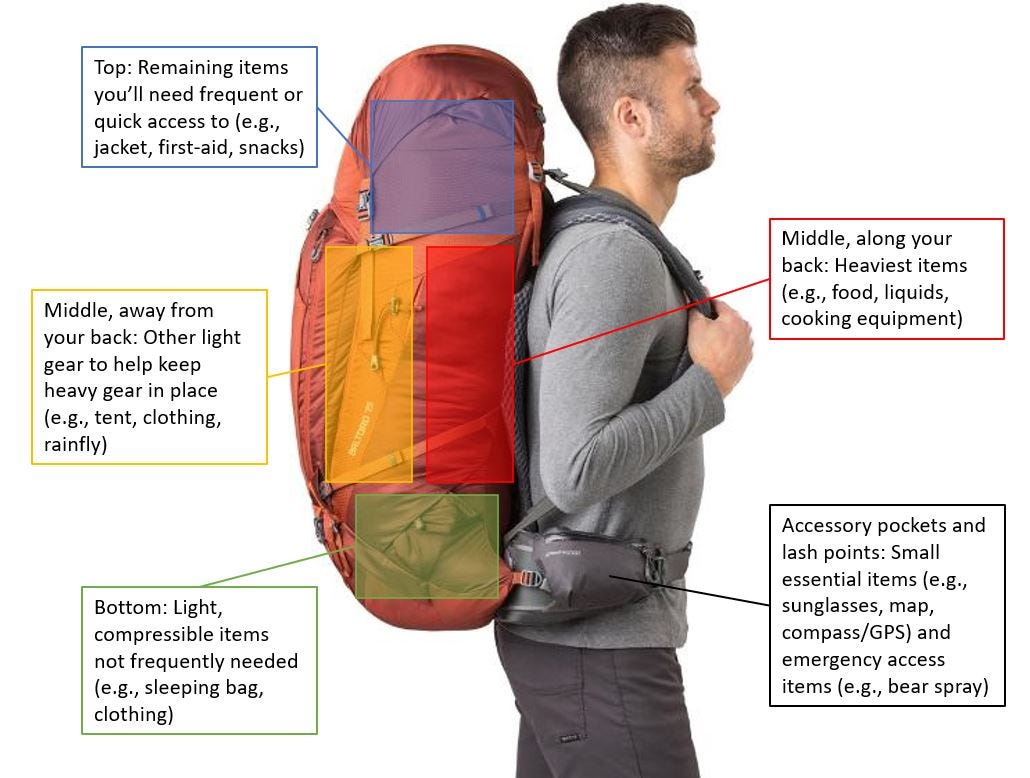
Weight Distribution
Place heavy items close to your back and near the middle of the backpack. This keeps your balance steady and reduces strain.
- Put your tent or sleeping bag at the bottom
- Keep water and food near the center
- Light clothes and gear can go on top
- Use side pockets for small, light items
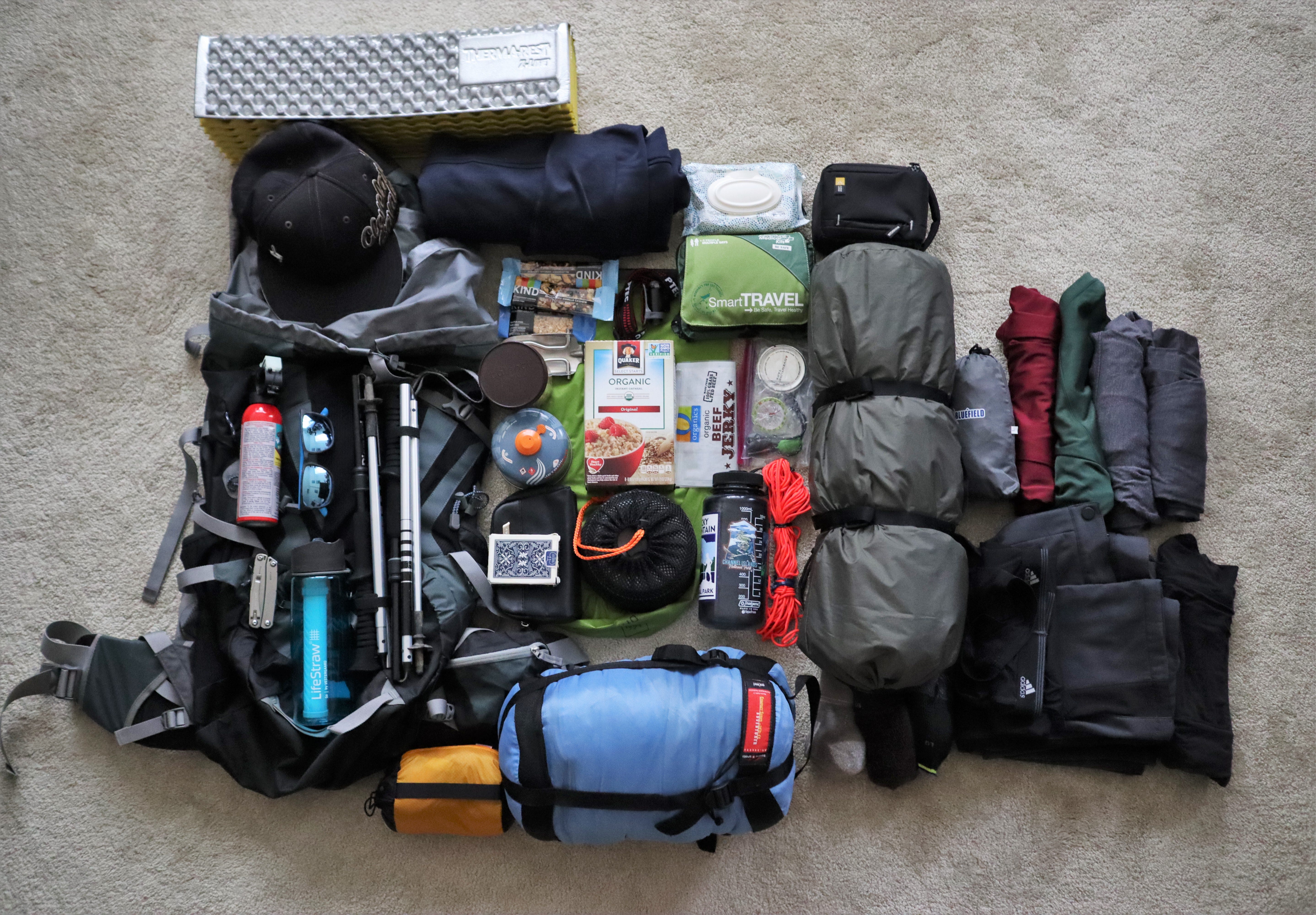
Accessibility And Organization
Organize items so you can find them fast. Use small bags or pouches to group similar things.
| Item Type | Storage Tip |
| First aid kit | Keep in an outside pocket for quick access |
| Snacks | Store in a front pouch for easy reach |
| Rain gear | Put near the top or outside for fast use |
| Map and compass | Keep in a separate small bag near the top |
Credit: pangolinswithpacks.com
Frequently Asked Questions
What Essentials Should I Pack For Hiking?
When packing for a hike, include water, snacks, a first aid kit, and a map. Don’t forget a multi-tool, sunscreen, and a flashlight. A lightweight rain jacket and a hat are also crucial for weather protection. Always customize your pack based on the terrain and weather conditions.
How Do I Choose The Right Backpack Size?
Choose a backpack based on the hike’s length and your body size. For day hikes, a 20-30 liter backpack is ideal. For multi-day hikes, consider a 50-70 liter pack. Ensure the backpack fits comfortably, distributing weight evenly, to avoid discomfort and strain.
Why Is Layering Clothing Important For Hiking?
Layering helps regulate your body temperature and adapt to weather changes. Start with a moisture-wicking base layer, add an insulating layer, and finish with a waterproof outer layer. This system keeps you comfortable, dry, and protected from sudden weather changes, ensuring an enjoyable hiking experience.
What Food Is Best For Hiking Energy?
Pack lightweight, high-energy foods like nuts, dried fruit, and granola bars. These snacks provide quick energy and essential nutrients. For longer hikes, include protein-rich foods like jerky or trail mix. Avoid heavy, perishable items that can spoil or weigh you down.
Conclusion
Packing the right items makes hiking safer and more fun. Start with basics like water, snacks, and a first-aid kit. Add weather-appropriate clothes and navigation tools. Keep your backpack light but prepared for surprises. Check your list before every trip.
Ready gear means less stress on the trail. Enjoy nature with peace of mind. Every hike feels better when you pack smart. Stay safe, stay comfortable, and explore confidently.