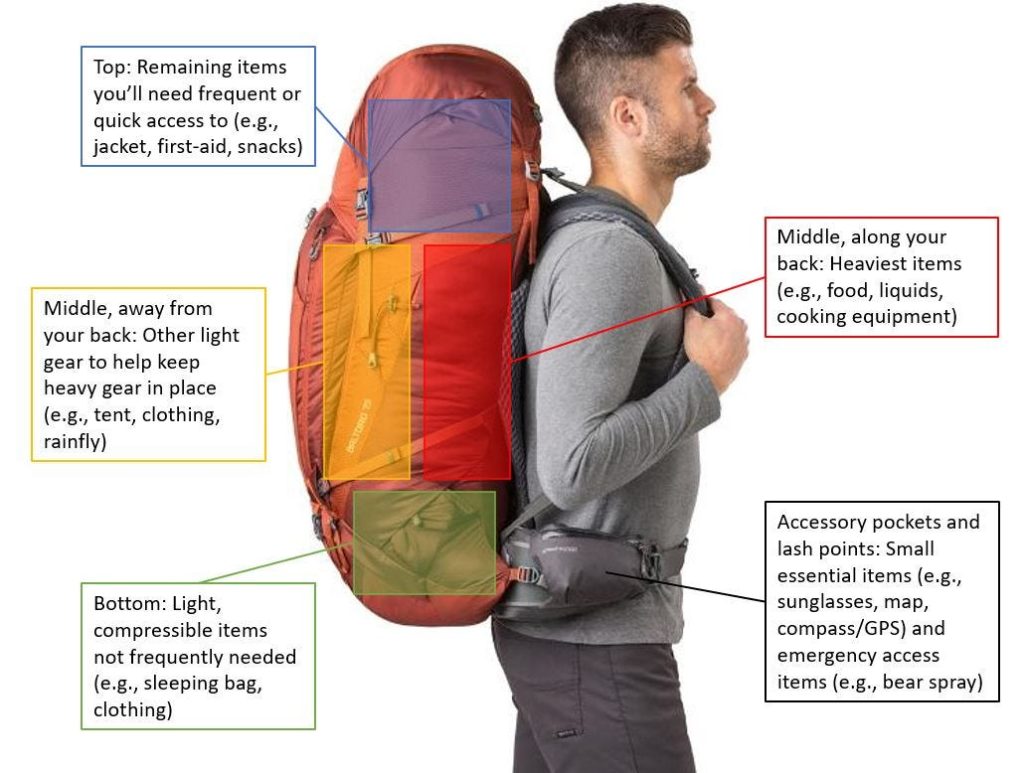
Heading out for a day hike? Packing the right items in your hiking day pack can make all the difference between a great adventure and a frustrating experience.
You want to stay safe, comfortable, and prepared for anything the trail throws at you. But what exactly should you bring without overloading yourself? This guide will help you pack smart, so you can focus on enjoying the hike and not worrying about what you left behind.
Keep reading to discover the must-have essentials that belong in your hiking day pack.

Credit: www.youtube.com
Choosing The Right Day Pack
A good day pack makes your hike easier and more fun. It holds your gear and fits your body well.
Choose a pack that matches your trip length, weather, and comfort needs. Think about size, fit, and strength.
Size And Capacity
Pick a pack size that fits your hiking plans. Too small means not enough space. Too big means extra weight.
- 10 to 20 liters for short hikes or light gear
- 20 to 30 liters for longer day trips with more items
- 30 liters or more if you carry extra clothes or food
Comfort And Fit
Comfort is key for a good hike. Look for padded straps and a support belt. Adjust them to fit snugly.
| Feature | Why It Matters |
| Padded Shoulder Straps | Reduces pressure on shoulders |
| Hip Belt | Shares weight to hips, not just shoulders |
| Adjustable Straps | Custom fit for different body sizes |
| Back Padding | Improves comfort and airflow |
Durability And Weather Resistance
Your pack should last and protect your gear. Look for strong materials and water resistance.
Check these features:
- Tear-resistant fabric
- Waterproof zippers or rain cover
- Reinforced seams
- Easy-to-clean material
Navigation Tools
Navigation tools are crucial for any hiking adventure. They help you stay on track and find your way in the wilderness.
Whether you are following a popular trail or exploring new paths, these tools ensure you do not get lost.
Maps And Compass
Maps and compasses are essential for any hiker. They provide a reliable way to navigate through unfamiliar terrain.
A compass helps you find your direction. Maps show you the lay of the land, paths, and landmarks.
- Always carry a map of the area
- Learn how to read a compass
- Check your route before starting
Gps Devices
GPS devices offer precise location tracking. They are handy in complex landscapes and help you pinpoint your position.
These devices can store routes and provide real-time updates on your progress.
- Charge your GPS device fully
- Bring extra batteries if possible
- Familiarize yourself with its functions
Trail Apps And Guides
Trail apps and guides are digital resources. They offer detailed maps, trail conditions, and user reviews.
These apps can help you plan your hike and discover new trails.
- Download trail apps before you go
- Read user reviews for tips
- Ensure your phone has enough battery
Clothing Essentials
Packing the right clothes in your hiking day pack keeps you comfortable all day. Weather changes fast on trails. You need layers and protection.
Choosing the right clothing helps you stay warm, dry, and safe. Bring extras to adjust to the conditions.
Layering For Weather
Layering lets you add or remove clothes to match the weather. Start with a base layer that moves sweat away from your skin.
- Wear a moisture-wicking shirt as the base layer
- Add an insulating layer like a fleece or light jacket
- Use a windproof or waterproof outer layer if needed
- Choose breathable fabrics to avoid overheating
Rain Gear
Rain gear protects you from getting wet and cold. Pack a lightweight, waterproof jacket and pants. They should be easy to carry.
| Item | Why It’s Important |
| Waterproof jacket | Keeps you dry and blocks wind |
| Waterproof pants | Protects your legs from rain and mud |
| Pack cover or dry bag | Keeps your gear dry inside your backpack |
Extra Socks And Hats
Extra socks keep your feet dry and prevent blisters. Hats protect your head from sun and cold.
- One or two pairs of moisture-wicking socks
- A warm hat for cold weather
- A wide-brim hat or cap for sun protection
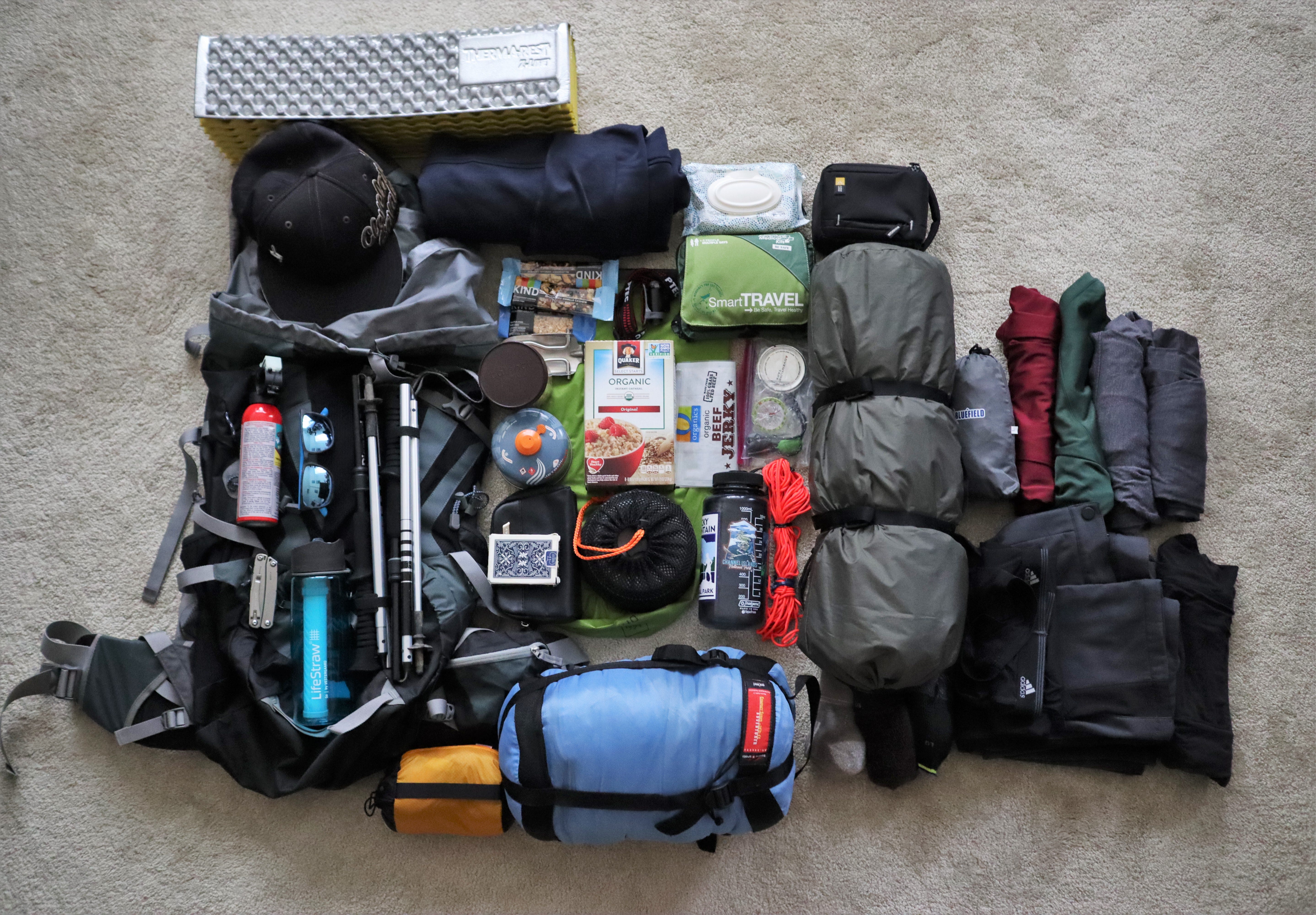
Credit: pangolinswithpacks.com
Food And Hydration
Packing the right food and drinks is key for a good hiking day. It gives you energy and keeps you healthy.
Plan your snacks and meals before you start hiking. Stay hydrated and eat enough to keep going.
Water Bottles And Filters
Bring enough water for your hike. Carry water bottles that are easy to use and refill.
Water filters help you use natural water safely. They remove dirt and germs from streams or lakes.
- Use lightweight, reusable water bottles
- Choose water filters or purification tablets
- Refill at safe water sources along the trail
- Drink water regularly to avoid dehydration
Energy Snacks
Pack snacks that give quick energy. Choose foods that are easy to eat on the move.
Good snacks keep your blood sugar steady and help you avoid feeling tired or hungry.
- Nuts and seeds for healthy fats and protein
- Granola bars or energy bars for quick carbs
- Dried fruits for natural sugars and fiber
- Chocolate or candy for a quick sugar boost
Meal Options
Choose meals that are easy to carry and prepare. Lightweight and non-perishable foods work best.
Meals should provide enough calories to fuel your hike and be easy to eat outdoors.
- Instant oatmeal or cereal packets
- Tuna or chicken packets for protein
- Trail mix with nuts, seeds, and dried fruit
- Dehydrated meals that only need hot water
- Fresh fruits like apples or oranges
Safety And First Aid
Carrying safety and first aid items on a hiking trip helps you stay prepared. You can treat minor injuries and signal for help if needed.
Packing the right tools makes your hike safer and more enjoyable. Here are key items to include in your day pack.
Basic First Aid Kit
A basic first aid kit can handle cuts, scrapes, and insect bites. It is a must-have for any hiking trip.
- Adhesive bandages in various sizes
- Antiseptic wipes and ointment
- Gauze pads and medical tape
- Small scissors and tweezers
- Pain relievers and allergy medicine
- Disposable gloves
Emergency Shelter
An emergency shelter protects you from weather. It helps keep you warm and dry if you get stuck outdoors.
| Item | Description |
| Emergency blanket | Lightweight and compact, keeps body heat |
| Compact tarp | Protects against rain and wind |
| Small tent or bivy sack | Provides full shelter in harsh conditions |
Whistle And Signaling Devices
A whistle and other signaling devices help you call for help if you are lost or injured.
Use these items to get attention:
- Whistle with a loud, clear sound
- Mirror for reflecting sunlight
- Bright colored cloth or flag
Tools And Accessories
Packing the right tools and accessories is important for a safe hiking trip. These items help you handle small tasks and emergencies. They also make your hike more comfortable.
Choose lightweight and useful gear to save space in your day pack. Focus on items that fit your route and weather conditions.
Multi-tools And Knives
Multi-tools and knives are handy for many tasks on the trail. You can use them to cut rope, prepare food, or fix gear. A small folding knife or a multi-tool with pliers and screwdrivers is ideal.
Pick tools with a locking blade for safety. Keep them sharp and clean to work well. Carry them in a sheath or a secure pocket.
Headlamps And Flashlights
Headlamps and flashlights provide light when hiking in low light or darkness. Headlamps free your hands for tasks like setting up a tent or reading a map. Flashlights offer focused beams and are easy to share.
Choose LED lights for brightness and long battery life. Carry extra batteries or a charger if possible. Test your light before starting the hike.
Trekking Poles
Trekking poles help with balance and reduce stress on your knees. They are useful on uneven terrain and steep climbs. Adjustable poles allow you to set the right height for comfort.
Look for lightweight poles that fold or collapse easily. Use wrist straps to keep them secure. Practice using poles before your hike to get used to them.
Personal Items
Packing the right personal items is key for a safe hiking trip. These items help protect you and keep you comfortable.
Make sure to include essentials that protect your skin and help you follow park rules. Keep the environment clean too.
Sunscreen And Insect Repellent
Sunscreen protects your skin from harmful UV rays. Use a broad-spectrum sunscreen with at least SPF 30.
Insect repellent keeps bugs away. This helps you avoid bites and insect-borne diseases.
- Apply sunscreen before you start hiking
- Reapply sunscreen every two hours or after sweating
- Choose insect repellent with DEET or natural alternatives
- Use repellent on exposed skin and clothing
Identification And Permits
Carry your ID for emergencies and proof of identity. Some parks require permits to hike certain trails.
Check if you need a permit before your trip. Always keep your permit visible if required.
- Bring a government-issued ID
- Purchase and carry any needed hiking permits
- Keep permits where rangers can see them
- Follow all park rules related to permits
Trash Bags And Leave No Trace
Use trash bags to pack out all your trash. Leaving no trace helps keep trails clean and safe for wildlife.
Carry a small bag for trash and food scraps. Do not leave any waste behind on the trail.
- Bring a durable trash bag for all garbage
- Pack out all food wrappers and scraps
- Respect nature by leaving nothing behind
- Follow Leave No Trace principles while hiking
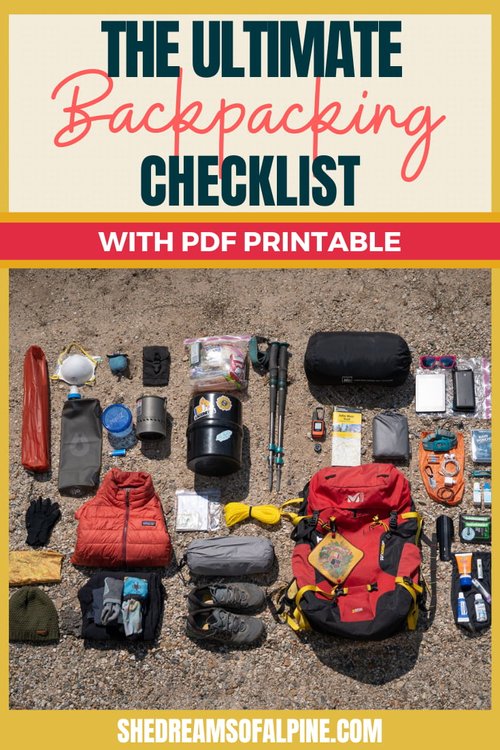
Credit: www.shedreamsofalpine.com
Frequently Asked Questions
What Are Essential Items For A Hiking Day Pack?
Essential items include water, snacks, a first aid kit, navigation tools, and weather-appropriate clothing. These basics keep you safe and comfortable during your hike.
How Much Water Should I Pack For A Day Hike?
Pack at least 2 liters of water per person for a day hike. Hydration is crucial, especially in warm weather or strenuous trails.
What Food Is Best For A Hiking Day Pack?
Choose lightweight, high-energy foods like nuts, trail mix, energy bars, and dried fruit. These provide quick energy and are easy to carry.
Should I Carry A First Aid Kit In My Day Pack?
Yes, always carry a compact first aid kit. It helps manage minor injuries and emergencies during your hike.
Conclusion
Packing the right items makes your hike safe and fun. Keep essentials like water, snacks, and a first-aid kit close. Don’t forget a map and extra clothes for changing weather. Lighten your load by choosing only what you truly need.
A well-packed day pack helps you enjoy nature without stress. Stay prepared, stay comfortable, and enjoy every step of your adventure. Simple choices lead to great hiking experiences. Ready to explore?