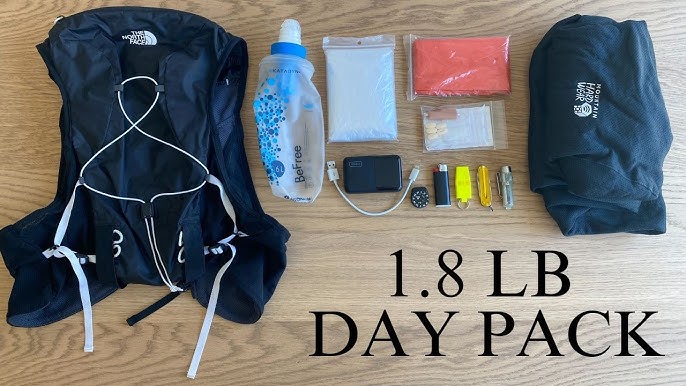
Planning a day hike? What you pack can make all the difference between an amazing adventure and an uncomfortable struggle.
You want to be ready for anything the trail throws at you, but without carrying a heavy load. Imagine having exactly what you need—no more, no less—so you feel confident, safe, and comfortable from start to finish. In this guide, you’ll discover the essential items to pack in your hiking day pack that will keep you prepared and energized.
Keep reading to make sure your next hike is your best one yet.
Basic Hiking Essentials
Packing the right items makes your hiking trip safe and enjoyable. Carry only what you need for the day.
Focus on essentials like hydration, food, and navigation tools. These keep you energized and on track.
Water And Hydration Systems
Water is the most important item in your day pack. Carry enough to stay hydrated throughout your hike.
- Use a reusable water bottle or hydration bladder
- Bring water purification tablets or filters
- Check water sources along your route before you go
Nutritious Snacks And Meals
Choose foods that give you energy and are easy to carry. Include a mix of proteins, carbs, and fats.
| Food Type | Examples |
| Proteins | Jerky, nuts, peanut butter |
| Carbohydrates | Granola bars, trail mix, dried fruits |
| Fats | Cheese, seeds, dark chocolate |
Navigation Tools
Good navigation tools help you stay on the right path and avoid getting lost.
Carry these navigation tools:
- Map of the hiking area
- Compass for direction
- GPS device or smartphone with offline maps

Credit: www.macpac.co.nz
Clothing And Protection
When packing for a hiking day trip, clothing and protection are key. You need to stay comfortable and safe throughout your adventure.
Here is a guide to help you pack the essentials for a successful hike.
Weather-appropriate Apparel
Choose clothes that match the weather forecast. Layering is important for temperature changes.
- Lightweight and breathable fabrics for warm weather
- Insulating layers like fleece for cooler climates
- Waterproof jacket for rain protection
Sun Protection Gear
The sun can be harsh on your skin. Protect yourself with the right gear.
- Wide-brimmed hat to shield your face
- Sunglasses with UV protection for your eyes
- Sunscreen with SPF 30 or higher
Insect Repellent And Protection
Insects can be bothersome during your hike. Carry protection to keep them at bay.
- Insect repellent spray or lotion
- Long-sleeved shirts and pants to cover skin
- Head net for areas with many bugs
Safety And Emergency Items
Packing safety and emergency items in your hiking day pack is very important. These items help you stay safe if something unexpected happens.
Always be prepared for small injuries, sudden weather changes, or getting lost. Carrying the right tools can make a big difference.
First Aid Kit Basics
A first aid kit helps you treat minor injuries on the trail. It should be small but include essential items for cuts, scrapes, or blisters.
Basic supplies in a first aid kit include bandages, antiseptic wipes, and pain relief medicine. Keep your kit organized and easy to reach.
- Assorted adhesive bandages
- Antiseptic wipes or solution
- Sterile gauze pads and tape
- Blister treatment supplies
- Pain relievers like ibuprofen
- Small scissors and tweezers
- Allergy medicine if needed
Emergency Shelter And Tools
An emergency shelter protects you from weather if you get stuck outside. It helps keep you warm and dry until help arrives.
Simple tools like a whistle and a multi-tool add safety. A whistle can signal for help. A multi-tool can fix gear or open food.
- Lightweight emergency blanket or bivy sack
- Compact tarp or poncho
- Whistle for signaling
- Multi-tool with knife and pliers
- Small flashlight or headlamp
Fire Starting Equipment
Fire starting tools help you build a fire for warmth or signaling. Always carry more than one way to start a fire.
Carry waterproof matches or a lighter. Also include fire starters like cotton balls soaked in petroleum jelly.
- Waterproof matches or windproof lighter
- Fire starter sticks or cotton balls with petroleum jelly
- Small container to keep fire starters dry

Credit: www.reddit.com
Hiking Accessories
Packing the right accessories can make your hike safer and more enjoyable. These items help you handle different situations on the trail. Light gear can improve your comfort and safety.
Focus on accessories that add value without adding too much weight. Here are important hiking accessories to consider packing in your day pack.
Lighting And Headlamps
Lighting is essential for early starts or late returns. A headlamp frees your hands while giving steady light. It helps you see the trail and signals your location.
Carry extra batteries or a rechargeable headlamp. A small flashlight can also be useful as a backup light source.
- Wear a comfortable headlamp with adjustable brightness
- Bring spare batteries or a power bank
- Keep a small flashlight for emergencies
Multi-tools And Repair Kits
Multi-tools combine many useful functions in one compact device. You can cut, open bottles, fix gear, and more. Repair kits help fix broken equipment quickly.
Include patches for tents or sleeping pads, duct tape, and extra cord. These help you handle small problems without ending your hike early.
- Choose a multi-tool with knife, pliers, and screwdriver
- Pack duct tape and gear patches
- Include extra cord or zip ties for repairs
Trekking Poles And Support
Trekking poles reduce stress on your knees and improve balance. They help you climb steep slopes and cross streams safely. Poles also increase your hiking speed.
Look for lightweight, collapsible poles that fit your height. Use wrist straps for better grip and control on rough terrain.
- Use adjustable poles for different terrains
- Choose lightweight materials like aluminum or carbon fiber
- Practice proper pole technique to avoid strain
Packing Tips And Organization
Packing a hiking day pack can be simple with good planning. Organizing items well helps you find what you need fast. It also makes carrying easier and more comfortable.
Use smart strategies for weight, storage, and gear choices. These tips will help you pack efficiently and enjoy your hike.
Weight Distribution Strategies
Keep heavy items close to your back and centered. This balance reduces strain and improves stability. Place lighter items at the top and edges of the pack.
- Pack water and food near the middle or top.
- Put bulky but light items like clothes at the edges.
- Keep frequently used gear easy to reach.
- Adjust straps to balance the load evenly.
Use Of Packing Cubes And Bags
Packing cubes and bags help sort your gear by type or use. They keep your pack tidy and stop items from shifting. You can find things quickly without unpacking everything.
| Cube or Bag | Purpose | Example Items |
| Large Cube | Clothing | T-shirts, pants, socks |
| Medium Cube | Food and Snacks | Sandwiches, trail mix |
| Small Bag | First Aid and Toiletries | Bandages, sunscreen, wipes |
| Waterproof Bag | Electronics and Maps | Phone, GPS, paper maps |
Essential Vs Optional Gear
Focus on packing only what you need. Essential gear keeps you safe and ready for the hike. Optional items add comfort but can add weight.
- Essential gear:water, food, first aid kit, map, sun protection, rain jacket
- Optional gear:extra clothes, camera, book, snacks, trekking poles
- Leave optional items if weight feels too heavy.
- Check the weather and trail before deciding what to bring.
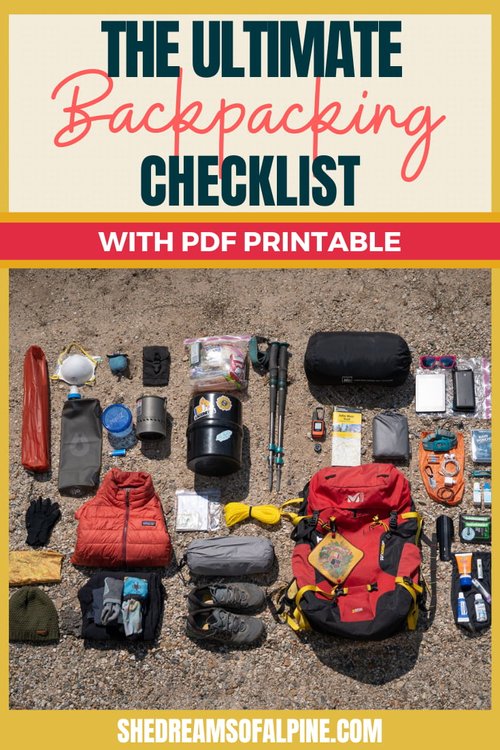
Credit: www.shedreamsofalpine.com
Frequently Asked Questions
What Essentials Should I Pack In A Hiking Day Pack?
Pack water, snacks, first aid kit, map, sunscreen, and a rain jacket. These items cover hydration, nutrition, safety, navigation, and weather protection for a successful hike.
How Much Water Is Enough For A Day Hike?
Carry at least 2 liters of water per person for a day hike. Adjust based on temperature, intensity, and personal hydration needs to stay properly hydrated.
What Snacks Are Best For Hiking Day Packs?
Choose lightweight, high-energy snacks like nuts, granola bars, dried fruit, and jerky. These provide quick energy and are easy to carry without spoiling.
Should I Bring A First Aid Kit In My Day Pack?
Yes, a compact first aid kit is essential for treating minor injuries. Include bandages, antiseptic wipes, pain relievers, and any personal medications.
Conclusion
Packing the right items makes your hike safer and more fun. Carry water, snacks, and a first-aid kit for emergencies. Dress in layers and bring a map or GPS to avoid getting lost. Keep your pack light but prepared for changes in weather.
Remember, smart packing helps you enjoy every step on the trail. Stay ready, stay safe, and enjoy your hiking adventure!