Planning a hiking trip? Knowing exactly what to pack can make all the difference between a great adventure and a tough struggle.
You don’t want to carry too much weight, but missing key items can leave you uncomfortable or even unsafe. Imagine reaching your favorite trail and realizing you forgot something essential. That’s why this guide will help you pack smart, stay prepared, and enjoy every step of your hike.
Keep reading to discover the must-have items that will keep your hike smooth and enjoyable.
Clothing Essentials
Packing the right clothes is key for a good hiking trip. Clothes keep you safe and comfortable.
Choose clothes based on weather and trail conditions. Always prepare for changes in weather.
Layering For Weather
Layers help you adjust to changing temperatures. Start with a base layer that moves sweat away.
Add an insulating layer to keep you warm. Finish with a shell layer to block wind and rain.
- Base layer: lightweight, moisture-wicking fabric
- Insulating layer: fleece or down jacket
- Shell layer: waterproof and breathable jacket
Footwear Choices
Good shoes protect your feet and offer grip on rough trails. Pick shoes that fit well and feel comfortable.
Choose hiking boots for tough terrain. Trail runners work well on easier paths and warm weather.
- Hiking boots: strong ankle support and waterproof
- Trail runners: light and breathable
- Wear hiking socks to prevent blisters
Rain Gear
Rain gear keeps you dry and warm in wet weather. Carry a rain jacket and rain pants if rain is possible.
Choose rain gear made from waterproof and breathable material. Pack it in an easy-to-reach spot.
- Waterproof jacket with hood
- Rain pants to protect your legs
- Pack rain covers for your backpack
Sun Protection
Sun protection prevents sunburn and heat problems. Wear a wide-brimmed hat and sunglasses on sunny days.
Use sunscreen on skin not covered by clothes. Lightweight, long-sleeve shirts help block the sun.
- Wide-brimmed hat for face and neck
- Sunglasses with UV protection
- Broad-spectrum sunscreen with SPF 30+
- Lightweight, long-sleeve shirts
Credit: pangolinswithpacks.com
Navigation Tools
Navigation tools are essential for safe hiking. They help you find your way and avoid getting lost.
Carrying the right navigation equipment makes your hike more enjoyable and secure.
Maps And Compass
Maps show the trail and surrounding area. A compass helps you find directions.
Learn how to read a map and use a compass before hiking. They do not rely on batteries or signals.
- Topographic maps show elevation and land features
- Compass points to magnetic north
- Use compass with map to find your position
- Keep map and compass dry and accessible
Gps Devices
GPS devices use satellites to show your exact location. They are easy to use on the trail.
Bring a GPS device with extra batteries. It helps you track your route and find your way back.
- Show your position on digital maps
- Record your hiking path
- Provide distance and elevation info
- Work best with clear sky view
Trail Apps
Trail apps on smartphones offer maps and GPS tracking. They can guide you on popular trails.
Download maps before hiking. Apps may not work without cell service in remote areas.
- Show detailed trail maps
- Track your location using GPS
- Allow saving routes and waypoints
- Offer extra info like weather and difficulty
Safety Equipment
When hiking, safety is important. The right equipment can help in emergencies. Always pack smartly for your trip.
Here are essential items to carry for your safety. They ensure you are prepared for unexpected situations.
First Aid Kit
A first aid kit is crucial in emergencies. It helps treat minor injuries and prevent infections.
- Band-aids for cuts and scrapes
- Antiseptic wipes to clean wounds
- Gauze pads for larger injuries
- Tweezers for splinters
Emergency Shelter
An emergency shelter keeps you safe from harsh weather. It is compact and easy to set up.
Consider options like:
- Mylar emergency blankets
- Lightweight tents
- Tarp with rope for quick setup
Whistle And Signal Mirror
A whistle and signal mirror help in alerting rescuers. They are small but very effective in emergencies.
| Item | Use |
| Whistle | Sound signal for help |
| Signal Mirror | Reflect sunlight to catch attention |
Credit: pangolinswithpacks.com
Food And Hydration
When hiking, carrying the right food and water is important. It keeps your energy up and prevents dehydration. Planning what to pack helps you stay safe and enjoy your hike.
Lightweight and easy-to-carry options work best. Focus on foods and drinks that are easy to eat and drink on the trail.
Water Storage Options
Choose water containers that fit your hike length and pack size. They should be leak-proof and easy to refill. Staying hydrated means having enough water within reach at all times.
- Plastic bottles: Lightweight and affordable, but can get crushed.
- Hydration bladders: Fit inside backpacks and allow hands-free drinking.
- Collapsible water bags: Save space when empty and are easy to carry.
- Metal bottles: Durable and good for hot or cold drinks, but heavier.
Hydration Systems
Hydration systems help you drink water without stopping. They are great for quick sips on the move. Pick one that suits your hiking style and backpack.
| System Type | Advantages | Disadvantages |
| Hydration bladder | Hands-free, large capacity | Needs cleaning, can leak |
| Water bottle with straw | Easy to use, simple design | Requires hand use, limited capacity |
| Collapsible pouch with tube | Lightweight, space-saving | Less durable, can be tricky to fill |
High-energy Snacks
Bring snacks that give quick energy and are easy to carry. Choose foods that do not spoil fast and provide nutrients to keep you going.
- Trail mix with nuts and dried fruit
- Energy bars or granola bars
- Peanut butter packets
- Jerky or dried meat
- Fresh fruit like apples or oranges
Camping Gear
Packing the right camping gear is important for a safe and fun hike. You need tools that keep you comfortable and prepared.
This guide covers key items for your camping trip. Focus on shelter, cooking, and lighting.
Tent And Sleeping Bag
A good tent protects you from weather and insects. Choose one that is easy to carry and set up.
Your sleeping bag should match the temperature where you camp. Pick one that keeps you warm but is light.
- Lightweight, waterproof tent
- Sleeping bag rated for the coldest night
- Sleeping pad for extra comfort
Cooking Supplies
Cooking supplies help you prepare meals easily at the campsite. Bring only what you need to save weight.
Include a compact stove, fuel, and basic utensils. A lightweight pot and pan work well for many dishes.
- Portable camping stove
- Fuel canisters
- Lightweight pots and pans
- Reusable utensils and plates
- Water bottle or hydration system
Lighting Solutions
Good lighting helps you see after dark. Bring a reliable light source for safety and convenience.
Headlamps free your hands. Extra batteries or a backup light are important.
- LED headlamp with adjustable brightness
- Extra batteries or rechargeable option
- Small lantern for camp area

Credit: www.youtube.com
Personal Items
Packing the right personal items can make your hike safer and more comfortable. These essentials help you stay organized and prepared on the trail.
Focus on items that protect your identity, money, and health. Each plays an important role during your outdoor adventure.
Identification And Permits
Always carry identification and any permits needed for your hike. They prove who you are and that you have permission to be there.
- Government-issued ID such as a driver’s license or passport
- Hiking permits or park passes
- Emergency contact information
- Medical insurance card
Cash And Payment Methods
Bring some cash and cards. Some trail areas do not accept cards or have no ATMs nearby.
| Payment Method | Notes |
| Cash | Small bills preferred for ease |
| Credit/Debit Card | Check for network coverage |
| Mobile Payment Apps | Useful if signal is available |
Insect Repellent
Insect repellent protects you from bites and insect-borne diseases. Choose one that works well in the area you visit.
- Spray or lotion types available
- Check active ingredients for effectiveness
- Apply to all exposed skin
- Reapply as directed on the label
Packing Tips
Packing for a hike needs careful thought. The right items make your trip safe and fun.
Keep your pack light and organized. Focus on what you need most.
Weight Distribution
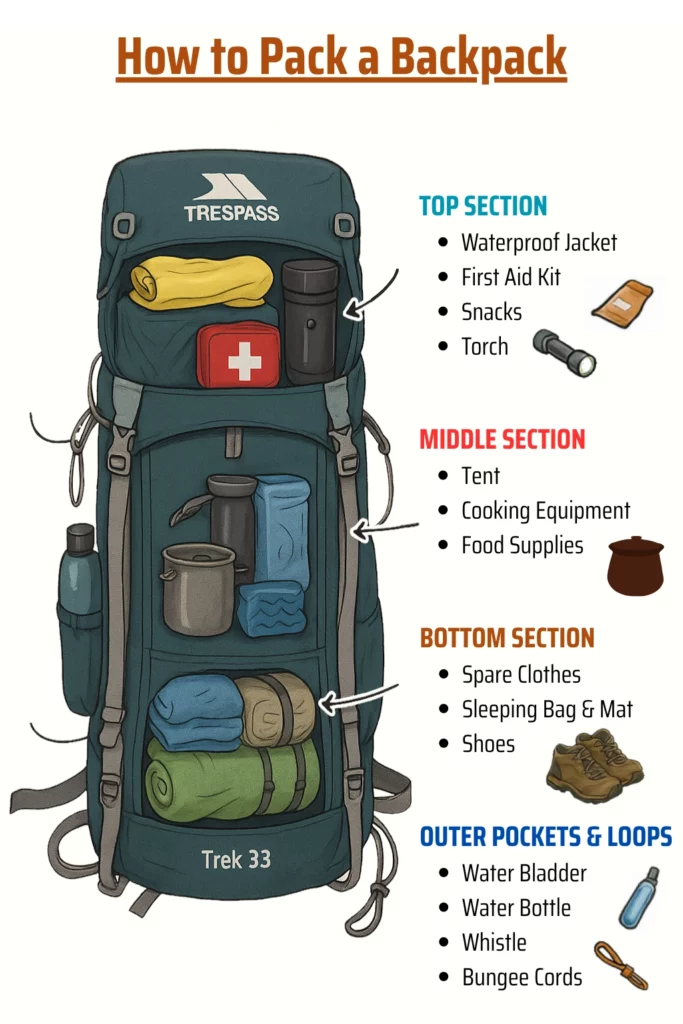
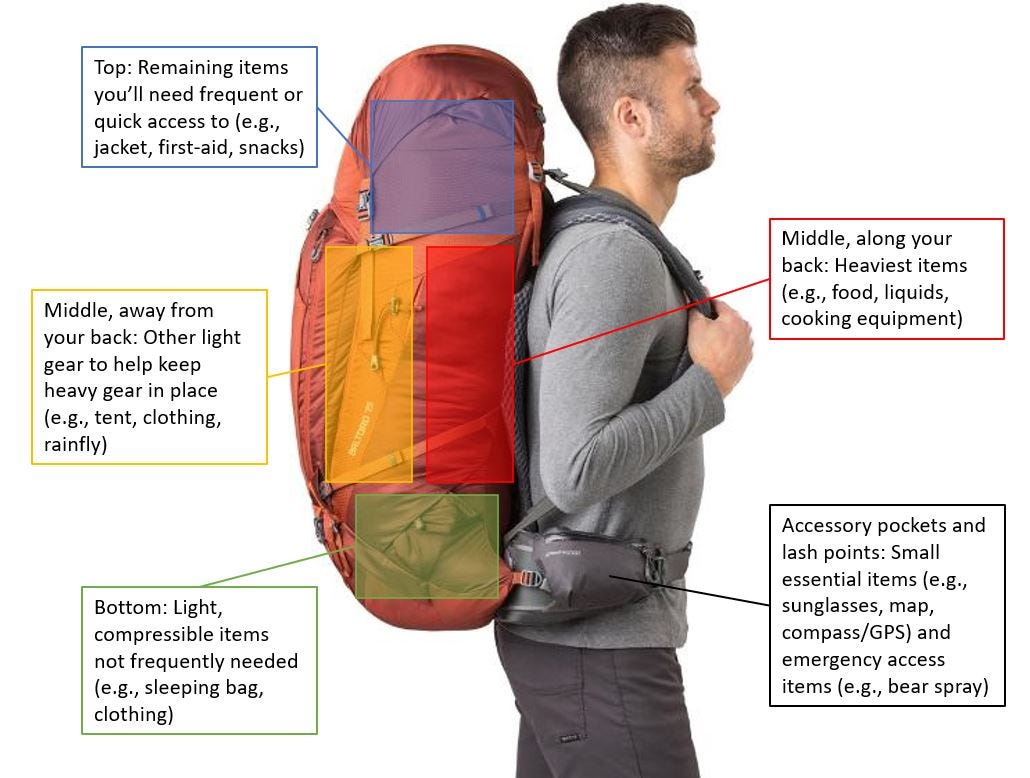
How you pack affects your balance and comfort. Heavy items should go close to your back.
- Place heavy gear near your spine
- Keep medium weight items in the middle
- Light items go at the top and outside pockets
- Evenly distribute weight on both sides
Waterproofing Gear
Protect your gear from rain and wet conditions. Use waterproof bags or covers.
| Item | Waterproof Method |
| Backpack | Rain cover or waterproof liner |
| Clothing | Waterproof jacket and pants |
| Electronics | Sealed plastic bags or dry sacks |
| Food | Waterproof containers or bags |
Checklist Creation
Make a checklist to avoid forgetting important items. Organize by category.
- Clothing: layers, rain gear, hat
- Navigation: map, compass, GPS
- Hydration: water bottles, water filter
- Food: snacks, meals
- Safety: first aid kit, whistle
- Tools: knife, multi-tool, flashlight
Frequently Asked Questions
What Essential Items Should I Pack For A Day Hike?
Pack water, snacks, a first aid kit, map, sunscreen, and weather-appropriate clothing. Always include a flashlight and a multi-tool for safety.
How Much Water Is Enough For Hiking?
Carry at least 2 liters of water per person for a day hike. Adjust based on weather, trail difficulty, and personal needs.
What Clothing Is Best For Hiking Trips?
Wear moisture-wicking layers, sturdy hiking boots, a hat, and rain gear. Dress in layers to adapt to changing weather conditions.
Should I Bring A First Aid Kit On A Hike?
Yes, always carry a compact first aid kit. It helps treat minor injuries and emergencies on the trail.
Conclusion
Packing the right items makes hiking safe and fun. Carry water, snacks, and weather-appropriate clothes. Don’t forget a map and first-aid kit. Light gear helps you move easily on trails. Plan your pack based on the hike length and weather.
Stay prepared, stay comfortable, and enjoy every step outdoors. Happy hiking!