Planning a hiking trip? Knowing exactly what to pack can make all the difference between a great adventure and a tough, uncomfortable experience.
You don’t want to carry too much weight, but missing essential items can leave you unprepared. What if you had a simple, clear list that ensures you’re ready for anything on the trail? Keep reading, and you’ll discover the must-have gear and smart packing tips that will keep you safe, comfortable, and confident every step of the way.
Your next hike starts with packing right—let’s get you set up for success.
Clothing Basics
Choosing the right clothes is important for a safe and fun hike. Clothes keep you warm, dry, and comfortable.
Good clothing helps you adjust to weather changes and rough trails. Always prepare for different conditions.
Layering For Weather
Layering helps you stay comfortable as the weather changes. You can add or remove layers to control your body temperature.
Start with a base layer that wicks sweat. Add an insulating layer for warmth. Use a shell layer to block wind and rain.
- Base layer:Lightweight and moisture-wicking fabrics like polyester or merino wool.
- Insulating layer:Fleece or down jackets to keep heat in.
- Shell layer:Waterproof and windproof jackets and pants.
Footwear Choices
Your shoes protect your feet on rough trails. Pick hiking boots or shoes that fit well and offer good support.
Look for waterproof options if you expect wet conditions. Good soles provide grip and prevent slips.
- Choose boots or shoes with ankle support for rough terrain.
- Waterproof materials keep feet dry in rain or streams.
- Good soles reduce slipping on rocks and mud.
- Break in new shoes before your hike to avoid blisters.
Protective Accessories
Accessories protect you from sun, bugs, and cold. They add comfort and safety to your hike.
Bring hats, gloves, and sunglasses depending on the weather. Use insect repellent and sunscreen for skin protection.
- Hat with a brim shields your face from sun.
- Sunglasses protect eyes from UV rays.
- Light gloves keep hands warm and safe.
- Use sunscreen to avoid sunburn.
- Insect repellent keeps bugs away.

Credit: www.trialbytrail.com
Navigation Tools
When hiking, navigation tools help you find your way. They keep you safe and on track during your adventure.
Choosing the right tools depends on your route and hiking experience. It is good to carry more than one type.
Maps And Compass
Paper maps show trails, landmarks, and terrain. A compass helps you know which way to go.
Learn how to read a map and use a compass before your hike. They do not need batteries and work anywhere.
- Carry a topographic map of the area
- Use a compass to find directions
- Practice orienting the map with the compass
- Keep maps dry in a plastic case
Gps Devices
GPS devices use satellites to show your exact location. They can track your route and mark waypoints.
These devices need batteries or charging. They are helpful in remote areas where cell signal is weak.
- Choose a handheld GPS device designed for hiking
- Bring extra batteries or a power bank
- Download maps before you go
- Use GPS to mark campsites or points of interest
Mobile Apps
Mobile apps can turn your phone into a navigation tool. Many apps offer offline maps and trail guides.
Phones rely on battery power and signal. Carry a charger or power bank to keep your phone working.
- Download hiking apps with offline maps
- Use apps that track your path and time
- Check app updates before hiking
- Keep your phone in a waterproof case
Safety Gear
Bringing safety gear is essential for every hike. It helps you handle problems and stay safe outdoors.
Pack items that protect you from injury and unexpected situations. Being prepared reduces risks on the trail.
First Aid Kit
A first aid kit treats minor injuries quickly. It can stop bleeding and reduce pain before help arrives.
Your kit should include items to clean wounds and protect cuts from infection.
- Bandages of different sizes
- Antiseptic wipes or solution
- Gauze pads and tape
- Pain relievers like ibuprofen
- Tweezers for splinters
- Scissors and safety pins
- Allergy medicine if needed
Emergency Shelter
An emergency shelter protects you from bad weather. It keeps you dry and warm if you must stop outside.
Lightweight options are easy to carry and set up quickly in any place.
- Compact tent or tarp
- Emergency space blanket
- Lightweight bivvy sack
Lighting Options
Lighting helps you see in the dark and signals for help if needed. Always carry a reliable light source.
Choose lights with extra batteries for long trips or emergencies.
- Headlamp for hands-free use
- Flashlight with bright beam
- Extra batteries or rechargeable options
Food And Hydration
Carrying the right food and water is key for a safe hike. Your body needs fuel and fluids to keep going. Plan what to pack carefully before you leave.
Focus on easy-to-carry items that provide energy and hydration. Think about how to store water and keep it clean. Choose foods that last and are nutritious.
Water Storage
Bring enough water containers to hold all the water you need. Use bottles or hydration bladders that fit your pack. Make sure they are light and leak-proof.
- Carry at least 2 liters of water per person
- Use wide-mouth bottles for easy filling
- Consider collapsible water bags to save space
- Keep bottles insulated in cold weather
- Label your containers to avoid mix-ups
Nutrition Essentials
Choose foods that give you energy and are light. Pick items with protein, carbs, and healthy fats. Avoid foods that spoil quickly or are too heavy.
| Food Type | Examples | Benefits |
| Carbohydrates | Trail mix, granola bars, dried fruits | Quick energy |
| Proteins | Jerky, nuts, cheese sticks | Muscle repair |
| Fats | Peanut butter, seeds, dark chocolate | Long-lasting energy |
| Hydrating Foods | Fresh fruit, cucumber, oranges | Extra fluids |
Purification Methods
Water from streams or lakes needs cleaning before drinking. Use purification methods to avoid sickness. Choose one that works for your trip length and water source.
- Boiling water kills germs and parasites
- Water filters remove dirt and bacteria
- Purification tablets kill viruses and bacteria
- UV purifiers use light to clean water fast
- Always follow instructions for each method
Backpack Essentials
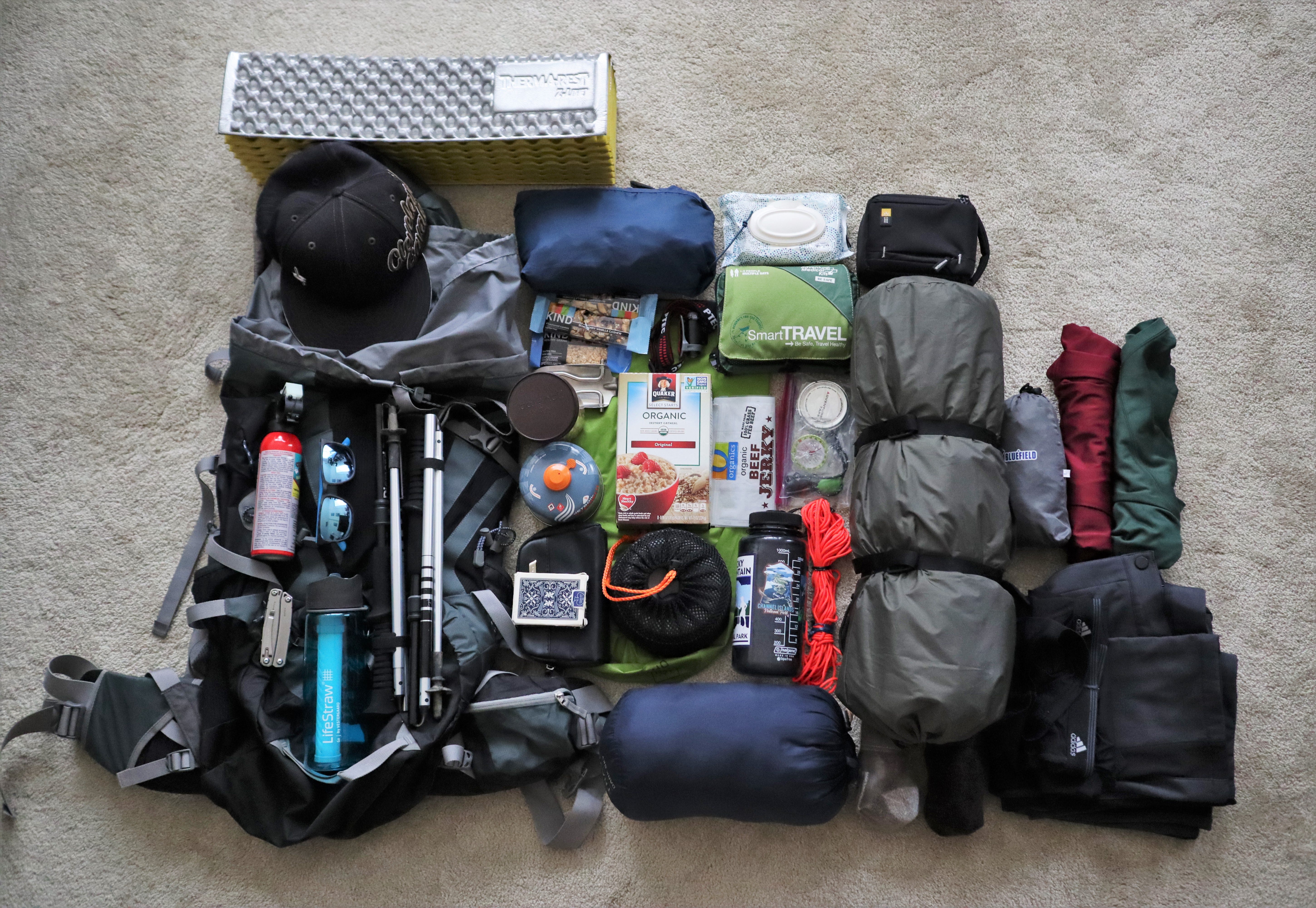
Choosing what to pack for hiking is important. Your backpack holds all your gear and supplies.
It is key to pack smart to stay comfortable and safe on the trail.
Choosing The Right Pack
Select a pack that fits your body well. It should have padded straps and a hip belt.
Pick the size based on your hike length. Day hikes need smaller packs, multi-day hikes need larger ones.
- Look for adjustable straps and good ventilation.
- Choose water-resistant material if possible.
- Check for enough pockets for easy access.
Packing Techniques
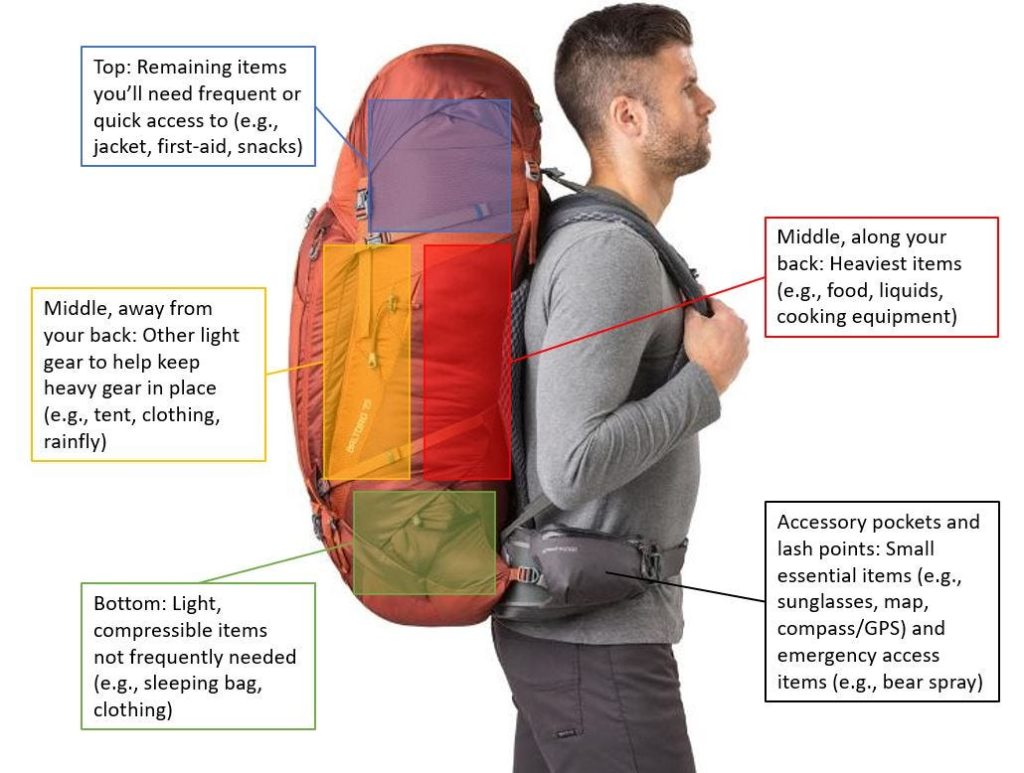
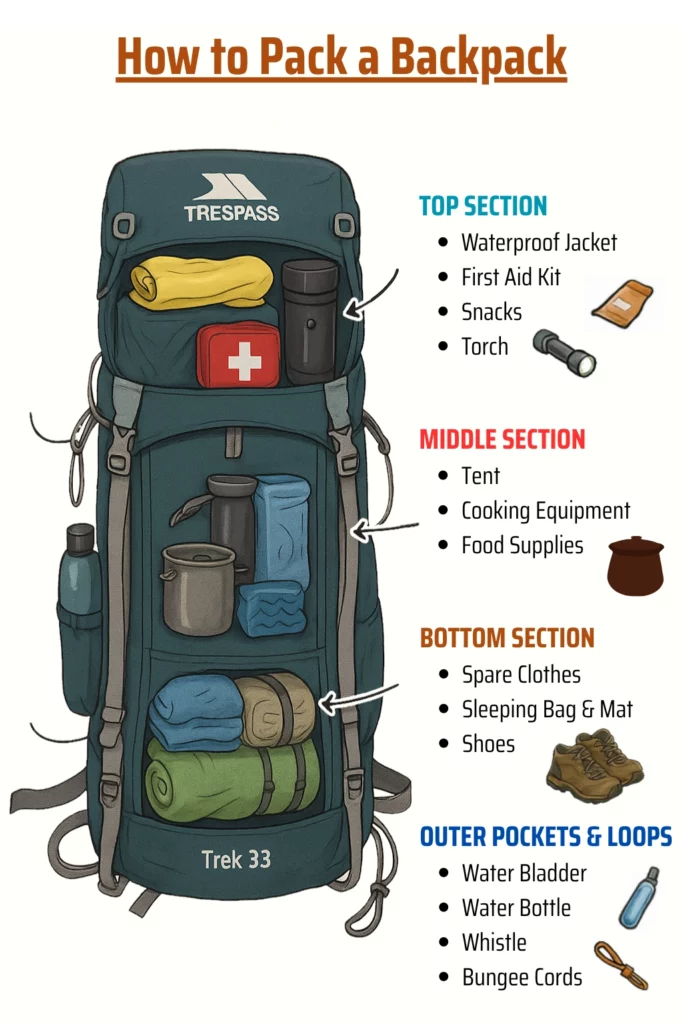
Pack heavier items close to your back and near the center. This keeps your balance steady.
Use compression straps to keep your gear tight and prevent shifting while walking.
| Item | Placement |
| Water Bottle | Side pockets or top |
| Sleeping Bag | Bottom of the pack |
| First Aid Kit | Top or outer pocket |
| Food | Middle section |
| Extra Clothing | Near the back |
Weight Management
Keep your pack weight under 20% of your body weight for comfort and safety.
- Make a list of essentials only.
- Choose lightweight gear.
- Remove items you won’t use.
- Share gear with your hiking partners.
Credit: pangolinswithpacks.com
Additional Equipment
Packing the right additional equipment can make your hike safer and easier. These items help you handle unexpected situations.
Extra gear adds comfort and utility. It is smart to carry tools that support your basic hiking needs.
Trekking Poles
Trekking poles help keep your balance on rough paths. They reduce stress on your knees and legs.
Poles improve stability on steep or slippery trails. They also help you move faster and save energy.
- Look for lightweight, adjustable poles
- Use rubber tips on hard surfaces
- Fold poles fit easily in your backpack
Multi-tools
A multi-tool is a small device with many functions. It usually includes a knife, scissors, and screwdrivers.
This tool helps with quick fixes and small repairs. It can open cans, cut rope, or tighten gear parts.
- Choose a compact and sturdy multi-tool
- Check for useful tools like pliers and blades
- Keep it in an easy-to-reach pocket
Fire Starting Supplies
Fire starting supplies help you make fire safely. Fire is important for warmth and cooking in emergencies.
Carry waterproof matches, lighters, or fire starters. These items should be stored in a dry, safe place.
- Waterproof matches resist rain and wind
- Lighters are easy to use but can run out
- Firestarter blocks ignite quickly and burn longer
Credit: www.trespass.com
Frequently Asked Questions
What Essential Items Should I Pack For A Day Hike?
Pack water, snacks, a map, sunscreen, a first-aid kit, and weather-appropriate clothing. These basics ensure safety and comfort during your hike.
How Much Water Is Needed For A Hiking Trip?
Carry at least 2 liters of water per person for a day hike. Adjust based on weather and exertion levels to stay hydrated.
Should I Bring A First Aid Kit When Hiking?
Yes, a first aid kit is crucial. It helps treat minor injuries and prevents infections on the trail.
What Clothing Is Best For Hiking In Changing Weather?
Wear moisture-wicking layers, a waterproof jacket, and sturdy hiking boots. Layering adapts to temperature and weather changes effectively.
Conclusion
Packing smartly ensures a safe and enjoyable hiking adventure. Bring essentials like water, snacks, and a map. Dress in layers to adjust to weather changes. Don’t forget a first-aid kit for emergencies. A flashlight can be handy at dusk. Comfortable shoes will keep your feet happy.
Always carry a small backpack to hold your items. Remember to check the weather forecast before you leave. Stay prepared, and enjoy every step of your journey. Happy hiking!