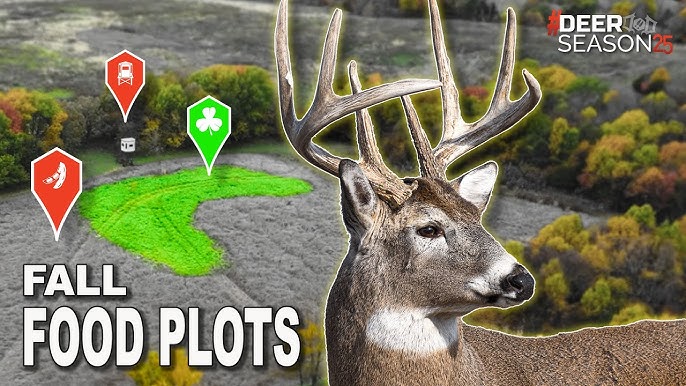
If you want to attract more deer to your land, planting the right food plots is key. But with so many options out there, it can be confusing to know what will work best for your area and the deer’s needs.
You might be wondering which plants provide the most nutrition and keep deer coming back season after season. You’ll discover the top choices for deer food plots that are easy to grow and highly effective. By the end, you’ll have a clear plan to create a thriving feeding spot that benefits both you and the deer.
Keep reading to unlock the secrets of successful deer food plots!
Credit: www.outsidepride.com
Benefits Of Deer Food Plots
Deer food plots provide a reliable food source for deer. They help improve the health and size of the deer population.
Planting the right crops encourages deer to stay in your area. This benefits hunters and wildlife watchers alike.
Improved Nutrition For Deer
Food plots offer high-quality nutrition. They supply essential vitamins and minerals that deer might not find in the wild.
- Increases deer body weight
- Supports antler growth
- Boosts overall health and immunity
- Helps deer survive harsh winters
Attracts Deer To Specific Areas
Food plots draw deer away from crops and gardens. This reduces damage to nearby plants and property.
Consistent food sources keep deer nearby for longer periods. This makes wildlife management easier.
Supports Healthy Habitat
Deer food plots help maintain balanced habitats. They provide food diversity that benefits other wildlife species.
| Benefit | Impact on Deer | Impact on Habitat |
|---|---|---|
| Nutrition | Better health and growth | Improved plant diversity |
| Attraction | Keeps deer in safe areas | Reduces crop damage |
| Habitat Support | Strong populations | More balanced ecosystem |
Improves Hunting Opportunities
Food plots create predictable deer patterns. Hunters find it easier to locate and track deer.
This also helps maintain a sustainable deer population. Hunting can be done responsibly with less impact on the herd.
Choosing The Right Location
Choosing the right location for deer food plots is very important. The right spot helps plants grow well and attracts more deer. Think about sunlight, soil, and water when picking your place.
Deer need easy access to food and cover. Place your food plot near woods or natural bedding areas. This makes deer feel safe while feeding.
Sunlight Exposure
Deer food plants need at least six hours of sunlight every day. Look for open areas or edges of forests. Avoid shady spots under large trees.
Soil Quality
Good soil helps plants grow strong and healthy. Test your soil to check pH and nutrients. Most deer plants like soil with pH between 6.0 and 7.0.
- Check soil texture: sandy, loam, or clay
- Look for good drainage to avoid waterlogging
- Add lime or fertilizer if soil is too acidic or poor
Water Availability
Plants need water to grow well. Choose a site near a water source or where rain collects. Avoid places that flood or stay too wet.
Access And Safety
Pick a location easy for you to reach for planting and maintenance. Also, deer prefer spots near cover like trees or brush. This gives them shelter from predators.
| Factor | Ideal Condition |
| Sunlight | 6+ hours daily |
| Soil pH | 6.0 – 7.0 |
| Drainage | Well-drained, not waterlogged |
| Proximity to Cover | Close to woods or brush |
| Water | Near water source or good rainfall |
Perennial Vs. Annual Crops
Deer food plots provide important nutrition for wildlife. Choosing the right crops helps keep deer healthy. You can plant perennial or annual crops for these plots.
Both types have benefits and challenges. Understanding these will help you decide what to plant for the best results.
Perennial Crops
Perennial crops grow back year after year without replanting. They develop deep roots that improve soil health. These crops provide a steady food source for deer over time.
- Require less maintenance after the first year
- Offer long-term soil stability
- Provide continuous cover and food
- Examples include clover, chicory, and alfalfa
Annual Crops
Annual crops need planting every year. They grow quickly and produce high yields in a single season. These crops can attract deer with fresh, tender shoots.
| Annual Crop | Benefits | Examples |
| Corn | High energy, deer favorite | Field corn, dent corn |
| Sorghum | Drought tolerant, good seed producer | Grain sorghum |
| Brassicas | Rich in nutrients, attracts deer | Turnips, radishes, kale |

Credit: www.youtube.com
Top Grasses For Deer
Deer food plots help attract and feed deer during hunting and off-season times. Choosing the right grasses can improve deer nutrition and growth.
Grasses like clover, alfalfa, and chicory provide good food sources. These plants grow well and are liked by deer.
Clover
Clover is a popular choice for deer food plots. It is high in protein and easy for deer to digest.
Clover grows quickly and stays green into late fall. It also fixes nitrogen in the soil, helping other plants grow better.
- High protein content
- Good for soil health
- Attracts deer all season
Alfalfa
Alfalfa is another excellent plant for deer food plots. It has a strong root system that helps it survive dry conditions.
This plant is rich in nutrients and promotes weight gain in deer. Alfalfa grows well in fertile soils with good drainage.
- High in protein and fiber
- Survives drought well
- Supports deer health and growth
Chicory
Chicory is a tough plant that deer love to eat. It has deep roots that help it grow in poor soils.
Chicory provides vitamins and minerals that improve deer health. It stays green late into the season and offers variety in the diet.
- Deep-rooted and drought resistant
- Rich in vitamins and minerals
- Offers food variety for deer
Best Legumes For Attraction
Deer food plots need plants that attract and feed deer well. Legumes are great for this because they provide protein and nutrition.
Choosing the right legumes can help keep deer coming back to your plot all season long. These plants also improve soil health.
Soybeans
Soybeans are a favorite for deer because they offer high protein. They grow fast and produce lots of leaves and pods to eat.
They work well in warm weather and can be planted after the last frost. Soybeans also help fix nitrogen in the soil.
- Plant in well-drained soil
- Use early maturing varieties for longer feeding
- Rotate crops to keep soil healthy
Peas
Peas attract deer with their sweet taste and tender leaves. They grow well in cooler weather, making them ideal for early or late season plots.
Peas also improve soil by adding nitrogen. They work best when mixed with other plants like oats or clover for variety.
- Plant in early spring or fall
- Choose varieties suited for your region
- Mix with grains for better growth
Nutritious Forbs For Deer
Deer find forbs to be a rich source of nutrition. These plants help them gain energy and stay healthy. Choosing the right forbs for food plots is important for a good deer habitat.
This guide covers some nutritious forbs you can plant. These include brassicas, turnips, and radishes. Each offers unique benefits to deer.
Brassicas
Brassicas are leafy plants that deer love to eat. They grow fast and provide high protein. This makes them ideal for deer food plots, especially in fall and winter.
- Include plants like kale, mustard, and rape.
- They offer great nutrition and taste for deer.
- Plant in early spring or late summer for best growth.
- Brassicas help deer gain weight before winter.
Turnips
Turnips provide leaves and roots that deer enjoy. The leaves are high in protein, while the roots give energy. Turnips grow well in cooler weather.
| Part | Benefit |
|---|---|
| Leaves | High protein and easy to digest |
| Roots | Good source of carbohydrates and energy |
| Growth Time | 50 to 60 days to maturity |
Radishes
Radishes are good for deer because they grow quickly. They have tasty leaves and roots. Radishes can improve soil and help other plants grow.
Benefits of Radishes for Deer:
- Leaves provide protein-rich forage
- Roots add carbohydrates to diet
- Help break up hard soil
- Grow well in cool seasons
Grain Options For Late Season
Choosing the right grain for a late-season deer food plot is important. These grains keep deer fed as winter approaches.
Grains like corn, oats, and wheat provide good nutrition in cold months. Each has unique benefits for deer.
Corn
Corn is a favorite food for deer late in the season. It offers high energy and helps deer build fat stores.
Plant corn early enough to allow full maturity before frost. Deer eat both the kernels and the plant leaves.
Oats
Oats grow fast and tolerate cold weather well. They provide good protein for deer during late fall.
Oats can be planted later in the season than corn. They keep deer coming back with their sweet taste.
Wheat
Wheat is a hardy grain that grows well in cool weather. It offers both food and cover for deer.
Plant wheat in early fall for late season grazing. Deer enjoy the green shoots and mature grain heads.
Enhancing Diversity In Food Plots
Diversity in food plots helps attract more deer and supports their nutrition. It creates a balanced habitat that benefits wildlife throughout the year.
Planting different crops improves soil health and provides varied food sources. This variety keeps deer interested and coming back to your plot.
Mixing Annual And Perennial Plants
Annual plants grow quickly and provide fresh food each year. Perennials return every season and add stability to your plot.
Combining both types gives deer food all year long. It also reduces the need for replanting every season.
Including Legumes For Protein
Legumes like clover and peas are rich in protein. Protein helps deer grow strong and stay healthy.
- Red clover
- White clover
- Alfalfa
- Hairy vetch
- Peas
Planting Grains For Energy
Grains provide important carbohydrates that give deer energy. They are easy to grow and attract deer quickly.
| Grain | Planting Time | Best Use |
| Corn | Spring | Fall food and cover |
| Oats | Late summer | Early fall food |
| Wheat | Fall | Winter food |
| Barley | Fall | Winter food |
Adding Brassicas For Fall And Winter
Brassicas like turnips and radishes grow well in cool weather. They provide greens and roots that deer enjoy in fall and winter.
These plants help keep deer healthy when other food is scarce.
Seasonal Planting Strategies
Deer food plots need different plants for each season. This helps provide fresh food all year long.
Knowing what to plant in spring, summer, fall, and winter can keep deer healthy and nearby.
Spring Planting
Spring is good for fast-growing plants that deer love. These plants give fresh greens after winter.
Examples include clover, peas, and oats. They grow quickly and attract deer early in the year.
- Red and white clover
- Spring oats
- Peas
- Turnips (start late spring)
Summer Planting
Summer plants should handle heat and provide good nutrition. Many summer plants also prepare soil for fall crops.
Plant soybeans and millet for summer. These offer good protein and keep deer feeding well.
- Soybeans
- Millet
- Sorghum
- Cowpeas
Fall Planting
Fall is the best time to plant crops that grow into winter. These plants help deer build fat.
Plant winter rye, wheat, and brassicas. These plants grow well in cool weather and provide food late in the year.
- Winter rye
- Wheat
- Turnips
- Radishes
- Kale and other brassicas
Winter Planting
Winter planting focuses on hardy plants that deer can eat during cold months. These plants survive frost and snow.
Brassicas and winter wheat are good choices. They provide food and cover when most plants are dormant.
- Winter rye
- Winter wheat
- Brassicas such as kale and turnips
Soil Preparation And Maintenance
Good soil helps plants grow strong and healthy in deer food plots. Preparing the soil well gives seeds a better chance to sprout.
Maintaining soil keeps nutrients balanced and helps plants stay productive through the seasons.
Test Your Soil
Soil testing shows what nutrients your soil needs. It helps you pick the right fertilizers and lime.
Collect samples from different parts of your plot for accurate results. Send them to a local lab or use a home test kit.
Clear And Till The Area
Remove weeds, rocks, and old plants before planting. This clears space for new seeds to grow.
Tilling breaks up hard soil. It makes the ground loose so roots can grow deep and get water easily.
Add Fertilizer And Lime
Fertilizer gives plants key nutrients like nitrogen, phosphorus, and potassium. Use amounts based on your soil test.
Lime balances soil acidity. It helps plants absorb nutrients better and grow healthy roots.
- Spread fertilizer evenly across the plot
- Apply lime several weeks before planting
- Mix both into the soil with a tiller
Choose The Right Planting Time
Plant seeds when the soil is warm and moist. This helps seeds sprout fast and strong.
Spring and fall are usually the best seasons. Avoid planting in very hot or frozen soil.
Keep The Plot Clean And Watered
Remove weeds regularly so they do not steal nutrients from your plants. Use a hoe or hand-pull them.
Water your plot if rain is scarce. Keep soil moist but not soggy to help plants grow well.
- Check soil moisture every few days
- Water early in the morning or late afternoon
- Avoid overwatering to prevent root problems
Rotate Crops Annually
Changing the types of plants each year improves soil health. It stops pests and diseases from building up.
Use a mix of legumes, grains, and brassicas to keep soil balanced and fertile.
Monitoring And Adjusting Plots
Keeping an eye on your deer food plots is very important. Regular checks help you know if the plants grow well.
Changing your plan based on what you see will make your plots better. This helps deer find good food all year.
Check Plant Growth Often
Look at your plants every week or two. See if they grow tall and stay green. Watch for dead spots or weeds.
If plants are weak or missing, it means you need to fix something. This can be soil, water, or pests.
Test Soil Quality
Good soil helps plants grow strong. Test your soil every year to check nutrients and pH levels.
If the soil is poor, add lime or fertilizer. This will help plants get the food they need.
Control Weeds And Pests
Weeds can take nutrients and space from your food plants. Remove them by hand or use safe herbicides.
Check for insects or animals that eat your plants. Use natural ways to keep pests away without harm.
Adjust Plant Types For Seasons
Some plants do better in different seasons. Watch which plants deer eat most and plant more of those.
- Plant cool-season crops for fall and winter
- Use warm-season plants for spring and summer
- Rotate crops to keep soil healthy
Record Your Observations
Write down what you see each time you check your plots. Note plant health, animal visits, and weather changes.
This helps you learn what works best and make better choices next time.

Credit: www.gameandfishmag.com
Frequently Asked Questions
What Are The Best Plants For Deer Food Plots?
The best plants include clover, chicory, alfalfa, and brassicas. These provide high nutrition and attract deer effectively throughout seasons.
How Do I Choose Plants For Different Seasons?
Plant cool-season crops like oats and rye in fall. Use warm-season plants like soybeans and corn in summer for year-round deer attraction.
Can I Grow Deer Food Plots In Shaded Areas?
Yes, choose shade-tolerant plants like chicory and clover. These adapt well and still offer valuable nutrition for deer in partial shade.
How Often Should I Rotate Deer Food Plot Plants?
Rotate crops annually to prevent soil depletion. Crop rotation improves soil health and keeps deer interested with varied food sources.
Conclusion
Planting the right crops helps attract deer to your food plot. Choose plants that grow well in your area and season. Mix grains, legumes, and greens for a balanced diet. Keep soil healthy and water plants regularly. Watch how deer use your plot and adjust as needed.
Growing food plots takes time and care, but it pays off. Healthy plants mean more visits from deer. Start small, learn, and enjoy the process. Your efforts create a better habitat for wildlife around you.