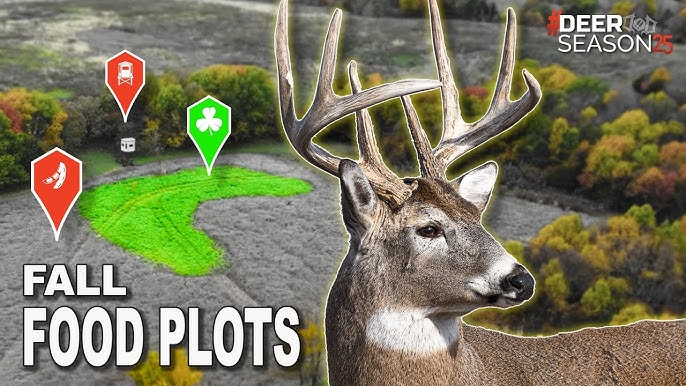
If you want to attract deer to your land, planting the right food plot is key. But with so many options out there, it can be confusing to know what will work best for your area and goals.
You need plants that deer love, grow well, and keep them coming back season after season. In this guide, you’ll discover exactly what to plant in a deer food plot to maximize your chances of success. Ready to turn your property into a deer magnet?
Keep reading to find out how.

Credit: www.gameandfishmag.com
Choosing The Right Location
Picking the right spot for your deer food plot is very important. The location affects how well plants grow.
Good location means healthy plants and more deer visiting your plot.
Soil Quality And Preparation
Good soil helps plants grow strong and healthy. Test your soil to know what it needs.
Remove weeds and rocks before planting. Add fertilizer or lime if the soil needs it.
- Test soil pH and nutrients
- Clear weeds and debris
- Add soil amendments as needed
- Till the soil to loosen it
Sunlight And Water Access
Pick a spot that gets enough sunlight for the plants you want to grow. Most plants need at least six hours of sunlight.
Make sure the area gets enough water. Avoid places that flood or stay too dry.
- Choose a sunny location
- Check for good drainage
- Access to natural water is a plus
- Avoid shaded or overly wet areas
Plot Size And Shape
Pick a size that fits your land and goals. Bigger plots attract more deer but need more work.
Shape the plot to fit natural features. Avoid spots that are hard to reach or have poor soil.
- Start with a manageable size
- Use natural clearings or edges
- Avoid narrow or irregular shapes
- Consider access for planting and maintenance

Credit: www.youtube.com
Best Warm-season Crops
Warm-season crops grow well in hot weather. They provide good food and cover for deer.
Choosing the right crops helps make a healthy and attractive food plot for deer.
Corn For High Energy
Corn is a top choice for energy. It has high carbohydrates that fuel deer activity.
Deer love the sweet taste and will come back often to feed on it.
Sorghum And Millet Varieties
Sorghum and millet grow fast in warm weather. They resist drought well.
- Provide good cover for deer to hide
- Produce seeds that deer eat
- Work well in poor soil conditions
- Can be planted together or alone
Soybeans For Protein
Soybeans offer high protein. This helps deer grow strong and healthy.
| Crop | Protein Content (%) | Growth Benefit |
| Soybeans | 36 | Builds muscle and improves antlers |
| Corn | 9 | Provides energy but low protein |
| Sorghum | 11 | Good energy, moderate protein |
| Millet | 12 | Good forage, adds variety |
Top Cool-season Crops
Planting cool-season crops can help attract deer to your food plot. These crops provide nutrition and are easy to grow. They thrive in cooler temperatures and can survive light frosts.
Below are some top choices for what to plant. These options will ensure your food plot stays healthy and appealing to deer throughout the cool season.
Clovers For Nutrition
Clovers are a popular choice for deer food plots. They are packed with protein and are easy to manage. Clovers enrich the soil by fixing nitrogen.
| Type of Clover | Protein Content |
| White Clover | 25% |
| Red Clover | 20% |
| Crimson Clover | 18% |
Winter Wheat Benefits
Winter wheat is an excellent choice for a deer food plot. It grows quickly and provides both cover and food. Its roots help prevent soil erosion.
- High in carbohydrates
- Grows in poor soil
- Can be planted late in the season
Brassicas As A Fallback
Brassicas, such as turnips and radishes, are hardy plants. They serve as a great fallback when other crops fail. Deer love their leafy greens and bulbs.
Mixing Crops For Diversity
Planting a variety of crops in a deer food plot helps attract more deer. Diverse plants provide different nutrients and cover. This supports deer throughout the year.
Mixing grains and legumes is a smart way to create a healthy food plot. It improves soil and offers a balanced diet for deer. Let’s explore how to do this.
Combining Grains And Legumes
Grains and legumes work well together. Grains like oats and corn give energy. Legumes like clover and peas add protein. Together, they make a balanced meal for deer.
- Oats and clover grow well in cool seasons.
- Corn and peas thrive in warmer months.
- Mixing these crops boosts soil health.
- Legumes fix nitrogen to help grains grow.
Benefits Of Crop Blends
Using crop blends in your plot has many benefits. It improves soil structure and fertility. This helps plants grow stronger and last longer.
| Benefit | Explanation |
| Soil Health | Legumes add nitrogen, improving soil fertility. |
| Deer Nutrition | Blends provide varied nutrients and energy. |
| Plant Diversity | Reduces pest problems and disease risk. |
| Seasonal Coverage | Different crops mature at various times. |
Seasonal Rotation Strategies
Rotate crops each season to keep soil healthy and productive. Changing plants prevents soil nutrient loss and controls weeds. This helps maintain a strong food plot.
- Plant cool-season grains and legumes in early spring.
- Switch to warm-season crops like corn and soybeans in summer.
- Use legumes in fall to restore nitrogen levels.
- Leave some areas fallow to let soil rest.
Planting Tips For Success
Planting a deer food plot needs good planning. Choose the right plants and prepare the soil well.
Follow these tips to help your food plot grow strong and attract deer.
Seeding Rates And Depths
Plant seeds at the right rate to avoid overcrowding or bare spots. Use proper depth to help seeds sprout.
Most seeds should be planted shallow, about ¼ to ½ inch deep. Larger seeds like peas can go deeper.
- Small seeds: ¼ to ½ inch deep
- Medium seeds: ½ to 1 inch deep
- Large seeds: 1 to 2 inches deep
- Follow seed packet instructions for rates
Fertilization And Soil Amendments
Test your soil before planting to know what nutrients it needs. Add fertilizer based on the test results.
Use lime to adjust soil pH if it is too acidic. Healthy soil helps plants grow better and last longer.
- Apply fertilizer according to soil test
- Add lime if pH is below 6.0
- Mix soil amendments well before planting
- Fertilize again after plants start growing
Weed Control Methods
Weeds compete with your food plot plants for water and nutrients. Control weeds early for best results.
Use herbicides carefully or remove weeds by hand. Mulching and mowing can also help control weed growth.
- Apply pre-emergent herbicides before planting
- Use post-emergent herbicides on weeds only
- Pull weeds by hand if safe for plants
- Mow plot edges to stop weed spread
Credit: www.outsidepride.com
Maintaining The Food Plot
Keeping a deer food plot healthy takes regular work. You must care for the plants and soil well.
Good maintenance helps deer find food and stay in your area longer.
Irrigation Techniques
Water is key for plants to grow strong. Use irrigation to keep soil moist during dry times.
Sprinkler systems and drip irrigation work well for food plots. Water early or late to save water.
- Check soil moisture regularly
- Water deeply but less often
- Avoid watering during midday heat
- Use rainwater if possible
Monitoring Growth And Health
Watch plants closely to spot problems early. Look for pests, diseases, or poor growth.
Take notes on how plants change each week. Healthy plants give better food for deer.
- Check leaves for spots or holes
- Look for weeds competing with crops
- Note plant color and size
- Use natural pest controls if needed
Adjusting Crops Based On Deer Activity
Watch where deer eat most and least in your plot. Change crops to match their preferences.
Rotate plants and try new seeds to keep deer interested and prevent overfeeding one area.
- Plant high-preference crops near feeding spots
- Replace crops deer avoid with new options
- Mix grains, legumes, and greens for variety
- Change plants seasonally to match deer needs
Frequently Asked Questions
What Plants Attract Deer To A Food Plot?
Deer prefer plants like clover, chicory, alfalfa, and brassicas. These provide high nutrition and are palatable throughout seasons. Planting a mix ensures year-round attraction and supports deer health.
When Is The Best Time To Plant Deer Food Plots?
The best time is early spring or late summer. This timing allows plants to establish before winter or hot summer months. Soil temperature and moisture levels are ideal then for seed germination.
How Large Should A Deer Food Plot Be?
A typical plot ranges from 1 to 5 acres. Size depends on deer population and available land. Larger plots support more deer but require more maintenance and resources.
What Soil Conditions Suit Deer Food Plots?
Well-drained, fertile soils with a pH between 6. 0 and 7. 0 are ideal. Test soil before planting and amend with lime or fertilizer as needed for optimal growth.
Conclusion
Planting the right crops helps deer find good food easily. Choose plants that grow well in your area and season. Mix grains, legumes, and grasses for best results. Keep soil healthy to help plants grow strong and tasty. Watch your plot and change plants if needed.
A good food plot attracts deer and supports their health. Simple care and smart choices make a big difference. Start planting today and enjoy watching more deer visit your land.