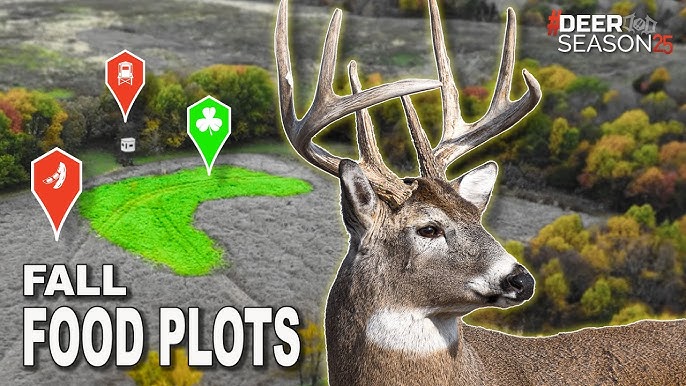
If you want to attract deer to your land and provide them with nutritious food, choosing the right plants for your deer food plot is key. But with so many options out there, it can be confusing to know what will work best for your area and the deer you want to attract.
This guide will help you pick the perfect plants that keep deer coming back season after season. Keep reading to discover simple, effective choices that will make your food plot a magnet for wildlife.

Credit: antlerking.com
Choosing The Right Crops
Planting the right crops in a deer food plot helps attract and feed deer effectively. Choosing crops depends on several factors that affect deer eating habits and the environment.
Understanding these factors will help you select plants that grow well and keep deer coming back to your plot.
Factors Affecting Deer Preferences
Deer prefer certain crops based on taste, nutrition, and availability. They often choose plants rich in protein and easy to digest.
Young deer may like tender shoots, while mature deer eat more leaves and stems. Crop variety helps meet these needs.
- High protein crops like clover and alfalfa attract more deer
- Plants with soft leaves are easier for deer to eat
- Deer avoid bitter or tough plants
- Deer prefer crops that stay green longer in the season
Seasonal Crop Selection
Plant crops that grow well in each season. This keeps food available year-round for deer.
Spring and summer crops feed deer during growth. Fall and winter crops provide nutrition when food is scarce.
- Spring: peas, oats, and clover
- Summer: alfalfa, soybeans, and corn
- Fall: brassicas like turnips and radishes
- Winter: winter wheat and rye
Soil And Climate Considerations
Choose crops that grow well in your soil type and climate. Healthy crops attract more deer and last longer.
Test your soil for nutrients and pH. Adjust soil with lime or fertilizer to help crops grow better.
- Sandy soil grows well with legumes like clover
- Clay soil works best with brassicas and grains
- Cool climates favor oats and winter wheat
- Warm climates support soybeans and corn
Credit: greatdaysoutdoors.com
High-attraction Forage Crops
Deer food plots need crops that attract and feed deer well. Choose plants that provide good nutrition and stay green long.
High-attraction forage crops help keep deer visiting your plot often. These plants grow fast and are tasty to deer.
Clover Varieties
Clover is a popular choice for deer food plots. It is high in protein and easy for deer to digest.
Different clover types work well in various soils and climates. They grow quickly and attract deer for a long time.
- Red Clover: Grows well in many soils and has good nutrition.
- White Clover: Stays green longer and spreads fast.
- Alsike Clover: Tolerates wet soils and offers good deer forage.
Brassicas
Brassicas are leafy plants that deer love to eat. They include turnips, radishes, and rape.
These plants grow fast and produce roots and leaves high in energy. Deer visit plots with brassicas especially in fall and winter.
- Turnips: Provide sweet roots and tender leaves.
- Radishes: Have spicy roots that deer enjoy.
- Rape: A leafy green that grows well in cold weather.
Chicory
Chicory is a deep-rooted plant that stays green in dry weather. It is rich in minerals and protein.
Deer like its broad leaves and flowers. Chicory helps improve soil by breaking up hard ground.
Grains And Cereals
Creating a deer food plot is rewarding. Grains and cereals are great for this. These plants attract deer and provide nutrition.
Different grains offer various benefits. Learn what to plant and when to plant them. This ensures a thriving food plot.
Corn
Corn is a favorite among deer. It grows tall and offers cover. Deer love its sweet kernels.
- Plant corn in well-drained soil.
- Ensure full sun exposure.
- Space seeds 12 inches apart.
Oats
Oats are easy to grow. They are nutritious and attract deer effectively.
Oats thrive in cool, moist climates. Plant them in early spring or fall.
Wheat And Barley
Wheat and barley are versatile grains. They provide food and cover for deer.
| Grain | Planting Season |
| Wheat | Fall |
| Barley | Spring |
Both grains are resilient and require minimal maintenance. They adapt well to various soil types.
Legumes For Nutrition
Legumes are an excellent choice for deer food plots. They provide high protein and improve soil quality. Deer find legumes very nutritious and tasty.
Planting legumes in your food plot helps attract deer and supports their health. Let’s look at three popular legumes for deer nutrition.
Alfalfa
Alfalfa is rich in protein and minerals. It grows well in well-drained soils and tolerates drought. Deer enjoy grazing on alfalfa leaves and stems.
Peas
Peas are fast-growing legumes that fix nitrogen in the soil. They provide a good source of energy and protein for deer. Peas are easy to plant and help improve soil health.
Soybeans
Soybeans offer high protein and fat content. They grow well in warm climates and produce a large amount of forage. Deer often prefer soybean leaves and pods.
| Legume | Protein Content | Soil Preference | Deer Preference |
| Alfalfa | 20-22% | Well-drained | High |
| Peas | 18-20% | Loamy | Moderate |
| Soybeans | 36-40% | Warm, fertile | High |
Perennial Vs Annual Crops
Choosing the right crops for your deer food plot can improve its success. Perennial and annual crops each have unique traits. Understanding these differences helps you plan better.
This guide explains the benefits of perennials, the advantages of annuals, and how combining both types works well.
Benefits Of Perennials
Perennial crops grow back every year without replanting. They save time and reduce soil disturbance. These crops build strong root systems that improve soil health.
- Require less yearly labor
- Provide consistent food source
- Improve soil structure
- Reduce erosion risks
- Often tolerate drought better
Advantages Of Annuals
Annual crops complete their life cycle in one season. They offer flexibility to change crops yearly. Many annuals grow quickly and provide high nutrition.
| Advantage | Details |
| Fast Growth | Ready to feed deer in a short time |
| Crop Rotation | Helps control pests and diseases |
| Variety | Allows planting different crops each year |
| High Nutrition | Often rich in protein and minerals |
Combining Both Types
Using both perennial and annual crops can give the best results. Perennials provide steady food, while annuals add variety and fast growth.
Here are ways to combine them effectively:
- Plant perennials as a base for long-term cover
- Add annuals in gaps to boost food supply
- Rotate annual crops to keep soil healthy
- Use annuals to attract deer during different seasons
Credit: www.outsidepride.com
Planting And Maintenance Tips
Growing a successful deer food plot starts with good planting and care. Proper steps help plants grow strong and attract deer.
Follow simple methods to prepare soil, seed correctly, and keep your plot healthy with water and nutrients.
Soil Preparation
Good soil helps plants grow fast and healthy. Test the soil to check its pH and nutrient levels before planting.
- Clear weeds and debris from the area
- Till the soil to loosen it for roots
- Add lime to balance pH if soil is too acidic
- Use fertilizer based on soil test results
- Make sure the soil drains well to avoid waterlogging
Seeding Techniques
Plant seeds evenly for the best growth. Use the right seeding depth and rate for each plant type.
| Seed Type | Seeding Depth | Seeding Rate (lbs/acre) |
| Clovers | ¼ inch | 4-6 |
| Alfalfa | ½ inch | 8-10 |
| Brassicas | ½ inch | 3-5 |
| Cereal Grains | 1-2 inches | 40-60 |
Watering And Fertilizing
Keep your food plot moist but not soaked. Water early in the morning or late in the evening.
- Water 1-1.5 inches per week during dry periods
- Apply fertilizer based on plant needs and soil test
- Use slow-release fertilizer for steady nutrients
- Watch plants for signs of nutrient deficiency or stress
- Adjust watering and fertilizing as plants grow
Maximizing Deer Attraction
Planting the right crops in a deer food plot can greatly increase deer visits. Deer look for food that is easy to reach and nutritious.
This guide covers how to choose the best plot location, manage cover, and use crop rotation to keep deer coming back.
Plot Location Strategies
Select a plot location near natural deer trails or bedding areas. Deer prefer food plots that feel safe and are easy to access.
- Pick a spot with good sunlight for healthy crop growth.
- Place plots near water sources if possible.
- Keep food plots away from heavy human activity.
- Use natural barriers like trees to hide the plot.
Managing Cover And Safety
Deer need cover to feel safe while feeding. Adding nearby brush or tall grass helps them hide from predators.
| Cover Type | Benefits |
| Brush Piles | Provides quick hiding spots |
| Tall Grass | Makes deer less visible |
| Tree Lines | Blocks wind and noise |
Crop Rotation Practices
Rotating crops each year keeps soil healthy and offers varied nutrition. Deer are attracted to fresh and diverse plants.
- Plant legumes like clover to add nitrogen to the soil.
- Follow with grains such as oats or rye for fall feeding.
- Use brassicas like turnips in winter for high energy food.
- Alternate plots annually to prevent soil depletion.
Frequently Asked Questions
What Plants Attract Deer To A Food Plot?
Clovers, chicory, and brassicas attract deer effectively. These plants provide essential nutrients and are highly palatable. Including a mix ensures deer visit year-round. They also thrive in various soil types, making them ideal for food plots.
When Is The Best Time To Plant Deer Food Plots?
Plant cool-season crops like clover in early spring or late summer. Warm-season plants such as millet should be planted in late spring. Timing depends on your region’s climate and soil conditions for optimal growth.
How Do I Prepare Soil For A Deer Food Plot?
Test soil pH and nutrients first. Add lime to adjust pH to 6. 0-7. 0. Till the soil to loosen it and remove weeds. Proper preparation improves seed germination and plant growth.
What Is The Ideal Size For A Deer Food Plot?
A 1 to 2-acre plot is ideal for attracting deer. It provides enough food without overwhelming the area. Smaller plots can work but may attract fewer deer.
Conclusion
Choosing the right plants helps deer stay healthy and visit often. Clover, chicory, and brassicas work well in many areas. Planting a mix gives deer variety and good nutrition. Pay attention to soil and weather for best growth. Keep your plot clean and well-tended for success.
Watch how deer use the plot to learn what they like. A good food plot supports wildlife and improves hunting chances. Small efforts can lead to big rewards in the field. Enjoy growing plants that make a difference for deer.