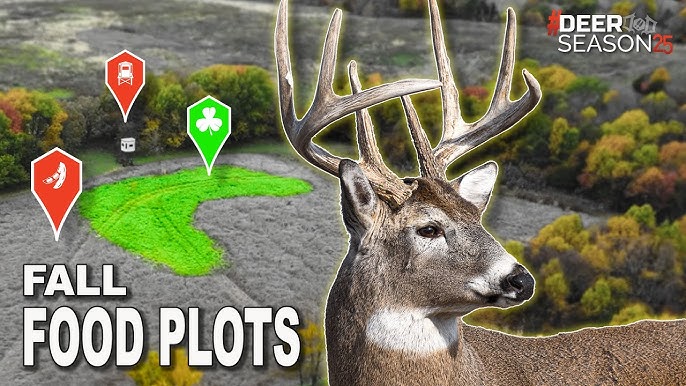
If you want to attract deer to your land, knowing what to plant in your food plots is key. The right plants don’t just feed deer—they keep them coming back year after year.
But with so many options out there, how do you choose what’s best for your area and goals? You’ll discover simple, effective plants that deer love. By the end, you’ll have a clear plan to create a thriving food plot that works for you.
Ready to make your land a deer magnet? Let’s dive in.
Best Crops For Deer Food Plots
Choosing the right crops for deer food plots helps attract and feed deer effectively. Different crops grow best in different seasons and provide varied nutrition.
Understanding which plants deer prefer can improve your food plot success. Here are some great crop options grouped by growing season and type.
Cool-season Grains And Legumes
These crops grow well in cooler weather and provide high protein and energy. They are great for fall and early spring plots.
- Winter wheat
- Oats
- Barley
- Crimson clover
- Hairy vetch
- Peas
Warm-season Crops
These crops thrive in warm weather and provide deer with energy and nutrients during summer and early fall.
| Crop | Benefits |
| Corn | High energy, attracts deer quickly |
| Sorghum | Drought tolerant, good forage |
| Soybeans | Rich in protein and energy |
| Millet | Fast growing, good seed source |
Brassicas And Their Benefits
Brassicas are leafy plants that deer love. They offer excellent nutrition and help keep deer healthy in late fall and winter.
- Turnips
- Radishes
- Kale
- Cabbage
- Rape
Perennial Forage Options
Perennial plants grow back year after year. They provide reliable food sources with less effort to replant.
- Alfalfa
- Chicory
- Birdsfoot trefoil
- Clovers (red, white)

Credit: www.gameandfishmag.com
Soil Preparation And Planting Tips
Preparing soil well helps plants grow strong in food plots for deer. Good planting starts with healthy soil and careful planning.
This guide covers testing soil, best planting times, and how to prepare the seedbed.
Testing And Amending Soil
Test soil before planting. It shows nutrient levels and pH balance. Testing helps you know what your soil needs.
Add lime if soil is too acidic. Use fertilizer to add missing nutrients. Good soil boosts plant growth and deer food quality.
- Collect soil samples from several spots
- Send samples to a local lab for analysis
- Check pH and nutrient levels
- Apply lime to raise pH if below 6.0
- Use fertilizer based on test results
Optimal Planting Times
Plant at the right time for the best growth. Most food plots grow well when planted in spring or early fall.
Spring planting suits warm-season plants. Fall planting fits cool-season plants. Timing helps seeds sprout and grow strong.
- Plant warm-season seeds from late April to June
- Plant cool-season seeds from August to early October
- Avoid planting during very hot or cold weather
- Check local frost dates before planting
Seedbed Preparation Techniques
Prepare the seedbed to give seeds a good start. Clear weeds and loosen soil for better root growth.
Use tillage tools to break up hard soil. Smooth the surface to help even seed planting and water absorption.
- Remove existing vegetation by mowing or spraying
- Till soil to 3-4 inches deep
- Break up large clods of dirt
- Level the soil surface with a rake or harrow
- Plant seeds immediately after preparation
Enhancing Deer Attraction
Planting food plots for deer can help attract and keep them on your property. It provides them with nutritious food and a reason to visit regularly. To make your food plot more effective, consider what types of plants to grow.
Choosing the right mix of crops, using attractants, and managing plot size and location can significantly enhance the attractiveness of your food plot to deer.
Mixing Crop Varieties
Mixing different types of plants can make your food plot more appealing. Some plants grow better in different seasons, providing deer with food year-round.
- Clover is a great choice for spring and summer.
- Oats and rye grow well in the fall and winter.
- Soybeans and corn offer high protein for deer.
Using Attractants And Minerals
Adding attractants and minerals can help make your food plot more inviting. They provide essential nutrients that deer seek.
Mineral blocks or salt licks placed near your plot can attract more deer. Liquid attractants can be sprayed on plants to enhance their appeal.
Managing Plot Size And Location
The size and location of your plot affect its success. A larger plot can support more deer, while a well-placed plot can be easier for deer to find.
- Keep plots away from roads to reduce disturbance.
- Place plots near water sources for added attraction.
- Use natural barriers like trees to provide cover.

Credit: www.youtube.com
Seasonal Food Plot Strategies
Food plots are important for feeding deer throughout the year. Planting the right crops each season helps keep deer healthy. Careful planning makes your food plot successful.
Different plants grow best in different seasons. Knowing what to plant in spring, summer, fall, and winter helps provide steady food for deer. This guide explains how to plan your plots by season.
Spring And Summer Crops
Spring and summer offer warm weather for fast-growing crops. These crops give deer fresh green forage when natural food is scarce. Popular choices include clover, alfalfa, and oats.
- Clover: High in protein and attracts deer early in the season.
- Alfalfa: Provides good nutrition and grows well in warm weather.
- Oats: Fast to grow and tasty for deer.
- Turnips: Offer leafy greens and roots for deer to eat.
- Chicory: Drought tolerant and very nutritious.
Fall And Winter Food Sources
Fall and winter require crops that last through cold weather. Root vegetables and hardy grains help deer survive when other food is limited. Turnips, radishes, and winter wheat are good options.
| Crop | Best Use | Benefits |
| Turnips | Fall and Winter | Leaves and roots provide food |
| Radishes | Fall and Winter | Fast growing and deer like roots |
| Winter Wheat | Winter | Provides grains and cover |
| Rye | Winter | Hardy and good forage |
Maintaining Plots Year-round
Good maintenance keeps food plots healthy. Regular watering, weed control, and soil testing improve plant growth. Rotating crops each season helps soil stay fertile.
Tips to maintain your food plot:
- Test soil every year for nutrients
- Apply lime or fertilizer as needed
- Control weeds with mowing or herbicides
- Water plants during dry spells
- Rotate crops to avoid soil depletion
Common Challenges And Solutions
Planting food plots for deer brings many benefits. Still, some challenges can affect growth and deer use. Knowing these challenges helps you keep plots healthy and productive.
This guide covers three main challenges: weeds and pests, overbrowsing, and weather issues. Find simple solutions to protect your food plots.
Dealing With Weeds And Pests
Weeds and pests can reduce the quality of your food plot quickly. Weeds compete for nutrients and space, while pests can damage plants before they grow.
- Use herbicides carefully to control weeds without harming desired plants.
- Plant a mix of species to reduce pest impact.
- Monitor plots regularly to catch problems early.
- Encourage natural predators like ladybugs to control pest insects.
- Use physical barriers or repellents to keep larger pests away.
Preventing Overbrowsing
Overbrowsing happens when deer eat too much from the plot. This can stunt plant growth and reduce food availability.
| Method | Description |
|---|---|
| Rotate Plots | Allow some plots to rest while others grow to full size. |
| Use Fencing | Install temporary fences to limit deer access during early growth. |
| Plant Durable Species | Choose plants that recover quickly from browsing. |
| Add Supplemental Food | Provide extra feed nearby to reduce pressure on plots. |
Weather-related Issues
Weather changes affect seed germination and plant survival. Drought, heavy rain, and frost each create unique problems.
Tips to handle weather issues include:
- Plant drought-tolerant species in dry areas.
- Improve soil drainage to prevent root rot after heavy rains.
- Use mulch to keep soil moist and protect roots.
- Plan planting times to avoid frost damage.
Credit: www.outsidepride.com
Frequently Asked Questions
What Are The Best Plants For Deer Food Plots?
The best plants for deer food plots include clover, chicory, alfalfa, and brassicas. These plants provide high nutrition and attract deer effectively. Choose varieties that suit your soil and climate for optimal growth and deer attraction throughout the seasons.
When Is The Best Time To Plant Deer Food Plots?
The best time to plant deer food plots is early spring or late summer. These periods ensure good soil temperatures and moisture for seed germination. Planting during these times helps establish healthy forage before peak deer feeding seasons in fall and winter.
How Do I Maintain A Healthy Deer Food Plot?
Maintain a healthy deer food plot by regular mowing, watering, and fertilizing. Control weeds to reduce competition. Rotate crops yearly to improve soil quality. Proper maintenance ensures continuous growth and attractiveness to deer, enhancing your hunting or wildlife viewing experience.
Can I Mix Different Plants In A Deer Food Plot?
Yes, mixing different plants in a deer food plot increases forage diversity and nutrition. Combining legumes, grains, and brassicas provides balanced food sources. This approach attracts more deer and supports them through varying seasonal needs.
Conclusion
Choosing the right plants helps attract deer to your food plot. Clover, chicory, and brassicas work well for many seasons. These plants provide nutrients deer need to stay healthy. Planting a mix keeps deer interested and coming back. Good soil and watering help your plants grow strong.
Watch your plot and adjust plants as needed. Healthy food plots support better deer habits and hunting success. Start small, learn what grows best in your area. Deer will thank you with frequent visits to your plot.