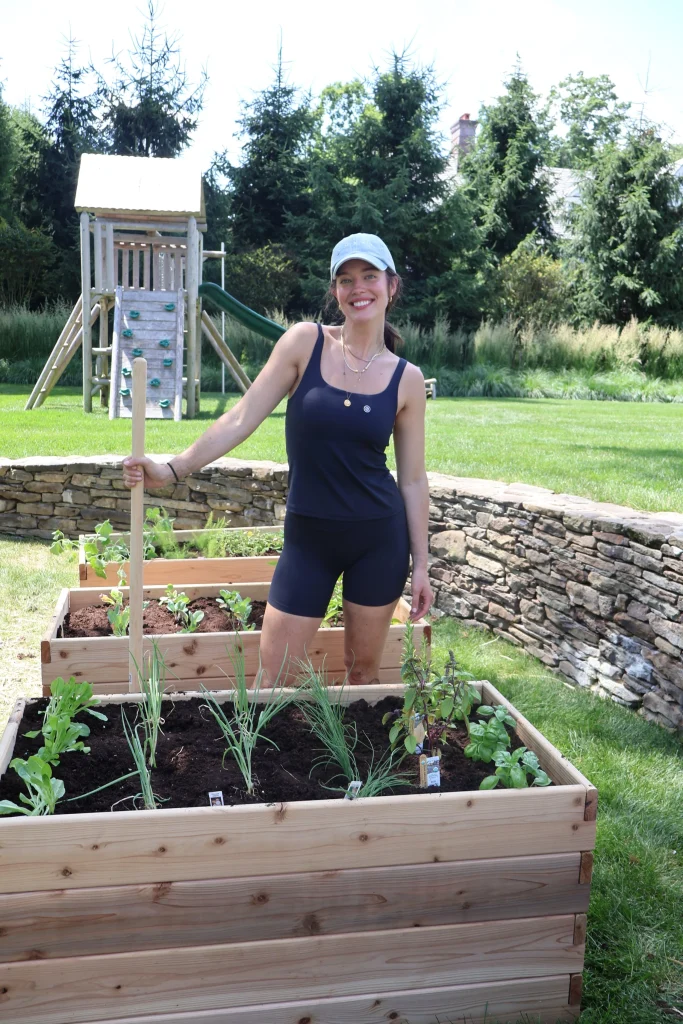
Are you ready to turn your raised garden bed into a thriving green space? Choosing what to plant can feel overwhelming, but it doesn’t have to be.
Whether you want fresh veggies, vibrant flowers, or fragrant herbs, the right choices can make your garden bloom with life and color. You’ll discover simple, smart planting ideas that fit your space and needs perfectly. Keep reading, and you’ll soon know exactly what to plant to enjoy a beautiful, productive garden all season long.
Choosing Plants For Raised Beds
Raised garden beds give you control over your soil and space. Picking the right plants helps your garden grow strong. Knowing the benefits of raised beds guides your choices.
Consider what your plants need and how your garden bed can meet those needs. This helps you select plants that will thrive and produce well.
Benefits Of Raised Beds For Plant Growth
Raised beds improve soil drainage and temperature. They reduce soil compaction, making it easier for roots to grow. You can add better soil and compost to feed your plants.
- Better drainage prevents waterlogging
- Soil warms faster in spring
- Less soil compaction helps root growth
- Easy to add rich soil and nutrients
- Fewer weeds and pests
Factors To Consider When Selecting Plants
Think about sunlight, soil type, and space when choosing plants. Some plants need full sun while others like shade. Check how much room each plant needs to grow.
| Factor | What to Check | Why It Matters |
| Sunlight | Full sun or partial shade | Plants need light to grow well |
| Soil Type | Acidic, neutral, or alkaline | Soil pH affects nutrient availability |
| Space | Plant size and spacing needs | Prevents overcrowding and disease |
| Water Needs | Frequent or moderate watering | Keeps plants healthy without overwatering |
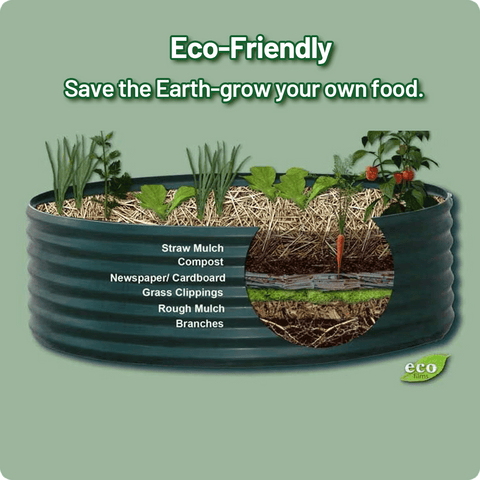
Credit: www.ollegardens.com
Easy Vegetables For Raised Beds
Raised garden beds make growing vegetables easier and more efficient. They improve soil drainage and keep plants healthy.
Choosing the right vegetables helps you enjoy a good harvest with less work. Here are some easy options for your raised bed garden.
Leafy Greens That Thrive
Leafy greens grow quickly and need little space. They do well in raised beds because the soil stays loose and moist.
- Spinach grows fast and is rich in vitamins.
- Lettuce offers many types and tastes great fresh.
- Kale is hardy and grows well in cool weather.
- Swiss chard adds color and nutrition to meals.
Root Vegetables To Try
Raised beds give root vegetables room to grow straight and large. Loose soil helps roots develop without breaking.
| Vegetable | Planting Time | Soil Depth Needed |
| Carrots | Early spring or late summer | 12 inches |
| Radishes | Spring and fall | 6 inches |
| Beets | Spring or fall | 8 inches |
| Turnips | Spring or fall | 8 inches |
Popular Fruiting Veggies
Fruiting vegetables add color and flavor to your garden. Many grow well in raised beds with good sun and water.
Try these easy fruiting vegetables:
- Tomatoes: Need support like cages or stakes.
- Peppers: Grow well in warm, sunny spots.
- Beans: Climbing varieties use vertical space well.
- Cucumbers: Spread quickly and produce many fruits.
Best Herbs For Raised Gardens
Raised garden beds are perfect for growing a variety of herbs. They offer good drainage and easy access. Choosing the right herbs can bring flavor and fragrance to your garden.
Herbs are easy to grow in raised beds. They need sunlight and well-drained soil. Let’s explore some of the best herbs for your garden.
Culinary Herbs That Flourish
Culinary herbs add flavor to your meals. They are easy to grow and maintain. Here are some top choices for your raised garden bed.
- Basil: Loves sunlight and warm temperatures. Perfect for pasta and salads.
- Parsley: Grows well in partial shade. A great garnish for many dishes.
- Thyme: Needs full sun and dry soil. Adds depth to soups and meats.
- Chives: Thrives in sunny spots. Ideal for salads and baked potatoes.
Medicinal And Aromatic Choices
Medicinal and aromatic herbs offer health benefits and pleasant scents. They are a wonderful addition to any garden bed. Here are some suggestions.
- Lavender: Needs full sun. Its scent is calming and great for teas.
- Mint: Prefers moist soil. Refreshing in drinks and soothing for headaches.
- Lemon Balm: Grows in partial shade. Helps with stress and anxiety.
- Echinacea: Thrives in sunny spots. Known for boosting the immune system.
Flowers To Brighten Raised Beds
Adding flowers to your raised garden bed can bring color and life. Flowers also help attract useful insects and pollinators. This makes your garden healthy and lively.
Choosing the right flowers helps your plants grow better. Some flowers work well with vegetables and herbs. Let’s explore flowers that brighten raised beds and support your garden.
Pollinator-friendly Flowers
Pollinators like bees and butterflies need flowers for food. Planting pollinator-friendly flowers helps these insects visit your garden. This improves fruit and vegetable production.
- Lavender – bright purple flowers attract bees
- Sunflowers – large heads provide nectar and pollen
- Marigolds – easy to grow and loved by butterflies
- Cosmos – delicate flowers that attract many pollinators
- Zinnias – colorful blooms that bring in bees and butterflies
Companion Planting With Flowers
Flowers can protect vegetables by keeping pests away. Some flowers also improve soil health or attract helpful insects. Planting flowers with your crops is smart gardening.
| Flower | Companion Plant | Benefit |
| Marigold | Tomatoes | Repels nematodes and insects |
| Nasturtium | Cucumbers | Attracts aphids away from crops |
| Chives | Carrots | Improves flavor and repels carrot flies |
| Calendula | Lettuce | Attracts pollinators and deters pests |
| Borage | Strawberries | Enhances growth and attracts bees |
Seasonal Planting Tips
Raised garden beds offer great control over soil and drainage. Choosing the right plants for each season helps your garden thrive.
Knowing what to plant during spring, summer, fall, and winter keeps your garden productive year-round.
Spring And Summer Selections
Spring is perfect for starting many vegetables and flowers. Warm weather crops grow well in raised beds during summer.
Choose plants that enjoy full sun and warm soil to get the best results in these seasons.
- Tomatoes
- Peppers
- Cucumbers
- Beans
- Squash
- Marigolds
- Basil
Fall And Winter Options
Cooler temperatures suit certain vegetables and herbs in fall and winter. Raised beds warm faster, helping these plants grow.
Look for hardy crops that tolerate frost and shorter days during these seasons.
- Kale
- Spinach
- Carrots
- Broccoli
- Garlic
- Parsley
- Winter lettuce
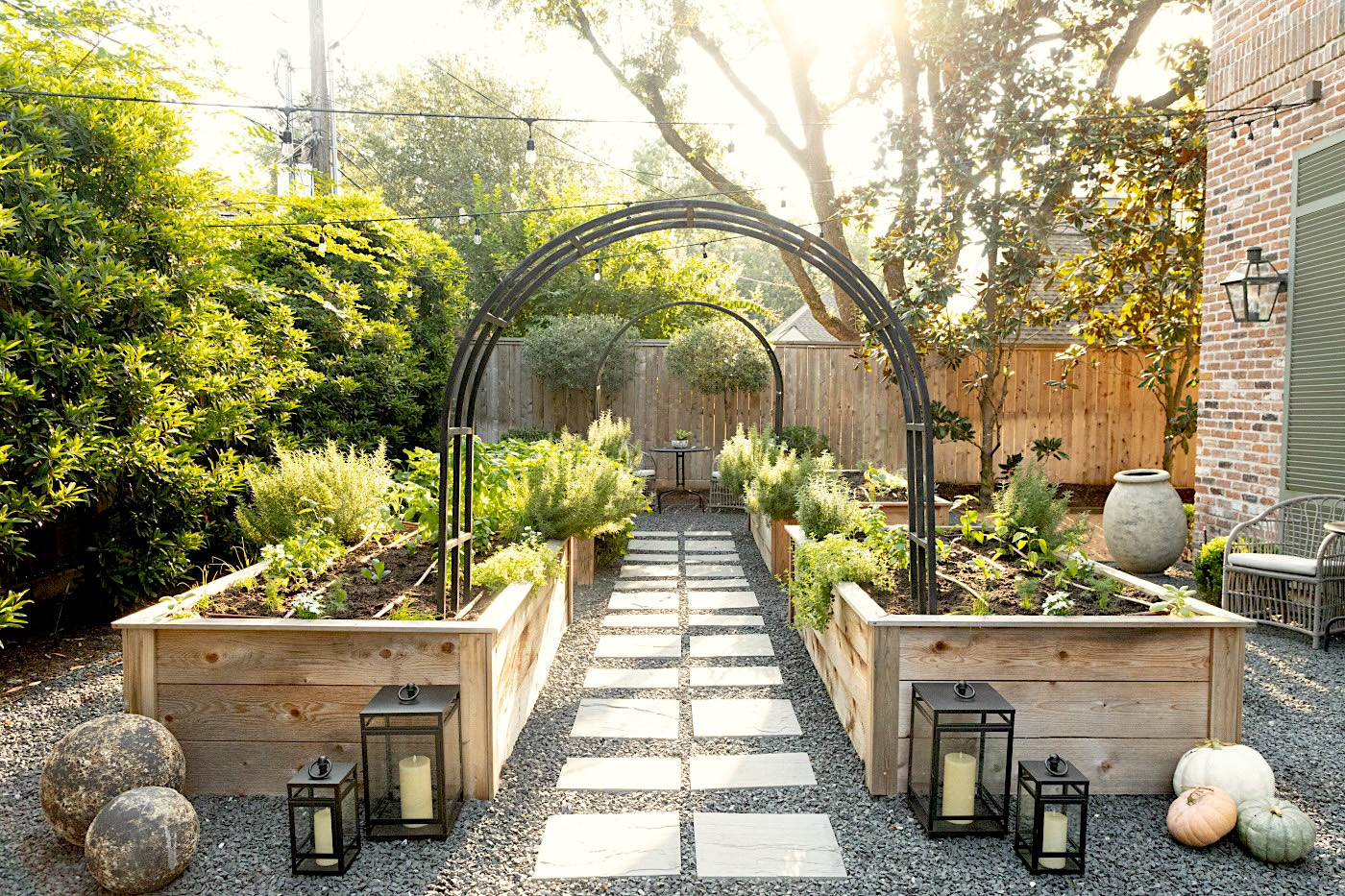
Credit: www.gardenary.com
Soil And Maintenance Tips
Growing plants in raised garden beds needs good soil and proper care. Healthy soil helps plants grow strong.
Regular maintenance keeps your garden bed productive and your plants happy. Let’s explore how to prepare soil and care for your plants.
Soil Preparation For Raised Beds
Start with loose, well-draining soil for your raised bed. This lets roots grow easily and stops water from pooling.
Mix organic matter like compost or aged manure into the soil. This adds nutrients and improves soil texture.
- Remove weeds and rocks before adding soil
- Use a mix of topsoil, compost, and peat moss
- Aim for a soil depth of at least 12 inches
- Test soil pH; most plants like 6.0 to 7.0
- Turn soil gently to keep it airy and loose
Watering And Fertilizing Strategies
Water your raised bed regularly to keep soil moist but not soggy. Raised beds dry out faster than ground soil.
Use natural fertilizers like compost tea or fish emulsion. Feed plants every few weeks during growing season.
- Water early in the morning or late in the evening
- Check soil moisture by feeling the top inch
- Apply mulch to keep soil moist and reduce weeds
- Follow fertilizer instructions to avoid overfeeding
- Adjust watering based on weather and plant needs

Credit: www.msn.com
Frequently Asked Questions
What Vegetables Grow Best In Raised Garden Beds?
Leafy greens, tomatoes, peppers, carrots, and radishes thrive well. Raised beds provide good drainage and soil warmth, ideal for these crops. They are easy to manage and harvest, making them perfect for raised garden beds.
Can I Plant Flowers Alongside Vegetables In Raised Beds?
Yes, companion planting with flowers attracts pollinators and repels pests. Marigolds, nasturtiums, and calendula are popular choices. This method boosts vegetable growth and garden health naturally.
How Often Should I Water Plants In Raised Garden Beds?
Water raised beds deeply about 2-3 times a week. Frequency depends on weather, soil type, and plant needs. Ensure soil stays moist but not waterlogged for healthy growth.
What Soil Mix Is Best For Raised Garden Beds?
A mix of compost, peat moss, and vermiculite works best. This blend improves drainage, nutrient retention, and aeration. Healthy soil supports strong, productive plants in raised beds.
Conclusion
Choosing plants for your raised garden bed can be simple and fun. Pick vegetables, herbs, or flowers you enjoy eating or seeing. Think about sunlight, space, and soil needs for each plant. Small plants work well in tight spaces. Water your garden regularly and watch it grow.
Growing your own food brings joy and fresh flavors. Start small, learn, and add more plants later. Raised beds give control and make gardening easier. Happy planting!