
Are you ready to transform your garden space and grow fresh, healthy plants right at your fingertips? Raised garden beds are perfect for giving your plants the best start, but choosing what to plant can feel overwhelming.
Whether you want vibrant veggies, fragrant herbs, or colorful flowers, knowing the right plants for your raised beds will make all the difference. Keep reading, and you’ll discover simple, effective ideas to fill your raised garden beds with thriving plants that suit your space and lifestyle perfectly.
Your garden’s full potential is just a few steps away!

Credit: www.vegogarden.com
Choosing The Right Plants
Picking the right plants for raised garden beds is important. The right plants grow well and make your garden look great.
Think about the soil, climate, and space before planting. These factors help you decide what to grow.
Consider Soil And Climate
Raised beds can have different soil types than the ground. Check if the soil is sandy, loamy, or clay.
Climate affects plant growth. Choose plants that match your local weather and temperature.
- Test soil pH and nutrients before planting
- Pick plants that handle your area’s temperature
- Choose drought-tolerant plants if your area is dry
- Consider frost dates for planting times
Select Based On Bed Size
Raised beds come in many sizes. Choose plants that fit the space well.
Large plants need more room to grow. Small plants can fill tight spaces.
- Use tall plants like tomatoes for deep beds
- Plant herbs or lettuce in smaller beds
- Mix small and medium plants to use space wisely
Annuals Vs Perennials
Annual plants live for one season. Perennials return every year.
Decide if you want to replant each year or have plants grow back on their own.
- Annuals give quick harvests and bright flowers
- Perennials save time by growing back each spring
- Mix both for variety and easy care
Best Vegetables For Raised Beds
Raised garden beds offer great soil control and drainage. They make growing vegetables easier and more productive.
Choosing the right vegetables helps you get the best results. Some vegetables grow better in raised beds than others.
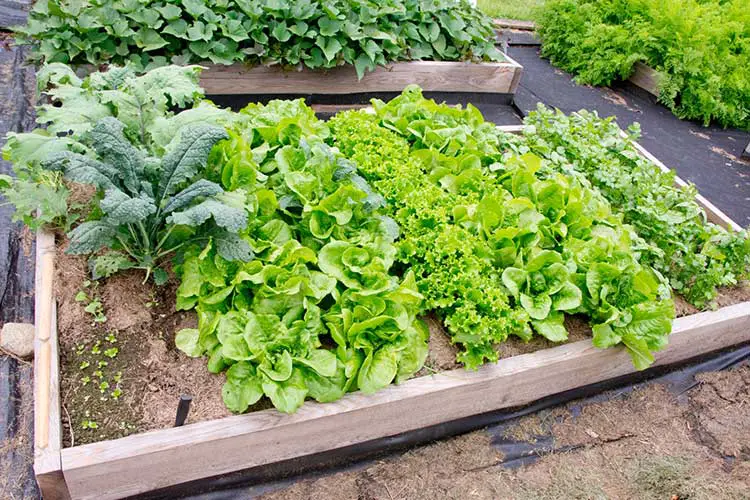
Leafy Greens
Leafy greens grow fast and do well in raised beds. They need cool weather and regular watering to stay fresh.
These vegetables provide lots of vitamins and are easy to harvest. They fit well in small spaces.
- Lettuce
- Spinach
- Kale
- Swiss Chard
- Arugula
Root Vegetables
Raised beds give root vegetables loose soil to grow deep and straight. This soil helps roots develop well.
These vegetables store energy underground and are packed with nutrients. They grow best in well-drained soil.
- Carrots
- Beets
- Radishes
- Turnips
- Potatoes
Fruit-bearing Veggies
Fruit-bearing vegetables need warm soil and good sunlight. Raised beds warm up faster in spring.
These plants produce tasty fruits that add variety to your garden. Support some with stakes or cages.
- Tomatoes
- Peppers
- Cucumbers
- Zucchini
- Eggplants
Ideal Herbs To Grow
Raised garden beds are perfect for growing herbs. They provide good drainage and easy access. Let’s explore ideal herbs to plant in your raised beds.
Herbs enhance flavors and offer health benefits. You can grow culinary and medicinal herbs in raised beds. Companion planting also improves garden health.
Culinary Herbs
Culinary herbs add flavor to your dishes. They are easy to grow in raised beds. Basil, parsley, and chives are popular choices.
- Basil thrives in warm temperatures
- Parsley is rich in vitamins
- Chives repel pests naturally
Medicinal Herbs
Medicinal herbs offer natural remedies. They are beneficial for health. Consider planting chamomile, mint, and lavender.
- Chamomile helps with sleep
- Mint aids digestion
- Lavender relieves stress
Companion Planting Benefits
Companion planting improves garden health. Certain herbs protect and support other plants. They can deter pests and enhance growth.
| Herb | Companion Plant | Benefit |
| Basil | Tomatoes | Enhances flavor |
| Dill | Cabbage | Repels insects |
| Sage | Carrots | Improves growth |
Fruits That Thrive In Raised Beds
Raised garden beds give plants good soil and drainage. They also make it easier to grow fruits in small spaces.
Some fruits do very well in raised beds. These beds help fruit plants grow strong and produce more fruit.
Berries
Berries like blueberries, strawberries, and raspberries grow well in raised beds. They need well-drained soil and good sunlight.
Raised beds keep the soil warm and reduce weeds. This helps berries grow healthy and produce sweet fruit.
- Blueberries need acidic soil and plenty of water.
- Strawberries spread quickly and need space to grow.
- Raspberries prefer deep soil and can grow tall.
Dwarf Fruit Trees
Dwarf fruit trees are perfect for raised beds. They stay small but still produce lots of fruit.
These trees need good soil and full sun. Raised beds give them room to grow without crowding.
- Choose dwarf apple or peach trees for small spaces.
- Water regularly to keep soil moist but not wet.
- Prune trees to keep them healthy and productive.
Melons And Squash
Melons and squash grow fast and spread out. Raised beds help control their vines and keep soil warm.
These fruits need rich soil and plenty of space. Raised beds make it easier to manage their growth.
- Choose smaller melon varieties for raised beds.
- Use mulch to keep soil moist and cool.
- Train vines to grow along the edges of the bed.
Flower Choices For Raised Beds
Raised garden beds are great for growing flowers. They offer good soil and drainage for plants.
Choosing the right flowers makes your garden look beautiful and supports nature. Let’s explore some good options.
Pollinator-friendly Flowers
Pollinator-friendly flowers attract bees, butterflies, and other helpful insects. They help plants grow by spreading pollen.
These flowers also add color and life to your raised beds. They support a healthy garden environment.
- Lavender
- Sunflowers
- Marigolds
- Cosmos
- Bee balm
Edible Flowers
Edible flowers add beauty and flavor to your garden. You can use them in salads, drinks, or decorations.
They grow well in raised beds and are safe to eat. These flowers are also low maintenance.
- Calendula
- Violas
- Chive blossoms
- Squash blossoms
- Borage
Seasonal Blooms
Seasonal flowers bloom at different times of the year. Planting them keeps your garden colorful all year.
Choose flowers that match your local climate and seasons. This helps them grow strong and healthy.
- Spring: Tulips, Daffodils, Pansies
- Summer: Zinnias, Petunias, Geraniums
- Fall: Chrysanthemums, Asters, Ornamental Kale
- Winter: Hellebores, Camellias, Cyclamen
Credit: www.farmfreshchoice.com
Tips For Planting And Maintenance
Raised garden beds help plants grow strong and healthy. Good planting and care make a big difference. This guide covers important tips for soil, watering, and pest control.
Follow these easy steps to keep your garden productive and your plants happy. Use the right soil, water properly, and protect from pests.
Soil Preparation
Good soil is the base for healthy plants in raised beds. Use rich, loose soil that drains well. Mix compost or organic matter to add nutrients. Avoid compacted soil that blocks roots.
- Remove weeds and old roots before planting
- Mix equal parts of compost and garden soil
- Check soil pH and adjust if needed (6.0 to 7.0 is ideal)
- Loosen soil to about 12 inches deep
- Add mulch on top to keep moisture in
Watering Techniques
Water plants deeply but less often to encourage strong roots. Shallow watering leads to weak roots and dry soil. Use drip irrigation or soaker hoses to save water and avoid wet leaves.
| Time of Day | Watering Tips |
| Morning | Best time to water. Soil absorbs well. |
| Afternoon | Avoid watering. Water evaporates fast. |
| Evening | Water gently. Avoid wet leaves overnight. |
Pest And Disease Control
Keep pests and diseases away with simple care. Check plants often for bugs or spots. Remove damaged leaves and use natural sprays if needed. Healthy plants resist problems better.
- Handpick pests like caterpillars and beetles
- Use neem oil or insecticidal soap for small infestations
- Plant herbs like basil or marigold to repel insects
- Remove fallen leaves to prevent fungal growth
- Keep good air flow between plants

Credit: www.vegega.com
Frequently Asked Questions
What Vegetables Grow Best In Raised Garden Beds?
Leafy greens, tomatoes, carrots, and peppers thrive in raised beds. The well-drained soil promotes healthy root growth and reduces pests, making these vegetables ideal for raised garden planting.
How Do Raised Beds Improve Plant Growth?
Raised beds warm up faster in spring, improving root development. They offer better drainage, prevent soil compaction, and allow for customized soil mixes, creating ideal conditions for plant growth.
Can Herbs Be Grown Effectively In Raised Beds?
Yes, herbs like basil, thyme, and rosemary flourish in raised beds. These beds provide excellent drainage and soil control, which helps herbs grow robustly and resist diseases.
What Flowers Are Suitable For Raised Garden Beds?
Marigolds, petunias, and pansies are perfect for raised beds. Their shallow roots and bright blooms thrive in the nutrient-rich, well-drained soil of raised garden beds.
Conclusion
Raised garden beds offer great space for growing many plants. Choose vegetables and herbs that suit your climate and taste. Keep soil healthy and water regularly for best growth. Raised beds help control weeds and pests easily. Enjoy fresh, homegrown produce with less effort.
Start small and learn as you grow each season. Gardening becomes simple and rewarding this way. Happy planting!