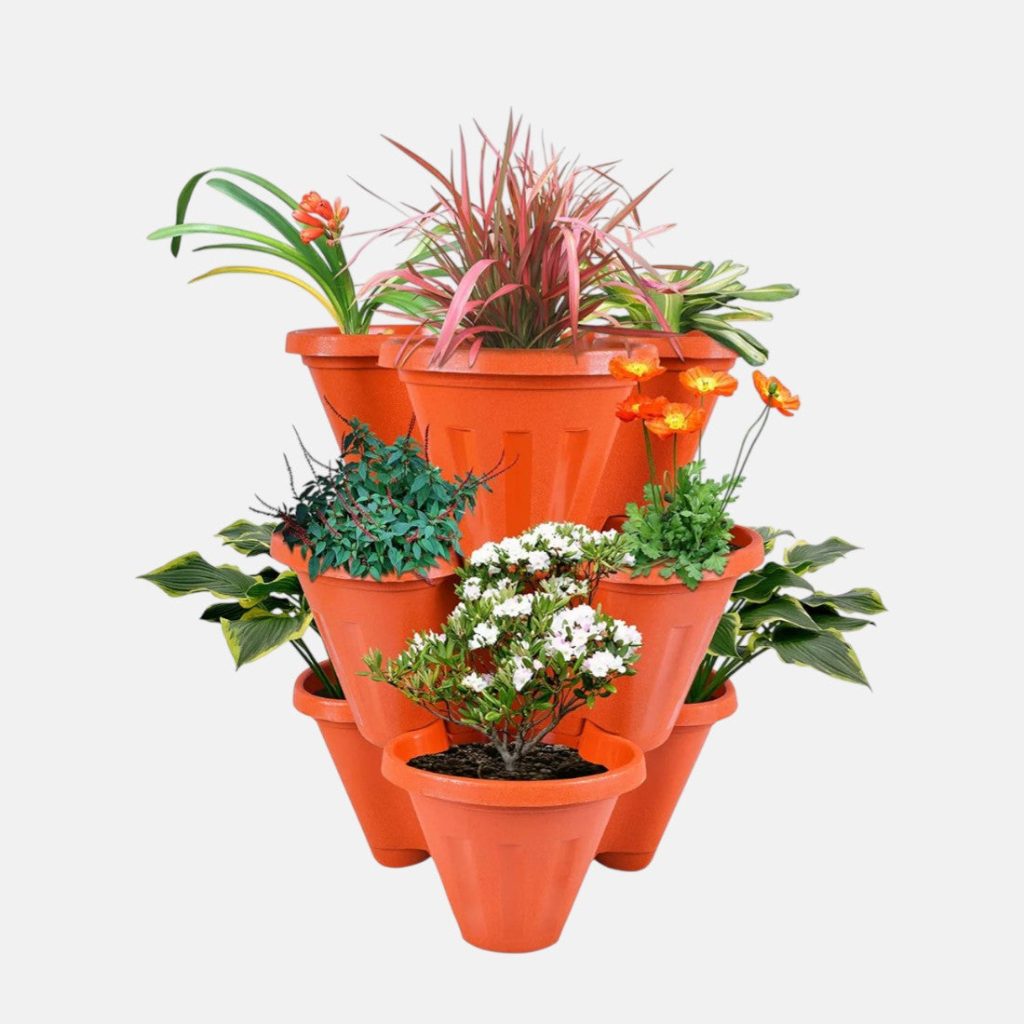
Looking to make the most of your small space? Stackable planters are a smart and stylish way to grow fresh herbs, vibrant flowers, or even your own veggies right at home.
But what should you plant to get the best results? Choosing the right plants can turn your stackable planter into a lush, thriving garden that brightens your space and fits your lifestyle. Keep reading, and you’ll discover easy, rewarding options that fit perfectly in your vertical garden—no green thumb required!

Credit: bexcodeservices.com
Choosing Plants For Stackable Planters
Stackable planters save space and look great in small areas. Choosing the right plants helps them grow well and look beautiful.
Think about how plants grow, their light needs, and how much water they want. This guide helps you pick the best plants for stackable planters.
Consider Growth Habit
Growth habit means how a plant grows and spreads. Choose plants that fit well in stackable planters to avoid crowding.
Look for plants with compact or trailing growth. Tall plants may block sunlight for lower levels.
- Compact plants: herbs like thyme or small flowers
- Trailing plants: ivy or creeping jenny
- Avoid tall plants like sunflowers
Assess Light Requirements
Stackable planters have different light at each level. Check how much sunlight each plant needs before planting.
Place sun-loving plants on top where light is strongest. Shade-tolerant plants do better on lower levels.
- Full sun: tomatoes, basil, petunias
- Partial shade: lettuce, spinach, ferns
- Shade: ivy, begonias, hostas
Match Water Needs
Plants in the same planter should have similar water needs. This keeps all plants healthy and happy.
Overwatering or underwatering one plant can harm others in the stackable planter.
- High water needs: lettuce, basil, petunias
- Medium water needs: thyme, marigolds, ferns
- Low water needs: succulents, sedum, lavender
Best Herbs For Stackable Planters
Stackable planters save space and add greenery to small areas. Growing herbs in these planters is easy and rewarding. Many herbs thrive well in confined soil and limited space.
This guide covers some of the best herbs for stackable planters. You will learn which herbs grow well together and what makes them ideal for vertical gardening.
Basil And Parsley
Basil and parsley grow well in stackable planters because they do not need deep soil. Basil prefers warm, sunny spots and moist soil. Parsley grows well in partial shade and needs regular watering.
- Basil has a strong aroma and pairs well with tomatoes.
- Parsley is rich in vitamins and good for garnishing dishes.
- Both herbs need good drainage to prevent root rot.
- Harvest leaves regularly to encourage new growth.
Thyme And Oregano
Thyme and oregano are hardy herbs that grow well in small spaces. They prefer full sun and dry soil. These herbs add flavor to many recipes and need little care once established.
| Herb | Sunlight | Water Needs | Soil Type |
| Thyme | Full sun | Low | Well-drained |
| Oregano | Full sun | Moderate | Well-drained |
Mint And Chives
Mint and chives grow quickly and spread easily. Mint can take over a garden if not contained. Stackable planters keep mint roots controlled. Chives prefer full sun but tolerate some shade.
Tips for growing mint and chives in stackable planters:
- Plant mint in its own container to avoid crowding other herbs.
- Chives grow well with most other herbs and need regular trimming.
- Both herbs prefer moist soil but not waterlogged.
- Use a balanced fertilizer once a month during growing season.
Ideal Vegetables To Grow
Stackable planters are perfect for growing vegetables in small spaces. They let you make the most of vertical gardening.
Here are some vegetables that thrive in stackable planters. These choices are easy to grow and delicious to eat.
Leafy Greens
Leafy greens like spinach and lettuce are excellent for stackable planters. They grow quickly and require little space.
These greens are rich in vitamins and minerals. They are also perfect for salads and sandwiches.
- Spinach grows well in cooler climates.
- Lettuce varieties can be harvested continually.
- Chard is colorful and nutritious.
Cherry Tomatoes
Cherry tomatoes are a favorite for many gardeners. They are small, sweet, and perfect for snacking.
These tomatoes need support as they grow. A small trellis or stake works well in stackable planters.
- Choose sun-loving varieties for best results.
- Water regularly to keep the soil moist.
- Harvest when the tomatoes are bright red.
Peppers And Radishes
Peppers and radishes are great for beginner gardeners. They grow fast and are easy to care for in stackable planters.
Peppers come in many colors and flavors. Radishes add a spicy crunch to salads.
| Peppers | Radishes |
| Need warm temperatures | Grow well in cool climates |
| Provide ample sunlight | Ready to harvest in 3-4 weeks |

Credit: www.amazon.com
Flowering Plants For Color
Stackable planters brighten small spaces with vibrant flowers. Choose plants that bloom all season long.
Flowering plants add life and color to your balcony or patio. They fit perfectly in stackable containers.
Petunias And Marigolds
Petunias show bright colors like pink, purple, and white. Marigolds offer deep orange and yellow shades. Both grow well in full sun.
- Petunias need regular watering but dry soil between watering.
- Marigolds are low maintenance and resist pests.
- Both plants attract pollinators like bees and butterflies.
Pansies And Nasturtiums
Pansies bring cool-season color with purple, yellow, and blue flowers. Nasturtiums have bright orange and red blooms and edible leaves.
| Plant | Color Options | Sunlight |
| Pansies | Purple, Yellow, Blue | Partial Shade |
| Nasturtiums | Orange, Red, Yellow | Full Sun |
Succulents And Small Perennials
Succulents add interesting shapes and colors like green, red, and purple. Small perennials keep color year after year with little care.
- Aloe vera has thick green leaves and small flowers.
- Lavender offers purple blooms and a pleasant scent.
- Heuchera comes in red, purple, and silver leaf colors.
Tips For Healthy Growth
Stackable planters are great for small spaces. Choosing the right care helps plants grow strong and healthy.
Good soil, proper watering, and pest control keep your garden thriving. Learn how to care for your plants well.
Soil And Fertilizer Choices
Use light, well-draining soil to prevent waterlogging. Mix organic compost for better nutrients.
- Choose potting soil made for container plants
- Add slow-release fertilizer every 4 to 6 weeks
- Use natural compost to improve soil texture
- Avoid heavy garden soil that may clog drainage
Watering Techniques
Water plants deeply but less often to encourage roots to grow. Check soil moisture before watering.
| Time of Day | Watering Tip |
| Morning | Best time to water to reduce evaporation |
| Afternoon | Water if soil feels dry, avoid hot sun |
| Evening | Only water if needed to prevent fungus |
Managing Pests And Diseases
Inspect plants regularly for bugs and spots. Healthy plants resist pests better.
Try these pest management tips:
- Use neem oil spray to control insects
- Remove damaged leaves promptly
- Keep planters clean and dry
- Introduce beneficial insects like ladybugs
Seasonal Planting Ideas
Stackable planters save space and work well for many plants. Choosing the right plants for each season helps your garden thrive. You can enjoy fresh flowers, herbs, and vegetables year-round.
Below are ideas for what to plant in stackable planters through the year. Each season offers unique options that grow well in small spaces.
Spring Selections
Spring is a great time to start leafy greens and early flowers. These plants grow quickly and add color and flavor to your garden.
- Lettuce
- Spinach
- Radishes
- Peas
- Calendula
- Sweet peas (flower)
Summer Favorites
Summer heat suits sun-loving plants. Choose varieties that can handle warm weather in stackable planters.
| Plant | Care Tips |
| Basil | Needs full sun, water daily |
| Cherry tomatoes | Support with stakes, water often |
| Peppers | Warm soil, plenty of sun |
| Marigolds | Sun-loving, repel pests |
Fall And Winter Options
Cooler months allow planting hardy vegetables and some flowers. Choose plants that survive frost and short days.
Try these plants in your stackable planters during fall and winter:
- Kale
- Brussels sprouts
- Carrots
- Winter pansies
- Garlic

Credit: www.amazon.in
Frequently Asked Questions
What Vegetables Grow Well In Stackable Planters?
Leafy greens like lettuce, spinach, and kale thrive in stackable planters. Root vegetables such as radishes and carrots also grow well. These planters provide good drainage and space for roots, making them ideal for compact vegetable gardening in small spaces.
Can Herbs Be Grown In Stackable Planters?
Yes, herbs like basil, parsley, mint, and thyme grow perfectly in stackable planters. These planters allow for proper drainage and root growth. They are great for kitchen gardens, offering fresh herbs at your fingertips with minimal space required.
How Much Sunlight Do Plants In Stackable Planters Need?
Most plants in stackable planters require 4-6 hours of sunlight daily. Herbs and vegetables generally need full sun for healthy growth. Ensure the planters are placed in a sunny spot to maximize photosynthesis and yield.
Are Stackable Planters Suitable For Flowering Plants?
Yes, many flowering plants like petunias, pansies, and marigolds do well in stackable planters. They add color and beauty to small spaces. Choose flowers that don’t require deep soil for best results.
Conclusion
Stackable planters offer a smart way to grow plants in small spaces. Herbs, leafy greens, and flowers all thrive well in them. Choose plants that need similar water and sunlight. This keeps care simple and plants healthy. Remember to check soil moisture often and trim plants as needed.
With the right choices, your stackable planter will look great and produce fresh greens. Try different plants to find what grows best for you. Gardening can be fun and rewarding, even in tight spaces. Start small, enjoy the process, and watch your garden grow.