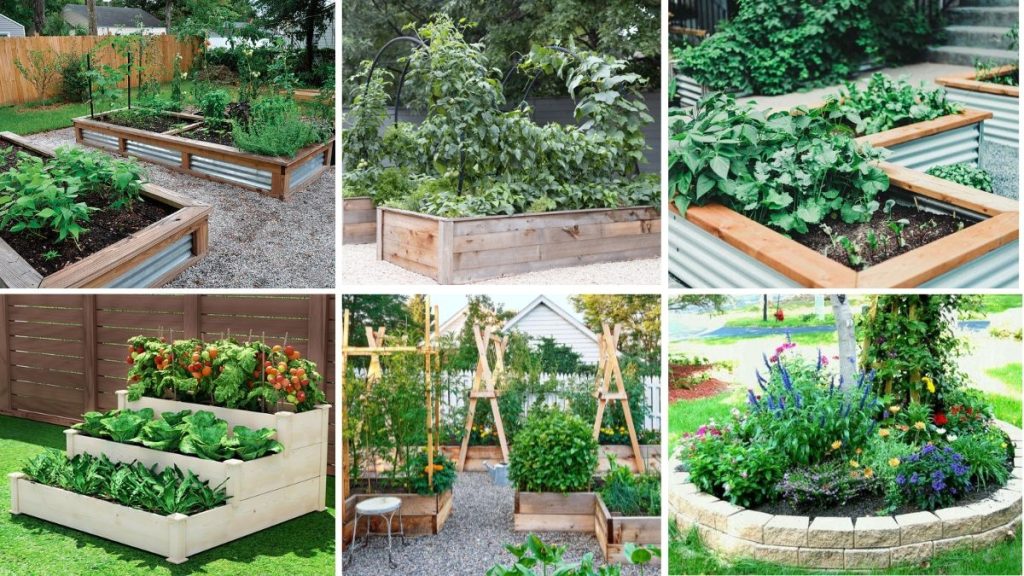
Are you wondering what to put around your raised garden beds to make them look great and work even better? What you choose can protect your plants, keep pests away, and add style to your garden space.
Whether you want something practical, decorative, or both, the right materials and ideas can transform your raised beds into a garden you’ll love spending time in. Keep reading to discover simple, smart options that fit your needs and help your garden thrive.

Credit: www.amazon.in
Materials For Edging
Raised garden beds need edging to keep soil and plants in place. Choosing the right material helps your garden look neat and stay strong.
Many materials work well for edging. Some are natural, while others are made to last. Let’s explore good choices for your garden bed edges.
Wood Options
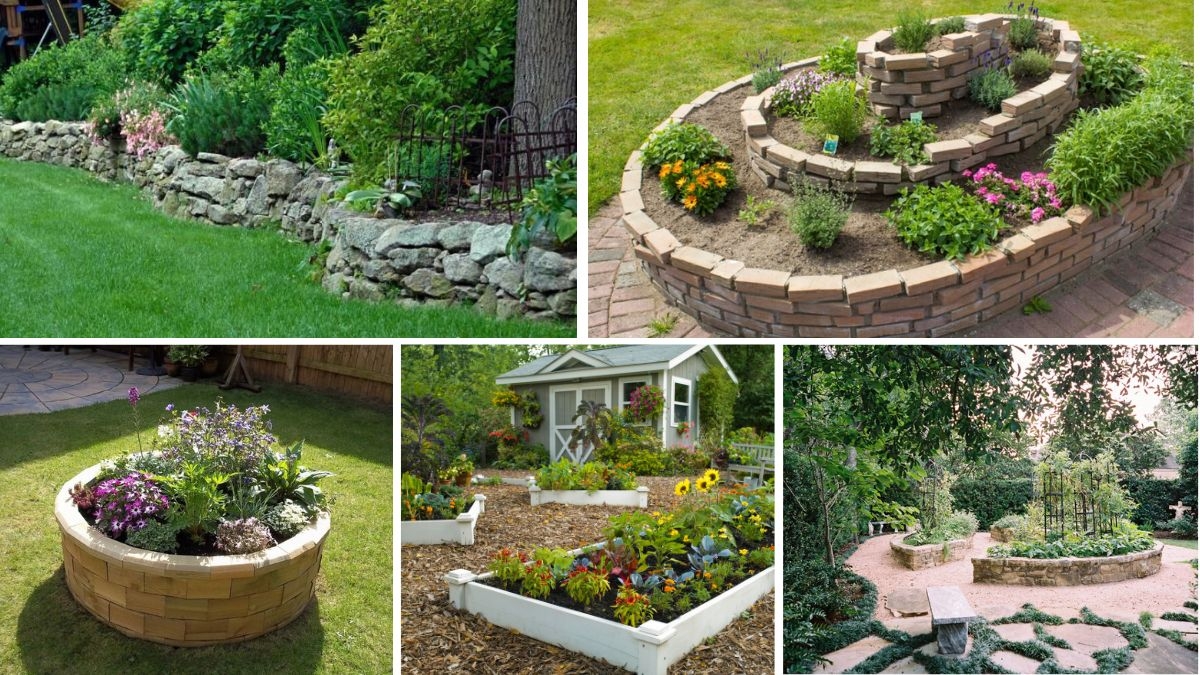
Wood is a popular choice for edging because it looks natural and is easy to work with. Cedar and redwood resist rot and bugs better than other woods.
- Cedar: lasts long and smells nice
- Redwood: strong and resists decay
- Pine: cheaper but may need treatment
- Composite wood: made from wood and plastic
Stone And Brick Choices
Stone and bricks give a solid and classic look to raised beds. They do not rot and can last for many years.
| Material | Advantages | Considerations |
| Natural stone | Strong, natural look | Heavy, may need skill to install |
| Brick | Uniform size, easy to stack | Can crack in cold weather |
| Concrete blocks | Inexpensive, durable | Less natural appearance |
Metal Edging
Metal edges create clean lines and last a long time. Steel and aluminum are common metals used for garden beds.
Steel is strong but may rust without coating. Aluminum is lightweight and rust-resistant but can be costly.
Recycled Materials
Recycled items help reduce waste and add unique style. Old tires, pallets, and bottles work well for garden bed edges.
Examples of recycled materials for edging:
- Used wood pallets, cut to size
- Old tires stacked or cut in half
- Glass bottles placed neck down
- Recycled plastic boards or sheets
Credit: pune-okayamafriendshipgarden.com
Plant-based Borders
Raised garden beds look better with plant-based borders. These borders add color and texture. They also help keep soil and mulch in place.
Using plants around your raised beds makes your garden more natural and inviting. Choose plants that suit your climate and garden style.
Low-growing Ground Covers
Low-growing ground covers work well as borders. They spread quickly and fill spaces. These plants prevent weeds and reduce soil erosion.
- Creeping thyme
- Sweet woodruff
- Irish moss
- Ajuga
- Blue star creeper
Flowering Perennials
Flowering perennials add beauty and color year after year. They attract pollinators like bees and butterflies. Choose plants that bloom at different times.
| Flower | Bloom Time | Height |
| Lavender | Summer | 12-18 inches |
| Black-eyed Susan | Late summer | 2-3 feet |
| Daylilies | Summer | 1-3 feet |
| Coreopsis | Early summer | 1-2 feet |
Herbs As Borders
Herbs make great borders. They smell good and can be used in cooking. Many herbs also repel pests from your garden.
- Basil
- Chives
- Parsley
- Thyme
- Oregano
Functional Ground Covers
Choosing the right ground cover around raised garden beds enhances beauty and function. Different materials provide benefits like weed control and improved drainage.
Consider these options for your garden area to make it both practical and attractive.
Mulch Varieties
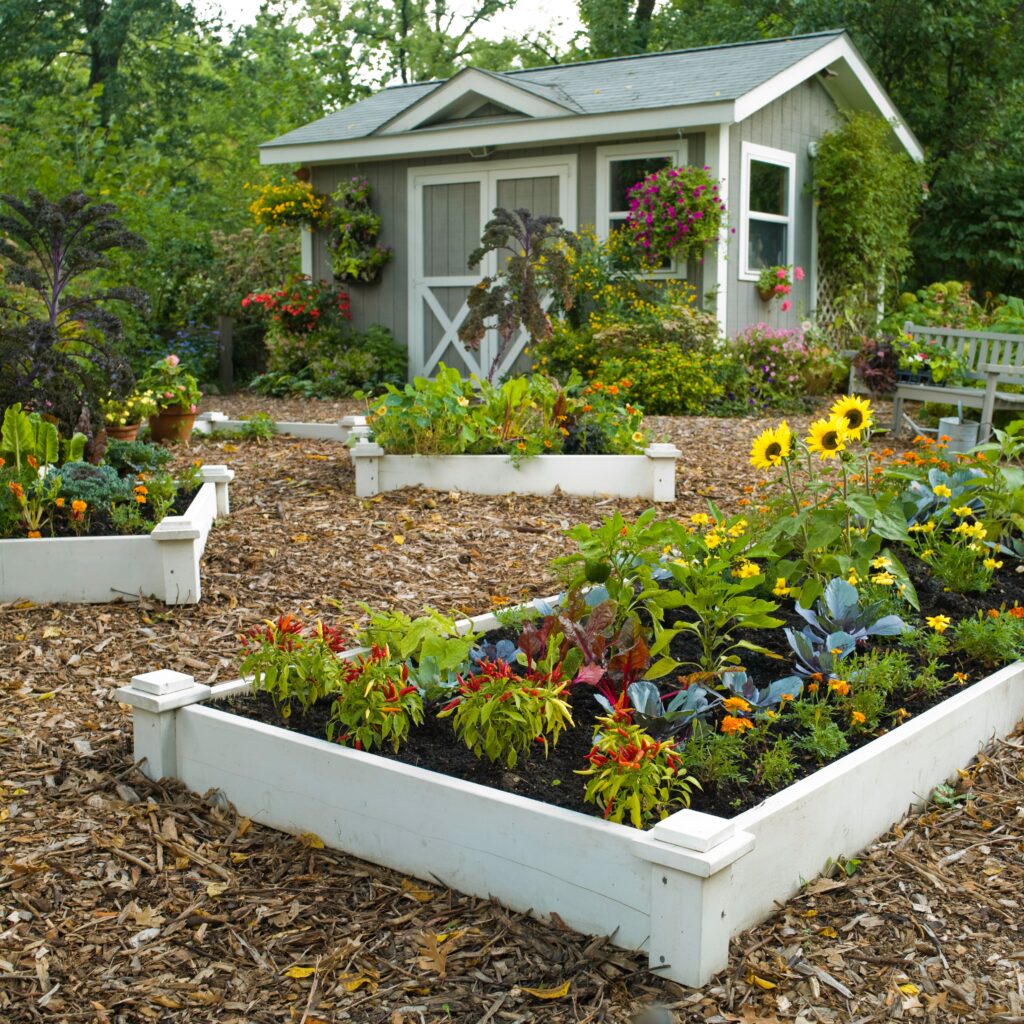
Mulch is a popular choice for ground cover. It helps retain soil moisture and prevent weeds.
Organic mulches like bark and wood chips add nutrients as they decompose. They also provide a natural look.
- Bark mulch is great for moisture retention
- Wood chips offer a rustic feel
- Straw mulch is light and easy to spread
Gravel And Pebbles
Gravel and pebbles are durable ground covers. They improve drainage and are low maintenance.
These materials come in various colors and sizes. They can create pathways and borders around garden beds.
- Pea gravel feels soft underfoot
- River rocks add a natural touch
- Crushed stone provides a modern look
Rubber Mulch Benefits
Rubber mulch is made from recycled tires. It is long-lasting and does not decompose.
This type of mulch helps with weed control and does not attract insects. It is also available in various colors for decorative purposes.
- Does not break down over time
- Safe for children and pets
- Available in many colors
Credit: pune-okayamafriendshipgarden.com
Paths And Walkways
Paths and walkways around raised garden beds help you move easily. They keep your shoes clean and protect plants from being stepped on.
Choosing the right material for these paths makes your garden look neat. It also makes work in the garden more comfortable.
Stepping Stones
Stepping stones create simple paths between garden beds. They give a natural look and are easy to place.
You can use stones made from concrete, natural rock, or clay. Space them to fit your walking steps for comfort.
- Easy to install and move
- Good drainage around stones
- Natural look blends with plants
- Can add moss or ground cover between stones
Brick Or Paver Paths
Brick or paver paths offer a solid, clean surface. They work well for busy garden areas and add a classic look.
You can arrange bricks or pavers in patterns like herringbone or running bond. This adds style and keeps soil in place.
- Durable and long-lasting
- Easy to sweep and clean
- Can handle heavy foot traffic
- Requires a stable base for installation
Wooden Walkways
Wooden walkways add warmth and charm to your garden paths. They feel soft underfoot and fit well in natural settings.
Use treated wood or cedar for durability. Space boards slightly to allow water drainage and reduce slipping.
- Natural appearance blends with plants
- Can be built as boards or raised decks
- Needs regular maintenance to prevent rot
- Good for wet or muddy garden areas
Decorative Accents
Raised garden beds look great with the right decorations around them. Adding accents can make your garden more inviting and personal.
Choose decorations that fit your garden style and add charm without crowding the space.
Garden Statues And Ornaments
Garden statues add character and a touch of personality to your raised beds. Small animal figures or abstract shapes can create focal points.
- Place statues at corners or along paths
- Use ornaments that match your garden theme
- Pick weather-resistant materials like stone or metal
- Mix different sizes for visual interest
Lighting Ideas
Lighting brightens your garden at night and highlights the beds. Soft lights create a cozy, warm feeling.
| Lighting Type | Best Use | Notes |
| Solar Stake Lights | Along edges | Easy to install and eco-friendly |
| String Lights | Above beds | Adds festive atmosphere |
| Spotlights | Highlight statues | Focuses attention on features |
| Lanterns | Pathways | Portable and decorative |
Trellises And Supports
Trellises add height and structure near raised beds. They support climbing plants and create natural screens.
- Choose wood or metal trellises for durability
- Place trellises at the back or side of beds
- Use supports for beans, peas, or flowering vines
- Decorate trellises with fairy lights or small pots
Maintenance Tips
Keeping the area around raised garden beds clean helps plants grow better. Proper care prevents problems and saves time later.
Simple steps can keep your garden healthy and looking neat all year. Focus on weed control, drainage, and seasonal care.
Preventing Weed Growth
Weeds compete with your plants for water and nutrients. Removing them keeps your garden beds productive.
Use mulch or landscape fabric around the beds. These block sunlight and stop weeds from growing.
- Apply a 2-3 inch layer of organic mulch
- Place weed barriers under gravel or stones
- Pull out any weeds by hand regularly
- Avoid leaving bare soil exposed
Ensuring Proper Drainage
Good drainage prevents water from pooling around beds. Too much water can harm plant roots.
Make sure the ground slopes slightly away from the beds. Use gravel or sand to improve drainage near the base.
- Check soil moisture after rain
- Add gravel or coarse sand around bed edges
- Keep drainage paths clear of debris
- Raise beds if soil stays wet too long
Seasonal Upkeep
Each season needs different care to keep beds ready for planting. Cleaning and protecting beds helps them last.
Remove dead leaves and debris in fall. In winter, cover beds to protect from frost. Check beds in spring before planting.
- Clear fallen leaves and old mulch in autumn
- Add fresh mulch before winter to protect soil
- Inspect beds for damage after winter
- Prepare soil and edges in early spring
Frequently Asked Questions
What Materials Work Best Around Raised Garden Beds?
Gravel, mulch, and wood chips work well around raised beds. They improve drainage, reduce weeds, and add aesthetic appeal. Choose materials that match your garden style and maintenance preferences.
How To Prevent Weeds Around Raised Garden Beds?
Use mulch or landscape fabric around the beds. These block sunlight, stopping weed growth. Regularly remove any emerging weeds for best results.
Can I Use Stones Around Raised Garden Beds?
Yes, stones create a clean, durable border. They improve drainage and help define garden space. Choose smooth stones for a polished look or natural rocks for rustic charm.
Should I Add Pathways Around Raised Garden Beds?
Pathways improve access and reduce soil compaction. Use gravel, stepping stones, or wood chips for easy maintenance. Well-planned paths make gardening more efficient and enjoyable.
Conclusion
Choosing the right materials around raised garden beds helps keep them neat and safe. Paths made of gravel or wood chips stop weeds and make walking easy. Mulch adds color and keeps soil moist. Borders like bricks or stones give a clean look and protect your plants.
Think about your garden’s style and needs before deciding. Small changes can make your garden more enjoyable and healthy. Try different options to find what works best for you. Keep your garden tidy and inviting all season long.