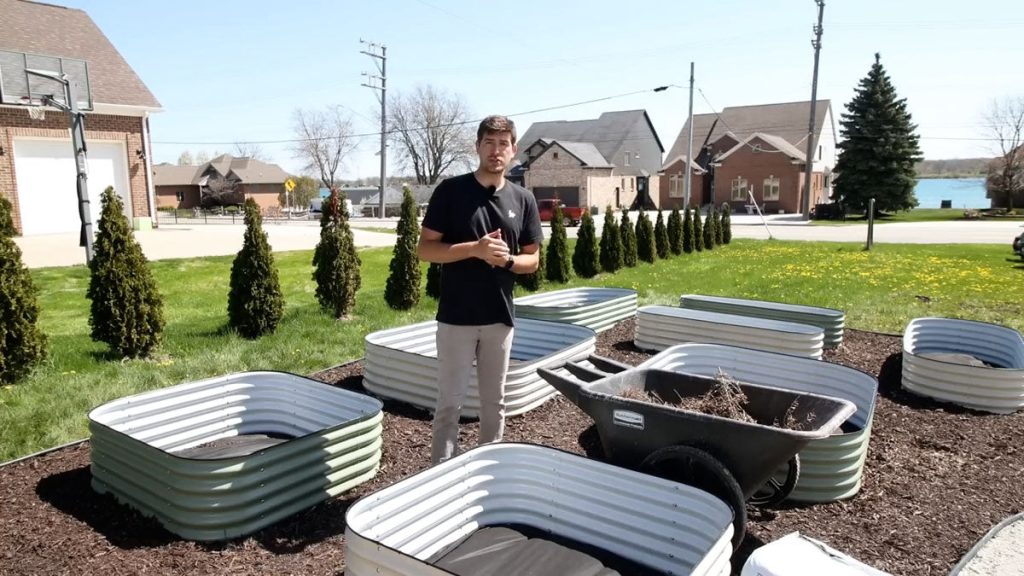
Are you wondering what to put at the bottom of your raised garden bed to make it thrive? The right choice can transform your garden, helping your plants grow stronger and healthier.
But with so many options out there, it’s easy to feel confused or overwhelmed. Don’t worry—this guide will help you find the perfect base for your raised bed, so you get the best results without extra work. Keep reading to discover simple, smart solutions that will make your garden the envy of the neighborhood!
Choosing The Right Base Material
Choosing the right base material for your raised garden bed is important. The base affects drainage, soil health, and plant growth. You can use soil, gravel, or landscape fabric as a base.
Each base type has its own strengths and weaknesses. Understanding these will help you pick the best base for your garden bed.
Soil Vs. Gravel Vs. Landscape Fabric
Soil provides a natural base that supports plant roots. Gravel helps with drainage and keeps pests away. Landscape fabric blocks weeds but allows water to pass through.
- Soil:Natural, holds nutrients, but may need good drainage.
- Gravel:Great drainage, prevents weeds, but no nutrients.
- Landscape Fabric:Blocks weeds, lets water drain, but no nutrients.
Pros And Cons Of Different Bases
| Base Material | Pros | Cons |
|---|---|---|
| Soil | Supports roots, provides nutrients, easy to work with | May hold too much water, can compact, might have weeds |
| Gravel | Improves drainage, prevents weeds, long-lasting | No nutrients, can shift over time, harder to plant directly |
| Landscape Fabric | Stops weeds, allows water flow, lightweight | No nutrients, can tear or degrade, might need replacement |
Preparing The Ground
Preparing the ground is important before building a raised garden bed. It helps plants grow well and keeps the bed stable.
Good preparation prevents weeds and improves water drainage under the bed.
Clearing The Area
Start by removing grass, weeds, and rocks from the ground. This stops unwanted plants from growing in your bed.
Clear at least the size of the raised bed plus a little extra space around it.
- Pull out all grass and weeds by hand or with a hoe
- Remove rocks and roots that may block plant roots
- Dispose of debris away from the garden bed area
Leveling The Surface
Make the ground flat and even. This helps your raised bed sit firmly and keeps water from pooling.
Use a rake or a board to smooth the soil surface and check for low or high spots.
- Fill low spots with soil and press down gently
- Remove extra soil from high spots to balance the surface
- Use a level tool if available for better accuracy
Drainage Solutions
Raised garden beds need good drainage. This prevents water from pooling and harming plants. Proper drainage ensures a healthy garden environment.
Adding layers at the bottom of a raised bed helps with drainage. These layers protect plant roots from excess moisture.
Importance Of Drainage
Waterlogged soil can damage plant roots. Proper drainage keeps soil from becoming too wet. This is important for plant health.
Drainage helps prevent root rot. It allows excess water to escape. Healthy roots lead to stronger plants.
- Prevents water pooling
- Reduces root rot risk
- Supports plant growth
Adding A Drainage Layer
A drainage layer helps water move through the soil. It is placed at the bottom of the raised bed. This layer supports proper water flow.
Common materials for a drainage layer include rocks and gravel. These materials allow water to pass easily.
- Use rocks or gravel
- Place layer at bottom
- Ensure even coverage
Credit: www.thecooldown.com
Preventing Weeds And Pests
Keeping weeds and pests out of your raised garden bed helps your plants grow better. Placing the right materials at the bottom can stop unwanted plants and bugs.
Using weed barriers and pest control techniques below your soil can protect your garden naturally. These steps make your gardening easier and more successful.
Using Weed Barriers
Put a weed barrier at the bottom of your raised bed to block weeds from growing up. It stops weed roots from spreading into your soil.
Materials like landscape fabric or cardboard work well as weed barriers. They let water drain but keep sunlight away from weed seeds.
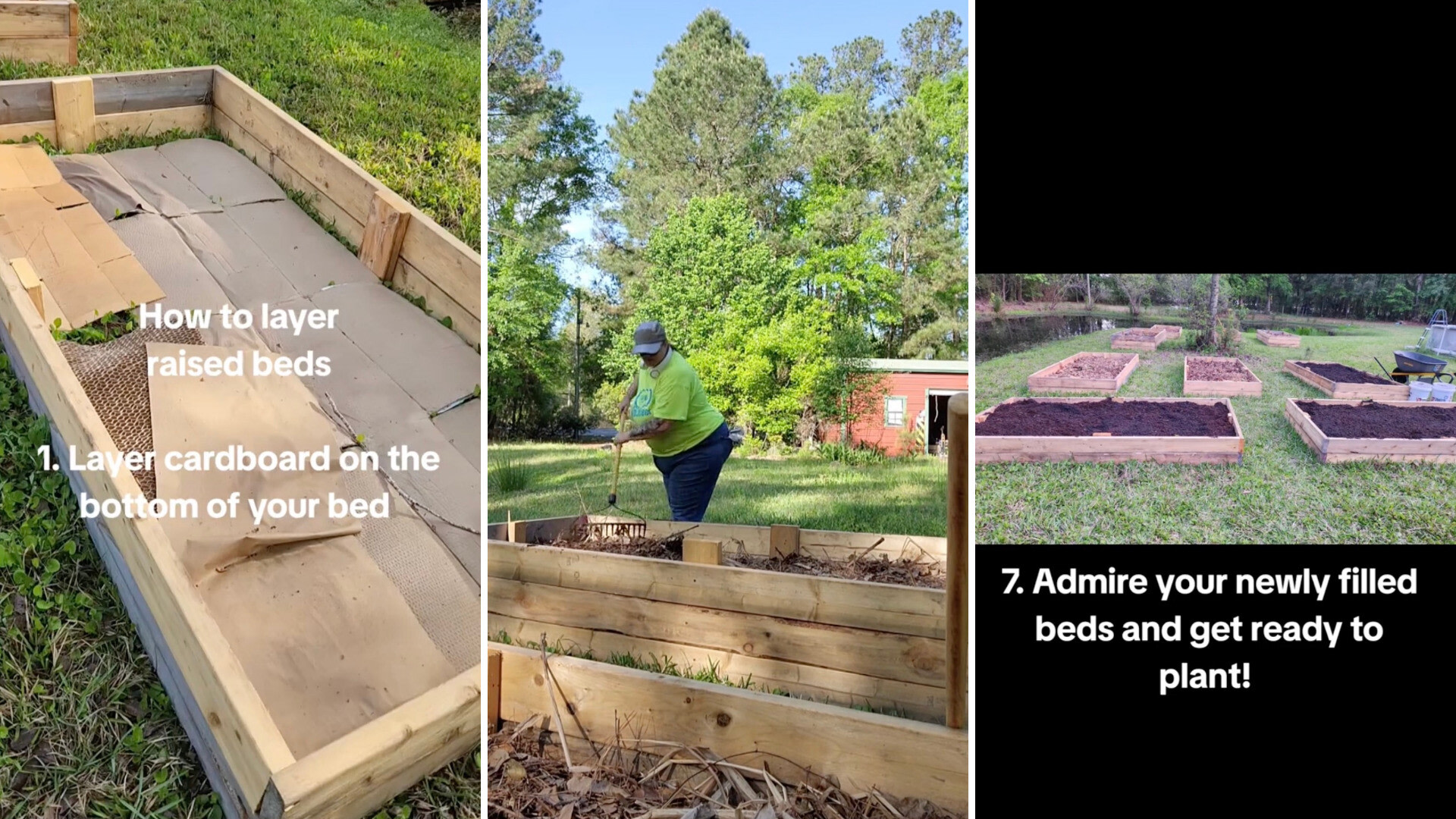
- Lay down cardboard or thick newspaper first
- Cover with landscape fabric for extra protection
- Secure edges to prevent weeds from sneaking in
Pest Control Tips
At the bottom of the raised bed, use rough materials to stop pests like slugs and insects. They avoid crawling over sharp or rough surfaces.
Add a layer of gravel or crushed stones below the soil. This layer creates a barrier that pests find hard to cross.
- Use gravel or crushed stones as a bottom layer
- Keep the soil dry to reduce pest habitats
- Check the bed regularly for signs of pests
Enhancing Soil Health
Good soil health is key for a strong garden. The bottom of a raised bed plays a big role. Adding the right materials helps plants grow better.
Using natural ingredients boosts soil life. This creates a healthy place for roots to spread and take in nutrients.
Adding Compost Or Organic Matter
Place compost or organic matter at the bottom of your raised bed. This improves soil texture and water retention. It also feeds helpful microbes.
- Use well-rotted compost for best results
- Add shredded leaves or grass clippings
- Include kitchen scraps like vegetable peels
- Avoid fresh manure to prevent burning roots
- Mix organic matter evenly with native soil
Soil Amendments For Better Growth
Soil amendments improve nutrient content and drainage. Adding these helps plants grow stronger and resist pests.
| Amendment | Benefit | How to Use |
| Peat Moss | Improves moisture retention | Mix in moderate amounts with soil |
| Perlite | Increases aeration and drainage | Add to soil mix for fluffiness |
| Vermiculite | Holds water and nutrients | Combine with compost and soil |
| Lime | Balances soil pH | Apply as directed for acidic soils |
| Bone Meal | Supplies phosphorus for roots | Mix into soil before planting |

Credit: www.aol.com
Materials To Avoid At The Bottom
Choosing the right materials for the bottom of your raised garden bed is important. Some materials can cause problems with drainage and soil health.
This section explains which materials to avoid and why they do not work well at the bottom.
Concrete And Asphalt
Concrete and asphalt block water flow. They stop drainage and can cause water to pool. This leads to root rot and poor plant growth.
Plastic Sheeting
Plastic sheeting traps water inside the bed. It also stops air from reaching roots. Over time, this can hurt plants and soil life.
Treated Wood Or Old Lumber
Treated wood may leak chemicals into the soil. Old lumber can carry pests or diseases. Both harm your plants and soil health.
- Treated wood releases harmful chemicals
- Old wood may have pests or fungi
- Both reduce soil quality and plant growth
Non-biodegradable Materials
Materials like glass, metal scraps, or rubber do not break down. They can cause drainage problems and may harm roots or soil organisms.
| Material | Reason to Avoid |
| Concrete | Blocks water drainage |
| Plastic Sheeting | Prevents air and water flow |
| Treated Wood | Releases harmful chemicals |
| Old Lumber | May carry pests or diseases |
| Glass and Metal | Non-biodegradable, harms soil |

Credit: migardener.com
Frequently Asked Questions
What Materials Are Best At The Bottom Of Raised Beds?
Use landscape fabric or cardboard to block weeds and improve drainage. Add a layer of small rocks or gravel to enhance water flow and prevent soil erosion. These materials keep your garden bed healthy and your plants thriving.
Can I Put Plastic At The Bottom Of A Raised Garden Bed?
Plastic is not recommended as it blocks water drainage and air circulation. Poor drainage can cause root rot and harm plants. Instead, use breathable materials like landscape fabric to allow water flow and prevent weeds.
Should I Add Compost At The Bottom Of Raised Beds?
Compost should be mixed throughout the soil, not just at the bottom. Adding compost at the bottom alone can block drainage. Mix compost with topsoil to enrich nutrients and improve soil structure for healthy plant growth.
Is Gravel Necessary At The Bottom Of Raised Garden Beds?
Gravel helps improve drainage, preventing water buildup and root rot. While not always necessary, it benefits areas with heavy clay soil or poor drainage. A thin gravel layer supports healthy roots and prevents soil from washing away.
Conclusion
Choosing the right material for the bottom of your raised garden bed helps plants grow well. Good drainage and soil protection matter most. Use items like gravel, cardboard, or landscape fabric to keep weeds away. Avoid materials that block water or harm roots.
Remember, a simple base supports healthy plants and a thriving garden. Take time to prepare the bottom properly. Your garden will thank you with strong, happy plants all season long.