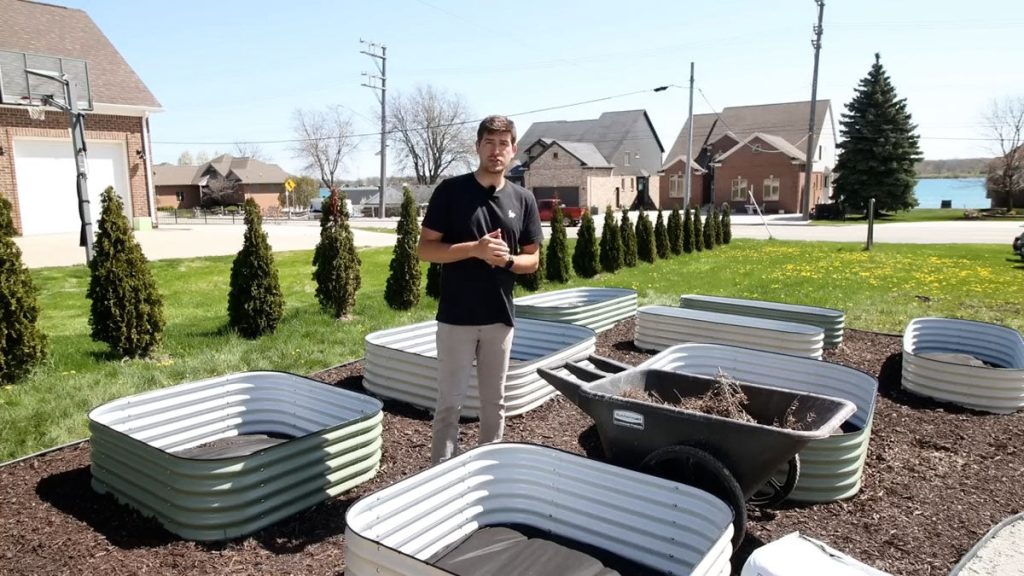
Are you wondering what to put at the bottom of your raised garden bed to make sure your plants grow strong and healthy? The right base can make all the difference in drainage, soil health, and pest control.
Whether you’re starting a new bed or improving an old one, knowing what goes underneath is key to a thriving garden. Keep reading, and you’ll discover simple, effective options that will help your garden flourish season after season.
Choosing The Right Base Material
Picking the right base material is important for a healthy raised garden bed. The bottom layer affects water flow and plant growth.
Different materials offer different benefits. Learn about soil, gravel, and landscape fabric to make the best choice.
Soil Vs. Gravel Vs. Landscape Fabric
Soil provides nutrients and a good base for roots. Gravel helps with drainage and keeps water from pooling. Landscape fabric stops weeds and lets water pass.
- Soil:Adds nutrients but may hold water.
- Gravel:Improves drainage but has no nutrients.
- Landscape Fabric:Blocks weeds and allows water flow.
Benefits Of Organic Layers
Adding organic layers like leaves or straw can help soil stay moist. These layers break down and add nutrients to the soil over time.
Organic layers also improve soil structure. This makes it easier for roots to grow and absorb water.
- Retains moisture in hot weather
- Feeds plants as it decomposes
- Improves soil texture and health
Drainage Considerations
Good drainage prevents water from staying too long in the bed. Standing water can cause root rot and other problems.
Gravel or coarse materials at the bottom help water move through. Landscape fabric can keep soil in place while letting water drain.
- Prevent water from pooling
- Allow roots to get oxygen
- Keep soil from washing away
Preparing The Ground
Getting your raised garden bed ready is an important task. Proper preparation helps plants grow healthy and strong.
This guide will help you prepare the ground before planting. Let’s explore the steps involved.
Clearing Weeds And Debris
Start by clearing the area of any weeds and debris. This makes sure your plants have space to grow.
- Remove all visible weeds by hand.
- Use a garden rake to gather fallen leaves and branches.
- Ensure no large stones remain in the area.
Leveling The Surface
Leveling the surface is key to even water distribution. This helps plants take up water properly.
Use a shovel to fill in low spots. Check the level with a long board.
Improving Soil Quality
Good soil quality is vital for plant growth. It provides nutrients and improves drainage.
| Amendment | Benefit |
| Compost | Enhances nutrient content |
| Sand | Improves drainage |
| Peat moss | Retains moisture |
Using Weed Barriers
Putting a weed barrier at the bottom of a raised garden bed helps stop weeds from growing up. It keeps the plants healthy by reducing weed competition.
Weed barriers also help with soil moisture and make garden maintenance easier. Choosing the right barrier is important for good plant growth.
Types Of Weed Barriers
There are different types of weed barriers you can use. Each type works in a special way to stop weeds.
- Landscape Fabric: A woven cloth that lets water through but blocks weeds.
- Plastic Sheeting: A solid layer that blocks all light and water, stopping weeds completely.
- Cardboard or Newspaper: Natural materials that break down over time but stop weeds at first.
- Mulch: Organic or inorganic cover that blocks sunlight and slows weed growth.
Installation Tips
Prepare the garden bed area by removing large rocks and debris. This helps the barrier lay flat and work better.
Cut the weed barrier to fit the bed size exactly. Overlap edges to stop weeds from sneaking through the gaps.
- Secure the barrier with garden staples or pins.
- Make small holes or cuts for plants if needed.
- Cover the barrier with soil or mulch to protect it from sun damage.
Pros And Cons
Using weed barriers has clear benefits but also some drawbacks. Knowing these helps you decide if it fits your garden.
| Pros | Cons |
|---|---|
| Stops most weeds from growing up | Plastic barriers can stop water flow |
| Keeps soil moist longer | Some materials break down quickly |
| Makes garden maintenance easier | Can be hard to remove later |
| Works well with mulch and soil | Landscape fabric may let some weeds through |
Adding Drainage Layers
Drainage layers help water flow away from plant roots. This keeps your raised garden bed healthy.
Adding the right materials at the bottom stops water from pooling and hurting plants.
Materials For Drainage
Choose materials that allow water to pass through easily. These help water drain well at the bed’s bottom.
- Gravel or small stones
- Broken terracotta pots
- Coarse sand
- Wood chips or bark
- Perlite or pumice
Layering Techniques
Place the drainage materials in layers to improve water flow. Start with the heaviest at the bottom.
| Layer | Description |
| Bottom | Coarse gravel or stones for main drainage |
| Middle | Broken pots or sand to filter water |
| Top | Organic material like wood chips to hold moisture |
Preventing Waterlogging
Waterlogging can harm roots and stop plants from growing. Good drainage stops this problem.
- Ensure layers are not compacted
- Use a layer of landscaping fabric above drainage materials
- Check drainage holes in the raised bed frame
- Keep soil loose and well-mixed
Incorporating Compost And Organic Matter
Adding compost and organic matter at the bottom of a raised garden bed improves soil quality. It helps create a better environment for plant roots to grow strong and healthy.
These materials add nutrients and improve soil structure. They also help keep moisture in the soil and support beneficial soil organisms.
Benefits For Plant Growth
Compost and organic matter supply essential nutrients to plants. They release these nutrients slowly, feeding plants over time.
They improve soil drainage and aeration. This lets roots grow deeper and access oxygen more easily.
- Provides nutrients like nitrogen, phosphorus, and potassium
- Improves soil texture for better root growth
- Helps retain water, reducing drought stress
- Encourages beneficial microbes that support plants
How Much To Add
Start by adding a 2 to 4 inch layer of compost or organic matter at the bottom of your raised bed. This creates a rich base for your plants.
If you use coarse materials like straw or leaves, add a thinner layer. Fine compost can be added thicker for better nutrient content.
- 2–4 inches of compost or organic matter
- Less if using bulky materials like straw or wood chips
- Mix well with soil above to avoid layering
Maintaining Soil Health
Keep adding compost regularly to keep your soil healthy. Add new organic matter each season to replace nutrients used by plants.
Turn the soil gently to mix in fresh compost. This helps air reach roots and supports healthy microbes.
- Add compost yearly or before planting each season
- Mix organic matter into the soil to avoid compaction
- Use mulch to protect soil and keep moisture

Credit: www.aol.com
Avoiding Common Mistakes
Choosing what to put at the bottom of a raised garden bed is important. It affects plant health and soil drainage.
Many gardeners make simple errors that harm their plants. Learn what to avoid to keep your garden healthy.
Using Non-breathable Materials
Some people place plastic or other non-breathable materials at the bottom. This stops water from draining well.
Poor drainage causes roots to rot and plants to die. It also keeps harmful salts in the soil.
- Do not use solid plastic sheets
- Avoid thick tarps that block air
- Use breathable fabrics or no material at all
Overcompacting The Base
Pressing the soil too hard under the bed reduces air and water flow. Roots struggle to grow in hard soil.
Lightly firm the base but keep it loose enough for drainage. Overcompacting blocks water and root movement.
- Do not step heavily on the soil base
- Use a rake or hand tools to level the ground
- Keep soil loose but stable
Ignoring Local Climate
Local weather affects what you should put at the bottom of the bed. Wet areas need better drainage materials.
Dry climates might need materials that hold some moisture. Choose what fits your local conditions for best results.
- In rainy areas, add gravel or coarse sand
- Dry areas benefit from organic layers like straw
- Consider frost levels and drainage needs
Tailoring The Base To Plant Types
Choosing the right base for your raised garden bed helps plants grow well. Different plants need different soil and space below.
Adjusting the bottom layer of the bed depends on the kinds of plants you want to grow. This guide shows how to fit the base to plant types.
Vegetables Vs. Flowers
Vegetables usually need rich soil and good drainage to develop healthy roots. Flowers can be less demanding but still want the right soil mix at the base.
- Vegetables prefer nutrient-rich compost and loose soil at the bottom.
- Flowers often grow well with a mix of organic matter and garden soil.
- Adding mulch at the base helps keep moisture for both types.
Root Depth Requirements
Plants have different root depths. Knowing these helps you build the base layer correctly.
| Plant Type | Root Depth | Base Layer Advice |
|---|---|---|
| Shallow-rooted plants | Up to 6 inches | Use fine soil and compost mix |
| Medium-rooted plants | 6 to 12 inches | Add loose soil and organic matter |
| Deep-rooted plants | More than 12 inches | Use deep loose soil with added compost |
Adjusting Soil Mix
Changing the soil mix at the bottom helps plants get the right nutrients and moisture. Adjust it based on plant needs.
- Add sand for better drainage if soil is heavy.
- Mix peat moss to keep soil light and moist.
- Include compost to provide nutrients.
- Use clay soil carefully for water retention.

Credit: migardener.com
Credit: paradehomeandgarden.com
Frequently Asked Questions
What Materials Are Best For Raised Garden Bed Bottoms?
Use landscape fabric, cardboard, or newspaper to block weeds and improve drainage. Avoid plastic as it hinders water flow and soil health.
Should I Add Gravel Or Rocks At The Bed Bottom?
A layer of gravel or small rocks can improve drainage in raised beds, especially in heavy clay soils. It prevents waterlogging and root rot.
Can I Put Soil Directly On The Ground In Raised Beds?
Yes, placing raised beds directly on soil allows worms and microbes to enrich the soil naturally, promoting healthy plant growth.
Is A Weed Barrier Necessary Under Raised Garden Beds?
A weed barrier like landscape fabric helps prevent weed growth but still allows water and nutrients to pass through, keeping soil healthy.
Conclusion
Choosing the right material for the bottom of your raised garden bed helps plants grow well. Good drainage and soil protection keep roots healthy and strong. Layers like gravel, cardboard, or landscape fabric stop weeds and pests from coming up.
Think about your garden’s needs and local climate to pick the best base. A simple step that saves time and effort later. Start with a solid foundation, and your plants will thank you. Gardening becomes easier and more rewarding this way.
Give your raised bed a strong, clean base for success.