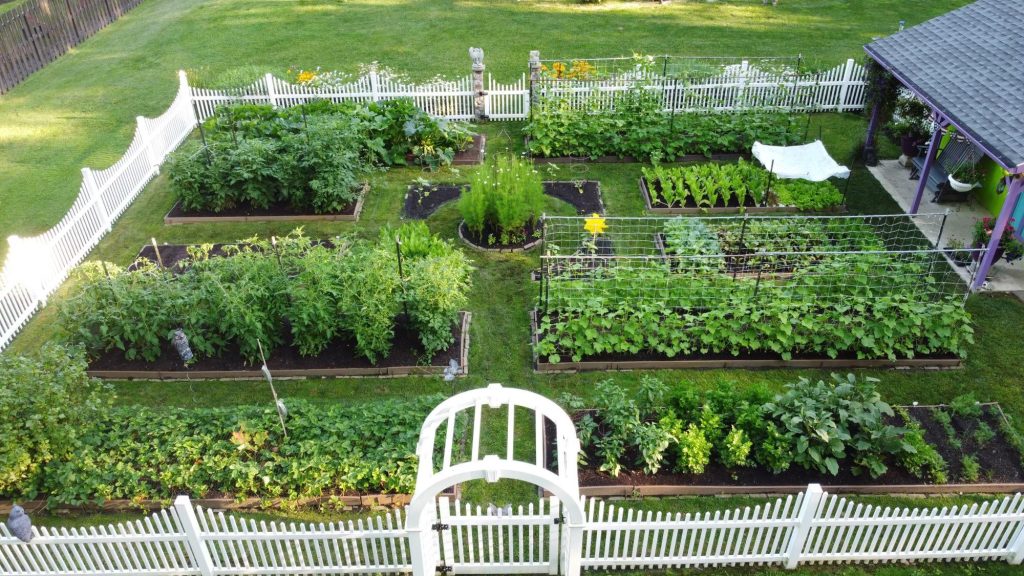
Are you wondering what to put between your raised garden beds to make the most of your space? The area between your beds isn’t just empty ground—it’s a chance to improve your garden’s look, comfort, and productivity.
Choosing the right material or planting in these spaces can keep weeds away, prevent mud, and even add beauty. You’ll discover simple, practical ideas that fit your needs and help your garden thrive. Keep reading to find the perfect solution for your garden paths and borders.
Choosing Path Materials
Paths between raised garden beds help in maintaining your garden. Choosing the right material can enhance both function and beauty.
Different materials offer unique benefits and aesthetics. Let’s explore some popular choices.
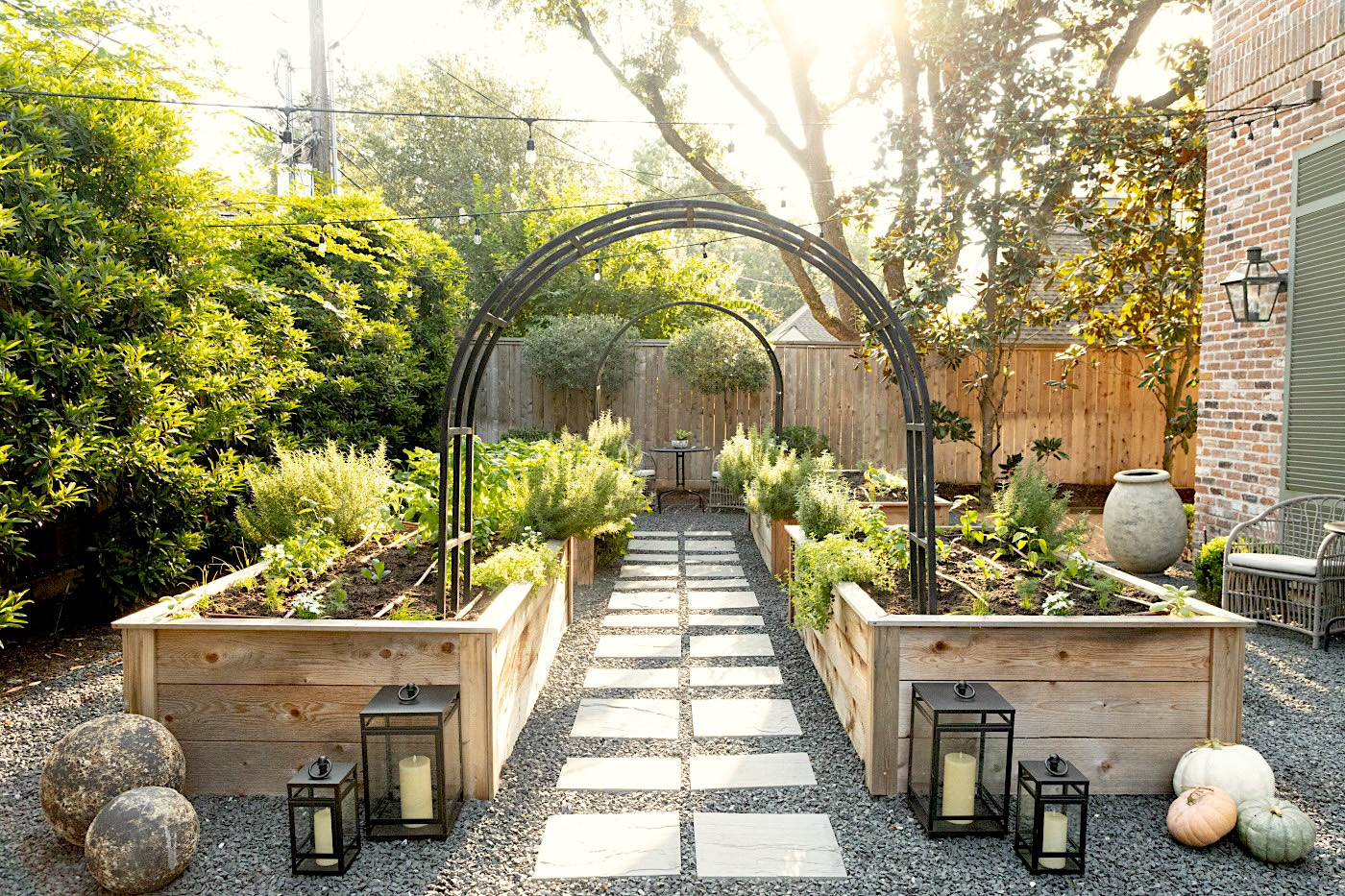
Gravel And Pebbles
Gravel and pebbles provide excellent drainage. They are affordable and easy to install. These materials create a rustic and natural look.
- Drainage is improved
- Easy installation
- Natural appearance
Wood Chips And Mulch
Wood chips and mulch offer a soft path. They are eco-friendly and help retain moisture in the soil. These materials decompose over time, enriching the soil.
Using wood chips can deter weeds, making it a great choice for garden paths.
Pavers And Bricks
Pavers and bricks give a formal look. They are durable and can support heavy foot traffic. These materials require some skill for installation.
| Material | Durability | Installation |
| Pavers | High | Moderate |
| Bricks | High | Advanced |
Stepping Stones
Stepping stones add charm to garden paths. They are flexible in design and easy to place. These stones can be spaced out to save on materials.
- Select stones that suit your garden’s style
- Arrange them with gaps for plants to grow
- Ensure they are level for safe walking
Designing Functional Paths
Paths between raised garden beds help you reach plants easily. Good path design makes gardening safer and more efficient.
Choosing the right materials and width creates comfortable walkways. Planning drainage and upkeep keeps paths usable year-round.
Width And Accessibility
Paths should be wide enough for easy movement. Aim for at least 24 to 36 inches wide to fit wheelbarrows or garden carts.
- Allow space for two people to walk side by side.
- Keep paths flat and clear of obstacles.
- Consider access for people with mobility aids.
Drainage Considerations
Good drainage prevents water from pooling on paths. Sloping paths slightly helps water flow away from beds.
| Drainage Tip | Description |
| Slope | Grade paths 1-2% away from beds |
| Permeable Materials | Use gravel, wood chips, or porous pavers |
| Raised Edges | Keep soil from washing onto paths |
Maintenance Tips
Regular care keeps paths safe and tidy. Remove weeds and debris often.
- Clear leaves and dead plants weekly
- Top up loose materials like mulch or gravel yearly
- Fix uneven spots to prevent tripping
- Check drainage and clear blockages after rain
Incorporating Greenery
Adding plants between raised garden beds makes your space look lively. It also helps keep the soil healthy and stops weeds.
Choose plants that stay low and spread out. They give a neat, green carpet that feels soft underfoot.
Low-growing Ground Covers
Low-growing ground covers fill the space between beds with green leaves and small flowers. They stop mud from splashing and keep weeds away.
- Creeping thyme
- Irish moss
- Chamomile
- Corsican mint
Herb Pathways
Plant herbs in rows between your beds. They smell nice and you can use them in cooking. Herbs also attract helpful insects.
| Herb | Benefits | Care Tips |
| Basil | Good for cooking | Needs sun and regular watering |
| Oregano | Attracts pollinators | Grows well in dry soil |
| Mint | Keeps pests away | Grows fast, needs space |
| Parsley | Rich in vitamins | Likes partial shade |
Wildflower Borders
Wildflowers add color and life to the edges between raised beds. They attract bees and butterflies, which help your garden grow.
Try planting these wildflowers for a bright border:
- Black-eyed Susan
- California poppy
- Cosmos
- Coreopsis
Credit: www.gardenary.com
Creative Path Shapes
Paths between raised garden beds help you move easily. They also add style to your garden.
Choosing creative path shapes makes your garden more inviting and fun to explore.
Curved Walkways
Curved walkways soften the garden’s look. They create a natural flow between beds.
These paths can follow the garden’s shape or guide visitors around plants.
- Use gravel or mulch for easy curves
- Add edging to keep paths tidy
- Plant low flowers along curves for color
Geometric Patterns
Geometric paths bring order and style to your garden. They fit well with square or rectangular beds.
Shapes like squares, triangles, and hexagons create interesting designs and clear routes.
- Use bricks or stones for sharp edges
- Create repeating patterns for visual interest
- Combine shapes to match bed layouts
Mixed Material Designs
Paths with mixed materials add texture and color. Use wood, stone, gravel, or pavers together.
This style makes each path unique and can highlight different garden areas.
- Mix smooth stones with rough wood
- Use gravel between stepping stones
- Combine colors to brighten paths
Eco-friendly Path Options
Choosing eco-friendly paths between raised garden beds helps the environment. It also keeps your garden neat and easy to walk through.
There are many green options for garden paths. They reduce waste and improve soil health.
Recycled Materials
Using recycled materials is a smart way to save resources. Old bricks, wood, and stones can make strong, attractive paths.
These materials keep waste out of landfills and last a long time in the garden.
- Old bricks and pavers
- Reclaimed wood planks
- Broken concrete pieces
- Used gravel or crushed stone
Permeable Surfaces
Permeable surfaces let water soak into the ground. They help prevent puddles and soil erosion.
Materials like gravel or porous pavers keep your garden paths dry and healthy.
- Gravel and small stones
- Porous concrete blocks
- Wood chips with space to drain
- Permeable rubber tiles
Natural Mulches
Natural mulches are soft and eco-friendly. They help keep weeds down and add nutrients to the soil.
Common mulches include straw, bark, and leaves. They make paths look natural and feel nice underfoot.
- Straw or hay
- Wood bark chips
- Shredded leaves
- Grass clippings

Credit: www.reddit.com
Lighting And Decoration
Adding lighting and decoration between raised garden beds makes your garden more inviting. It also helps you enjoy the space after dark.
Careful choices create a cozy atmosphere and add personality to your garden layout.
Solar Path Lights
Solar path lights are easy to install and save energy. They provide soft lighting along pathways between garden beds.
- Place lights evenly for safe walking
- Choose warm light for a relaxing feel
- Pick weatherproof models for durability
- Use lights with different heights for interest
Garden Ornaments
Garden ornaments add charm and character to the spaces between beds. They come in many shapes and sizes to fit your style.
| Type | Description |
| Statues | Stone or metal figures that bring art to the garden |
| Birdbaths | Decorative bowls that attract birds and add life |
| Wind Chimes | Create soft sounds when the breeze blows |
| Stepping Stones | Add pattern and function to pathways |
Seasonal Accents
Seasonal accents keep your garden fresh and lively all year. Change decorations to match holidays and weather.
- Spring: Colorful pots and fresh flowers
- Summer: Bright flags and lanterns
- Fall: Pumpkins and autumn leaves
- Winter: Evergreen wreaths and fairy lights

Credit: www.reddit.com
Frequently Asked Questions
What Materials Are Best Between Raised Garden Beds?
Gravel, wood chips, and mulch are popular choices. They improve drainage, suppress weeds, and create clean walkways. Choose materials that complement your garden’s style and are easy to maintain.
How Wide Should Spaces Between Raised Beds Be?
Spaces should be 18 to 24 inches wide. This allows comfortable walking and easy access for gardening tasks. Wider paths help accommodate wheelbarrows and garden tools.
Can I Plant Ground Covers Between Raised Beds?
Yes, low-growing ground covers like clover or thyme work well. They prevent weeds, reduce erosion, and add beauty. Choose plants that tolerate foot traffic and suit your climate.
Should I Use Weed Barriers Between Raised Garden Beds?
Using weed barriers is effective for weed control. They block weed growth while allowing water drainage. Combine barriers with mulch or gravel for best results.
Conclusion
Choosing the right material between raised garden beds helps keep your garden tidy. Paths made of gravel, wood chips, or stepping stones work well. These options stop weeds and let water drain easily. They also make walking around the beds safe and comfortable.
Think about what fits your garden style and budget best. Small details like these make gardening easier and more enjoyable. Try different ideas and see what suits your space. Your garden will look neat and stay healthy all season long.