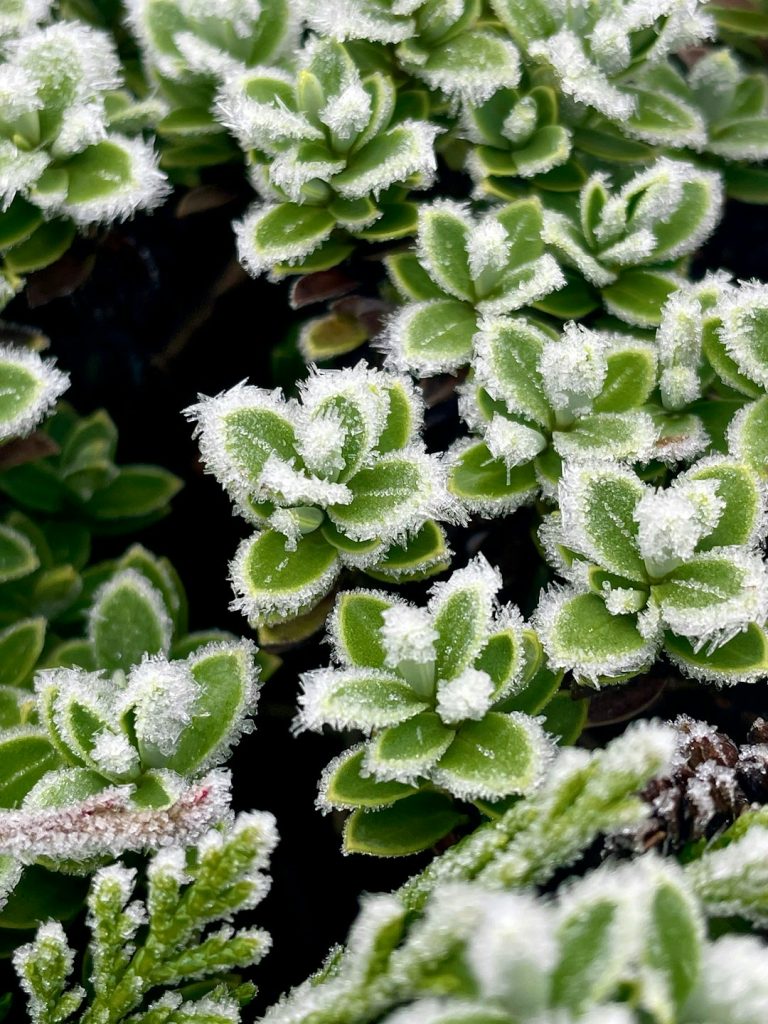
Winter can be tough on your outdoor planters. You might be wondering what to put in them when the cold sets in and most plants stop growing.
But don’t worry—there are simple, beautiful options that can keep your planters looking fresh and inviting all season long. You’ll discover easy ideas that bring color, texture, and life to your outdoor spaces, even in the chilliest months. Ready to transform your winter planters into stunning focal points?
Keep reading to find out how!
Choosing Winter-friendly Plants
Winter can be a tough season for planters, but with the right plants, you can keep your garden lively. Choosing winter-friendly plants ensures your outdoor space remains colorful even in the cold.
Consider plants that can withstand chilly temperatures and still thrive. This guide will help you select the best options for your planters.
Evergreens For Year-round Color
Evergreens are a popular choice for winter planters. They keep their leaves all year, providing constant greenery.
- Boxwood: Perfect for topiary and container designs.
- Holly: Offers beautiful berries and glossy leaves.
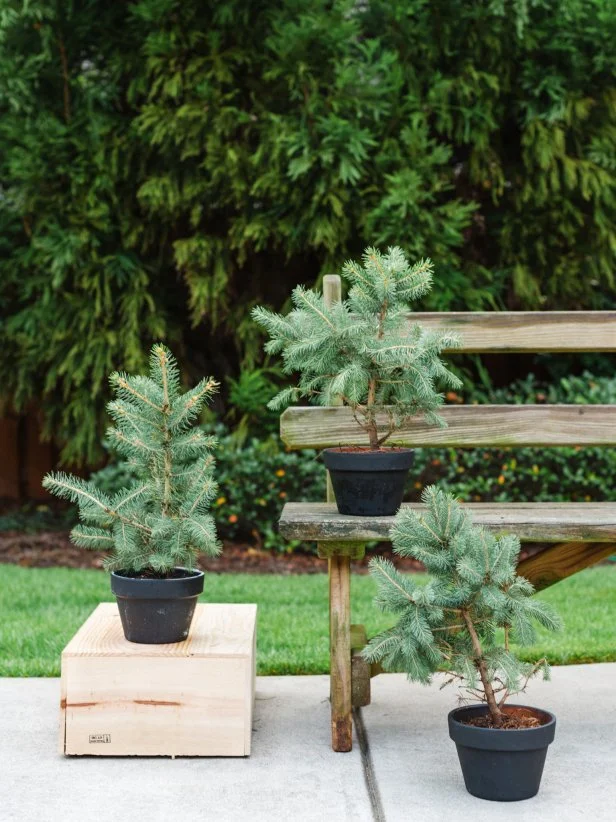
- Pine: Adds height and texture with its needles.
Cold-hardy Perennials
Cold-hardy perennials come back year after year, making them a reliable choice for winter planters. These plants can survive frost and snow.
| Plant | Features |
| Heuchera | Colorful foliage, low maintenance |
| Hellebore | Blooms in late winter, various colors |
| Bergenia | Thick leaves, pink flowers in spring |
Frost-resistant Annuals
For a burst of color, consider frost-resistant annuals. These are perfect for adding a pop of color to your winter garden.
Pansies are a popular choice for their vibrant hues. They can survive light frost and bloom throughout the winter.
Seasonal Bulbs To Brighten Winter
Winter can feel dull and gray. Adding seasonal bulbs to your planters brings life and color.
Bulbs like tulips, daffodils, snowdrops, and crocuses grow well in cold weather. They bloom early and brighten any space.
Planting Tulips And Daffodils
Tulips and daffodils are classic spring flowers. Plant their bulbs in late fall before the ground freezes.
Choose a spot with good sunlight and well-draining soil. Plant tulip bulbs about 6 inches deep and daffodil bulbs 4 to 6 inches deep.
- Tulips bloom in many bright colors like red, pink, and yellow.
- Daffodils have cheerful yellow or white flowers.
- Both bulbs need cold soil to start growing.
- Water bulbs after planting to help roots form.
Snowdrops And Crocuses
Snowdrops are small white flowers that bloom very early. Crocuses come in purple, white, and yellow shades.
Plant snowdrop and crocus bulbs in clusters for a natural look. They like well-drained soil and partial sun.
- Snowdrops bloom in late winter, often through snow.
- Crocuses bloom in early spring with bright colors.
- Both bulbs are small and easy to plant in planters.
- Plant bulbs about 3 inches deep for best growth.
Using Ornamental Grasses
Ornamental grasses add charm and interest to winter planters. They bring color and texture when most plants rest.
These grasses are strong and can stand cold weather well. They make planters look alive and inviting all winter.
Texture And Movement
Ornamental grasses offer unique textures that stand out in winter. Their thin leaves and soft plumes add depth.
Their movement in the wind brings life to quiet winter days. This gentle sway creates a soothing and natural feel.
- Feather-like seed heads catch the light
- Fine blades contrast with broadleaf plants
- Tall grasses add height and shape
- Soft textures balance hard planter surfaces
Low Maintenance Options
Many ornamental grasses need little care during winter. They survive cold and dry spells with ease.
| Grass Type | Winter Care | Height |
| Blue Fescue | Minimal watering | 12-15 inches |
| Feather Reed Grass | Cut back in early spring | 3-5 feet |
| Japanese Forest Grass | Shade tolerant | 1-2 feet |
| Switchgrass | Resistant to frost | 3-4 feet |

Credit: www.hgtv.com
Incorporating Foliage Plants
Foliage plants add texture and color to winter planters. They stay attractive even in cold weather.
Using different leaf shapes and colors can make your winter planter stand out. Foliage can last longer than flowers in winter.
Colorful Leaves And Berries
Plants with bright leaves and berries brighten up dull winter days. They offer natural pops of color without flowers.
- Holly with red berries adds classic winter charm.
- Heuchera offers leaves in shades of red, purple, and orange.
- Winterberry has striking red berries that last all winter.
- Red-twig dogwood shows bright red branches and contrasting foliage.
Variegated And Silver-toned Foliage
Variegated and silver leaves add light and contrast to dark winter scenes. These plants brighten shady spots.
| Plant | Foliage Color | Winter Care |
| Dusty Miller | Silver-gray | Needs well-drained soil |
| Variegated Ivy | Green and white | Prefers shade |
| Silver Sage | Soft silver | Protect from harsh winds |
| Hosta (variegated) | Green with white edges | Needs mulch for winter |
Design Tips For Winter Planters
Winter planters add life to cold, dull spaces. Choosing the right plants and design makes a big difference.
Good design keeps your planter looking fresh and protects plants through cold weather. Use layering, color, and protection tips.
Layering And Height Variation
Layering plants with different heights creates depth and interest. Start with tall plants in the back or center.
- Use tall evergreens or grasses as a backdrop.
- Add medium plants like boxwood or holly in the middle.
- Place low-growing plants or ground covers at the front.
- Fill gaps with trailing vines or small flowers.
Combining Colors And Textures
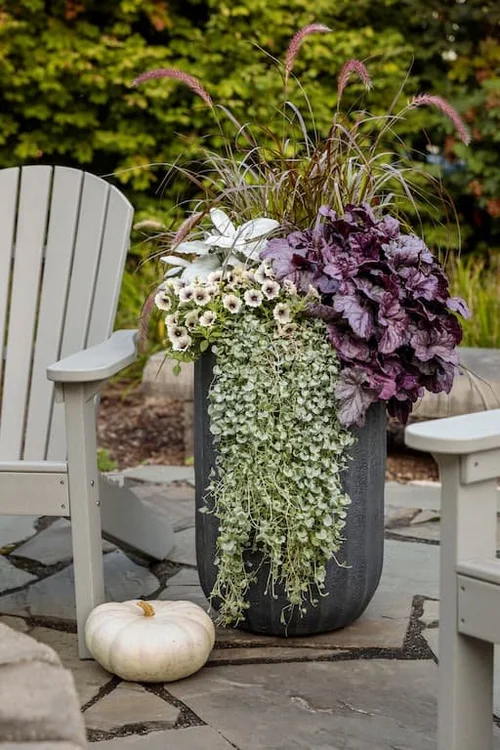
Mix colors and textures to make your planter stand out. Contrast smooth leaves with rough or spiky ones.
| Color | Texture | Plant Example |
| Dark Green | Glossy | Boxwood |
| Silver | Soft, Fuzzy | Dusty Miller |
| Red Berries | Shiny | Holly |
| Purple | Spiky | Heuchera |
| White | Feathery | Pine Branches |
Protecting Plants From Harsh Weather
Winter weather can harm plants. Protect them from cold winds, frost, and snow.
- Place planters in sheltered spots or near walls.
- Use mulch or straw to cover soil and roots.
- Wrap plants with burlap or frost cloth on cold nights.
- Water plants before freeze to keep roots moist.
- Check planters regularly and remove dead material.
Credit: newgarden.com
Care And Maintenance During Winter
Winter can be tough on plants in planters. They need special care to stay healthy. You should adjust watering, feeding, and protection during cold months.
Good winter care helps your plants survive and look good. Follow simple tips for watering, fertilizing, and handling snow and ice.
Watering And Drainage
Plants need less water in winter but still need some. Check soil moisture before watering. Too much water can harm roots.
Good drainage is very important. Make sure planters have holes to let water escape. This stops water from freezing and damaging roots.
- Water only when soil feels dry a few inches down
- Use room temperature water to avoid shocking roots
- Ensure drainage holes are not blocked by leaves or debris
- Add gravel or small stones at the bottom for better drainage
Fertilizing Tips
Plants grow slowly in winter and need less fertilizer. Stop feeding most plants by late fall. Over-fertilizing can harm them.
If you keep some evergreen or winter-flowering plants, use a light feed. Choose a balanced fertilizer and apply sparingly.
- Use slow-release fertilizer before winter starts
- Feed winter-blooming plants once a month at low dose
- Avoid high nitrogen fertilizers during cold months
- Stop fertilizing by late fall for most plants
Dealing With Snow And Ice
Snow and ice can damage plants and planters. Remove heavy snow gently to avoid breaking branches. Do not chip ice off plants.
Protect planters from freezing by moving them to sheltered spots. Use mulch or bubble wrap around pots to keep roots warm.
- Brush off snow softly with a broom or hand
- Do not use salt near plants; it can cause damage
- Wrap pots with insulating material for extra warmth
- Place planters close to walls or under eaves for shelter
Credit: www.hgtv.com
Frequently Asked Questions
What Are The Best Winter Plants For Outdoor Planters?
Evergreens like boxwood, holly, and dwarf conifers thrive in winter planters. Ornamental kale and pansies add color and texture. These plants tolerate cold and require minimal care, making them ideal for outdoor winter displays.
How Do I Protect Planter Plants From Freezing Temperatures?
Use mulch or straw to insulate soil and roots. Move planters to sheltered spots or indoors during extreme cold. Wrapping pots with burlap or bubble wrap also helps prevent frost damage.
Can I Use Artificial Plants In Winter Planters?
Yes, artificial plants offer year-round color without maintenance. Choose UV-resistant varieties to avoid fading. Mixing artificial with real plants can enhance appearance and provide seasonal interest.
Should I Water Plants In Winter Planters Regularly?
Water sparingly as plants need less moisture in cold weather. Check soil moisture and water only when dry to prevent root rot. Avoid overwatering since evaporation rates are low in winter.
Conclusion
Choosing the right plants for winter planters keeps your garden bright. Evergreen shrubs and hardy flowers add color and life. Use mulch to protect roots from freezing cold. Add some berries or pine cones for extra texture. Water plants lightly to avoid ice damage.
Winter planters bring cheer to dull, cold days. Enjoy your garden’s beauty all year round. Simple care makes winter planting easy and rewarding. Give your outdoor space a fresh, cozy look this season.