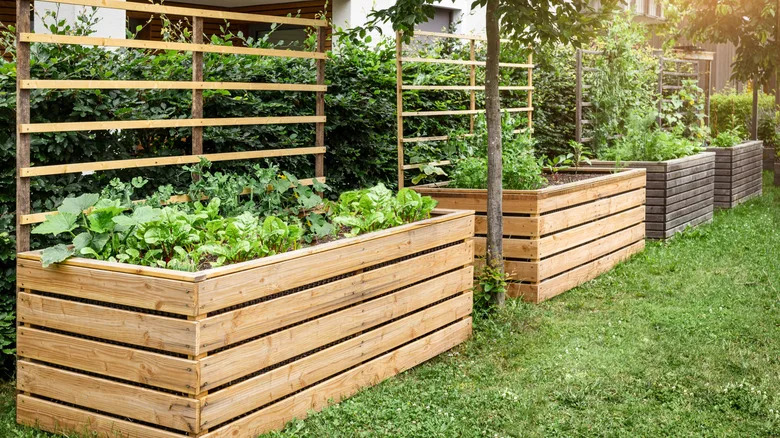
Are you setting up raised garden beds and wondering what to put underneath them? The right base can make a big difference in how well your garden grows.
It affects drainage, weed control, and even how easy it is to maintain your plants. Choosing the wrong material could lead to soggy soil or unwanted weeds creeping in. Keep reading, and you’ll discover simple, effective options that help your garden thrive from the ground up.
Your plants—and your patience—will thank you.
Choosing The Right Base Material
Choosing the right base material for raised garden beds helps plants grow better. It also keeps weeds and pests away.
The base material affects drainage and soil health. Pick a base that fits your garden’s needs and location.
Grass And Weeds Control
Grass and weeds can grow under raised beds and cause problems. Removing grass before building helps prevent this.
Cut the grass low and dig out roots. You can also use a weed killer safely before placing the bed.
- Remove grass by digging or tilling
- Clear roots to stop regrowth
- Use weed barriers to block weeds
Using Landscape Fabric
Landscape fabric blocks weeds while letting water drain. It is a good choice under raised beds.
Lay the fabric smooth and secure it with pins. Cut holes only for drainage or plants if needed.
- Prevents weed growth
- Allows water to pass through
- Easy to install and maintain
Gravel And Drainage Options
Gravel under raised beds improves drainage. It stops water from pooling and keeps roots healthy.
Use a layer of gravel or small stones before soil. This helps water flow away and prevents root rot.
- Use 2-3 inches of gravel for drainage
- Combine gravel with landscape fabric for best results
- Avoid compacting gravel too much
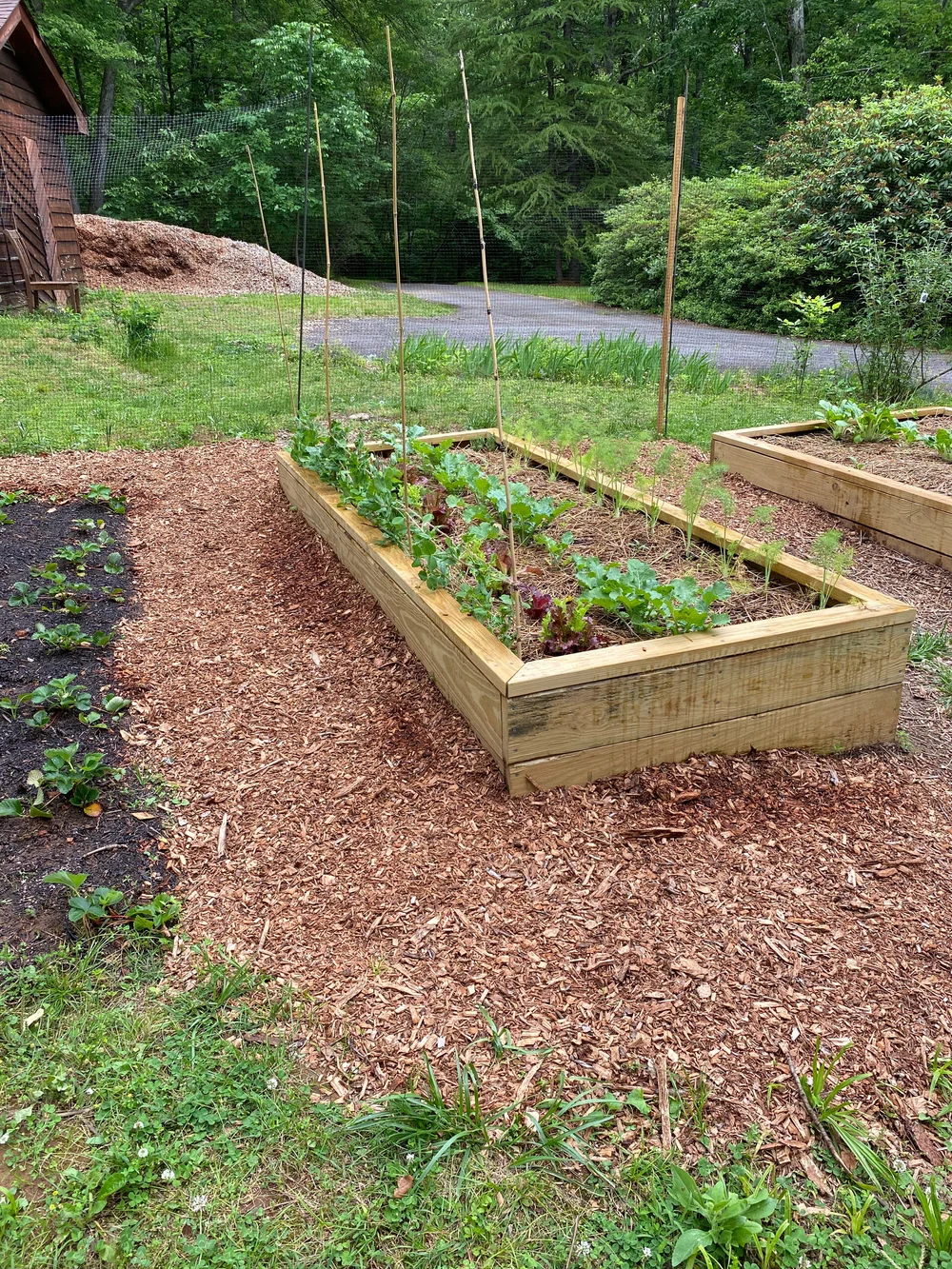
Credit: www.thunderbirddisco.com
Preparing The Ground
Preparing the ground is the first step before building raised garden beds. It helps plants grow strong and healthy.
Good preparation involves clearing the area, leveling the soil, and improving soil quality for better drainage and nutrients.
Clearing Debris And Rocks
Remove all debris like sticks, leaves, and old plants from the area. Rocks can block roots and stop water flow.
- Pick up large rocks by hand or use a rake
- Clear away twigs and dead leaves
- Dispose of weeds and roots properly
- Check for buried debris by digging a few inches deep
Leveling The Soil
Level soil to create a flat base. This helps the raised bed sit evenly and water to spread well.
| Tool | Use |
| Rake | Smooth soil surface |
| Shovel | Move soil to low spots |
| Level | Check flatness |
| Tamping tool | Firm soil down |
Improving Soil Quality
Good soil feeds plants and holds water. Mix organic matter into the soil before building the bed.
- Compost
- Aged manure
- Leaf mold
- Peat moss
Mix these materials evenly with the native soil to improve texture and nutrients.
Drainage Solutions
Good drainage is key for raised garden beds. It keeps plant roots healthy and stops water from pooling. Without proper drainage, plants can get root rot and die.
Choosing the right materials under your raised bed can improve drainage. This helps water flow away and lets air reach the roots. Here are some ways to create good drainage.
Importance Of Proper Drainage
Water must drain well in raised beds. Too much water can drown roots and cause diseases. Proper drainage keeps soil from becoming soggy.
Good drainage also helps soil dry out between waterings. This makes plants grow strong and healthy. It stops pests that like wet soil.
Layering With Sand Or Small Stones
Adding a layer of sand or small stones under the soil helps water drain fast. These materials create space for water to flow away from roots.
Use coarse sand or pea gravel for best results. Avoid fine sand because it can clog and stop drainage.
- Spread 2-3 inches of sand or small stones
- Make sure layer is even across the bed base
- This layer stops water from pooling under soil
Using Perforated Pipes
Perforated pipes help move water away from raised beds. They collect extra water and guide it out of the bed area.
Place these pipes under the bed in the sand or stone layer. Cover them with soil or gravel to keep them hidden.
- Use pipes with holes or slits for water entry
- Lay pipes on a slight slope to drain water easily
- Connect pipes to a drainage outlet or dry well
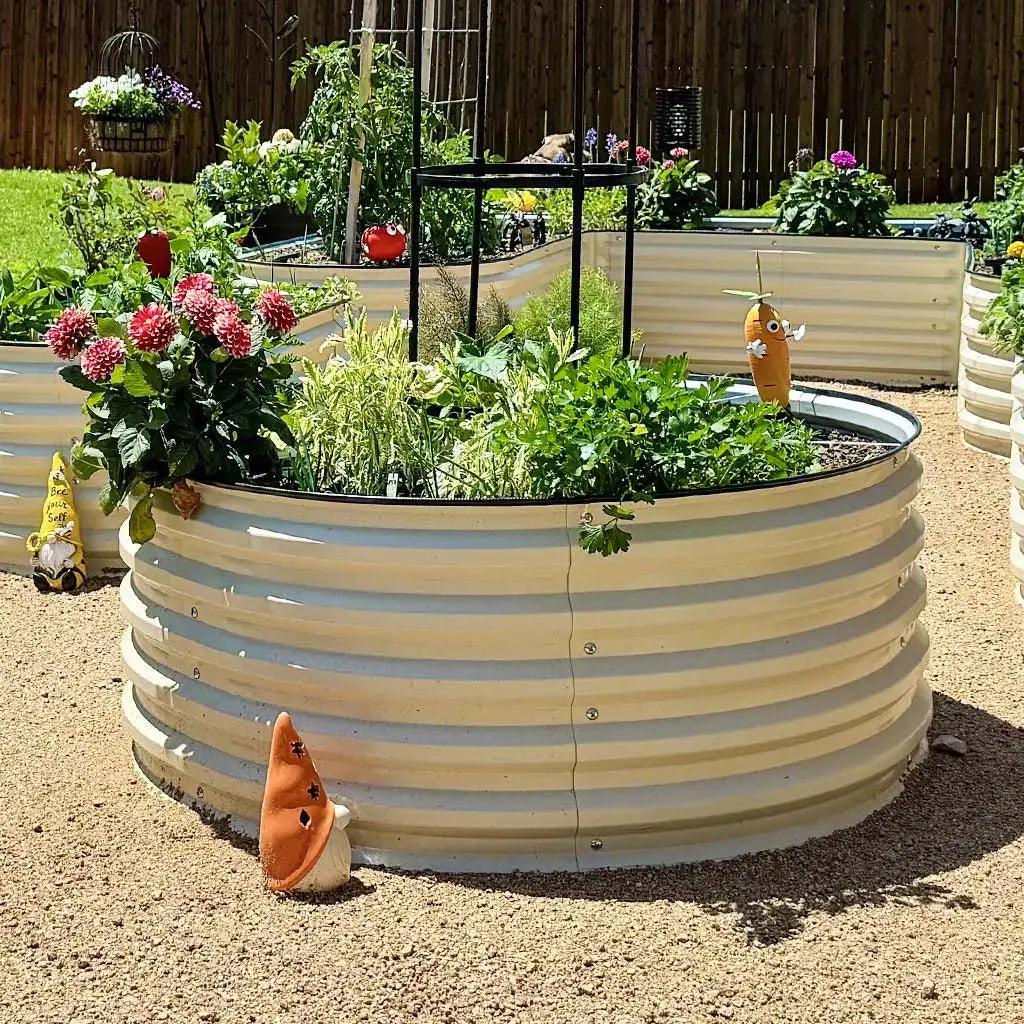
Credit: www.vegega.com
Preventing Pests And Rodents
Raised garden beds can attract pests and rodents that damage plants. Protecting your garden starts with what you put under the beds. This helps keep unwanted animals away and keeps your plants safe.
Using physical barriers and natural treatments under your raised beds stops pests without harmful chemicals. These methods work well for long-term garden health.
Installing Hardware Cloth
Hardware cloth is a strong wire mesh that blocks pests from digging under raised beds. It fits under the bed frame and stops rodents like moles, voles, and rats.
- Measure the bed area before purchase.
- Use 1/4-inch mesh size for small pests.
- Lay the cloth flat on the ground under the bed.
- Extend the cloth a few inches up the sides.
- Secure the edges with staples or soil to keep it tight.
- Check regularly for holes or damage.
Natural Barriers And Treatments
Natural barriers discourage pests and rodents without chemicals. These barriers create a less friendly environment for animals that harm plants.
| Natural Barrier | Effect | How to Use |
|---|---|---|
| Gravel | Hard surface pests avoid | Place 2-3 inches under the bed |
| Cedar Chips | Repels rodents by smell | Spread around bed edges |
| Plants like Mint or Lavender | Strong scents keep pests away | Plant near or under the bed |
| Essential Oils (peppermint, eucalyptus) | Repels insects and rodents | Dilute and spray under bed |
Enhancing Soil Health
Healthy soil is key for a thriving garden. Raised garden beds offer a great way to control soil quality. Choosing the right materials to put under these beds boosts soil health.
In this guide, we look at two effective ways to enhance soil health: adding compost and using mulch. These methods help improve soil structure and retain moisture.
Adding Compost Or Organic Matter
Compost enriches soil with nutrients and helps plants grow strong. It also improves soil structure, making it easier for roots to spread.
- Collect kitchen scraps like fruit peels and vegetable waste.
- Layer the scraps with dry leaves in a compost bin.
- Turn the pile every few weeks to speed up decomposition.
- Once ready, mix the compost into the soil under your raised beds.
Using Mulch For Moisture Retention
Mulch helps keep soil moist by reducing evaporation. It also suppresses weeds and adds organic matter as it breaks down.
- Straw: Good for vegetable gardens.
- Wood chips: Ideal for flower beds.
- Grass clippings: Adds nitrogen to the soil.
Spread mulch evenly over the soil. Keep it a few inches thick for best results. This simple step makes a big difference in soil health.

Credit: migardener.com
Materials To Avoid Beneath Beds
Choosing the right material to put under raised garden beds is important. Some materials can harm soil health or plant growth.
It is best to avoid materials that block air and water flow. These can cause problems for your garden over time.
Avoiding Non-breathable Barriers
Non-breathable barriers stop air and water from reaching the soil. This can make soil stay wet and unhealthy.
Materials like thick rubber mats or heavy tarps do not let the soil breathe. This can cause roots to rot or plants to suffer.
- Non-breathable materials trap moisture
- They reduce oxygen supply to roots
- They can lead to mold and pests
- Roots may grow poorly or die
Risks Of Using Plastic Sheets
Plastic sheets are common under raised beds but they can cause problems. Plastic blocks water and air from passing through.
This causes water to pool on top or roots to dry out. Plastic can also break down and release harmful chemicals into soil.
- Plastic stops natural water flow
- It prevents air from reaching roots
- Plastic may tear or degrade over time
- It can add toxins to the soil
Frequently Asked Questions
What Materials Are Best Under Raised Garden Beds?
Using landscape fabric, gravel, or cardboard under raised beds prevents weeds and improves drainage. These materials create a barrier that stops grass growth while allowing water flow, ensuring healthy plant roots and reducing maintenance.
Can I Put Plastic Under Raised Garden Beds?
Plastic sheeting can block weeds but may hinder water drainage. It’s better to use breathable materials like landscape fabric to prevent water pooling and root rot while controlling weeds effectively under raised beds.
How Thick Should The Base Layer Be Under Raised Beds?
A base layer of 2 to 4 inches of gravel or coarse material works well. This thickness ensures proper drainage and prevents soil compaction, promoting healthy root growth in raised garden beds.
Is It Necessary To Remove Grass Before Placing Raised Beds?
Yes, removing grass or sod before installation reduces weed growth. Clearing the area helps the base materials work effectively and prevents roots from invading the raised bed soil.
Conclusion
Choosing the right material under raised garden beds helps plants grow strong. It stops weeds from coming up and keeps soil healthy. Gravel, landscape fabric, or cardboard all work well. Each option lets water drain and stops bugs from hiding.
Think about your garden’s needs before deciding. Good preparation leads to better plants and easier gardening. Start with a solid base and enjoy a thriving garden all season. Simple steps make a big difference in your raised bed success.