When the summer heat hits, you want your air conditioner to keep you cool without skyrocketing your energy bill. But what’s the perfect temperature to set it at?
Too low, and you waste money; too high, and you’re still sweating. Finding that sweet spot can make all the difference in your comfort and savings. You’ll discover the ideal air conditioner settings that balance cool relief with energy efficiency.
Keep reading to learn how to stay comfortable all summer long without breaking the bank.
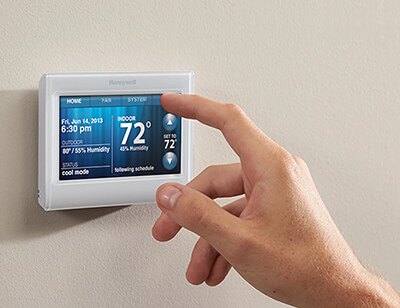
Credit: gulfshorecooling.com
Ideal Temperature Range
Setting the right air conditioner temperature helps you stay cool and saves energy.
The best temperature keeps you comfortable without using too much power.
Recommended Settings For Comfort
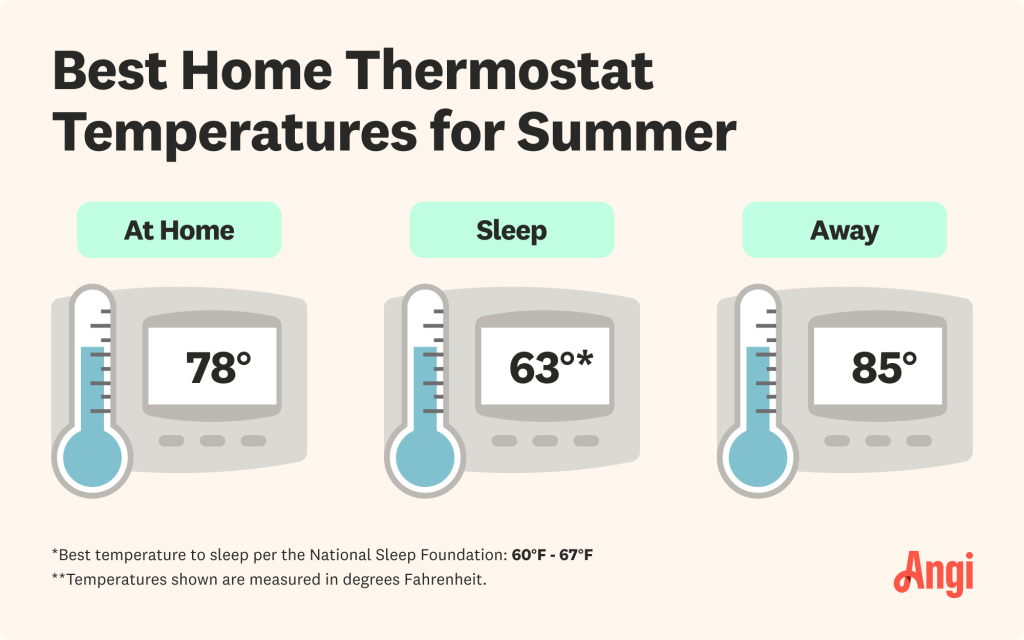
Most people feel comfortable when the AC is set between 72°F and 78°F during summer.
- Set the thermostat to 78°F when you are home and active.
- Raise the temperature a few degrees when you are away.
- Use a fan to help cool the room faster.
- Close curtains to block sunlight and heat.
Energy Efficiency Tips
| Tip | Benefit |
| Set thermostat to 78°F | Reduces energy use and electric bills |
| Use programmable thermostat | Adjusts temperature automatically |
| Keep filters clean | Improves AC performance |
| Seal doors and windows | Keeps cool air inside |
| Use ceiling fans | Circulates air for better comfort |
Factors Influencing Temperature Choice
Setting the right temperature on your air conditioner is important for comfort and energy use. Different factors affect what temperature you should choose in summer.
Knowing these factors helps you pick the best setting for your space and needs.
Humidity Levels
Humidity makes the air feel hotter or cooler than it really is. High humidity can make you feel uncomfortable even if the temperature is low.
Lowering the temperature more in humid places helps remove moisture from the air. This keeps the room comfortable.
- High humidity needs cooler settings
- Low humidity allows for slightly warmer settings
- Dehumidifiers can help reduce moisture
Room Size And Insulation
Large rooms need more cooling power to reach a set temperature. Small rooms cool down faster and keep the temperature steady.
Good insulation keeps cool air inside. Poor insulation lets warm air in, making the AC work harder.
- Big rooms may need lower temperature settings
- Well-insulated rooms keep steady temperatures
- Check windows and doors for air leaks
Occupant Activity
People produce heat when they move or work. More activity in a room means the AC must cool more.
Rooms with many people or active occupants need cooler settings to stay comfortable.
- More people raise room temperature
- Active activities need cooler air settings
- Resting rooms can have warmer settings
Adjusting Settings For Different Times
Setting your air conditioner correctly helps save energy and keeps you comfortable. Different times of the day need different temperature settings.
Understanding how to adjust your AC for daytime, nighttime, and when you are away can improve efficiency.
Daytime Cooling
During the day, the outside temperature is higher. Set your AC to cool your space without using too much energy.
- Set the temperature between 75°F and 78°F (24°C to 26°C)
- Use fans to help air circulation
- Close curtains to block sunlight
- Keep doors and windows closed
Nighttime Temperature
At night, the air cools down. Adjust your AC to save energy and stay comfortable while you sleep.
| Time | Recommended Temperature | Reason |
| Evening (7 PM – 10 PM) | 74°F (23°C) | Keep room cool but not too cold |
| Night (10 PM – 6 AM) | 78°F (26°C) | Save energy and avoid overcooling |
| Early Morning (6 AM – 8 AM) | 75°F (24°C) | Prepare for warmer day ahead |
When Away From Home
When no one is home, it is best to raise the temperature to save energy. Lower it before returning for comfort.
- Set the temperature to around 85°F (29°C) when away
- Use a programmable thermostat to adjust automatically
- Turn off AC if away for many days
- Start cooling 30 minutes before you return
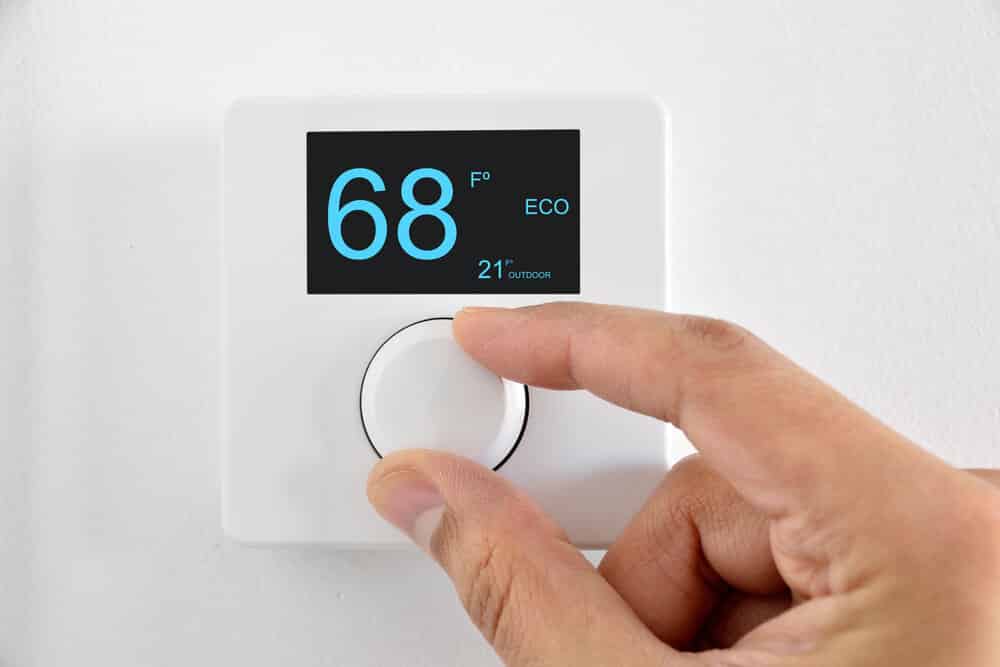
Credit: fischerheating.com
Smart Thermostat Benefits
Smart thermostats help control your air conditioner better in summer. They save energy and keep your home comfortable.
Using a smart thermostat means you can set the right temperature easily. It learns your habits and adjusts automatically.
Automation Features
Smart thermostats use automation to keep your home cool without wasting energy. They can change settings based on time or weather.
- Adjust temperature when you leave or come home
- Set schedules for different days or times
- Use sensors to detect if rooms are empty
- Lower energy use during peak hours
Remote Control Options
You can control your air conditioner from anywhere using a phone or tablet. This makes cooling easy and flexible.
| Feature | Benefit |
| Mobile App | Change temperature anytime |
| Voice Control | Use smart speakers to adjust settings |
| Alerts | Get notified about temperature or system issues |
| Multiple Users | Family members can control the thermostat |
Common Mistakes To Avoid
Setting your air conditioner right in summer helps save energy and keeps you comfortable. Some mistakes can make your AC work too hard or waste power.
Learn what to avoid so your AC runs well and your home stays cool without high bills.
Setting Too Low
Many people set their AC too low, hoping to cool the room faster. This makes the AC run longer and uses more energy.
Setting the temperature around 24-26°C (75-78°F) is enough to stay cool and save power.
- Too low setting causes high electricity bills
- AC works harder and breaks down faster
- Can make rooms too cold and uncomfortable
Ignoring Maintenance
Ignoring regular AC maintenance lowers its efficiency. Dust and dirt block airflow and strain the system.
Cleaning filters and checking the unit often keeps it running smoothly and cools your home better.
- Dirty filters reduce cooling power
- Blocked vents increase energy use
- Regular checks prevent costly repairs

Credit: www.reddit.com
Additional Tips For Summer Comfort
Setting your air conditioner to the right temperature helps save energy. You can also use other methods to stay cool and comfortable.
Simple changes around your home can improve cooling and reduce your AC use. Below are some helpful tips.
Using Fans Effectively
Fans help move air and cool your body. Use ceiling or portable fans to feel cooler without lowering the AC temperature too much.
- Turn fans off when you leave the room to save energy.
- Use ceiling fans in the right direction: counterclockwise in summer to push air down.
- Place a bowl of ice in front of a fan to cool the air.
- Combine fans with your AC to spread cool air evenly.
Sealing Windows And Doors
Sealing leaks around windows and doors keeps hot air out and cool air inside. This reduces the workload on your air conditioner.
| Area | How to Seal | Benefits |
| Windows | Use weather stripping or caulk | Stops drafts, keeps cool air in |
| Doors | Install door sweeps and seal gaps | Prevents warm air from entering |
| Vents | Cover when not in use | Improves cooling efficiency |
Frequently Asked Questions
What Temperature Should I Set My Ac In Summer?
Set your air conditioner to 78°F (26°C) when you’re at home. This is an energy-efficient setting that balances comfort and cost. Adjust it a few degrees higher when you’re away to save energy. Always ensure your AC is well-maintained for optimal performance.
How Can I Save Energy With My Ac?
Use a programmable thermostat to adjust temperatures automatically. Set it higher when you’re away or asleep. Regularly clean and replace filters to ensure efficiency. Close blinds or curtains during peak sun hours. Ceiling fans can help circulate cool air, reducing reliance on the AC.
Is It Better To Turn Off Ac At Night?
Turning off the AC at night can save energy. Use fans for circulation and set the thermostat to a higher temperature. If it’s too warm, consider using a programmable thermostat to adjust settings gradually. Ensure your home is well-insulated to retain cool air.
What Is The Ideal Ac Humidity Setting?
Aim for indoor humidity levels between 30% to 50% during summer. This range prevents mold growth and keeps your home comfortable. Use a hygrometer to monitor levels and adjust your AC settings accordingly. Consider using a dehumidifier if humidity remains high.
Conclusion
Setting your air conditioner to a comfortable temperature saves energy and money. Aim for around 78 degrees Fahrenheit for balance. This keeps your home cool without overworking the unit. Remember to close windows and doors to keep cool air inside.
Use fans to help air circulate better. Small changes make a big difference in comfort and bills. Stay cool and save this summer with smart AC settings.