Are you unsure about what temperature to set your air conditioner at? Finding the perfect setting can save you money, keep you comfortable, and even improve your health.
But with so many opinions out there, how do you know what’s right for you? You’ll discover simple, practical tips to help you choose the ideal AC temperature. Keep reading to learn how a small change can make a big difference in your home and your energy bills.
Credit: www.hitachiaircon.com
Ideal Temperature Ranges
Setting the air conditioner to 78°F (26°C)during the daytime keeps the room cool and saves energy. This temperature is comfortable for most people and helps reduce electricity bills.
For better comfort, increase the temperature a few degrees if you are away from home. This prevents overcooling and saves power.
- Keep the AC at 78°F (26°C)when at home during the day.
- Raise temperature to 85°F (29°C)when leaving the house.
- Use a timer to adjust settings automatically.
At night, cooler air helps with better sleep. Setting the AC between 72°F and 75°F (22°C – 24°C)works well for most people.
Lower temperatures can cause discomfort or dry air. Adjust based on personal preference and weather.
Balancing Comfort And Savings
Setting your air conditioner at the right temperature helps balance comfortand energy savings. The ideal temperature is usually around 78°F (26°C)when you are home and active. This setting keeps your space cool without using too much electricity.
Raising the thermostat by just 1-2 degreescan reduce energy use by about 5-10%. At night or when you leave, set it higher to save more.
| Temperature Setting (°F) | Energy Use Impact | Comfort Level |
|---|---|---|
| 75-78 | Moderate energy use | Comfortable for most people |
| 79-82 | Lower energy use | Warm but acceptable |
| Above 82 | Minimal energy use | May feel too warm |
Factors Affecting Temperature Choice
Outdoor weather conditionsgreatly impact air conditioner settings. Hot and humid days need cooler temperatures for comfort. Cooler or mild weather allows for higher settings, saving energy.
Home insulation qualityaffects how well your house keeps cool air inside. Well-insulated homes stay cool longer and can use higher AC settings. Poor insulation causes cool air to escape, requiring lower temperatures.
Personal comfort preferencesvary from person to person. Some like it cooler, others prefer a warmer room. Adjust the AC temperature to what feels best for you and your family.
Smart Thermostat Benefits
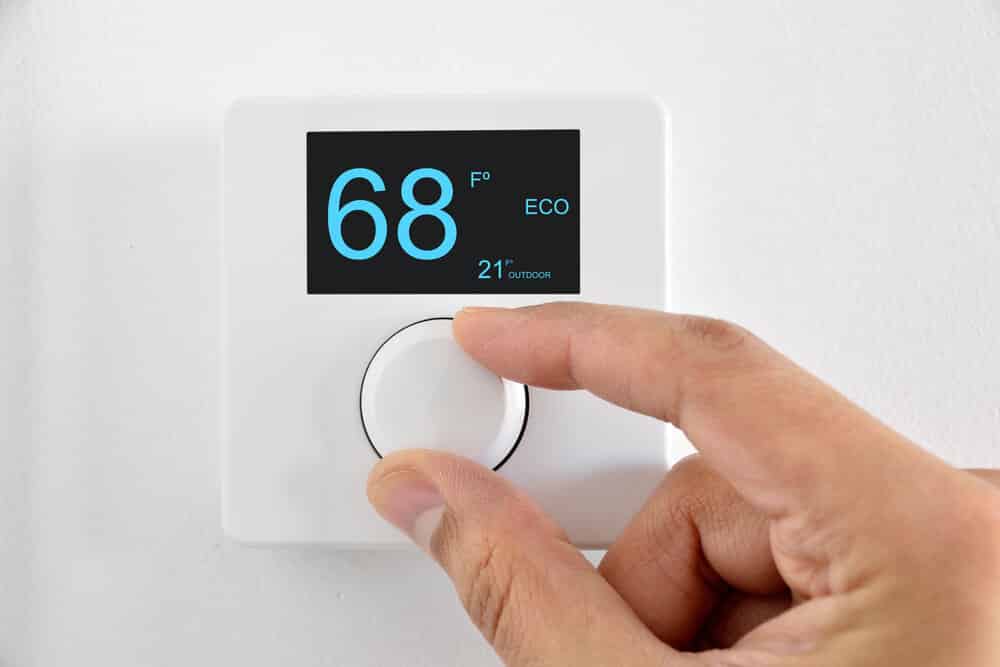
Smart thermostatskeep your home comfy by adjusting the temperature automatically. They learn your schedule and change settings without you needing to touch a button. This saves energy and money.
Remote access lets you control your thermostat from anywhere using a phone or tablet. You can turn the AC on before you get home or lower it if you forgot to adjust it. Scheduling helps set the temperature for different times of the day, so your home is always just right.
Tips For Maximizing Ac Efficiency
Regular maintenance keeps the air conditioner working well and saves energy. Clean or change filters every month or two. Dirt blocks airflow and makes the AC work harder. Check the coils and fins for dirt and clean them carefully. Clear debris around the outdoor unit to help airflow. Schedule professional tune-ups yearly to catch small problems early.
Use fans to help cool rooms faster and spread cool air. Ceiling fans or portable fans work well. Fans use less power than air conditioners. Open windows and doors in the early morning or late evening. This lets fresh air cool your home naturally before turning the AC on.
Seal leaks and drafts around windows, doors, and vents. Use weather stripping or caulk to close gaps. Leaks let cool air escape and warm air enter. This makes the air conditioner run longer and wastes energy. Keep your home airtight for better cooling and lower bills.
Credit: www.tomsguide.com
Credit: fischerheating.com
Frequently Asked Questions
What Is The Ideal Temperature For Air Conditioning?
The ideal temperature for air conditioning is typically between 24-26°C (75-78°F). This range balances comfort and energy efficiency. Adjusting within this range helps save energy while maintaining a comfortable environment. Always consider personal preferences and external weather conditions when setting the temperature.
How Can I Reduce Ac Energy Consumption?
To reduce AC energy consumption, set the thermostat to a moderate temperature. Use ceiling fans to circulate air. Ensure doors and windows are sealed properly. Regularly maintain the AC unit for optimal performance. These practices help lower energy bills and prolong the unit’s lifespan.
Why Does My Ac Run Constantly?
An AC running constantly may indicate issues like poor insulation, incorrect thermostat settings, or a malfunction. Check for blocked vents or dirty filters. Ensure the thermostat is set correctly. If the issue persists, consult a professional for a thorough inspection and maintenance.
Is It Cheaper To Leave Ac On All Day?
Leaving the AC on all day can increase energy bills. It’s more efficient to use a programmable thermostat. Set it to adjust temperatures when you’re away. This approach optimizes energy use, reducing costs while maintaining comfort during occupancy.
Conclusion
Setting your air conditioner right saves energy and keeps you cool. Aim for a temperature around 78°F (25-26°C) during summer days. This balance helps lower electricity bills and protects the environment. Adjust settings slightly at night or when away to save more.
Small changes make a big difference over time. Enjoy comfort without wasting power. Stay cool and smart with simple AC settings.