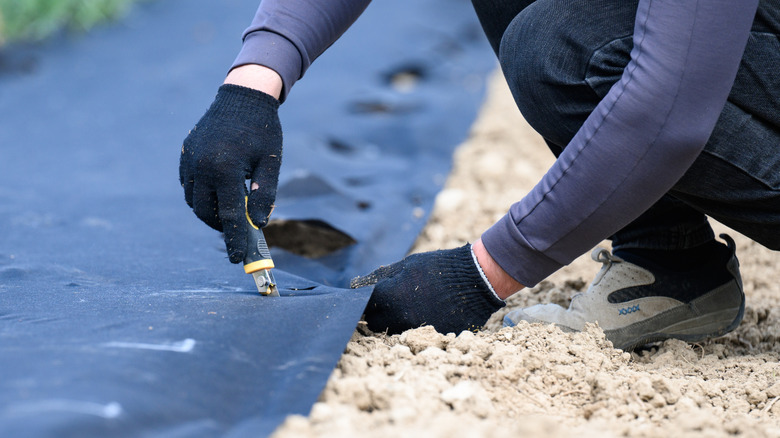
Are you tired of struggling with landscape fabric that just doesn’t do the job? Maybe it tears, blocks water, or ends up looking messy.
You’re not alone. Finding the right solution to keep weeds at bay while letting your plants thrive can be tricky. But what if there’s a better way? You’ll discover smart, easy alternatives to traditional landscape fabric that can save you time, money, and frustration.
Keep reading—you’ll want to know these game-changing options for your garden.
Limitations Of Landscape Fabric
Landscape fabric is often used to stop weeds from growing in gardens. It blocks sunlight and slows weed growth.
Despite its uses, landscape fabric has many limits that gardeners should know about.
It Blocks Water And Air
Landscape fabric can stop water and air from reaching the soil. Plants need both to grow well.
This can make the soil dry and harm the roots of plants under the fabric.
Weeds Can Still Grow
Weeds can grow on top of or through tears in the fabric. Some seeds sprout on the fabric surface.
Once weeds start, it is hard to remove them without disturbing the fabric.
Fabric Breaks Down Over Time
Landscape fabric does not last forever. Sunlight and weather wear it out after a few years.
When fabric breaks down, weeds can grow through the torn parts easily.
It Can Trap Soil Moisture
Fabric sometimes traps water under it. This can cause soil to stay too wet.
Wet soil can lead to root rot and harm your plants.
Difficult To Remove Or Change
Once installed, landscape fabric is hard to remove. It can stick to soil and roots.
Changing your garden layout is more work if fabric is in place.
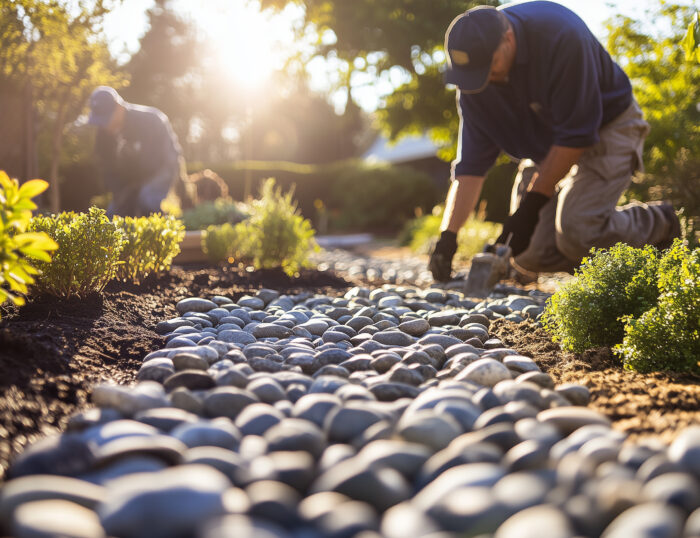
Credit: rockstoneandpebble.com
Benefits Of Eco-friendly Alternatives
Landscape fabric is popular for weed control. Still, it can harm the environment. Eco-friendly alternatives offer safer options.
These alternatives improve soil health and support local wildlife. They also reduce plastic waste in gardens.
Improved Soil Health
Eco-friendly materials allow water and air to reach the soil. This helps roots grow strong and healthy. Unlike plastic fabric, these options break down naturally.
Supports Beneficial Insects And Wildlife
Natural mulches and ground covers provide homes for insects and small animals. These creatures help pollinate plants and control pests.
- Leaves and straw create shelter for insects
- Wood chips offer nesting spots for birds
- Cover crops attract pollinators
Reduces Plastic Waste
Many landscape fabrics are made from plastic. They do not decompose and add to landfill waste. Eco-friendly options reduce this problem.
| Material | Decomposition Time | Environmental Impact |
| Plastic Landscape Fabric | 100+ years | High |
| Wood Chips | 1-2 years | Low |
| Straw Mulch | 6-12 months | Low |
| Leaves | 6-12 months | Low |
Cost-effectiveness Over Time
Eco-friendly options may cost less after the first season. They improve soil and reduce the need for fertilizers. This saves money in the long run.
Organic Mulch Options
Landscape fabric can stop weeds but it also stops water and air from reaching the soil. Organic mulch is a better choice for many gardens. It helps keep soil moist and adds nutrients as it breaks down.
These natural mulches improve soil health and support plant growth. They also look nice and attract beneficial insects. Here are some good organic mulch options to use instead of landscape fabric.
Wood Chips And Bark
Wood chips and bark are popular mulches made from tree parts. They last a long time and slowly release nutrients into the soil. These mulches help keep soil cool and reduce weed growth.
They work well around trees, shrubs, and garden beds. Avoid using fresh wood chips near young plants because they may take nitrogen from the soil.
- Use aged wood chips to prevent nitrogen loss
- Apply a 2-3 inch layer for best results
- Refresh mulch every year or two
Straw And Hay
Straw and hay are lightweight mulches that break down fast. Straw is the dry stalks left after grains are harvested. Hay contains seeds and may grow unwanted plants.
Straw is better for mulching vegetable gardens. It helps keep soil moist and prevents erosion. Use straw in a 2-4 inch layer to protect your plants.
- Choose straw over hay to avoid weed seeds
- Keep mulch away from plant stems to prevent rot
- Replace mulch as it decomposes
Grass Clippings
Grass clippings are a free mulch option from your lawn. They add nitrogen and organic matter to the soil as they break down. Use fresh clippings in thin layers to avoid matting.
Let clippings dry before spreading to reduce smell and mold. Grass mulch works well in vegetable and flower beds.
- Use dry clippings for best results
- Apply a thin layer to prevent compacting
- Do not use clippings treated with chemicals
Compost
Compost is rich, broken-down organic matter. It improves soil structure and adds nutrients. Using compost as mulch feeds plants and helps retain moisture.
Spread a 1-2 inch layer of compost around plants. Compost mulch breaks down faster than wood chips but is very good for soil health.
- Apply compost mulch yearly or as needed
- Keep compost away from plant stems
- Use well-rotted compost for safety

Credit: www.reddit.com
Natural Weed Barriers
Weeds can take over your garden if you don’t control them. Landscape fabric is one way to stop weeds. But natural options work well and help the soil breathe.
Here are some natural weed barriers you can use instead of landscape fabric. They are safe for plants and easy to find.
Cardboard Layers
Cardboard blocks sunlight and stops weeds from growing. It breaks down over time and adds organic matter to the soil. Remove any tape or labels before use.
- Lay flat cardboard pieces over the soil.
- Overlap edges to cover all gaps.
- Wet the cardboard to keep it in place.
- Add mulch on top to hold moisture and improve appearance.
Newspaper Sheets
Newspaper sheets work like cardboard but are thinner. They stop light and smother weeds. Use black and white pages without glossy color.
| How to Use | Tips |
| Lay 6 to 10 sheets thick over soil | Overlap edges well |
| Wet each layer as you go | Keep it moist to prevent blowing away |
| Cover with mulch | Helps hold sheets down and looks neat |
Jute And Burlap
Jute and burlap are natural fabrics that let water and air pass through. They block weeds but do not harm the soil. These materials break down slowly and add nutrients.
Benefits of Jute and Burlap:
- Biodegradable and eco-friendly
- Good for slopes and erosion control
- Allows roots to breathe
- Easy to cut and shape for garden beds
Living Ground Covers
Living ground covers are a natural alternative to landscape fabric. They reduce weeds and improve soil health. These plants spread across the ground and create a green carpet.
Using living ground covers helps keep your garden healthy and attractive. They need less maintenance than other weed barriers.
Clover
Clover is a fast-growing ground cover that fixes nitrogen in the soil. It helps other plants grow better. Clover stays green most of the year and attracts pollinators like bees.
- Reduces soil erosion
- Suppresses weeds naturally
- Improves soil fertility
- Requires little mowing
Creeping Thyme
Creeping thyme is a low-growing, fragrant plant. It produces small flowers that attract bees and butterflies. This ground cover tolerates dry soil and sun well.
| Feature | Details |
| Growth Height | 1 to 3 inches |
| Flower Color | Pink, purple, or white |
| Sun Exposure | Full sun to partial shade |
| Water Needs | Low |
Vinca Minor
Vinca minor, also called periwinkle, grows well in shade. It has glossy green leaves and blue or purple flowers. This ground cover spreads quickly and blocks weeds.
Benefits of Vinca Minor:
- Shade tolerant
- Evergreen leaves
- Requires little care
- Controls erosion on slopes

Credit: www.yahoo.com
Other Sustainable Solutions
Landscape fabric often blocks water and air from reaching the soil. It may also harm beneficial insects and microbes. Choosing sustainable alternatives helps your garden stay healthy and eco-friendly.
Here are some natural and reusable options that control weeds and enrich your soil without negative effects.
Rubber Mulch
Rubber mulch comes from recycled tires. It lasts a long time and does not break down quickly. It controls weeds by blocking sunlight and keeps soil warm.
- Does not attract insects or pests
- Helps conserve soil moisture
- Available in many colors
- Can be reused for years
Pine Needles
Pine needles make a light, natural mulch. They slowly break down and add acidity to the soil. This suits plants like blueberries or azaleas that prefer acidic soil.
| Benefit | Description |
| Weed control | Blocks sunlight from weeds |
| Soil improvement | Adds organic matter as it breaks down |
| Water retention | Helps keep soil moist |
| Lightweight | Easy to spread and move |
Leaf Mold
Leaf mold is made from decomposed leaves. It improves soil structure and water retention. It also supports beneficial microbes and earthworms.
Advantages of Leaf Mold:
- Enhances soil fertility naturally
- Suppresses weed growth
- Increases soil’s ability to hold water
- Safe for all garden plants
Tips For Applying Alternatives
Using alternatives to landscape fabric can be effective in managing weeds. Here are tips for applying these options.
Learn how to prepare, install, maintain, and consider seasonal needs for your garden.
Preparation And Installation
Proper preparation ensures success when using alternatives. Choose materials that suit your garden needs.
- Clear the area of weeds and debris.
- Choose mulch, straw, or newspaper as your base layer.
- Lay the material evenly across the garden bed.
Maintenance Practices
Regular maintenance helps keep your garden healthy. Check your mulch layers frequently.
| Task | Frequency |
| Replenish mulch | Every 3 months |
| Check for weeds | Weekly |
| Water plants | As needed |
Seasonal Considerations
Each season requires different garden care strategies. Adapt to changes in weather.
Frequently Asked Questions
What Are The Best Alternatives To Landscape Fabric?
Organic mulch, cardboard, and newspaper are great alternatives. They suppress weeds naturally and improve soil health. These materials are eco-friendly and biodegradable, making them ideal for sustainable gardening.
Can Cardboard Replace Landscape Fabric Effectively?
Yes, cardboard is an effective weed barrier. It blocks sunlight, preventing weed growth while allowing water to penetrate. It breaks down over time, enriching the soil without harmful chemicals.
Is Organic Mulch Better Than Landscape Fabric?
Organic mulch is better for soil health. It retains moisture, controls weeds, and adds nutrients as it decomposes. Unlike fabric, mulch improves soil structure and supports beneficial organisms.
How Does Newspaper Work As A Landscape Fabric Substitute?
Newspaper layers block sunlight and suppress weeds effectively. It is biodegradable and safe for plants. Wet the newspaper before covering with mulch to keep it in place.
Conclusion
Choosing the right alternative to landscape fabric helps your garden thrive. Mulch, cardboard, and natural ground covers work well. These options keep weeds down and let water in. They also improve soil health over time. Each choice fits different garden needs and budgets.
Try a few to see what suits your space best. Good ground care leads to stronger plants and happier outdoor areas. Small changes make a big difference in your garden’s success. Keep your soil healthy and weeds controlled without fabric.