
Are you tired of dealing with scratched, worn-out non-stick pans? Or maybe you want to cook healthier without worrying about chemicals?
Finding the right alternative to your non-stick pan can change the way you cook—and make your meals better. You’ll discover easy and effective options that protect your food, save your kitchen tools, and make cooking a joy again. Keep reading to find the perfect pan that fits your needs and keeps your food delicious every time.
Why Avoid Non Stick Pans
Non stick pans are popular for easy cooking and cleaning. Still, some reasons make people choose other types of cookware.
This article explains why you should avoid non stick pans by looking at health, durability, and environmental factors.
Health Concerns
Non stick pans often use chemicals like PTFE and PFOA. These can release toxic fumes at high heat. Breathing these fumes can cause flu-like symptoms in people and pets.
- High heat can break down the coating
- Coating can peel and mix with food
- Toxic fumes may harm lungs and heart
- Long term exposure links to health risks
Durability Issues
Non stick coatings wear off quickly. Scratches and chips appear with regular use. This short lifespan means you must replace pans often.
| Factor | Non Stick Pan | Alternative Pan |
| Scratch Resistance | Low | High (e.g., cast iron, stainless steel) |
| Lifespan | 1-3 years | 10+ years |
| Maintenance | Careful use needed | Seasoning or simple cleaning |
Environmental Impact
Non stick pans are hard to recycle due to their coatings. The chemicals used can pollute soil and water. Making these pans uses more energy and raw materials.
- Release toxic chemicals during production
- Coatings do not break down in landfills
- Frequent replacement creates more waste
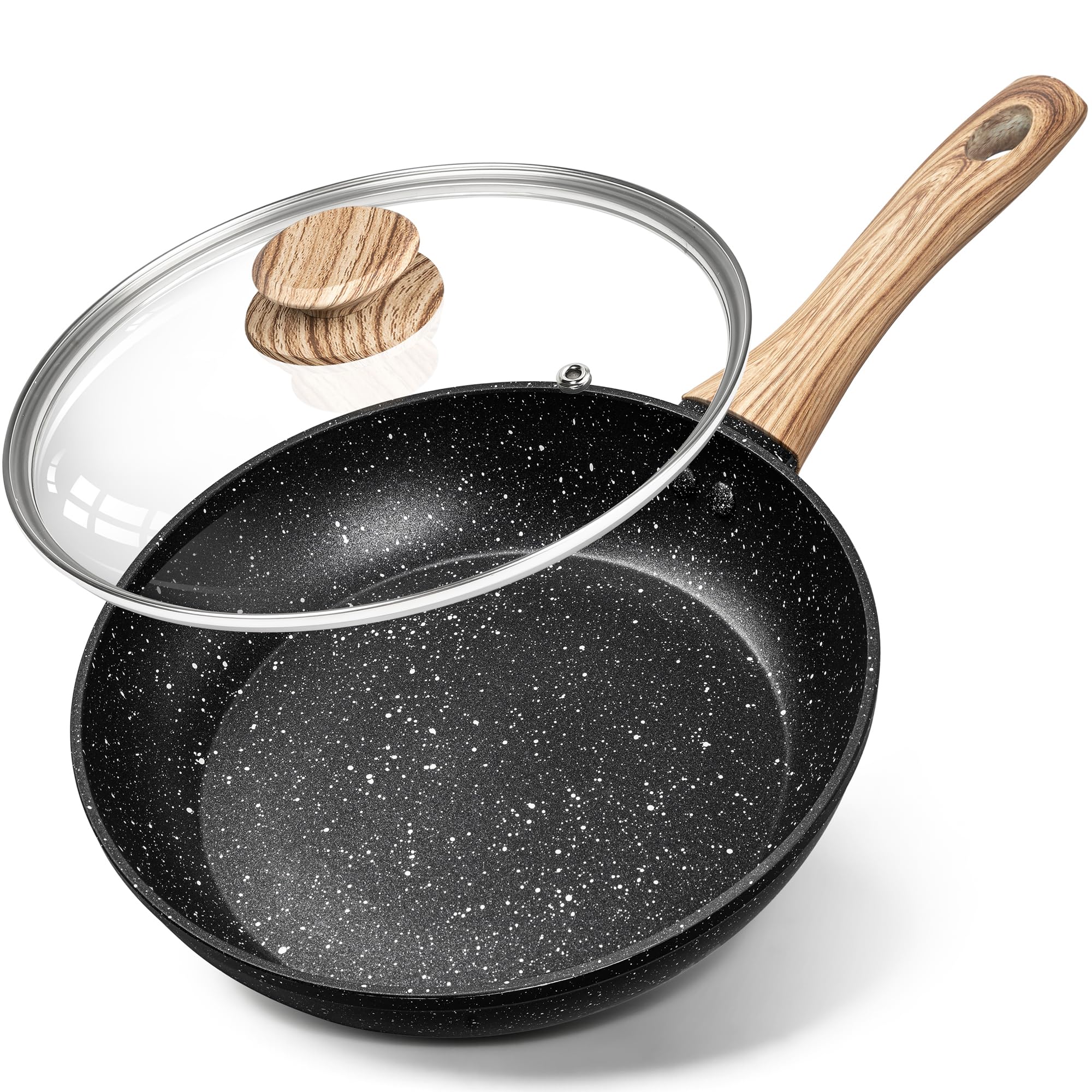
Credit: www.amazon.ca
Cast Iron Cookware
Cast iron cookware is a strong and natural alternative to non-stick pans. It lasts for many years when cared for properly.
This type of cookware heats evenly and can be used on many heat sources, including ovens and campfires.
Benefits For Health
Cooking with cast iron can add small amounts of iron to your food. This is good for people with low iron levels.
It does not release harmful chemicals like some non-stick coatings might when heated.
- Natural iron boost for your meals
- No toxic fumes or coatings
- Safe at high cooking temperatures
Seasoning And Maintenance Tips
Seasoning creates a natural non-stick surface on cast iron. It protects the pan and improves cooking.
- Clean the pan with warm water after use. Avoid soap if possible.
- Dry it completely to stop rust from forming.
- Apply a thin layer of cooking oil to the surface.
- Heat the pan in the oven or on the stove to set the oil.
- Repeat seasoning regularly to keep the surface smooth.
Best Uses In Cooking
Cast iron works well for many cooking methods. It holds heat well and cooks food evenly.
| Cooking Method | Best For |
| Searing | Steaks, pork chops |
| Baking | Bread, cornbread, frittatas |
| Frying | Chicken, vegetables |
| Sautéing | Onions, mushrooms |
Stainless Steel Pans
Stainless steel pans offer a strong and safe cooking option. They do not have a coating that can wear off. These pans can last a long time with proper care.
This type of pan handles high heat well. It is perfect for searing, frying, and boiling food. Many cooks prefer stainless steel for its durability.
Advantages Over Non Stick
Stainless steel pans have many benefits compared to non stick pans. They can withstand higher temperatures without damage. The pans do not release harmful chemicals when heated.
- Durable and scratch-resistant surface
- Better heat distribution for even cooking
- Can be used with metal utensils
- Oven safe at high temperatures
- No risk of coating peeling off
Cooking Techniques
Stainless steel pans are great for browning and searing food. You can use oil or butter to prevent sticking. Preheat the pan well before adding food. This helps create a natural non stick effect.
- Heat the pan on medium heat for a few minutes
- Add oil and let it warm up
- Place food gently in the pan without crowding
- Allow food to cook without moving it too soon
- Flip or stir once a crust forms to release easily
Cleaning And Care
Proper cleaning keeps stainless steel pans in good shape. Avoid harsh scrubbers that can scratch the surface. Use warm soapy water and a soft sponge. For stuck food, soak the pan before washing.
| Cleaning Tip | Details |
|---|---|
| Regular Wash | Use mild dish soap and warm water |
| Stuck Food | Soak with warm water for 15 minutes |
| Stains | Use a paste of baking soda and water |
| Avoid | Steel wool or abrasive cleaners |
| Drying | Wipe dry to prevent water spots |

Credit: www.amazon.ca
Ceramic Cookware
Ceramic cookware is a popular choice for those avoiding non-stick pans. It uses a natural coating made from minerals. This coating helps food cook without sticking.
People like ceramic cookware because it is safe and lasts long. It works well for many cooking styles.
Natural Non Stick Properties
The ceramic surface is smooth and hard. This stops food from sticking without using chemicals. It works best with some oil or butter.
This natural non-stick feature helps cook eggs, pancakes, and fish easily. It cleans up quickly with warm water and soap.
Safety And Longevity
Ceramic cookware does not release harmful fumes. It is free from chemicals like PFOA and PTFE. This makes it safe for everyday use.
It lasts long if you avoid sharp tools and sudden temperature changes. It is strong but can crack if dropped.
Ideal Cooking Styles
Ceramic cookware works best for low to medium heat cooking. It is great for frying, sautéing, and simmering foods.
- Cooking eggs and pancakes
- Sautéing vegetables and meats
- Simmering sauces and stews
- Baking dishes in the oven (if oven-safe)
Carbon Steel Pans
Carbon steel pans are a strong and lightweight alternative to non-stick pans. They heat quickly and cook food evenly.
These pans become naturally non-stick with proper care and seasoning. Many chefs prefer them for their performance.
Comparison With Cast Iron
Carbon steel pans share many traits with cast iron but have key differences. They are lighter and heat up faster.
| Feature | Carbon Steel | Cast Iron |
| Weight | Light | Heavy |
| Heat Time | Quick | Slow |
| Durability | High | Very High |
| Maintenance | Seasoning needed | Seasoning needed |
| Non-stick Quality | Good after seasoning | Good after seasoning |
Seasoning Process
Seasoning protects carbon steel pans and creates a natural non-stick surface. The process is simple but must be repeated regularly.
- Wash the pan with hot water and dry it completely.
- Apply a thin layer of cooking oil to the surface.
- Heat the pan on medium heat until the oil starts to smoke.
- Let the pan cool and wipe off excess oil.
- Repeat this process several times for better seasoning.
Versatility In The Kitchen
Carbon steel pans work well for many cooking styles. They handle high heat and quick temperature changes easily.
- Searing meats and fish
- Stir-frying vegetables
- Making omelets and pancakes
- Baking in the oven
- Grilling sandwiches
Glass And Enamel Options
Choosing the right cookware is important for safe and healthy cooking. Glass and enamel pans offer good alternatives to non-stick pans. They provide durability and different cooking benefits.
These options do not use synthetic coatings that may wear off. They can handle high heat and offer different cooking experiences.
Health And Safety Benefits
Glass and enamel pans do not release harmful chemicals when heated. They are made from natural materials or coated with safe substances. This reduces the risk of toxins mixing with your food.
- Non-reactive surfaces keep food pure and tasty
- Safe for oven and dishwasher use
- Resistant to scratching and peeling
- Do not emit fumes at high temperatures
Limitations And Best Uses
Glass and enamel pans have some limits. They can be heavy and may chip if dropped. They heat slower than metal pans. These pans work best for gentle cooking styles.
| Cookware Type | Best Use | Limitations |
| Glass Pans | Baking, slow cooking, reheating | Fragile, not for stovetop high heat |
| Enamel Pans | Sautéing, simmering, oven cooking | Can chip if handled roughly |
Tips For Cooking Without Non Stick
Cooking without a non stick pan can seem tricky. You might worry about food sticking and burning. But with a few smart tips, you can cook easily and clean up quickly.
Using the right tools and techniques helps you get great food without non stick pans. Here are some ways to cook well without them.
Using Proper Oils And Fats
Oils and fats create a barrier between food and the pan. This stops food from sticking. Use oils that can handle high heat well.
Butter adds flavor but burns faster. Choose oils like canola, vegetable, or avocado oil for better results.
- Use enough oil to cover the pan’s surface thinly.
- Heat the oil before adding food to prevent sticking.
- For baking or roasting, use fats like lard or duck fat.
Temperature Control
Cooking at the right temperature is key. Too hot makes food burn and stick. Too low makes food soggy and sticky.
Start with medium heat to warm the pan and oil. Adjust heat as needed while cooking for the best results.
- Preheat your pan before adding oil or food.
- Lower the heat if oil smokes or food burns.
- Use a thermometer for precise cooking if possible.
Preventing Food From Sticking
Food sticks when the pan surface is uneven or dirty. Clean your pan well before cooking. Avoid moving food too soon.
Let food cook undisturbed until it naturally releases from the pan. Use tools like silicone spatulas to turn food gently.
- Season cast iron pans regularly to build a natural non stick layer.
- Dry food before cooking to reduce moisture that causes sticking.
- Use gentle stirring and flipping to keep food intact.

Credit: www.seriouseats.com
Frequently Asked Questions
What Are Alternatives To Non-stick Pans?
Consider stainless steel, cast iron, or ceramic cookware. Stainless steel offers durability and even heating. Cast iron is versatile and retains heat well. Ceramic pans provide a non-toxic, non-stick surface. These options are eco-friendly and enhance your cooking experience without harmful chemicals.
Are Stainless Steel Pans Good For Cooking?
Yes, stainless steel pans are excellent for cooking. They are durable, distribute heat evenly, and are easy to clean. They are ideal for browning and searing. Unlike non-stick pans, they can withstand high temperatures and metal utensils, making them a versatile kitchen essential.
Is Cast Iron Better Than Non-stick?
Cast iron is often considered better than non-stick. It offers superior heat retention and a natural non-stick surface when seasoned. Cast iron is durable and can last generations with proper care. It is ideal for various cooking methods, including baking, frying, and sautéing.
Can Ceramic Pans Replace Non-stick Pans?
Yes, ceramic pans can replace non-stick pans. They provide a non-toxic, non-stick surface without harmful chemicals. Ceramic pans distribute heat evenly and are easy to clean. They are suitable for low to medium heat cooking and are an eco-friendly alternative to traditional non-stick cookware.
Conclusion
Choosing the right pan makes cooking easier and healthier. Cast iron, stainless steel, and ceramic pans work well. They last long and handle high heat. These options avoid harmful chemicals found in some non-stick pans. Cleaning them is simple with a little care.
Trying different pans can change how food tastes and cooks. Your kitchen will feel more versatile and safe. Keep your cooking fun and worry-free with these choices. Give them a try and see the difference yourself.