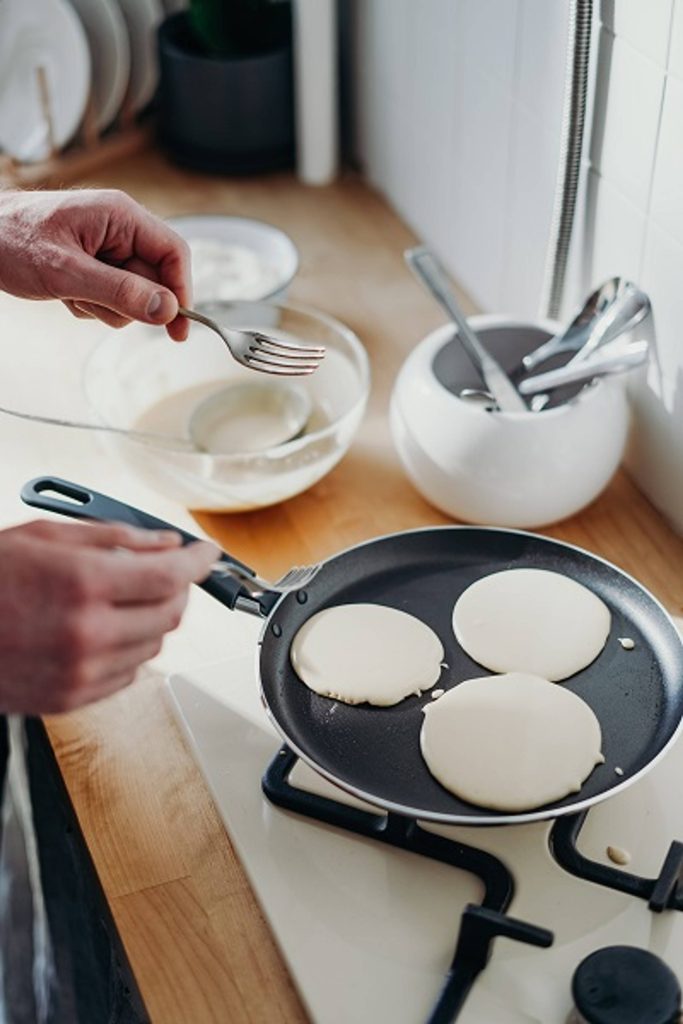
Are you tired of worrying about the chemicals and scratches on your nonstick pans? You’re not alone.
Many people want safer, more durable options that still make cooking easy and mess-free. But what can you use instead of nonstick pans without losing the convenience? You’ll discover simple and healthy alternatives that can transform your kitchen experience. Keep reading to find the perfect pan that works for you and your meals every time.

Credit: www.seriouseats.com
Drawbacks Of Nonstick Pans
Nonstick pans are popular in many kitchens. They make cooking and cleaning easy. Still, these pans have some problems you should know about.
Knowing the drawbacks helps you find better options. This guide explains the health, durability, and environmental issues of nonstick pans.
Health Concerns
Nonstick pans use a chemical coating called PTFE. When heated above 500°F, this coating can release toxic fumes. These fumes may cause flu-like symptoms in people and harm pet birds.
Scratched or damaged coatings can mix with food. Eating flakes of the coating is unsafe. It may cause stomach problems or other health issues.
Durability Issues
Nonstick coatings wear out quickly. Using metal utensils or abrasive cleaners can scratch the surface. Once scratched, the pan loses its nonstick ability.
These pans often need replacement every few years. This can cost more money over time. They also do not handle very high heat well.
Environmental Impact
Making nonstick pans involves harmful chemicals. These chemicals can pollute air and water during production. Disposal of old pans adds to landfill waste.
- PTFE coatings do not break down easily
- Manufacturing releases greenhouse gases
- Old pans are hard to recycle
Cast Iron Cookware
Cast iron cookware is a strong and long-lasting alternative to nonstick pans. It can be used for many cooking tasks and improves with time.
These pans hold heat well and can be used on the stove, in the oven, or over a fire.
Benefits For Health
Cast iron pans add a small amount of iron to your food. Iron is important for healthy blood and energy.
They do not contain chemicals that can come off in food. This makes them a safer choice than some nonstick pans.
- Add dietary iron to your meals
- Free from harmful coatings and chemicals
- Can help avoid toxins from scratched nonstick pans
Maintenance Tips
Keep your cast iron pan clean and dry to stop rust. Use mild soap and water, then dry it well.
Season your pan regularly. This means coating it with oil and heating it. This keeps food from sticking and protects the pan.
- Wash with warm water and soft brush
- Dry immediately after washing
- Apply a thin layer of cooking oil after drying
- Heat in oven or on stove to set the oil
- Store in a dry place
Best Uses
Cast iron pans work well for frying, baking, and slow cooking. They keep heat evenly for good cooking results.
Use them for searing meat, making cornbread, or cooking vegetables. They can go from stovetop to oven easily.
- Searing steaks and meats
- Baking bread and casseroles
- Frying eggs and pancakes
- Roasting vegetables
- Cooking stews and soups
Stainless Steel Pans
Stainless steel pans are a strong and safe choice for cooking. They do not have coatings that can wear off.
These pans last long and work well for many recipes. They handle heat evenly and can be used with metal utensils.
Advantages In Cooking
Stainless steel pans heat food evenly and keep flavors true. They can reach high temperatures without damage.
- Great for browning and searing meats
- Safe for oven use at high temperatures
- Does not react with acidic foods like tomatoes or vinegar
- Durable and resistant to scratches and dents
Cleaning And Care
Cleaning stainless steel pans is simple but needs care to keep their shine. Avoid harsh scrubbing to prevent marks.
| Cleaning Tip | Description |
| Warm soapy water | Use after cooking to remove grease |
| Non-abrasive sponge | Prevents scratches on the surface |
| Baking soda paste | Helps remove tough stains gently |
| Dry immediately | Prevents water spots and rust |
Ideal Cooking Techniques
Stainless steel pans work best with certain cooking methods. They hold heat well and allow good control.
- Searing meats to lock in juices
- Sautéing vegetables evenly
- Deglazing pan to make sauces
- Pan-frying fish with a crispy crust
Ceramic Cookware
Ceramic cookware offers a safe and healthy alternative to nonstick pans. It uses a natural coating that does not release harmful chemicals.
This type of cookware is popular for cooking with less oil. It also stands up well to daily kitchen use.
Non-toxic Features
Ceramic cookware is free from toxic chemicals like PTFE and PFOA. These chemicals can release fumes when heated.
The ceramic coating is made from natural minerals. It does not react with food or leach harmful substances.
- No harmful fumes during cooking
- Safe for use with acidic and alkaline foods
- Non-toxic and eco-friendly materials
Heat Distribution
Ceramic pans heat evenly across the cooking surface. This helps food cook uniformly without hot spots.
The ceramic layer holds heat well, which supports consistent cooking temperatures. It works on various stovetops.
- Even heat spreads for better cooking
- Maintains steady temperature
- Compatible with gas, electric, and induction stovetops
Longevity And Handling
Ceramic cookware is durable but needs gentle care. Avoid using metal utensils to protect the surface.
With proper cleaning and storage, ceramic pans last for years. They resist scratches and chips better than traditional nonstick pans.
- Use wooden or silicone utensils
- Hand wash with mild soap
- Store carefully to avoid damage
Carbon Steel Pans
Carbon steel pans are a great alternative to nonstick pans. They offer natural nonstick properties after seasoning. These pans are popular with many cooks.
They heat quickly and evenly. Carbon steel pans are perfect for frying, sautéing, and searing. They can last a lifetime with proper care.
Seasoning Process
Seasoning is key for carbon steel pans. It creates a natural nonstick surface. The process also protects the pan from rust.
Start by cleaning the pan and drying it well. Then apply a thin layer of oil. Heat the pan on medium heat for about 10 minutes. Let it cool and wipe off excess oil.
- Clean and dry the pan
- Apply a thin layer of oil
- Heat on medium for 10 minutes
- Cool and wipe excess oil
Versatility In Kitchen
Carbon steel pans work well for many cooking styles. They handle high heat and quick temperature changes. You can use them on the stove, in the oven, or over a grill.
These pans are great for frying eggs, searing meat, or making stir-fries. They also brown food nicely, adding good flavor.
- Suitable for frying, searing, and sautéing
- Works on stove, oven, and grill
- Handles high heat well
- Adds good browning to food
Durability Benefits
Carbon steel pans are very strong and last many years. They resist warping and scratching better than nonstick pans. With care, they only get better over time.
These pans can handle metal utensils without damage. They do not have coatings that can peel or wear out. This makes them a good long-term choice.
- Lasts many years with care
- Resists warping and scratching
- Safe with metal utensils
- No peeling or wearing coating

Credit: www.seriouseats.com
Glass Cookware
Glass cookware is a safe and eco-friendly alternative to nonstick pans. It heats evenly and does not release harmful chemicals.
This type of cookware works well for baking, roasting, and stovetop cooking at low to medium heat.
Safety For Cooking
Glass cookware is non-reactive and does not leach toxins into food. It is safe for use in the oven and microwave but may not be suitable for high heat on the stove.
- Avoid sudden temperature changes to prevent cracking.
- Use wooden or silicone utensils to avoid scratches.
- Check for chips or cracks before use to ensure safety.
Best Types Of Dishes
Glass cookware is ideal for baking casseroles, roasting vegetables, and making desserts like cakes or pies.
| Dish Type | Recommended Glass Cookware |
| Casseroles | Rectangular or square glass baking dishes |
| Roasting | Deep glass roasting pans |
| Baking | Glass pie plates and cake pans |
Cleaning Tips
Cleaning glass cookware is simple but requires care to keep it looking new.
- Let cookware cool before washing to avoid thermal shock.
- Use warm soapy water and a soft sponge for cleaning.
- For stuck-on food, soak the dish in water before scrubbing.
- Do not use abrasive cleaners or steel wool.
Silicone Cookware Options
Silicone cookware offers a safe and flexible alternative to nonstick pans. It is heat-resistant and easy to handle in the kitchen.
These tools come in many forms, such as baking mats, molds, and spatulas. They work well for many cooking tasks.
Health And Safety
Silicone is a non-toxic material that does not release harmful chemicals when heated. It is FDA approved for food use and safe at high temperatures.
- Does not contain PTFE or PFOA chemicals
- Heat resistant up to 428°F (220°C) or more
- Non-porous surface prevents bacteria growth
- Odorless and tasteless during cooking
Uses In Baking
Silicone bakeware works well for cakes, muffins, and breads. It helps release baked goods easily without sticking.
| Type | Best Use |
| Baking mats | Cookies and pastries |
| Muffin cups | Muffins and cupcakes |
| Loaf pans | Breads and meatloaf |
| Chocolate molds | Making shaped candies |
Care Instructions
Cleaning silicone cookware is simple and keeps it lasting longer. Avoid using sharp tools that can cut the material.
- Wash with warm soapy water before first use
- Clean after each use to prevent oil buildup
- Do not use abrasive scrubbers or knives
- Dry completely before storing to avoid mold
- Store flat or loosely rolled to keep shape
Choosing The Right Alternative
Nonstick pans are popular but have some downsides. You can use other types of cookware that suit your cooking style and needs.
This guide helps you pick the best alternative by looking at your cooking habits, budget, and long-term use.
Matching Cookware To Cooking Style
Different pans work better for certain cooking methods. Choose one that fits how you cook most often.
- Cast iron:Great for frying and searing at high heat.
- Stainless steel:Best for sautéing and browning food evenly.
- Ceramic:Good for low to medium heat cooking with easy cleanup.
- Carbon steel:Lightweight option for grilling and stir-frying.
Budget Considerations
Cookware costs vary. Some options need more upfront money but last longer.
| Cookware Type | Price Range | Maintenance |
| Cast Iron | Moderate | Season regularly |
| Stainless Steel | Moderate to High | Easy to clean |
| Ceramic | Low to Moderate | Avoid sudden temperature changes |
| Carbon Steel | Low to Moderate | Season like cast iron |
Long-term Investment
Think about how long your cookware will last and how well it performs over time.
Here are key points for long-term use:
- Durability matters; some materials last decades.
- Proper care extends cookware life.
- Repair options vary by material.
- Quality often means better cooking results.
Tips For Cooking Without Nonstick
Nonstick pans are popular because they stop food from sticking. You can cook well without them. Using the right techniques and tools helps food cook evenly and taste great.
Here are some tips for cooking without nonstick pans. They focus on oils, heating, and stopping food from sticking to the pan.
Using Oils And Fats
Oils and fats create a barrier between food and the pan. This helps prevent sticking and adds flavor. Use oils with a high smoke point for better results.
Butter adds taste but burns faster. Mix butter with oil to cook at higher heat without burning.
- Use vegetable, canola, or avocado oil for high heat
- Combine butter and oil for flavor and heat control
- Use enough oil to coat the pan evenly
Preheating Techniques
Preheat your pan well before adding oil or food. A hot pan helps food cook quickly and prevents sticking. Test heat by sprinkling a few drops of water; they should dance or evaporate fast.
Adding oil after preheating the pan helps form a slick surface. Avoid adding oil too early because it can burn and make food stick.
- Heat pan on medium for 2-3 minutes
- Check temperature with water drops
- Add oil only after pan is hot
Avoiding Food Sticking
Let food cook undisturbed for a few minutes. Moving food too soon can cause it to stick. When it’s ready, it will release easily from the pan.
Use tools like spatulas to gently lift food. Keep your pan clean and avoid overcrowding so heat spreads evenly.
- Wait for natural release before flipping food
- Use a thin, flexible spatula to lift food
- Clean pan surface between batches
- Cook in small batches to keep heat steady

Credit: www.youtube.com
Frequently Asked Questions
What Are Good Alternatives To Nonstick Pans?
Stainless steel, cast iron, and ceramic pans are excellent alternatives to nonstick. They are durable and versatile. Stainless steel pans offer even heat distribution, while cast iron retains heat well. Ceramic pans provide a non-toxic cooking surface. These options promote healthier cooking without compromising on performance or flavor.
Are Cast Iron Pans Better Than Nonstick?
Yes, cast iron pans are better in many ways. They are incredibly durable and can last a lifetime. Cast iron pans also retain heat exceptionally well, making them ideal for searing and frying. With proper seasoning, they can develop a natural nonstick surface, offering a healthier cooking option.
Do Stainless Steel Pans Stick?
Stainless steel pans can stick if not used correctly. To prevent sticking, preheat the pan and add oil before cooking. This creates a barrier between the food and the pan. Proper technique and seasoning can enhance their nonstick qualities, making them a reliable alternative to traditional nonstick cookware.
Why Choose Ceramic Pans Over Nonstick?
Ceramic pans are a healthier choice compared to nonstick. They are free from harmful chemicals like PFOA and PTFE. Ceramic surfaces are naturally nonstick, reducing the need for excessive oils. They offer an eco-friendly and safer cooking experience, making them a popular choice for health-conscious individuals.
Conclusion
Choosing the right pan can improve your cooking experience. Cast iron, stainless steel, and ceramic offer good alternatives. These options last longer and can be healthier. They also handle heat better for many recipes. Cleaning them is simple with the right care.
Experiment with different pans to find what suits you best. Cooking becomes more enjoyable and safe this way. Try these pans and see the difference yourself. Your kitchen will thank you for the change.