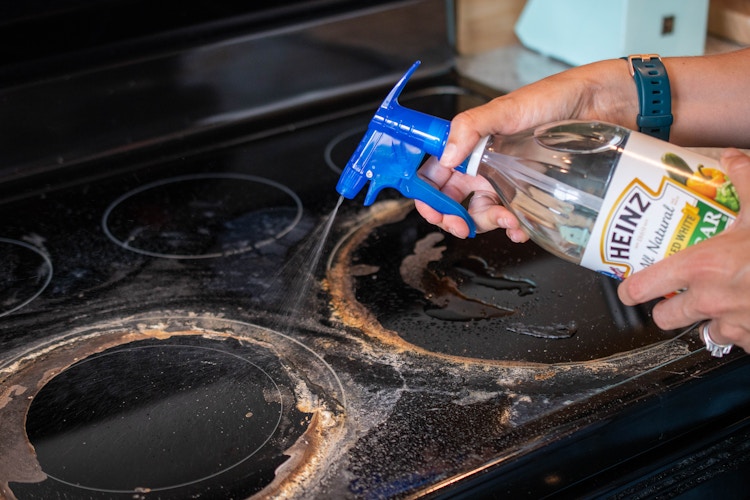
Are you tired of stubborn stains and streaks ruining the look of your glass cooktop? You want it sparkling clean but don’t know what to use without causing scratches or damage.
The good news is, cleaning your glass cooktop doesn’t have to be a frustrating chore. With the right tools and products, you can make your cooktop shine like new in no time. Keep reading to discover the best ways to clean your glass cooktop safely and effectively—so you can enjoy a spotless kitchen every day.
Credit: www.kitchenaid.com
Common Stains On Glass Cooktops
Glass cooktops look sleek and modern, but they can quickly show signs of wear if not cleaned properly. Understanding the common stains that appear on your cooktop helps you choose the right cleaning method. Let’s look at what usually causes these stains and why you should tackle them promptly.
Types Of Residues
Residues on glass cooktops come in several forms, each requiring a different cleaning approach. Some of the most common types include:
- Burnt-on food:Spills that cook and harden during use, often sticky and tough to remove.
- Grease splatters:Oily spots from frying or sautéing that leave a film on the surface.
- Mineral deposits:White or cloudy spots caused by water hard minerals, especially if you wipe the cooktop with damp cloths and don’t dry it immediately.
- Scratches and scuffs:Not stains per se, but marks that can trap dirt and make your cooktop look dull.
Have you noticed that some stains refuse to budge no matter how much scrubbing you do? Identifying the residue type helps avoid wasting effort on the wrong cleaning products.
How Stains Affect Cooktops
Stains might seem like just an eyesore, but they can actually harm your glass cooktop over time. Burnt food and grease can build up, making the surface sticky and harder to clean later. This buildup can even cause discoloration or permanent marks.
Mineral deposits can create a cloudy film that dulls the shiny finish, affecting how your cooktop looks and performs. Scratches, when filled with dirt or grease, become more visible and degrade the smooth surface you rely on.
Ignoring these stains might lead to more costly repairs or replacements. Do you want your cooktop to look and function like new for years? Tackling stains early preserves both beauty and performance.

Credit: gaslandchef.com
Everyday Cleaning Solutions
Keeping your glass cooktop spotless doesn’t require harsh chemicals or expensive tools. Everyday cleaning solutions often use items you already have at home, making maintenance simple and budget-friendly. These easy methods help you tackle grease and stains without scratching the surface.
Dish Soap And Water
Dish soap mixed with warm water is one of the gentlest ways to clean your glass cooktop. Use a soft cloth or sponge dipped in soapy water to wipe down spills and light stains. This combo cuts through grease effectively without damaging the cooktop’s surface.
After scrubbing, rinse with a damp cloth to remove soap residue, then dry with a microfiber towel. Have you tried this method after your last cooking session? It might surprise you how well it keeps your cooktop shiny with minimal effort.
Vinegar And Baking Soda
Vinegar and baking soda create a powerful but natural cleaning duo. Spray white vinegar directly on the cooktop, then sprinkle baking soda over the surface. The fizzing reaction helps lift stubborn stains and burnt-on food particles.
Let the mixture sit for 10–15 minutes before gently scrubbing with a non-abrasive pad. Rinse thoroughly and wipe dry. This method is especially useful when you want a chemical-free option that still delivers results.
Commercial Glass Cooktop Cleaners
Commercial cleaners designed specifically for glass cooktops offer convenience and targeted cleaning power. These products usually come in cream or spray forms and are formulated to remove tough stains without scratching.
Apply the cleaner following the instructions, then use a soft cloth to polish the surface to a streak-free shine. If you prefer a ready-made solution with added protective ingredients, these cleaners are worth keeping on hand.
Natural Cleaning Alternatives
Natural cleaning alternatives offer a safe and effective way to keep your glass cooktop sparkling without harsh chemicals. These options are often readily available in your kitchen and are gentle on both the surface and the environment. Have you ever tried a natural solution and been surprised by how well it worked?
Lemon Juice
Lemon juice is a powerful natural cleaner because of its acidity. It cuts through grease and grime effortlessly while leaving a fresh scent behind. Simply squeeze fresh lemon juice onto the cooktop, let it sit for a few minutes, then wipe clean with a soft cloth.
For stubborn spots, sprinkle a little baking soda after applying lemon juice. This creates a mild fizz that helps lift tough stains without scratching the glass. You’ll notice how your cooktop shines without any chemical residue.
Cornstarch Paste
Cornstarch isn’t just for cooking; it also makes a great cleaner for glass cooktops. Mix cornstarch with water to form a thick paste, then spread it evenly over the surface. Allow it to dry completely before wiping it away with a damp cloth.
This paste helps absorb grease and leaves the glass streak-free. Have you tried this simple trick to get rid of fingerprints and smudges? It’s a cost-effective alternative that you might want to keep in your cleaning toolkit.
Essential Oils
Essential oils like tea tree, lavender, or eucalyptus add antibacterial properties and a pleasant aroma to your cleaning routine. Add a few drops to water or a natural cleaner base to boost its effectiveness. This not only cleans but also freshens your kitchen space.
Using essential oils can turn a mundane task into a more enjoyable experience. What scents do you find most uplifting while cleaning? Experimenting with different oils might make you look forward to your next cooktop cleaning session.
Tools For Effective Cleaning
Choosing the right tools makes cleaning a glass cooktop easier and safer. The right equipment protects the surface while removing dirt and stains effectively. Using gentle tools prevents scratches and keeps the cooktop shiny. Here are some essential tools that help clean your glass cooktop well.
Microfiber Cloths
Microfiber cloths are soft and absorbent. They pick up grease and spills without scratching the surface. These cloths dry quickly and can be used wet or dry. Using microfiber cloths leaves a streak-free shine on the glass. They are reusable and easy to wash, making them eco-friendly and cost-effective.
Scrapers And Spatulas
Scrapers and spatulas help remove burnt food and tough stains. Use ones with plastic or silicone edges to avoid damage. Hold the scraper at a low angle and gently lift residue. Avoid metal scrapers, which can scratch the glass. These tools work well for stuck-on messes without harming the cooktop.
Non-abrasive Pads
Non-abrasive pads are perfect for scrubbing without scratching. They remove stubborn spots while being gentle on the surface. Use pads made for delicate surfaces to protect the glass. Avoid rough or steel wool pads, which can cause permanent damage. These pads help maintain a clean and smooth cooktop finish.
Cleaning Tips And Precautions
Cleaning a glass cooktop requires careful attention to avoid damage while keeping it spotless. Knowing the right tips and precautions can save you time and frustration. Let’s look at how you can protect your cooktop and handle common cleaning challenges effectively.
Avoiding Scratches
Glass cooktops are delicate, so using the wrong tools can leave permanent scratches. Always choose soft cloths or non-abrasive sponges for wiping the surface.
Never use steel wool, rough scrubbers, or harsh scouring pads. Even a small grain of sand trapped under a cloth can scratch the glass, so rinse cleaning tools thoroughly before use.
Have you checked your cleaning cloths for grit before wiping? A quick rinse can prevent unexpected scratches.
Handling Tough Stains
Burnt-on food and grease can seem impossible to remove without scrubbing harshly, but there are safer ways.
Apply a specialized glass cooktop cleaner or a paste made from baking soda and water. Let it sit for 10-15 minutes to loosen residue before gently wiping away.
If stubborn spots remain, carefully use a plastic scraper designed for glass cooktops. Avoid metal blades as they can chip or scratch the surface.
What’s your go-to method for tough stains? Trying gentle solutions first often avoids the need for aggressive scrubbing.
Regular Maintenance Habits
Keeping your cooktop clean starts with daily care. Wipe spills immediately after the surface cools to prevent buildup.
- Use a damp microfiber cloth for quick cleanups.
- Apply cleaner once a week to maintain shine.
- Inspect the cooktop for any residue or spots before and after cooking.
Developing these habits reduces the need for heavy cleaning and extends the life of your cooktop. How often do you clean your cooktop? Frequent, light cleaning can save you effort later.
Credit: www.kitchenaid.com
Frequently Asked Questions
What Is The Best Cleaner For Glass Cooktops?
The best cleaner for glass cooktops is a non-abrasive, specially formulated glass stove cleaner. It removes stains without scratching the surface. Avoid harsh chemicals or abrasive pads to prevent damage. Use a soft cloth or sponge for safe cleaning.
Can I Use Vinegar To Clean Glass Cooktops?
Yes, vinegar is effective for cleaning glass cooktops. Mix equal parts white vinegar and water in a spray bottle. Spray on the cooktop and wipe with a soft cloth. Vinegar helps dissolve grease and leaves a streak-free shine.
How Do I Remove Burnt-on Stains From Glass Cooktops?
To remove burnt-on stains, use a scraper designed for glass cooktops. Hold it at a 45-degree angle and gently scrape residue. Follow with a glass stove cleaner and a soft cloth to polish and restore shine.
Is Baking Soda Safe For Cleaning Glass Cooktops?
Yes, baking soda is safe and effective for glass cooktops. Make a paste with water, apply it on stains, and let it sit for 15 minutes. Gently scrub with a soft cloth and rinse thoroughly to remove residue.
Conclusion
Cleaning a glass cooktop is simple with the right tools. Use gentle cleaners to avoid scratches. Soft cloths or sponges work best to wipe away dirt. Avoid harsh scrubbing to keep the surface smooth. Regular cleaning keeps your cooktop shiny and safe to use.
Try natural options like vinegar for tough spots. Small efforts make a big difference in maintaining your cooktop. Keep it clean, and it will last longer. Remember, patience and care bring the best results.