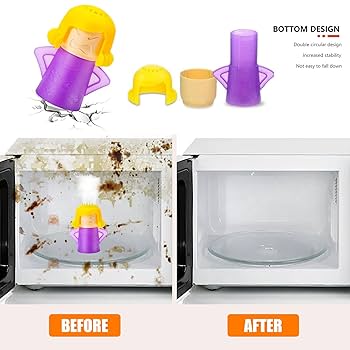
Have you ever opened your microwave door only to cringe at the sight of stubborn food splatters and lingering odors? You’re not alone.
Keeping your microwave oven clean is not just about maintaining its appearance; it’s essential for hygiene and optimal performance. But with so many cleaning products and methods out there, it’s easy to feel overwhelmed. What if you could restore your microwave to its pristine glory using simple, effective solutions you probably already have at home?
In this guide, we’ll explore the best options for cleaning your microwave, ensuring you can enjoy spotless results without any hassle. Stick with us, and you’ll discover not only what to use but how to make the cleaning process quick and stress-free.
Common Microwave Stains
Microwave ovens quickly become a hotspot for various stains during everyday use. Understanding the common types of stains can help you choose the right cleaning method and products. Let’s break down the typical microwave messes you might face.
Food Splatter Types
Food splatters come in many forms, ranging from watery sauces to thick pastes. Soupy items like chili or pasta sauce often leave behind sticky splashes. Dry powders or crumbs, such as rice or cereal, can coat the interior and are easy to overlook but cause buildup over time.
Ever noticed how tomato sauce tends to stick stubbornly on the microwave ceiling? That’s because acidic and oily foods often cling more tightly. Identifying the type of splatter helps you decide if you need a gentle wipe or a stronger cleaner.
Odor Sources
Microwaves can trap odors from strong-smelling foods like fish, curry, or garlic. These smells linger if not properly addressed, affecting the taste of your next meal. Often, the odor comes from food particles stuck in corners or vents.
Have you tried heating lemon water inside your microwave to freshen it up? Natural deodorizers like lemon or vinegar work well to neutralize smells without harsh chemicals. Knowing where odors hide can save you from repeated cleanings.
Grease And Grime
Grease splatters originate from oily or fatty foods like bacon or fried dishes. This residue forms a sticky, shiny layer that attracts dust and dirt. Over time, grease can harden, making cleaning more difficult.
Using a degreasing cleaner or a mixture of baking soda and water can break down this grime effectively. Have you noticed how a quick wipe after each use can prevent greasy buildup? Consistency is key to keeping your microwave spotless.
Natural Cleaning Agents
Natural cleaning agents offer a safe and effective way to clean microwave ovens. These substances are gentle on surfaces and free from harsh chemicals. They remove stains, odors, and grease without damaging the appliance. Using natural agents helps maintain a healthy kitchen environment. Below are some common natural cleaners that work well for microwaves.
Vinegar Solutions
Vinegar is a powerful natural cleaner. It cuts through grease and food splatters easily. Mix equal parts water and white vinegar in a microwave-safe bowl. Heat the solution for a few minutes until it steams. The steam loosens grime and softens stuck-on food. After heating, wipe the microwave interior with a clean cloth. This method also helps remove bad odors.
Lemon Juice Benefits
Lemon juice has natural antibacterial and deodorizing properties. Squeeze fresh lemon juice into a bowl of water. Microwave the mixture until it steams well. The steam breaks down dirt and adds a fresh scent. Use a soft cloth to wipe down the inside. Lemon juice also helps prevent the buildup of grease and grime over time.
Baking Soda Paste
Baking soda is a gentle abrasive cleaner. Make a paste by mixing baking soda with a little water. Apply the paste to stubborn stains inside the microwave. Let it sit for a few minutes to lift dirt. Then scrub gently with a sponge or cloth. Wipe away the residue with a damp cloth. Baking soda also neutralizes odors for a fresh microwave.
Commercial Microwave Cleaners
Commercial microwave cleaners offer effective solutions for removing tough stains and odors. These products are designed to tackle grease, food spills, and burnt residues. They save time and effort compared to homemade remedies. Many cleaners come with antibacterial properties to keep your microwave hygienic. Choosing the right commercial cleaner depends on your preferences for convenience and ingredients.
Sprays And Foams
Sprays and foams are popular for easy application. They cover microwave surfaces quickly and break down grime. Foams cling to walls and ceilings, allowing better cleaning power. Sprays often include antibacterial agents to kill germs. Simply spray the cleaner, wait a few minutes, then wipe clean. These products require minimal scrubbing and work fast.
Microwave-safe Wipes
Microwave-safe wipes are ready to use and mess-free. They come pre-moistened with cleaning solutions that remove stains. Wipes fit perfectly for quick touch-ups or deep cleaning. They avoid excess liquid inside the microwave, reducing damage risks. Simply rub the wipe on dirty areas and discard it after use. Ideal for busy households or office kitchens.
Eco-friendly Options
Eco-friendly commercial cleaners use natural ingredients. They avoid harsh chemicals and toxins, making them safer for health. These options often use plant-based formulas and biodegradable materials. Eco-friendly cleaners minimize environmental impact without losing cleaning power. They are gentle on microwave surfaces but tough on dirt. A smart choice for those who prefer green living.

Credit: www.youtube.com
Tools For Microwave Cleaning
Choosing the right tools can make cleaning your microwave oven easier and more effective. Having the proper items on hand helps you tackle grime without damaging the interior surfaces. Below are some essential tools that you should consider adding to your cleaning kit.
Microfiber Cloths
Microfiber cloths are perfect for wiping down your microwave’s interior and exterior. They are soft enough to avoid scratches but strong enough to lift grease and food particles. I always keep a few handy because they absorb moisture quickly, leaving surfaces streak-free.
Using a microfiber cloth with just water or a gentle cleaner can refresh your microwave without harsh chemicals. Have you noticed how much easier it is to clean when you don’t have to scrub? That’s the power of a good microfiber cloth.
Soft Sponges
Soft sponges offer gentle scrubbing power for stuck-on splatters and stains. They’re flexible enough to reach corners but won’t harm the microwave’s lining. I recommend using sponges labeled as non-abrasive to avoid any surface damage.
Sponges paired with a bit of vinegar or baking soda paste work wonders on stubborn spots. Are you using something too harsh that might be doing more harm than good? Soft sponges strike the right balance between cleaning and care.
Brushes And Scrubbers
Small brushes and scrubbers are excellent for tackling grime in tricky spots like vents and door seals. Brushes with nylon bristles are effective without scratching surfaces. I find a toothbrush-sized brush especially useful for detailed cleaning tasks inside the microwave.
These tools help you maintain hygiene by reaching areas a cloth or sponge can’t. Do you pay enough attention to those hidden parts? Using the right brush can make your microwave cleaner and safer to use.
Step-by-step Cleaning Methods
Cleaning a microwave oven can be quick and easy with the right approach. Follow these simple step-by-step methods to keep your microwave spotless and fresh. Each technique targets different cleaning needs, from light stains to tough grime and odors. Use these tips to maintain a clean and safe kitchen appliance.
Steam Cleaning Technique
Fill a microwave-safe bowl with water. Add a few tablespoons of lemon juice or vinegar. Place the bowl inside the microwave and run it on high for 5 minutes. Let the steam sit inside for 2 more minutes. Carefully remove the bowl. Wipe the interior with a soft cloth or sponge. The steam loosens food particles and stains, making them easy to clean.
Deep Cleaning Process
Remove the microwave turntable and wash it separately with warm soapy water. Mix baking soda and water to form a thick paste. Apply the paste to stubborn stains inside the microwave. Let it sit for 10 minutes. Use a damp cloth to scrub the stains gently. Wipe down the entire interior and exterior with a clean cloth. Dry the surfaces thoroughly before use.
Deodorizing Tips
Place an open box of baking soda inside the microwave overnight. This absorbs lingering smells effectively. Alternatively, heat a cup of water with a few drops of vanilla or coffee extract for 2 minutes. Let the microwave cool with the door closed to trap the fresh scent. Wipe the interior with a damp cloth to remove any residue. Freshen your microwave regularly to avoid bad odors.

Credit: diyjoy.com
Safety Tips While Cleaning
Cleaning a microwave oven needs care to protect your health and the appliance. Safety is key to avoid accidents or damage. Follow simple rules to keep the process safe and effective.
Avoiding Harsh Chemicals
Do not use bleach or strong chemical cleaners inside the microwave. These can release harmful fumes and damage the microwave’s surface. Choose mild, natural cleaners like vinegar or baking soda. They clean well and are safe for your health.
Proper Ventilation
Always clean the microwave in a well-ventilated space. Open windows or turn on a fan to keep air moving. This helps remove any smells or fumes from cleaning agents. Good airflow protects your lungs and keeps the room fresh.
Handling Microwave Components
Remove the turntable and clean it separately with warm soapy water. Do not soak electrical parts or the microwave door seals. Use a damp cloth for these areas to avoid water damage. Handle parts gently to prevent breaking or misalignment.
Credit: www.huffpost.com
Frequently Asked Questions
What Is The Best Natural Cleaner For Microwave Ovens?
Lemon juice mixed with water is an effective natural cleaner. It removes stains and odors without harsh chemicals. Steam the mixture inside the microwave to loosen grime for easy wiping.
Can Vinegar Clean A Microwave Oven Safely?
Yes, vinegar is safe and effective for microwave cleaning. Mix equal parts vinegar and water, heat it to create steam, then wipe down surfaces to remove stains and odors.
How Often Should I Clean My Microwave Oven?
Clean your microwave weekly or after spills. Regular cleaning prevents buildup, eliminates odors, and keeps your appliance hygienic and functioning efficiently.
Is Baking Soda Good For Microwave Cleaning?
Baking soda is excellent for scrubbing tough stains inside a microwave. Make a paste with water, apply to stains, let sit, then scrub and wipe clean.
Conclusion
Cleaning a microwave oven is simple with the right tools. Use natural ingredients like vinegar or lemon for a fresh smell. Avoid harsh chemicals to protect the microwave’s surface. Regular cleaning stops food stains and smells from building up. A clean microwave works better and lasts longer.
Keep your kitchen healthy and tidy by cleaning often. This small task saves time and effort later. Choose easy, safe methods for the best results. Your microwave will stay fresh and ready for use.