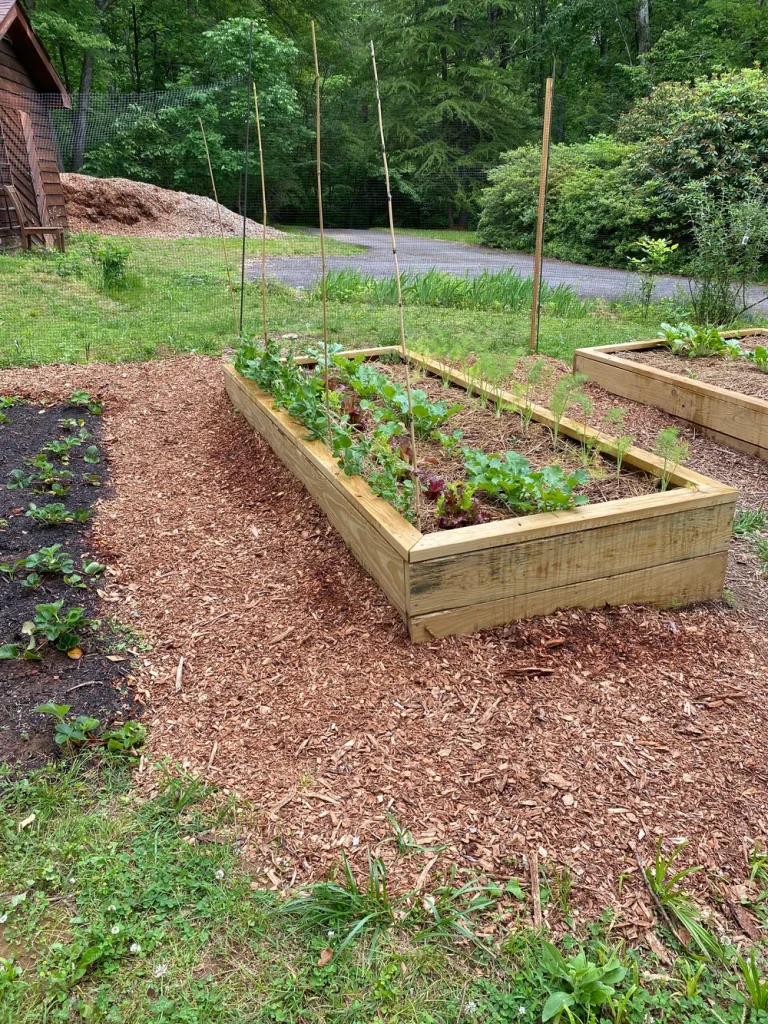
Are you ready to make your raised garden beds thrive but unsure what to fill them with? Choosing the right material can make all the difference in how healthy and productive your plants become.
You want soil that drains well, holds moisture, and provides nutrients your plants need to grow strong. You’ll discover the best options to fill your raised garden beds, so your garden flourishes with ease. Keep reading to find out exactly what you should use to give your plants the perfect start!

Credit: migardener.com
Choosing The Right Soil Mix
Filling raised garden beds with the right soil mix helps plants grow strong. Good soil provides nutrients and support for roots.
Understanding soil quality and components helps you create a healthy garden environment. Let’s explore what makes a good soil mix.
Importance Of Soil Quality
Soil quality affects plant health and yield. Poor soil can cause weak growth and diseases. Healthy soil holds nutrients and air for roots.
Recommended Soil Components
A good soil mix has several key parts. Each part has a role in helping plants grow well.
- Topsoil: Provides nutrients and structure
- Compost: Adds organic matter and improves fertility
- Peat moss or coconut coir: Helps retain moisture
- Perlite or vermiculite: Improves drainage and aeration
- Sand: Prevents soil compaction and improves drainage
Balancing Drainage And Moisture
Drainage and moisture must balance for healthy plants. Too much water causes root rot. Too little water stresses plants.
| Soil Component | Role in Drainage | Role in Moisture |
| Perlite | Improves drainage | Holds little water |
| Peat Moss | Slows drainage | Retains moisture well |
| Sand | Enhances drainage | Dries quickly |
| Compost | Moderate drainage | Holds moisture and nutrients |
Credit: www.ollegardens.com
Using Compost For Nutrient Boost
Compost is a great way to enrich raised garden beds. It adds nutrients that plants need to grow strong and healthy. Using compost is simple and effective for improving soil quality.
Compost comes from decomposed organic matter. This includes leaves, grass, and food scraps. It is a natural fertilizer that helps plants thrive.
Types Of Compost To Use
There are different types of compost you can use in your garden beds. Each type brings its own benefits to the soil.
- Homemade compost: Made from kitchen scraps and yard waste.
- Vermicompost: Created by worms breaking down organic material.
- Commercial compost: Bought from stores, often enriched with extra nutrients.
How To Incorporate Compost
Adding compost to your garden bed is easy. It helps to mix it well with the existing soil. This ensures that nutrients spread evenly.
First, spread a layer of compost over the soil. Use a garden fork or spade to mix it. Aim for about 2 to 3 inches deep of compost mixed in.
Benefits For Plant Growth
Compost boosts plant growth in many ways. It improves soil structure, which helps roots grow better. Plants can access water and nutrients more easily.
- Enhances soil fertility for healthy plants.
- Increases water retention in the soil.
- Encourages beneficial microorganisms to thrive.
Incorporating Organic Matter
Filling raised garden beds with organic matter helps plants grow well. It improves soil health and makes gardening easier.
Adding organic material keeps the soil loose and full of nutrients. This creates a better environment for roots and soil life.
Sources Of Organic Matter
You can use many types of organic matter to fill raised beds. These materials break down and add nutrients to the soil.
- Compost from kitchen scraps and yard waste
- Aged manure from cows, horses, or chickens
- Leaf mold made from fallen leaves
- Grass clippings from freshly mowed lawns
- Peat moss to hold moisture
- Straw or hay for light texture
Improving Soil Structure
Organic matter helps soil hold water and air. This makes the soil crumbly and easy for roots to grow.
It also stops soil from becoming hard or compacted. Loose soil drains well and warms up faster in spring.
- Increases water retention in sandy soils
- Improves drainage in clay soils
- Creates space for air and roots
- Prevents soil from crusting or cracking
Enhancing Microbial Activity
Organic matter feeds beneficial microbes in the soil. These tiny organisms help break down material into nutrients.
Microbes also protect plants from diseases. Healthy soil full of microbes means stronger, happier plants.
- Supports bacteria that fix nitrogen
- Feeds fungi that improve root growth
- Encourages earthworms and other helpful creatures
- Speeds up nutrient cycling in soil
Avoiding Common Soil Fill Mistakes
Filling raised garden beds correctly helps plants grow strong. Using the wrong soil mix can cause many problems. Knowing what to avoid saves time and effort.
This guide explains common mistakes gardeners make when filling raised beds. Learn how to create healthy soil for your plants.
Problems With Using Topsoil Alone
Topsoil alone is not enough for raised beds. It may lack nutrients plants need. Topsoil also tends to be heavy and dense.
Using only topsoil can cause poor root growth. Plants may struggle to get air and water. Mixing other materials improves soil health.
Risks Of Poor Drainage
Water must drain well in raised beds. Poor drainage causes water to pool and suffocate roots. This leads to root rot and plant stress.
Adding materials like compost and sand helps water flow. Good drainage keeps roots healthy and plants strong.
- Water should move through soil quickly
- Standing water causes root diseases
- Mix soil with organic matter for better drainage
Avoiding Soil Compaction
Soil compaction makes it hard for roots to grow. Heavy soil blocks air and water. Plants become weak and less productive.
To avoid compaction, add light materials like peat moss or coconut coir. Do not step on the soil inside the bed. Keep soil loose and fluffy.
- Do not use only heavy soil types
- Add organic matter to keep soil loose
- Do not walk on soil in raised beds
- Turn soil gently when needed
Layering Techniques For Raised Beds
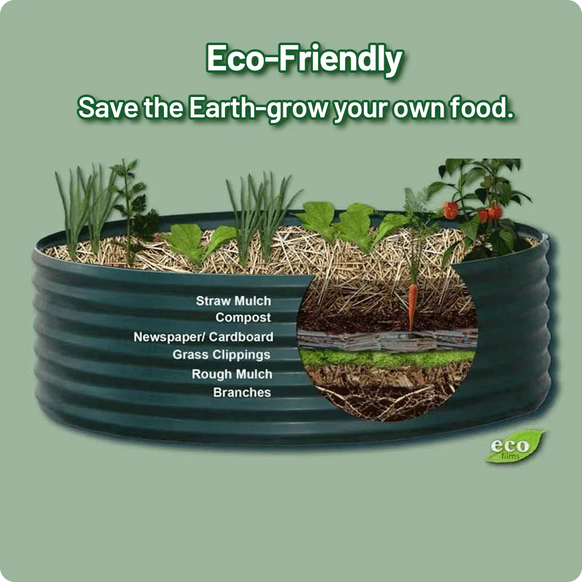
Filling raised garden beds needs good soil and materials. Layering helps build healthy soil.
Using layers gives plants nutrients and helps water drain well. It also stops weeds from growing.
Sheet Mulching Approach
Sheet mulching uses layers of cardboard or newspaper to cover the bed. This blocks weeds and adds organic matter.
Start with a wet layer of cardboard, then add compost and mulch on top. This keeps soil moist and rich.
- Cardboard or newspaper layer stops weeds
- Compost adds nutrients
- Mulch keeps moisture
- Breaks down slowly to feed plants
Lasagna Gardening Method
Lasagna gardening builds soil with many thin layers like a lasagna. It mixes green and brown materials.
Green layers are nitrogen-rich, like grass clippings. Brown layers are carbon-rich, like dry leaves. This mix helps compost fast.
- Start with coarse material for drainage
- Add green layers like vegetable scraps
- Add brown layers like straw or leaves
- Repeat layers until bed is full
- Water each layer well
Pros And Cons Of Layering
Layering helps build healthy soil without digging. It saves water and cuts down weeds. But it takes time to break down.
- Pros:Adds nutrients naturally
- Pros:Improves soil texture
- Pros:Reduces weeds and erosion
- Cons:Takes months to decompose
- Cons:Needs regular watering
- Cons:Requires enough organic materials
Adjusting Soil Mix For Different Plants
Choosing the right soil mix is key for raised garden beds. Different plants need different soil conditions to grow well.
Adjust your soil mix based on the types of plants you want to grow. This helps improve their health and yield.
Vegetables Vs. Flowers
Vegetables usually need rich, loose soil that drains well. Flowers may prefer soil with more organic matter to hold moisture.
- Vegetables: Use a mix of compost, peat moss, and garden soil.
- Flowers: Add leaf mold or aged bark for better moisture retention.
- Both benefit from good drainage to avoid root rot.
Ph Preferences
Soil pH affects nutrient availability. Most vegetables like slightly acidic soil. Flowers vary more in preference.
| Plant Type | Preferred pH Range |
| Vegetables | 6.0 to 7.0 |
| Acid-Loving Flowers | 5.0 to 6.0 |
| Neutral Flowers | 6.0 to 7.0 |
| Alkaline-Loving Flowers | 7.0 to 7.5 |
Nutrient Needs
Vegetables require higher nutrients for fruit and leaf growth. Flowers need nutrients for blooms and color.
Adjust soil mix nutrients by adding:
- Vegetables: Balanced fertilizer with nitrogen, phosphorus, and potassium.
- Flowers: Fertilizer higher in phosphorus to promote blooms.
- Both: Compost to improve soil structure and supply trace minerals.
Maintaining Soil Health Over Time
Filling raised garden beds is just the start. Keeping soil healthy helps plants grow strong. Good soil holds nutrients and water well.
Healthy soil supports earthworms and microbes. These tiny helpers break down organic matter and improve soil structure.
Regular Amendments
Adding organic matter often keeps soil rich and loose. Compost, manure, and leaf mold improve soil texture and nutrients.
Mix amendments into the soil before planting. This feeds plants and helps water move through the bed.
- Use compost every year
- Add aged manure for nutrients
- Include leaf mold for moisture retention
- Mix in amendments well before planting
Crop Rotation Benefits
Changing crops each season stops soil from losing the same nutrients. Different plants use and add different nutrients.
Rotating crops also lowers pests and diseases. It keeps the soil ecosystem balanced and healthy.
- Grow leafy greens after root crops
- Plant legumes to add nitrogen
- Avoid planting the same family twice in a row
- Use crop rotation to prevent soil fatigue
Monitoring Soil Fertility
Check soil regularly to see nutrient levels and pH. Testing helps know when to add minerals or lime.
Watch plant growth for signs of low fertility. Yellow leaves or slow growth can mean missing nutrients.
- Test soil every 2 to 3 years
- Look for yellow or stunted plants
- Add fertilizers based on test results
- Adjust soil pH with lime or sulfur as needed
Credit: www.youtube.com
Frequently Asked Questions
What Materials Are Best For Filling Raised Garden Beds?
Use a mix of topsoil, compost, and organic matter. This blend ensures good drainage, fertility, and structure for healthy plants.
Can I Use Regular Soil In Raised Garden Beds?
Regular soil alone may compact and drain poorly. It’s best to mix it with compost and other organic materials.
How Deep Should The Soil Be In Raised Beds?
Aim for at least 12 inches of quality soil. Deeper soil supports root growth and retains moisture effectively.
Is Compost Necessary For Raised Garden Bed Filling?
Yes, compost enriches soil with nutrients and beneficial microbes. It improves soil texture and promotes plant health.
Conclusion
Filling raised garden beds well helps plants grow strong. Use a mix of soil, compost, and organic matter. This mix keeps water and nutrients ready for roots. Avoid heavy or poor soil that can block growth. Refresh the soil each season to keep beds healthy.
Good soil leads to better flowers and vegetables. Start with the right fill for a happy garden. Simple steps make a big difference in your garden’s success. Choose wisely, and enjoy a thriving raised bed garden.