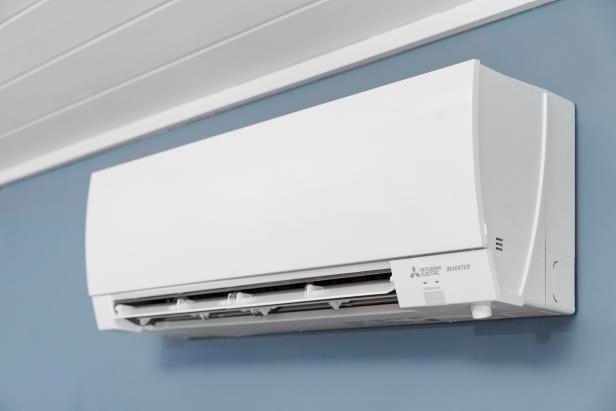
Have you ever wondered exactly what type of air conditioner you have at home? Knowing this can save you time, money, and frustration when it’s time for maintenance, repairs, or even upgrades.
But with so many options out there—window units, split systems, portable coolers—it’s easy to get confused. This guide will help you quickly identify your air conditioner, so you can make smarter decisions and keep your space cool without any hassle.
Keep reading, and by the end, you’ll know your AC like a pro.
Common Air Conditioner Types
There are several types of air conditioners for homes and offices. Each type works differently and fits specific needs. Knowing your air conditioner type helps with use and maintenance.
This guide explains five common air conditioner types. You will learn how to identify each one and what makes them special.
Window Units
Window units are small air conditioners that fit into a window. They cool one room and are easy to install. These units are common in apartments and small spaces.
Split Systems
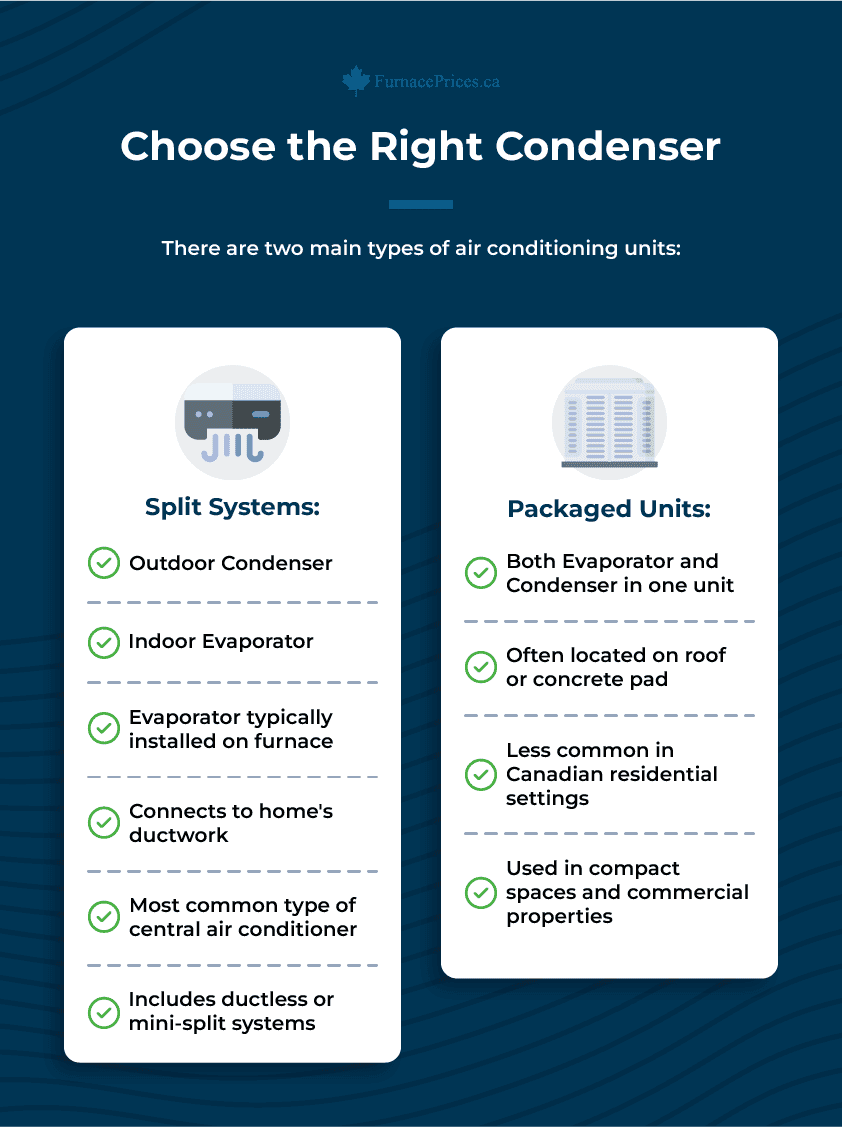
Split systems have two parts: one inside and one outside. The indoor unit blows cool air, while the outdoor unit releases heat. This type cools multiple rooms efficiently.
Central Air Conditioners
Central air conditioners cool an entire house using ducts. They connect to a thermostat for easy control. This system keeps your home evenly cool all over.
Portable Acs
Portable ACs are small units you can move from room to room. They need a window or vent for hot air to escape. These are good for renters or temporary cooling.
Ductless Mini-splits
Ductless mini-splits have an outdoor compressor and one or more indoor units. They do not need ducts and cool rooms individually. This option saves energy and space.
- No ducts needed
- Multiple indoor units possible
- Easy to control temperature per room
- Energy efficient and quiet
Credit: www.furnaceprices.ca
Identifying Your Ac By Appearance
Knowing what type of air conditioner you have helps with maintenance and repairs. You can tell by looking at its size and parts.
This guide explains how to spot your AC type by size, placement, and visible components.
Size And Placement
Air conditioners come in many sizes. Some fit in windows, while others sit on walls or floors. Larger units often go outside.
- Window ACs are small and fit in window frames.
- Split ACs have one indoor and one outdoor unit.
- Portable ACs are small and can be moved around.
- Central ACs use large units outside and vents inside.
Visible Components
| Component | What to Look For |
| Grill | Air intake or output areas on the unit |
| Fan | Visible blades behind grills |
| Control Panel | Buttons or dials on the front |
| Pipes or Tubes | Connecting indoor and outdoor units |
Check these parts to decide the AC type. For example, window units have a front grill and controls on one side.
Indoor Vs Outdoor Units
Some ACs have two parts: one inside and one outside.
- Indoor unitsare smaller. They blow cool air into rooms.
- Outdoor unitsare larger. They release heat outside.
- Outdoor units often have a large fan and metal casing.
- Indoor units look like a box or panel mounted on a wall.
Checking The Model And Brand
Knowing the type of air conditioner you have helps with repairs and replacements. The model and brand give clear information about your unit.
This guide shows easy ways to find the model number and brand of your air conditioner.
Finding The Model Number
The model number is a unique code that identifies your air conditioner. It shows the exact type and features of your unit.
You can usually find the model number on a sticker or plate on the unit. Check near the compressor or on the side panel.
- Look on the outdoor unit’s metal casing
- Check inside the front panel of the indoor unit
- Search near the power cord or electrical box
Manufacturer Labels
Manufacturer labels show the brand name and model details. They are often metal or paper stickers on the unit.
These labels also have other useful information like serial numbers and electrical ratings.
- Brand name is usually at the top of the label
- Model number appears as a mix of letters and numbers
- Serial number helps track the unit’s age and warranty
Using Manuals And Documentation
The user manual or installation guide has all details about your air conditioner. It shows the model and brand clearly.
If you keep the manuals, you can find the information without checking the unit. Many manuals also have pictures to help identify parts.
- Look for the front cover with brand and model
- Check the first few pages for product details
- Use manuals to find specs for repairs or parts
Credit: www.furnaceprices.ca
Understanding Ac Features
Knowing the type of air conditioner you have helps you use it better. Each AC has different features that affect comfort and cost.
This guide explains key features like cooling capacity, energy ratings, and control options. These help you identify your AC type.
Cooling Capacity
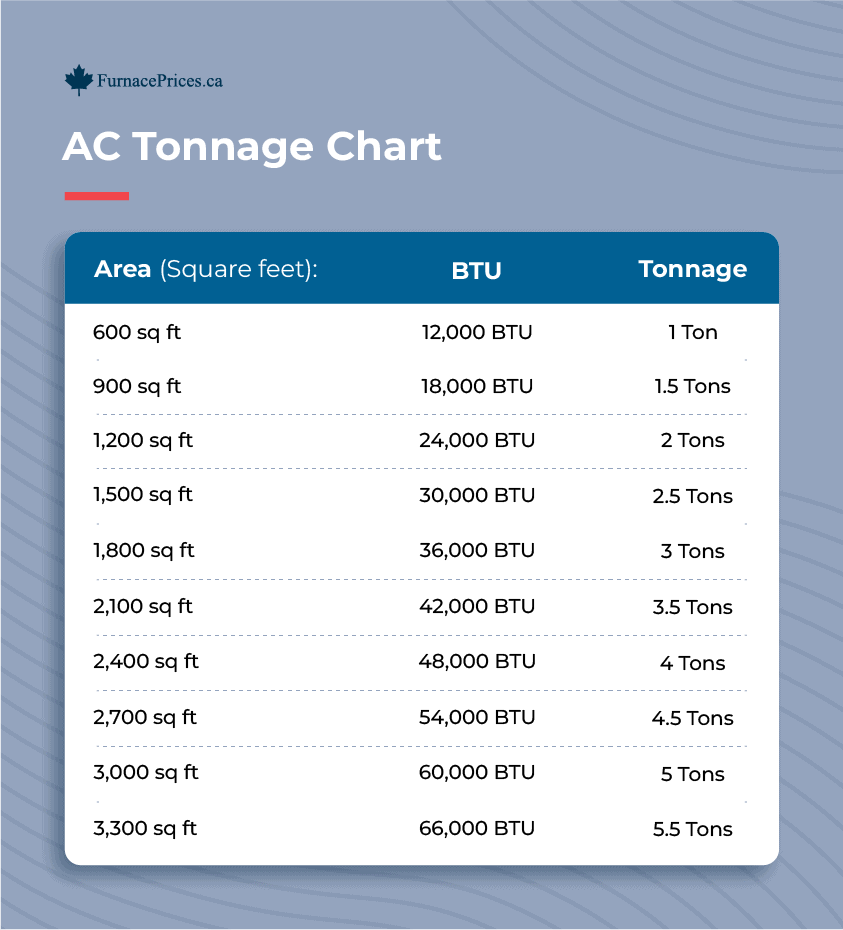
Cooling capacity shows how much heat your AC can remove. It is measured in BTUs (British Thermal Units).
A higher BTU means the AC cools larger rooms. Choose the right size to avoid wasting energy or not cooling enough.
- Small rooms need 5,000 to 8,000 BTUs
- Medium rooms need 8,000 to 12,000 BTUs
- Large rooms need 12,000 BTUs or more
Energy Efficiency Ratings
Energy efficiency ratings show how much power your AC uses. Higher ratings mean lower electricity bills.
Look for the SEER or EER number on your unit. These numbers tell you the efficiency level of your air conditioner.
- SEER stands for Seasonal Energy Efficiency Ratio
- EER stands for Energy Efficiency Ratio
- Higher numbers mean better efficiency
Control Options
Control options let you adjust your AC settings. Some units use simple knobs, others use digital controls or apps.
Modern ACs may have remote controls, timers, or smart device connectivity. These make it easier to set temperature and fan speed.
- Manual controls use dials or buttons
- Remote controls offer easy temperature changes
- Smart controls allow app or voice commands
Matching Ac Type To Your Needs
Choosing the right air conditioner depends on your home and lifestyle. Different types of AC units fit different rooms and budgets.
Understanding your needs helps you pick a unit that cools efficiently and costs less to run and maintain.
Room Size Considerations
Room size affects the power needed for an air conditioner. Small rooms need less cooling power. Large rooms need more powerful units.
| Room Size (sq ft) | Recommended AC Type | Cooling Capacity (BTU) |
| Up to 150 | Window or Portable AC | 5,000 – 6,000 |
| 150 – 300 | Split System or Window AC | 7,000 – 10,000 |
| 300 – 600 | Split System or Ductless Mini-Split | 10,000 – 18,000 |
| 600 and above | Central AC or Multiple Units | 18,000+ |
Installation Requirements
Some air conditioners need professional installation. Window units are easier to install but need a suitable window.
- Window ACs fit standard windows and need a power source nearby.
- Split systems require wall mounting and outdoor units.
- Central AC needs ductwork and space for a large unit.
- Portable ACs only need a vent to the outside.
Budget And Maintenance
Budget affects which type of AC you can buy and maintain. Some units cost more upfront but less to run.
- Window and portable units are usually cheaper but less efficient.
- Split systems cost more but save energy over time.
- Central AC has high installation costs and maintenance needs.
- Regular filter cleaning lowers maintenance costs for all types.

Credit: www.carrier.com
Frequently Asked Questions
What Are The Common Types Of Air Conditioners?
Common air conditioners include window, split, portable, and central systems. Each type suits different spaces and cooling needs. Understanding these helps identify your AC unit quickly and choose the best option for your home or office.
How Can I Identify My Air Conditioner Type?
Check your AC unit’s location, size, and installation style. Window units fit in windows, split systems have indoor and outdoor parts, and portable units are movable. These clues help you recognize your air conditioner type easily.
What Features Distinguish Central Air Conditioners?
Central air conditioners cool entire homes via ducts and vents. They are larger, quieter, and more efficient for whole-house cooling. Spotting ductwork and a large outdoor compressor indicates a central AC system.
Why Is Knowing My Air Conditioner Type Important?
Knowing your AC type helps with maintenance, repairs, and upgrades. It ensures proper servicing and improves energy efficiency. This knowledge also aids in troubleshooting and selecting compatible parts or replacements.
Conclusion
Knowing your air conditioner type helps you maintain it better. Different models need different care and parts. Understanding your AC can save money and time. It also helps in choosing the right repair service. Now, you can identify your unit with confidence.
Keep your home cool and comfortable all year. Stay informed and take good care of your air conditioner. Simple steps make a big difference in cooling efficiency. Your comfort depends on the right knowledge and action.