When it comes to your kitchen, safety starts with the basics. One of the most important tools you use every day is your cutting board.
But have you ever stopped to think about which type is actually the safest for you and your family? Choosing the wrong cutting board can lead to hidden risks like bacteria buildup or even damage to your knives. You’ll discover the safest cutting board options and learn how to keep your kitchen clean and healthy.
Keep reading—your next meal depends on it.
Credit: www.forbes.com
Common Cutting Board Materials
Cutting boards come in different materials. Each type has its own safety and care needs.
Choosing the right cutting board helps keep food safe and lasts longer.
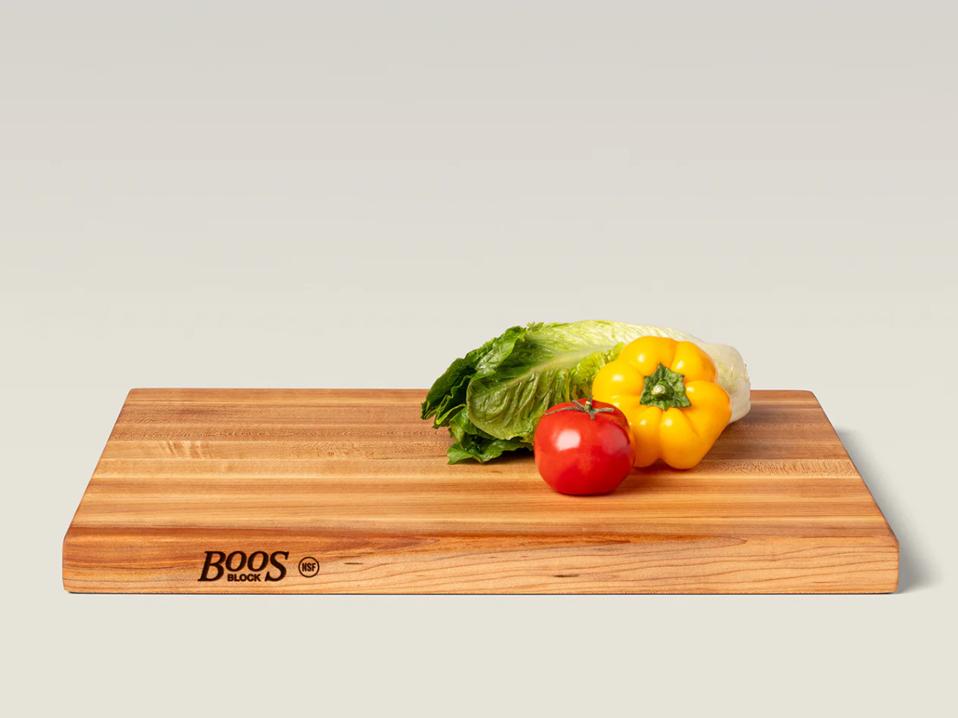
Wood Boards
Wood boards are popular for their durability and knife friendliness. They absorb some juices, which helps stop slipping.
They can be cleaned well but need to dry to avoid cracking. Wood has natural antibacterial properties.
- Best cleaned with hot soapy water
- Oil regularly to prevent drying
- Not dishwasher safe
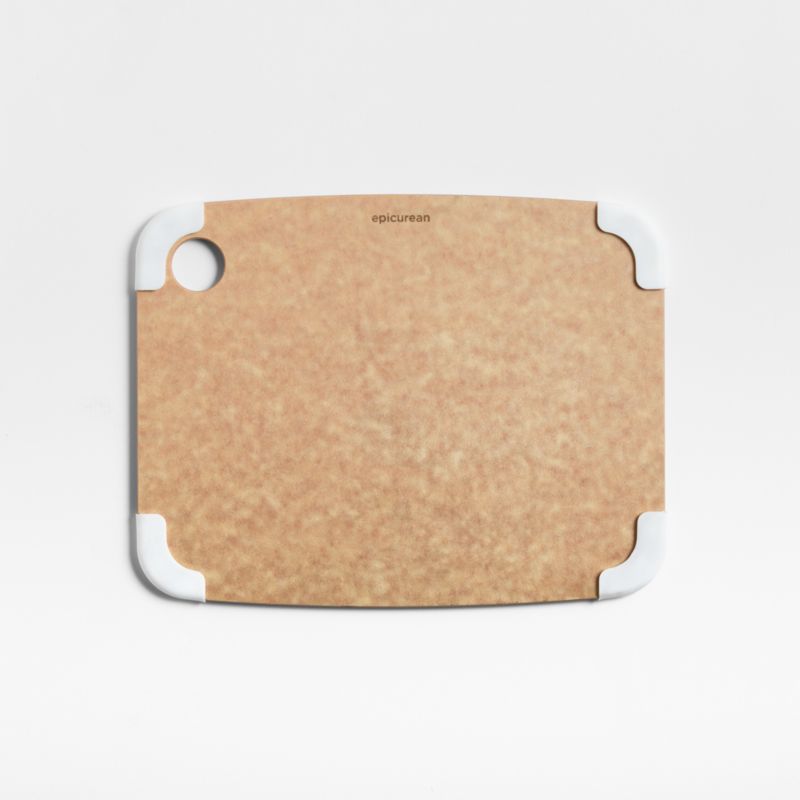
Plastic Boards
Plastic boards are easy to clean and can go in the dishwasher. They do not absorb liquids or odors.
They can get deep cuts from knives that trap bacteria. Replace plastic boards when heavily scored.
- Dishwasher safe
- Non-porous surface
- Replace if knife marks appear
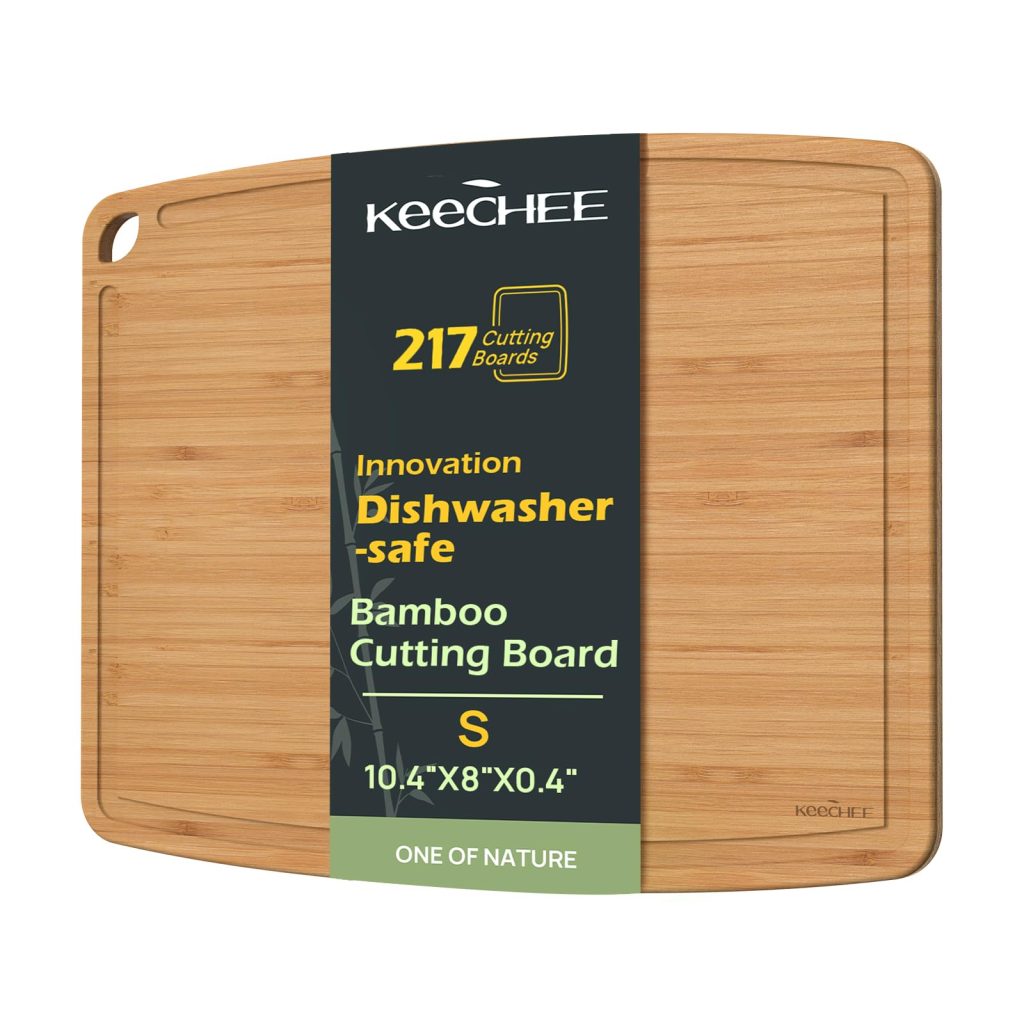
Bamboo Boards
Bamboo boards are harder than wood and less porous. They resist water better but can dull knives faster.
They are eco-friendly and need regular oiling to stay in good shape. Avoid soaking bamboo boards in water.
- Hard and eco-friendly
- Needs oiling to prevent cracking
- Not dishwasher safe
Glass And Marble Boards
Glass and marble boards are very easy to clean and do not absorb bacteria. They look nice in kitchens.
These boards can damage knives and are slippery when wet. They can also break if dropped.
- Non-porous and easy to clean
- Can dull knives quickly
- Fragile and slippery
Hygiene Factors To Consider
Choosing a safe cutting board is important for keeping your kitchen clean. Some boards hold bacteria more than others. Knowing what to look for helps you stay healthy.
This guide focuses on key hygiene factors to help you pick the safest cutting board for your home.
Porosity And Bacteria Growth
Porosity means how many tiny holes a cutting board has. Boards with high porosity trap food and bacteria inside. This makes them less safe over time.
Non-porous materials like plastic and glass are easier to clean. Wood can be safe if it is dense and sealed well. Soft woods soak up juices and germs quickly.
- Low porosity stops bacteria from hiding
- High porosity absorbs liquids and food bits
- Sealed wood reduces porosity and bacteria growth
- Plastic and glass are usually non-porous
Cleaning And Maintenance
Cleaning your cutting board well keeps bacteria away. Use hot soapy water after each use. Some boards can be cleaned in a dishwasher, others cannot.
Regular maintenance like oiling wooden boards helps prevent cracks. Cracks trap dirt and germs. Plastic boards may get deep cuts that are hard to clean.
- Wash boards with hot water and soap
- Dry boards fully before storing
- Oil wooden boards to prevent cracks
- Replace boards with deep cuts or cracks
- Use dishwasher-safe boards for easy cleaning
Knife Safety And Surface Damage
Cutting boards should protect your knives and stay safe to use. Hard surfaces like glass can dull knives fast. Soft surfaces help keep knives sharp longer.
Damaged boards with many cuts can hide bacteria. Choose boards that resist deep cuts. Replace boards once they become too damaged to clean well.
- Soft surfaces protect knife edges
- Hard surfaces may damage knives quickly
- Deep cuts on boards trap bacteria
- Replace boards with heavy surface damage
Comparing Safety Of Materials
Choosing the right cutting board keeps your kitchen safe. Different materials affect cleanliness and health.
This guide compares common cutting board materials by their safety features.
Bacterial Resistance
Some materials resist bacteria better than others. Wood naturally kills some bacteria. Plastic can hold germs in knife cuts. Bamboo is dense and less porous, so it resists bacteria well.
- Wood:Natural oils help fight bacteria.
- Plastic:Cuts can trap germs if not cleaned well.
- Bamboo:Hard surface resists bacteria and moisture.
- Glass:Non-porous but sharp knives can slip.
Durability And Wear
Durability affects how long a cutting board stays safe. Deep cuts can harbor bacteria and cause damage.
| Material | Durability | Wear Impact |
| Wood | High | Self-heals small cuts, lasts long |
| Plastic | Medium | Cuts deepen over time, can trap bacteria |
| Bamboo | High | Very hard, resists deep cuts |
| Glass | Very High | Does not wear, but knives dull quickly |
Ease Of Sanitization
Cleaning and sanitizing affect cutting board safety. Some materials clean faster and better.
- Wood:Wash with soap and water, dry quickly. Avoid soaking.
- Plastic:Dishwasher safe, easy to sanitize.
- Bamboo:Hand wash only, dry well to prevent cracking.
- Glass:Easy to clean, but can cause knife slips.
Proper Cleaning Techniques
Keeping your cutting boards clean is key for safe food preparation. Dirt and germs can hide on boards and spread to your food.
Using the right cleaning methods helps stop bacteria and keeps your kitchen healthy.
Washing And Sanitizing
Wash cutting boards with hot, soapy water after each use. Scrub well to remove food bits. Rinse thoroughly to remove soap.
Sanitize boards regularly to kill germs. Use a solution of one tablespoon of bleach in one gallon of water. Soak or spray the board, then let it air dry.
- Use hot water and soap to wash
- Rinse well to remove soap
- Sanitize with diluted bleach solution
- Allow the board to air dry completely
Avoiding Cross-contamination
Cross-contamination happens when germs spread from one food to another. Use separate boards for raw meat and vegetables. This stops harmful bacteria from mixing.
Color-coded cutting boards help keep foods apart. Clean boards well between uses to prevent spread of germs.
| Board Color | Recommended Use |
| Red | Raw Meat |
| Green | Vegetables and Fruits |
| Blue | Seafood |
| Yellow | Poultry |
When To Replace Cutting Boards
Cutting boards wear out over time. Deep cuts and grooves can trap bacteria. Replace boards if they get hard to clean.
- Deep knife marks or cracks
- Warping or splitting wood
- Persistent stains or odors
- Surface feels rough or worn
Specialized Boards For Different Foods
Choosing the right cutting board keeps food safe and clean. Different foods need different boards. This stops germs from spreading.
Using separate boards helps avoid cross-contamination. It makes food prep safer for you and your family.
Boards For Raw Meat
Raw meat boards should be strong and easy to clean. Plastic or non-porous boards work best. They stop bacteria from hiding in cuts.
Always wash these boards well after use. Avoid using wooden boards for raw meat as they absorb juices.
Boards For Fruits And Vegetables
Boards for fruits and vegetables need to be gentle on knives. Wood or bamboo boards are good choices. They do not dull blades quickly.
- Use a clean board for fresh produce
- Wash boards after cutting to remove dirt
- Separate boards for leafy greens and soft fruits
Boards For Bread And Cheese
Bread and cheese boards should be sturdy and easy to clean. Wood is often preferred for its look and feel. Some use plastic for easy washing.
| Type of Board | Best For | Cleaning |
| Wood | Bread, Cheese | Hand wash only |
| Bamboo | Cheese, Soft bread | Hand wash, dry quickly |
| Plastic | Bread, Cheese | Dishwasher safe |
Credit: www.crateandbarrel.ca
Tips For Safe Cutting Board Use
Using cutting boards safely helps stop germs from spreading. Different boards suit different foods. Clean and store them right.
Follow simple steps to keep your cutting boards safe. This lowers the risk of foodborne illness in your kitchen.
Color Coding Systems
Color coding helps avoid cross-contamination. Use different colors for different food types. This keeps bacteria from spreading.
- Red boards for raw meat
- Blue boards for fish and seafood
- Green boards for fruits and vegetables
- Yellow boards for raw poultry
- White boards for cooked foods
Regular Inspection
Check cutting boards often for deep cuts or cracks. These can trap bacteria and cause illness. Replace boards when damaged.
| Condition | Action |
| Minor scratches | Clean well after each use |
| Deep cuts or grooves | Sand or replace the board |
| Cracks or splits | Dispose of the board |
Storage And Drying
Keep cutting boards dry and stored properly. Moisture can cause mold and bacteria to grow. Air dry boards after washing.
- Wash boards with hot, soapy water
- Rinse and dry with a clean towel
- Stand boards upright to air dry fully
- Store in a dry, clean place

Credit: vocal.media
Frequently Asked Questions
What Is The Safest Cutting Board Material?
Wooden cutting boards are considered the safest. They have natural antibacterial properties that help prevent bacterial growth. Unlike plastic, they don’t develop deep grooves that trap bacteria. Regular cleaning with hot, soapy water and occasional oiling keeps them in good shape.
Bamboo is also a safe, eco-friendly alternative.
Are Plastic Cutting Boards Safe For Use?
Plastic cutting boards can be safe if maintained properly. They are dishwasher-safe, which helps with sanitation. However, plastic boards can develop deep cuts that harbor bacteria. Replace them when they become excessively worn or scratched. Regular cleaning with hot, soapy water is essential to maintain their safety.
How To Maintain Wooden Cutting Boards?
To maintain wooden cutting boards, wash them with hot, soapy water after each use. Avoid soaking them in water to prevent warping. Regularly oil them with food-grade mineral oil to keep the wood conditioned. This prevents cracking and inhibits bacterial growth.
Ensure they dry completely before storage.
Which Cutting Board Is More Hygienic, Wood Or Plastic?
Wooden cutting boards are generally more hygienic than plastic ones. Wood has natural antibacterial properties, while plastic can harbor bacteria in deep cuts. Regular maintenance and cleaning are essential for both. Proper care ensures wooden boards remain more sanitary over time compared to plastic ones.
Conclusion
Choosing the safest cutting board protects your health and food. Wood boards resist bacteria better than plastic. Plastic boards can be easier to clean but may scratch more. Always clean your board well after use. Replace boards that have deep cuts or cracks.
Keeping your cutting board clean helps stop germs. This simple step makes cooking safer and easier. Your choice matters for a healthy kitchen routine.