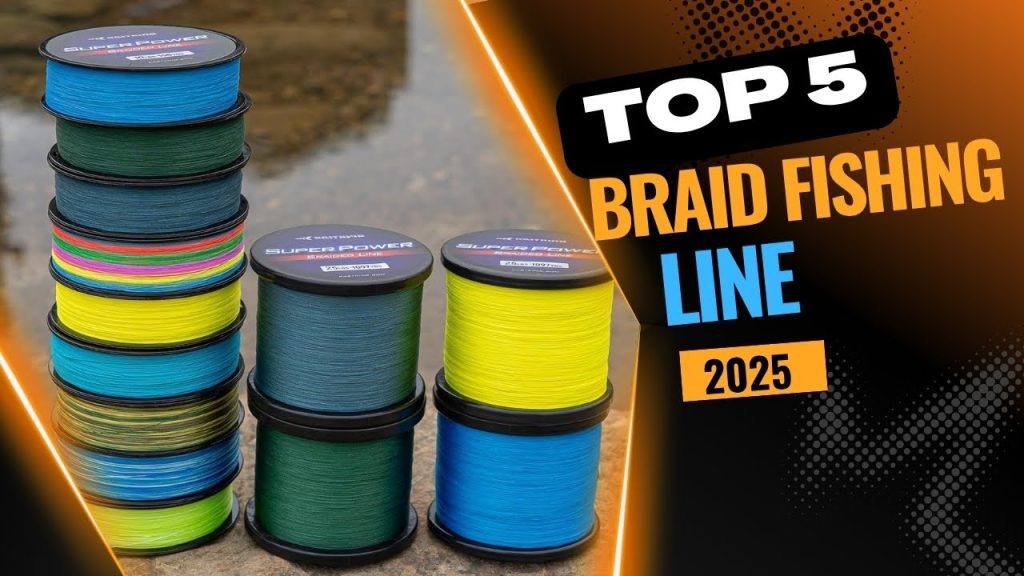
Choosing the right fishing line can make all the difference when you’re out on saltwater. You want a line that’s strong, durable, and reliable against tough conditions.
But with so many options available, how do you know which one suits your needs best? This guide will help you understand the key features of different fishing lines and how to pick the perfect one for your next saltwater adventure.
Keep reading, and you’ll soon feel confident in making the best choice for your fishing success.

Credit: fishingbooker.com
Saltwater Fishing Challenges
Fishing in saltwater is different from freshwater fishing. Saltwater has strong waves and salty water.
These conditions make choosing the right fishing line very important for success and safety.
Corrosion And Abrasion
Saltwater can cause fishing lines to wear out fast. Salt causes corrosion on some lines.
Abrasion happens when the line rubs against rocks, shells, or fish teeth. It can weaken the line.
- Choose lines that resist saltwater corrosion
- Use abrasion-resistant lines for rough surfaces
- Check the line often for damage
Line Visibility
Fish in saltwater can see fishing lines. A visible line may scare fish away.
Use lines with low visibility to avoid detection by fish. Clear or blue lines blend well with water.
- Clear lines work well in clear water
- Blue lines match ocean colors
- Fluorescent lines are easy to see for anglers
Strength Requirements
Saltwater fish can be large and strong. The fishing line must hold heavy weight and strong pulls.
Pick lines with high breaking strength. This helps avoid losing big fish or snapping the line.
- Match line strength to the size of fish targeted
- Stronger lines last longer in tough conditions
- Check the line’s pound test before buying
Types Of Fishing Lines
Choosing the right fishing line is important for saltwater fishing. Different types work better for different conditions.
This guide explains three common types of fishing lines used in saltwater fishing: monofilament, braided, and fluorocarbon.
Monofilament
Monofilament line is made from a single strand of nylon. It is flexible and easy to handle.
This type of line stretches under pressure, which helps absorb shocks from fighting fish.
- Good abrasion resistance
- Less visible in water
- Stretches to reduce fish escapes
- Usually cheaper than other lines
Braided
Braided line is made from many thin fibers woven together. It is very strong and thin for its strength.
This line has little to no stretch, giving better sensitivity to feel bites and structure.
- High strength with small diameter
- Resists abrasion well
- Less stretch for better control
- May be visible in clear water
Fluorocarbon
Fluorocarbon line is made from a special plastic that sinks quickly. It is less visible underwater than other lines.
This line is good for clear water and fish with sharp teeth because it is very abrasion resistant.
- Nearly invisible in water
- Sinks faster than monofilament
- High abrasion resistance
- Less stretch than monofilament
Monofilament For Saltwater
Monofilament fishing line is a popular choice for saltwater fishing. It is made from a single strand of material, offering unique benefits.
This type of line is versatile and commonly used by both beginners and experienced anglers in saltwater environments.
Advantages
Monofilament line is known for its affordability. It is cheaper compared to other types of fishing lines.
It also offers good elasticity, which is useful for absorbing shocks when a fish strikes.
- Easy to knot
- Floats on water
- Comes in many colors
Limitations
Monofilament has a higher stretch than other lines. This can reduce sensitivity, making it harder to detect bites.
The line is also prone to UV damage over time, which can weaken it.
- Limited durability
- Not as strong as braided lines
- Can retain memory
Best Uses
Monofilament is great for topwater fishing due to its buoyancy. It is also ideal for beginners due to its ease of use.
In saltwater, it is often used for inshore fishing and targeting species like redfish and snook.
- Topwater lures
- Inshore saltwater fishing
- Beginner-friendly option
Braided Lines In Saltwater
Braided fishing lines are popular for saltwater fishing. They offer strong performance and great feel.
This type of line is made from woven fibers. It is thinner than other lines but very tough.
Strength And Sensitivity
Braided lines provide excellent strength for their diameter. They let anglers feel even small bites easily.
- High strength-to-thickness ratio
- Low stretch for better bite detection
- Thin diameter allows longer casting
Durability
Saltwater can damage fishing lines quickly. Braided lines resist abrasion well, lasting longer in tough conditions.
| Feature | Braided Line |
| Abrasion Resistance | High |
| UV Resistance | Moderate |
| Longevity in Saltwater | Good |
Ideal Scenarios
Braided lines work best in many saltwater fishing setups. They suit situations needing power and feel.
- Fishing around rocks and reefs
- Deep sea fishing for large species
- When long casting distance is required
- Using heavy lures or baits
Fluorocarbon Benefits
Fluorocarbon fishing line is popular for saltwater fishing. It offers several advantages that help anglers catch fish more easily.
This type of line is strong, durable, and less visible underwater. These qualities make it a good choice for many saltwater fishing situations.
Low Visibility
Fluorocarbon line is nearly invisible in water. Its refractive index is close to that of water. This means fish are less likely to see the line.
Less visible line helps catch more fish, especially in clear water. It also works well in bright sunlight or shallow water.
Abrasion Resistance
Saltwater environments have sharp rocks, coral, and shells. Fluorocarbon resists damage from these rough surfaces. This keeps the line strong and reliable.
Good abrasion resistance means fewer breakages. Anglers can trust fluorocarbon to handle tough conditions without snapping.
Suitability
Fluorocarbon is suitable for many saltwater fishing styles. It works well with spinning and baitcasting reels. It is also good for leaders and main lines.
- Ideal for fishing near rocks and reefs
- Works for both small and large fish
- Resists water absorption, keeping strength
- Handles saltwater better than nylon lines

Credit: reactiontackle.com
Line Diameter And Strength
Choosing the right fishing line is key for saltwater fishing. The diameter and strength of the line affect performance and success. Understanding these factors helps you catch big fish and cast better.
Saltwater fishing needs lines that resist salt and strong fish pulls. The line must be strong yet thin enough to cast well. Let’s explore how to pick the best line based on diameter and strength.
Choosing The Right Test
The test strength of a fishing line shows how much weight it can hold before breaking. Saltwater fish can be very strong, so pick a line with enough test strength to handle your target fish.
- Light test lines (10-20 lb) suit small fish and clear water.
- Medium test lines (20-40 lb) fit most saltwater fishing needs.
- Heavy test lines (40+ lb) are for big fish and tough conditions.
Impact On Casting
Line diameter affects how far and smooth you can cast. Thinner lines cast farther and with less resistance. Thick lines may reduce casting distance but offer more strength.
| Line Type | Approximate Diameter (inches) | Best Casting Use |
| Monofilament | 0.012 – 0.035 | Good for smooth casts and stretch |
| Fluorocarbon | 0.010 – 0.030 | Low visibility and decent casting |
| Braid | 0.006 – 0.020 | Thin diameter, casts far but less stretch |
Handling Big Fish
Strong fish need lines that resist breaking and abrasion. The line should have high tensile strength and good knot strength. Thicker lines help but may reduce casting ease.
Here are tips for handling big fish with your line:
- Choose a line with a test strength above your target fish weight.
- Use braided lines for high strength and low stretch.
- Check knots carefully for security.
- Replace line often to avoid damage from salt and sun.
Specialty Lines And Coatings
Saltwater fishing requires strong and durable lines. Specialty lines and coatings improve performance and resistance. These features help anglers fight tough fish and harsh conditions.
Understanding the types of specialty lines and coatings helps you choose the best fishing line. Below are key options made for saltwater use.
Saltwater-specific Treatments
Saltwater lines often have special treatments to fight corrosion and abrasion. These treatments make the lines last longer in salty and rough environments.
- Anti-corrosion coatings protect metal components
- UV-resistant layers prevent sun damage
- Abrasive-resistant finishes reduce wear from rocks and fish
Hybrid Lines
Hybrid lines combine different materials for better strength and flexibility. They often mix monofilament and braided fibers to get the best features of both.
| Type | Advantages | Best Use |
|---|---|---|
| Monofilament Core with Braided Outer | Good stretch and high strength | Big fish and rough cover |
| Braided Core with Fluorocarbon Coating | Low visibility and abrasion resistance | Clear water and heavy structure |
| Blended Fibers | Balanced handling and durability | General saltwater fishing |
Coated Braids
Coated braided lines have a smooth outer layer that protects the braided fibers. This coating reduces water absorption and increases line lifespan.
Benefits of coated braids include:
- Less friction for longer casts
- Improved knot strength and holding power
- Better resistance to saltwater damage
- Smoother line movement through guides
Maintenance Tips For Saltwater Lines
Saltwater fishing lines face tough conditions. Proper care helps them last longer. Regular maintenance keeps lines strong and ready to use.
Follow simple steps to clean, inspect, and replace your fishing lines. This ensures safety and better fishing performance.
Cleaning And Storage
Saltwater can damage lines quickly if not cleaned. Rinse your line with fresh water after each use. This removes salt, dirt, and debris.
- Use a soft cloth to wipe the line gently
- Dry the line completely before storing
- Store line in a cool, dry place away from sunlight
- Avoid tight coils that can cause line memory or kinks
Inspecting For Damage
Check your line for wear and tear before every trip. Look for cuts, abrasions, or thinning spots. These weak points can cause line breakage.
| Damage Type | What to Look For | Action Needed |
| Fraying | Loose fibers or strands | Replace the damaged section |
| Abrasion | Rough or worn spots | Cut out or replace line |
| Discoloration | Faded or chalky appearance | Consider replacing line |
Replacing Lines
Replace your saltwater fishing line regularly. Old lines lose strength and can snap under pressure. Changing the line keeps your gear reliable.
- Remove old line completely from your reel
- Choose the right type and strength for your fishing needs
- Spool new line evenly and tightly onto the reel
- Check line tension and knots before fishing
Matching Line To Fishing Techniques
Choosing the right fishing line is important for success in saltwater fishing. Different fishing techniques need different line types. This helps improve casting, strength, and handling.
We will look at three popular saltwater fishing styles. Each style uses specific lines that work best for the conditions and fish species.
Surf Fishing
Surf fishing requires casting long distances from the shore. The line must be strong and resistant to abrasion from sand and rocks.
- Monofilament line is popular for its stretch and shock absorption.
- Braided line offers high strength and thin diameter for longer casts.
- Fluorocarbon is good for low visibility and abrasion resistance near rocks.
Deep-sea Fishing
Deep-sea fishing targets large and strong fish species. Lines must have high breaking strength and resist saltwater corrosion.
| Line Type | Strength | Best Use |
| Braid | High | Deep water with heavy fish |
| Monofilament | Medium to High | Shock absorption during fights |
| Fluorocarbon | Medium | Abrasion resistance near reefs |
Inshore Fishing
Inshore fishing happens near shorelines, bays, and estuaries. Anglers need lines that balance sensitivity and strength.
Common choices include:
- Fluorocarbon for invisibility in clear water.
- Monofilament for easy knot tying and stretch.
- Braid for strength when casting and retrieving fast.

Credit: www.ibass360.com
Budget Considerations
Choosing the right fishing line for saltwater is important. Budget is a key factor in your decision. You want good quality without spending too much.
Different lines have different costs. It’s essential to find a balance between cost and performance. Let’s explore this further.
Cost Vs. Performance
Fishing lines vary in price. Higher cost often means better quality. But, some affordable options perform well too.
- Monofilament lines are usually cheaper.
- Braided lines last longer but cost more.
- Fluorocarbon lines offer great invisibility and moderate pricing.
Long-term Investment
Investing in a good fishing line can save money over time. Durable lines need fewer replacements, reducing long-term costs.
Consider the environment where you fish. Saltwater can be harsh on lines, affecting durability and performance.
Value Picks
Value picks give you the best of both worlds. They offer reliable performance at a reasonable price.
| Line Type | Average Cost | Durability |
| Monofilament | Low | Moderate |
| Braided | High | High |
| Fluorocarbon | Medium | High |
Frequently Asked Questions
What Is The Strongest Fishing Line For Saltwater?
Braided fishing lines are the strongest for saltwater. They offer high tensile strength and excellent abrasion resistance. This makes them ideal for catching large, powerful saltwater fish. Braided lines also have minimal stretch, providing better hook sets and sensitivity.
Should I Use Monofilament Or Fluorocarbon In Saltwater?
Monofilament is great for its stretch and buoyancy, while fluorocarbon is nearly invisible underwater. Fluorocarbon also resists UV damage better. Choose monofilament for surface fishing and fluorocarbon for clear water and deeper fishing. Both have unique benefits depending on conditions.
How Does Saltwater Affect Fishing Line Durability?
Saltwater can degrade fishing lines by causing abrasion and UV damage. It can weaken monofilament faster than braided or fluorocarbon lines. Rinsing your line with fresh water after use helps maintain durability and performance, extending the line’s lifespan.
Can I Use Freshwater Fishing Line In Saltwater?
Freshwater lines can work but may not last long in saltwater. Saltwater is more abrasive and corrosive, which can reduce line strength. For best results, use lines specifically designed for saltwater fishing to ensure durability and performance.
Conclusion
Choosing the right fishing line makes saltwater fishing easier and more fun. Braided lines offer strength and durability for big fish. Monofilament lines provide good stretch and are easy to handle. Fluorocarbon lines blend well underwater and resist sun damage.
Think about the fish type and water conditions before buying. A good line helps catch more fish and enjoy your time. Keep your gear simple and reliable for the best results. Fishing success starts with the right line in your hands.