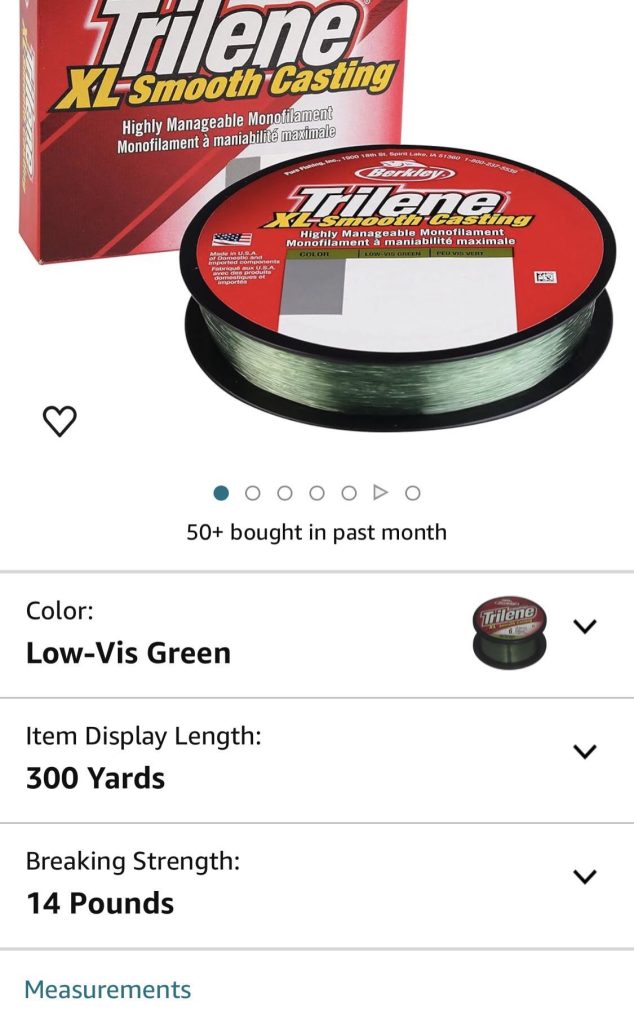
Choosing the right fishing line can make all the difference between a frustrating day on the water and an exciting catch. You might be wondering which type of fishing line suits your style, your gear, and the fish you’re after.
The truth is, not all lines are created equal, and picking the wrong one can cost you bites, breaks, or even your favorite lure. In this guide, you’ll discover the key factors that help you select the perfect fishing line every time.
Keep reading, and you’ll soon feel more confident and ready to reel in success.
Types Of Fishing Lines
Choosing the right fishing line is important for a good fishing experience. Different lines work better for different fish and water conditions.
There are four main types of fishing lines. Each has its own strengths and uses.
Monofilament Line
Monofilament line is made from one single strand of nylon. It is soft and easy to handle.
This line stretches well, which helps absorb the shock when a fish bites. It floats on water and is good for beginners.
Fluorocarbon Line
Fluorocarbon line is nearly invisible underwater. This makes it good for clear water fishing.
It is strong and sinks faster than monofilament. It also resists abrasion better.
Braided Line
Braided line is made from many thin fibers woven together. It is very strong for its size.
This line does not stretch much, so you feel every bite. It floats and lasts a long time.
- High strength
- Low stretch
- Very sensitive
- Can be visible in clear water
Copolymer Line
Copolymer line is made from two or more nylon types combined. It offers better strength and durability.
This line has less stretch than monofilament. It is more resistant to knots and twists.
Choosing Line Strength
Choosing the right fishing line strength is important for a good fishing experience. The strength depends on the fish you want to catch and your fishing gear.
Using the correct line strength helps you avoid breaks and improves your chances of landing the fish.
Pound Test Ratings
Pound test ratings show how much weight a fishing line can hold before breaking. It helps you pick the right line for your fishing needs.
Lines with higher pound test ratings are stronger but thicker. Lower ratings are thinner but less strong.
- Light lines (2-6 lb) are for small fish and clear water.
- Medium lines (8-15 lb) work well for most freshwater fishing.
- Heavy lines (20+ lb) are for big fish or saltwater fishing.
Matching Line To Fish Species
Different fish species need different line strengths. Choose a line that can handle the fish’s size and fight.
Using the right line helps you avoid losing the fish or breaking your gear.
- Small fish like trout need 2-6 lb line.
- Medium fish like bass need 8-15 lb line.
- Large fish like pike or catfish need 20-30 lb or more.
Considering Rod And Reel Compatibility
Your fishing rod and reel have limits on what line strength they can handle. Check their ratings before choosing a line.
Using a line too strong or too weak for your gear can cause problems like poor casting or damage.
- Match line strength to the rod’s recommended pound test.
- Make sure your reel can hold the line length and thickness.
- Use line types that work well with your reel (monofilament, fluorocarbon, or braided).
Line Visibility And Water Conditions
Choosing the right fishing line is important for success. The visibility of the line is affected by the water conditions.
Clear waters and murky waters require different line choices. Understanding these can improve your chances of catching fish.
Clear Vs. Murky Waters
In clear waters, fish can see better. A visible line might scare them away.
- Use fluorocarbon lines in clear waters. They are less visible underwater.
- In murky waters, braided lines are effective as visibility is less of an issue.
Line Color Choices
Line color plays a role in fishing success. Different colors work better in different conditions.
| Water Condition | Recommended Line Color |
| Clear | Green or Clear |
| Murky | Yellow or Brown |
Impact On Fish Behavior
Fish behavior is influenced by line visibility. A well-chosen line can help catch more fish.
When fish see the line, they may avoid the bait. Invisible lines can make fish more likely to bite.

Credit: www.reddit.com
Casting And Handling Characteristics
Choosing the right fishing line affects how you cast and handle your gear. The line type changes your fishing experience.
Good casting and easy handling help you catch more fish. Learn key line features to pick the best option.
Stretch And Sensitivity
Stretch in fishing lines affects how you feel bites. Lines with low stretch give better sensitivity.
High stretch lines absorb shock but reduce bite feel. Choose based on fishing style and target fish.
- Low stretch lines detect small bites quickly
- High stretch lines prevent line break during fights
- Monofilament has more stretch than braided lines
- Fluorocarbon lines offer moderate stretch and sensitivity
Knot Strength
Knot strength is how well a knot holds under pressure. Strong knots prevent line breaks during fishing.
Different lines have different knot strength. Some lines need special knots for best results.
- Braided lines have high knot strength but need tight knots
- Monofilament knots are easy to tie and strong
- Fluorocarbon knots can slip; use specific knots like Palomar
- Always wet the line before tightening knots to reduce damage
Memory And Line Twist
Memory means how much the line keeps its shape after use. High memory lines form loops and tangles.
Line twist causes casting problems and weak knots. Some lines resist twist better than others.
- Monofilament has high memory and more twist
- Braided lines have low memory and less twist
- Fluorocarbon has moderate memory and low twist
- Using a swivel helps reduce line twist while fishing
Specialized Lines For Techniques
Choosing the right fishing line is key for different fishing styles. Each technique needs a line suited to its unique challenges.
This guide covers specialized lines used in fly fishing, saltwater fishing, and ice fishing.
Fly Fishing Lines
Fly fishing lines are thicker and heavier to help cast lightweight flies. They come in floating, sinking, and intermediate types.
- Floating linesstay on the water surface for dry fly fishing.
- Sinking linesdive below to reach deeper fish.
- Intermediate linessink slowly, good for fishing near the surface.
Saltwater Fishing Lines
Saltwater fishing lines must resist corrosion and handle large, strong fish. Strength and durability are top priorities.
| Type | Strength | Best Use |
| Monofilament | Good | General saltwater fishing |
| Braid | Very Strong | Heavy cover and big fish |
| Fluorocarbon | Strong | Clear water and stealth |
Ice Fishing Lines
Ice fishing lines need to stay flexible in cold. They should resist abrasions from ice and sharp objects.
Common lines for ice fishing include:
- Monofilament: Affordable and stretches to absorb shocks.
- Braid: Thin and strong, but less stretch.
- Fluorocarbon: Low visibility underwater and resistant to cold.

Credit: www.reddit.com
Maintaining And Replacing Fishing Line
Fishing line is an important part of your fishing gear. Keeping it in good shape helps you catch fish better.
Knowing how to maintain and when to replace your line can save you money and improve your fishing experience.
Signs Of Wear
Fishing line gets weak after use. Look for cracks, frays, or discoloration. These show the line is damaged.
Check for knots that slip or break easily. Also, feel for rough spots or stiffness along the line.
- Cracks or splits in the line
- Frayed or fuzzy sections
- Discolored or faded areas
- Knots that do not hold well
- Rough or stiff spots when you run the line through your fingers
Proper Storage Tips
Store your fishing line in a cool, dry place. Avoid sunlight and heat to stop the line from weakening.
Keep the line on its spool or in a sealed container. This stops dust and dirt from sticking to it.
- Keep line away from direct sunlight
- Store in a dry area to avoid moisture
- Use original spool or sealed container
- Avoid placing heavy objects on the line
- Check line condition before every trip
When To Change Your Line
Change your fishing line if it shows wear signs or after catching big fish. Old line breaks easily.
Replace the line at least once a year if you fish often. This keeps your gear reliable and safe.
- After visible damage or wear
- After catching large or strong fish
- If the line feels rough or stiff
- Once per year for frequent anglers
- Before a long fishing trip or tournament
Budget And Brand Considerations
Choosing the right fishing line depends on your budget and preferred brands. Both affect the quality and performance of the line.
Understanding the differences helps you pick a line that fits your needs without overspending.
Affordable Vs. Premium Lines
Affordable lines cost less and work well for casual fishing. Premium lines offer better strength and durability but come with a higher price.
- Affordable lines suit beginners and occasional fishers.
- Premium lines last longer and resist wear better.
- Premium lines often have less stretch for better control.
- Affordable options may break more easily under stress.
Trusted Brands
Choosing well-known brands ensures quality and reliability. These brands often invest in research for better materials.
| Brand | Known For | Price Range |
| Brand A | Durable braided lines | Moderate to high |
| Brand B | Affordable monofilament | Low to moderate |
| Brand C | Fluorocarbon lines with low visibility | High |
Balancing Cost And Performance
Finding the right balance between cost and performance is key. Consider your fishing style and how often you fish.
- Pick a line that fits your fishing frequency.
- Use premium lines for important catches or tough conditions.
- Save money by using affordable lines for practice.
- Check reviews to find reliable but cost-effective options.
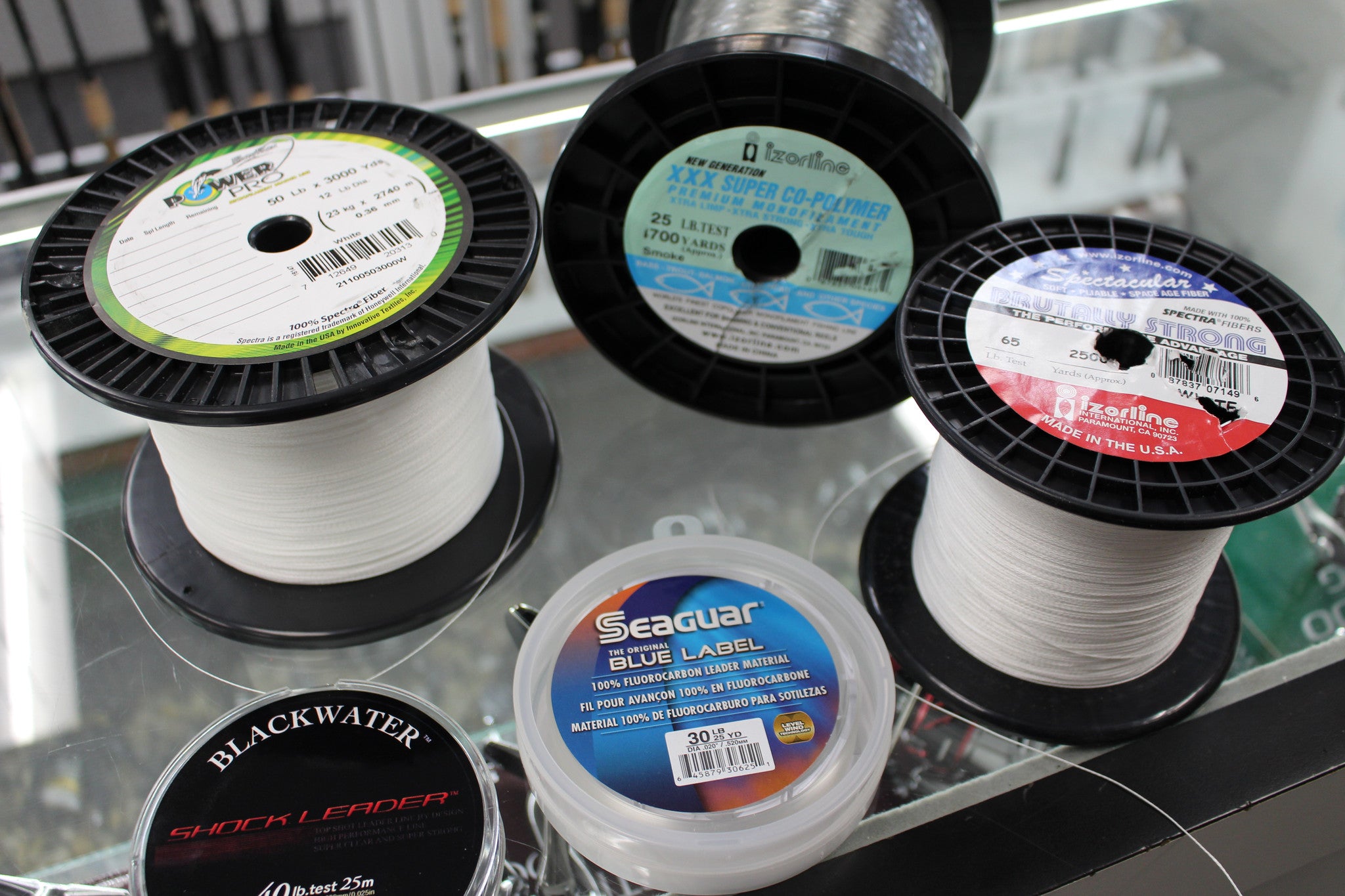
Credit: tackleexpress.com
Frequently Asked Questions
What Are The Main Types Of Fishing Lines?
The main fishing lines are monofilament, fluorocarbon, and braided. Each offers unique strength, stretch, and visibility. Choose based on fishing conditions and target species for best results.
How To Choose The Right Fishing Line Strength?
Select line strength based on fish size and fishing environment. Heavier fish require higher pound-test lines for durability. Match your line strength to rod and reel specifications.
Is Fluorocarbon Better Than Monofilament Line?
Fluorocarbon is less visible underwater and more abrasion-resistant. Monofilament is stretchier and more affordable. Choose fluorocarbon for clear water and monofilament for general use.
When Should I Use Braided Fishing Line?
Use braided line for heavy cover fishing and long casts. It has high strength, low stretch, and excellent sensitivity. Ideal for large fish and tough conditions.
Conclusion
Choosing the right fishing line makes fishing more fun and successful. Different lines suit different fish and water types. Think about strength, stretch, and visibility before buying. Test a few to see what feels best. Good fishing lines help catch more fish with less hassle.
Keep learning and trying new lines for better results. Fishing becomes easier and more enjoyable with the right gear. Start with these tips and enjoy your next fishing trip.