Choosing the right fishing line can make or break your fishing experience. You might think all lines are the same, but the truth is, the type you use affects everything—from casting distance to how well you can fight a big catch.
Whether you’re a beginner or looking to upgrade your gear, understanding which fishing line suits your style and target fish is key. Keep reading, and you’ll discover how to pick the perfect line that will boost your chances of landing that trophy catch.

Credit: www.reddit.com
Types Of Fishing Lines
Choosing the right fishing line is important for a good fishing experience. Different lines work better in different situations.
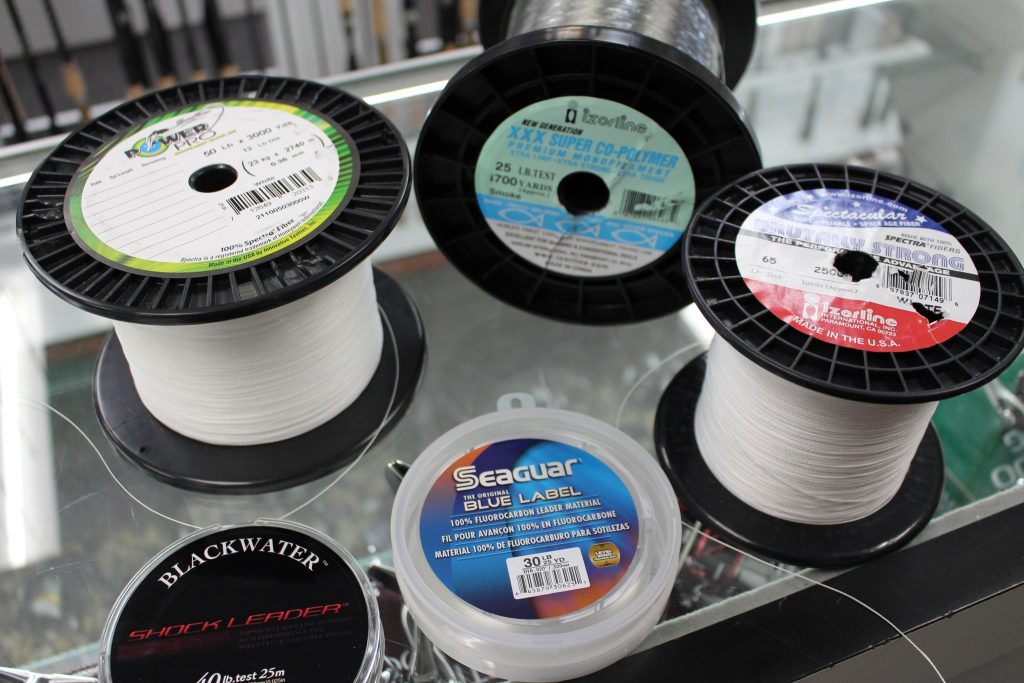
There are three main types of fishing lines: monofilament, braided, and fluorocarbon. Each has unique qualities.
Monofilament Lines
Monofilament lines are made from a single strand of nylon. They are soft and stretch easily.
These lines are good for beginners. They are easy to handle and knot well.
- Good stretch helps absorb fish strikes
- Less visible in water
- Affordable and widely available
- Not very strong for its size
Braided Lines
Braided lines are made by weaving many fibers together. They are very strong and thin.
These lines have little stretch, so you feel every bite. They last a long time and resist abrasion well.
- High strength with small diameter
- Very sensitive to fish bites
- Less stretch than monofilament
- More visible in water
Fluorocarbon Lines
Fluorocarbon lines are made from a special plastic. They are nearly invisible underwater.
These lines sink faster than others. They are strong, resist abrasion, and do not stretch much.
- Almost invisible in water
- Good for clear water fishing
- More resistant to sun and water damage
- Usually more expensive than others
Factors To Consider When Choosing
Choosing the right fishing line is important for a good fishing experience. The line affects how you catch fish and how long your gear lasts.
Different fishing lines have different features. Knowing what to look for helps you pick the best one for your needs.
Strength And Durability
Strength shows how much weight the line can hold before breaking. Durability means how long the line lasts during use.
Choose a line with enough strength for the fish you want. Durable lines resist wear and tear better.
- Match line strength to fish size
- Stronger lines work well in rough conditions
- Durable lines reduce the chance of snapping
Visibility Underwater
Visibility affects whether fish can see the line. Some lines are clear or low-visibility to avoid scaring fish.
Pick a line color that matches the water type. Clear lines work in clear water. Colored lines help in murky water.
- Clear lines for clear water
- Green or blue lines for stained water
- Bright lines help you see the line above water
Stretch And Sensitivity
Stretch lets the line absorb pressure but can reduce feeling the fish bite. Sensitivity helps you detect bites quickly.
Low-stretch lines give better sensitivity. High-stretch lines protect against sudden pulls but may hide bites.
- Low stretch for better bite detection
- High stretch to avoid line breaks
- Balance stretch and sensitivity for your fishing style
Abrasion Resistance
Abrasion resistance means how well the line stands up to rubbing on rocks, wood, or fish teeth. Good resistance keeps the line strong.
Choose lines with high abrasion resistance if you fish in rough areas. This helps avoid breaks and lost fish.
- High resistance for rocky or rough spots
- Protects line from cuts and frays
- Improves line life and fishing success
Best Lines For Different Fishing Styles
Choosing the right fishing line can improve your fishing experience. Different fishing styles need different types of lines.
This guide explains the best fishing lines for freshwater, saltwater, fly, and ice fishing.
Freshwater Fishing
Monofilament lines work well for most freshwater fishing. They are stretchy and easy to handle. Fluorocarbon lines are good for clear water because they are less visible.
Braid lines are strong and good for heavy cover. They have little stretch and give good sensitivity.
- Monofilament: Good for beginners, affordable
- Fluorocarbon: Low visibility, durable
- Braid: High strength, sensitive
Saltwater Fishing
Braid lines are popular for saltwater fishing because of their strength and resistance to salt. They handle big fish well. Fluorocarbon is also useful as a leader because it resists abrasion and is hard to see underwater.
Monofilament can work, but it wears out faster in saltwater and needs more care.
- Braid: Strong, salt-resistant, good for big fish
- Fluorocarbon: Clear, abrasion-resistant leader
- Monofilament: Less durable, affordable
Fly Fishing
Fly fishing uses special lines that help cast light flies. These lines are thicker and heavier than regular lines. They come in weight-forward or double taper styles.
Leaders and tippets are thin lines that attach to the fly. They are usually made from fluorocarbon or monofilament to be invisible to fish.
- Fly line: Heavy, helps casting
- Leaders: Clear, connect fly to line
- Tippets: Thin, almost invisible
Ice Fishing
Ice fishing needs lines that stay flexible in cold. Monofilament lines can become stiff in low temperatures. Fluorocarbon is better because it stays more flexible and sinks well.
Braid is also good for ice fishing because it does not freeze easily and has no stretch.
- Fluorocarbon: Flexible in cold, sinks well
- Braid: Strong, no stretch, resists freezing
- Monofilament: Can stiffen in cold, affordable

Credit: www.reddit.com
Line Diameter And Length
Choosing the right fishing line is important for a good fishing experience. Line diameter and length affect casting, strength, and fish handling.
This guide helps you understand how to pick the best diameter and length for your fishing line.
Choosing The Right Diameter
Line diameter shows how thick the fishing line is. Thinner lines are less visible in water and cast farther.
Thicker lines hold more weight but can scare fish and reduce casting distance.
- Thin lines work well for clear water and cautious fish.
- Thick lines are better for heavy fish or rough conditions.
- Check the line’s strength rating along with diameter.
Optimal Line Lengths
The length of your fishing line affects how far you can cast. It also impacts how much line you have to fight a fish.
Too short a line limits casting and control. Too long a line can cause tangles and reduce reel performance.
- Use 100 to 150 yards for most freshwater fishing.
- Saltwater fishing may need 200 yards or more.
- Match line length to your reel capacity and fishing style.
Tips For Maintaining Your Fishing Line
Taking good care of your fishing line helps it last longer. It also keeps your fishing trips smooth and successful.
Simple maintenance steps can prevent line damage and breakage. Follow these tips to keep your line in top shape.
Proper Storage
Store your fishing line in a cool, dry place away from direct sunlight. Avoid places with high heat or moisture.
- Keep the spool in its original packaging or a sealed container.
- Do not leave line on the reel for long periods without use.
- Store braided and monofilament lines separately to avoid tangling.
Regular Inspection
Check your fishing line for damage before each use. Look for nicks, frays, or discoloration that may weaken it.
| Type of Damage | Signs to Check |
| Fraying | Loose fibers along the line |
| Cracks | Small breaks or splits in the line |
| Discoloration | Faded or uneven coloring |
| Stretch | Line feels overly elastic or soft |
Replacing Old Lines
Replace your fishing line regularly to avoid unexpected breaks. Old lines lose strength and flexibility over time.
- Remove the old line completely from the reel.
- Check the reel for any dirt or damage before adding new line.
- Spool the new line tightly and evenly onto the reel.
- Test the new line by pulling it gently to check its strength.

Credit: www.reddit.com
Common Mistakes To Avoid
Choosing the right fishing line matters for a good catch. Many anglers make simple mistakes that affect their success. Avoiding these errors can help you fish better.
This guide shows common mistakes about fishing line choice. Learn what to watch for and how to pick the best line for your needs.
Using The Wrong Line For Target Species
Each fish species needs a suitable fishing line. Using the wrong line can lead to lost fish or broken tackle. For example, heavy lines scare small fish. Light lines break with large fish.
- Match line strength to fish size and weight
- Use thin lines for small, cautious fish
- Choose strong lines for big, powerful fish
- Consider line visibility in clear water
Ignoring Environmental Conditions
Water type and weather affect fishing line choice. Saltwater needs corrosion-resistant lines. Murky water calls for bright lines. Sunlight and temperature also change line performance.
| Condition | Best Line Type | Reason |
| Clear freshwater | Fluorocarbon | Low visibility under water |
| Saltwater | Braided or coated monofilament | Resists corrosion and abrasion |
| Murky water | Bright colored monofilament | Easier to see and control |
| Hot, sunny days | UV-resistant lines | Prevents line damage and fading |
Overlooking Line Compatibility With Gear
Not all lines work well with every reel and rod. The wrong line can cause tangles, poor casting, or damage. Check your gear’s recommendations before buying line.
- Match line type to reel spool size and shape
- Use line weights recommended by the rod manufacturer
- Check line guides for abrasion resistance
- Test casting with new line before fishing
Frequently Asked Questions
What Are The Main Types Of Fishing Lines?
The main types are monofilament, fluorocarbon, and braided lines. Each type offers different strength, stretch, and visibility features for various fishing needs.
Which Fishing Line Is Best For Beginners?
Monofilament line is ideal for beginners. It’s affordable, easy to handle, and has good stretch to absorb fish strikes.
How To Choose Fishing Line Strength?
Choose line strength based on fish size and fishing conditions. Match the pound test to the type of fish you target.
When Should I Use Braided Fishing Line?
Use braided line for heavy cover or deep water fishing. It offers high strength, low stretch, and excellent sensitivity.
Conclusion
Choosing the right fishing line is crucial. It impacts your fishing success. Consider water type and fish species. Monofilament works well in most situations. Braided line offers strength in heavy cover. Fluorocarbon is nearly invisible underwater. Each line type has unique benefits.
Understanding these helps you make informed choices. Remember to match your line with your fishing rod. Practice makes perfect in fishing. Experiment with different lines. Find what works best for you. Enjoy your fishing adventures. Happy fishing!