Are you wondering which heat pump systems need a secondary refrigerant? Understanding this can help you make smarter choices for your home or business.
Using the right type of heat pump not only saves energy but also protects your equipment and cuts down on costs. You’ll discover exactly which heat pump systems require a secondary refrigerant and why it matters for your comfort and savings.
Keep reading to get clear answers that will make your next HVAC decision easier and more effective.

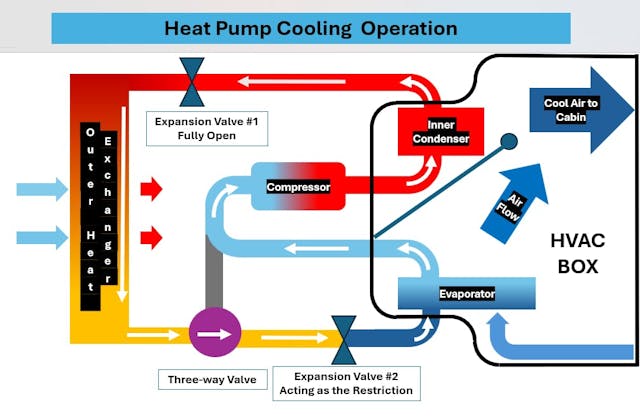
Credit: jmpcoblog.com
Heat Pump System Types
Heat pumps move heat from one place to another to warm or cool buildings. Different types of heat pumps use different methods to transfer heat.
Some heat pump systems need a secondary refrigerant. This helps carry heat more efficiently in certain setups.
Air-source Heat Pumps
Air-source heat pumps use outside air to heat or cool a building. They take heat from the air and move it inside or outside.
These systems usually do not need a secondary refrigerant. The refrigerant moves heat directly between the indoor and outdoor units.
Ground-source Heat Pumps
Ground-source heat pumps use the earth’s constant temperature to heat or cool buildings. Pipes are buried underground to move heat.
These systems often require a secondary refrigerant. A fluid like water or antifreeze moves heat between the ground and the heat pump.
- Secondary refrigerant moves heat in the ground loop
- It protects the system from freezing in cold weather
- Helps improve system efficiency and safety
Water-source Heat Pumps
Water-source heat pumps use water from lakes, wells, or rivers to transfer heat. Water helps carry heat to and from the heat pump.
These systems usually use a secondary refrigerant in a closed loop. It moves heat between the water source and the indoor heat pump unit.
- Secondary refrigerant circulates inside pipes
- It prevents damage from water impurities
- Allows efficient heat transfer from water to refrigerant
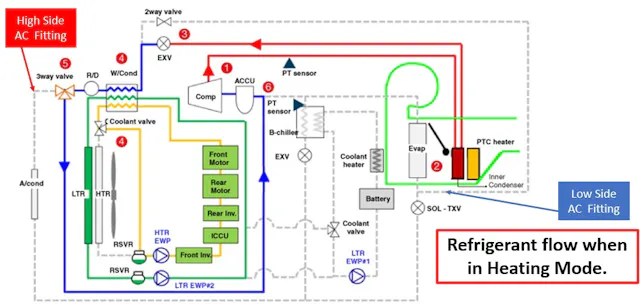
Credit: www.vehicleservicepros.com
Role Of Secondary Refrigerants
Some heat pump systems need a secondary refrigerant to move heat efficiently. Secondary refrigerants help carry heat between the heat pump and the building.
They improve system safety and allow for flexible designs. Secondary refrigerants also reduce the amount of primary refrigerant needed in a system.
Definition And Purpose
A secondary refrigerant is a fluid that transfers heat from the primary refrigerant to the building. It does not evaporate or condense like the primary refrigerant.
Its main job is to carry heat safely and efficiently. It also lowers the risk of leaks from the primary refrigerant, which may be harmful or flammable.
Common Secondary Refrigerants
Many fluids act as secondary refrigerants in heat pump systems. The choice depends on temperature needs and safety requirements.
- Water: Most common, safe, and cheap. Used in moderate temperatures.
- Glycol mixtures: Include ethylene or propylene glycol. Used in cold climates to prevent freezing.
- Brines: Salty water solutions that work well at low temperatures.
- Oils: Sometimes used in special systems for heat transfer.
Systems Needing Secondary Refrigerants
Some heat pump systems use a secondary refrigerant to transfer heat. This helps move heat more efficiently in certain setups. Secondary refrigerants are usually liquids like water or glycol mixtures.
These systems rely on a secondary fluid to carry heat between the source and the heat pump unit. This allows the heat pump to work better in special environments.
Closed-loop Ground-source Systems
Closed-loop ground-source heat pumps use pipes buried underground. A secondary refrigerant flows through these pipes to absorb heat from the ground.
The liquid, often a water-glycol mix, protects pipes from freezing. It carries heat to the heat pump inside the building.
- Closed loop means the liquid circulates in a sealed system.
- Secondary refrigerants reduce corrosion and freezing risks.
- They improve heat transfer from the ground to the heat pump.
Water-loop Heat Pump Systems
Water-loop heat pumps use a loop of water as the secondary refrigerant. This water circulates through the building and heat pump units.
The water absorbs heat from indoor units and transfers it to a cooling tower or boiler. It helps balance heating and cooling loads efficiently.
- The water loop keeps heat moving between units and the heat source.
- Secondary refrigerant water is treated to prevent damage.
- This system suits large buildings with many heat pump units.
Hybrid Heat Pump Configurations
Hybrid heat pumps combine different heat sources or systems. They often use secondary refrigerants to link parts of the system.
For example, a hybrid system may use a secondary fluid to connect a ground-source heat pump with an air-source heat pump. This helps share heat efficiently.
- Secondary refrigerants help transfer heat between system parts.
- They improve system flexibility and performance.
- Hybrid systems can switch between heat sources for best efficiency.
Benefits Of Using Secondary Refrigerants
Secondary refrigerants are fluids used in some heat pump systems to transfer heat efficiently. They help move heat from one place to another inside the system.
Using secondary refrigerants can improve the overall performance of heat pumps. They also affect the system’s environmental footprint.
Enhanced Heat Transfer
Secondary refrigerants help carry heat better than air or water alone. This improves the heat exchange process inside the heat pump.
- They have higher heat capacity than air.
- They flow easily through pipes and coils.
- They reduce the risk of freezing in cold conditions.
Improved System Efficiency
Using a secondary refrigerant can lower energy use. This happens because the heat pump works more smoothly and with less effort.
| Benefit | How It Helps |
| Lower Energy Use | Reduces compressor load |
| Stable Operation | Prevents freezing and blockages |
| Longer Equipment Life | Less wear on parts |
Environmental Impact
Secondary refrigerants can reduce the amount of harmful gases released. They often use safer fluids that lower greenhouse gas effects.
- They reduce the need for high amounts of primary refrigerants.
- Many secondary refrigerants are non-toxic and biodegradable.
- They help meet strict environmental regulations.
Installation And Maintenance Considerations
Some heat pump systems need a secondary refrigerant for better heat transfer. This affects how these systems are installed and maintained. Knowing these needs helps keep the system working well.
Secondary refrigerants are common in large systems or where heat moves over long distances. These systems use fluids like water or glycol to carry heat instead of only refrigerant gas.
System Design Requirements
Designing systems with secondary refrigerants needs careful planning. The system must hold the right amount of fluid and keep it flowing properly. Pipes and pumps must match the fluid type and temperature.
Materials in contact with the fluid should resist corrosion. Proper insulation is needed to reduce heat loss. Designers must also plan for easy access to parts for service and repairs.
- Select pipes that resist corrosion and leaks
- Use pumps that handle the fluid’s pressure and flow
- Include expansion tanks to manage pressure changes
- Insulate pipes to save energy
- Plan access points for maintenance
Regular Monitoring And Upkeep
Systems with secondary refrigerants need frequent checks. Watch for leaks in pipes and fittings. Check fluid levels and refill if needed. The fluid’s condition matters for system health.
Test the fluid for contamination or freezing risk, especially in cold climates. Pumps and valves need inspection and occasional repairs. Keep records of all maintenance tasks for tracking.
- Inspect for leaks and fix them quickly
- Check and maintain fluid levels regularly
- Test fluid quality and temperature resistance
- Service pumps and valves as per schedule
- Keep maintenance records for system history
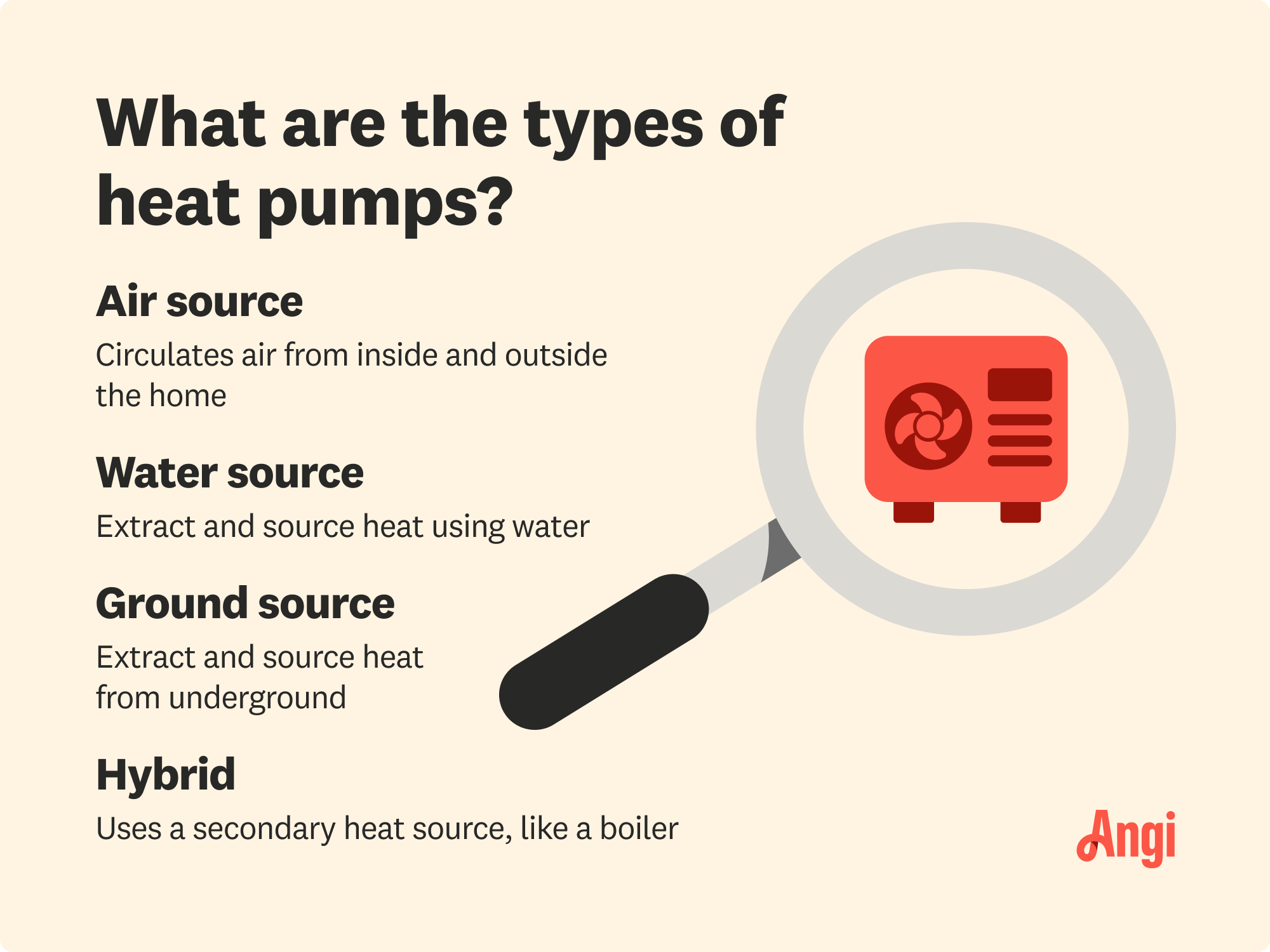
Credit: www.angi.com
Common Challenges And Solutions
Heat pump systems that use secondary refrigerants face unique challenges. These challenges affect system efficiency and durability.
Understanding these issues helps in choosing the right solutions for smooth operation and longer system life.
Leak Detection
Secondary refrigerants can leak without easy detection. These leaks reduce system performance and can cause damage.
Detecting leaks early is critical to avoid costly repairs and downtime.
- Use sensors that detect changes in fluid pressure or flow
- Regularly inspect pipes and joints for signs of wear
- Apply leak detection dyes compatible with the secondary fluid
- Schedule routine maintenance checks to catch leaks early
Corrosion Control
Corrosion can damage the pipes carrying secondary refrigerants. This causes leaks and system failure.
Preventing corrosion extends the life of the heat pump system and keeps it safe.
- Choose corrosion-resistant materials for pipes and fittings
- Use inhibitors in the secondary fluid to reduce corrosion
- Maintain proper fluid pH levels to avoid acidic conditions
- Monitor the system regularly for signs of rust or deposits
Fluid Selection Issues
Selecting the right secondary refrigerant fluid is key. The wrong fluid can cause poor heat transfer and damage parts.
Consider fluid compatibility, freezing point, and environmental impact when choosing a fluid.
- Check the fluid’s compatibility with system materials
- Use fluids with low freezing points to prevent blockages
- Choose fluids that are safe and eco-friendly
- Regularly test fluid quality to catch contamination early
Frequently Asked Questions
What Heat Pump Systems Need Secondary Refrigerants?
Hydronic heat pump systems often require secondary refrigerants. These systems use fluids like water or glycol. Secondary refrigerants transfer heat efficiently. They help in larger or complex setups where direct refrigerant use is impractical.
Why Use Secondary Refrigerants In Heat Pumps?
Secondary refrigerants improve heat transfer and system safety. They reduce refrigerant volume and lower leak risks. These fluids also allow for longer piping runs. This increases system flexibility and energy efficiency in heat pumps.
Which Secondary Refrigerants Are Common In Heat Pumps?
Water and glycol mixtures are the most common secondary refrigerants. Glycol prevents freezing in cold climates. These fluids are non-toxic and cost-effective. They ensure reliable heat transfer in hydronic heat pump systems.
How Do Secondary Refrigerants Enhance Heat Pump Efficiency?
Secondary refrigerants optimize heat exchange between components. They maintain stable temperatures and reduce energy loss. This leads to improved system performance. Using them can lower operating costs and extend equipment life.
Conclusion
Selecting the right heat pump system is crucial. Secondary refrigerants enhance efficiency in certain systems. They help in transferring heat effectively. Water-source and ground-source systems often need secondary refrigerants. This choice impacts your energy savings. Understanding your system’s needs can optimize performance.
Consult with professionals for tailored advice. They ensure the best setup for your home. Proper installation and maintenance extend system lifespan. Making informed decisions benefits both comfort and cost. Stay warm, stay informed.