Have you ever wondered what type of heating system you have in your home? Knowing this can save you time, money, and stress when it’s time for repairs or upgrades.
Whether your system is old or new, understanding how it works helps you make smarter choices. You’ll discover simple ways to identify your heating system and learn why it matters for your comfort and budget. Keep reading—you’re about to become the expert your home needs.
Credit: www.lennox.com
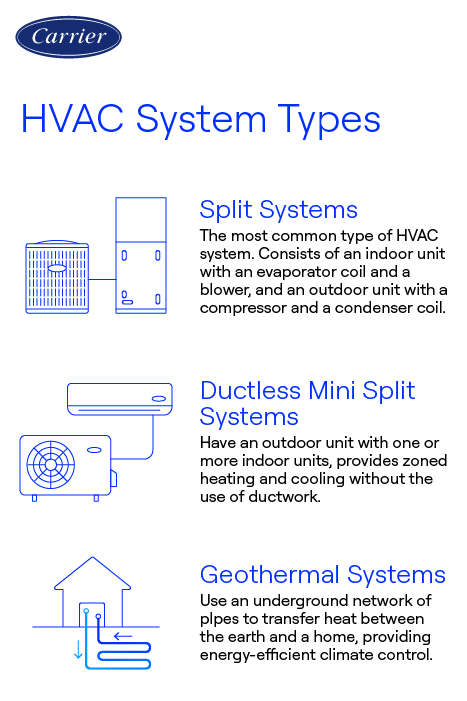
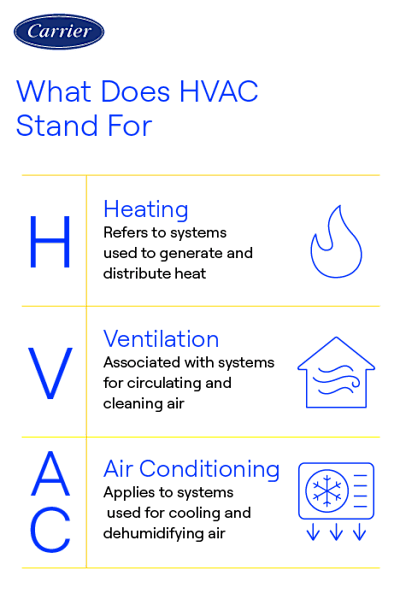
Common Heating System Types
Knowing the type of heating system you have helps with maintenance and repairs. Different systems use different methods to warm your home.
This guide explains four common heating system types found in homes today.
Furnaces
Furnaces heat air and distribute it through ducts. They use gas, oil, or electricity as fuel. Warm air moves through vents to heat rooms.
Boilers
Boilers heat water to provide warmth. The hot water or steam moves through pipes to radiators or underfloor heating. They often use gas or oil.
Heat Pumps
Heat pumps move heat from outside to inside your home. They work well in mild climates. Heat pumps can also cool your home in summer.
- Air-source heat pumps take heat from the air.
- Ground-source heat pumps use heat from the ground.
Electric Heaters
| Type | How It Works | Common Use |
|---|---|---|
| Baseboard Heaters | Use electric resistance to heat air | Supplemental heating in rooms |
| Space Heaters | Portable units that warm small areas | Temporary or spot heating |
| Electric Radiant Floors | Heat floors directly using electric cables | Comfort heating in bathrooms and kitchens |
Credit: www.lennox.com
Identifying Your Furnace
Knowing what type of furnace you have helps with maintenance and repairs. This guide shows how to identify your heating system.
We will look at fuel sources, air distribution, and common locations to find your furnace.
Fuel Sources
Furnaces use different fuels to produce heat. Identifying the fuel source is the first step.
- Natural Gas:Most common fuel. You will see a gas line connected to the furnace.
- Electricity:Uses electric heating elements. No fuel lines needed.
- Oil:Uses oil tanks and a burner. Oil smell may be present.
- Propane:Similar to natural gas but uses a propane tank.
Air Distribution
Check how warm air moves from the furnace to your rooms. This helps identify the type of system.
| System Type | Air Movement Method |
| Forced Air | Uses fans and ductwork to blow warm air |
| Radiant Heat | Heats floors or walls, no air movement |
| Baseboard Heating | Warm air rises from baseboard units |
| Steam or Hot Water | Heats radiators with steam or water |
Typical Locations
Furnaces are usually in specific parts of the house. Look in these places to find yours.
- Basement: Most common place for large furnaces.
- Utility Room: Small homes may have furnaces here.
- Closet: Some furnaces fit in a closet space.
- Garage: In some homes, the furnace is located in the garage.
Spotting A Boiler System
Boiler systems heat your home using water or steam. They send heat through pipes to warm your rooms. Knowing if you have a boiler helps you maintain it well.
This guide shows how to spot a boiler system by checking heating types, radiators, and labels.
Water Or Steam Heating
Boilers heat water or create steam to warm your home. Hot water moves through pipes to heaters. Steam systems use steam instead of hot water.
- Look for pipes carrying hot water or steam.
- Check for a large tank or metal box – this is the boiler.
- Boilers often sit in basements or utility rooms.
Radiators And Baseboards
Boilers send heat to radiators or baseboards. These parts warm the air in rooms by radiation or convection.
| Type | Look For | Material |
|---|---|---|
| Radiators | Large metal units on walls or floors | Cast iron, steel, or aluminum |
| Baseboard Heaters | Long, narrow units along base of walls | Metal fins inside a metal cover |
Signs And Labels
Boilers have labels or signs that give details about the system. These help confirm if your heating is boiler-based.
Check for these signs on the boiler unit:
- Brand name and model number
- Information about fuel type (gas, oil, electric)
- Labels stating “water heater” or “steam boiler”
- Temperature and pressure gauges on pipes
Credit: www.carrier.com
Checking For Heat Pumps
Heat pumps are a popular heating and cooling system in many homes. They work by moving heat instead of creating it.
Knowing if you have a heat pump helps with maintenance and energy savings. Look for certain features inside and outside your home.
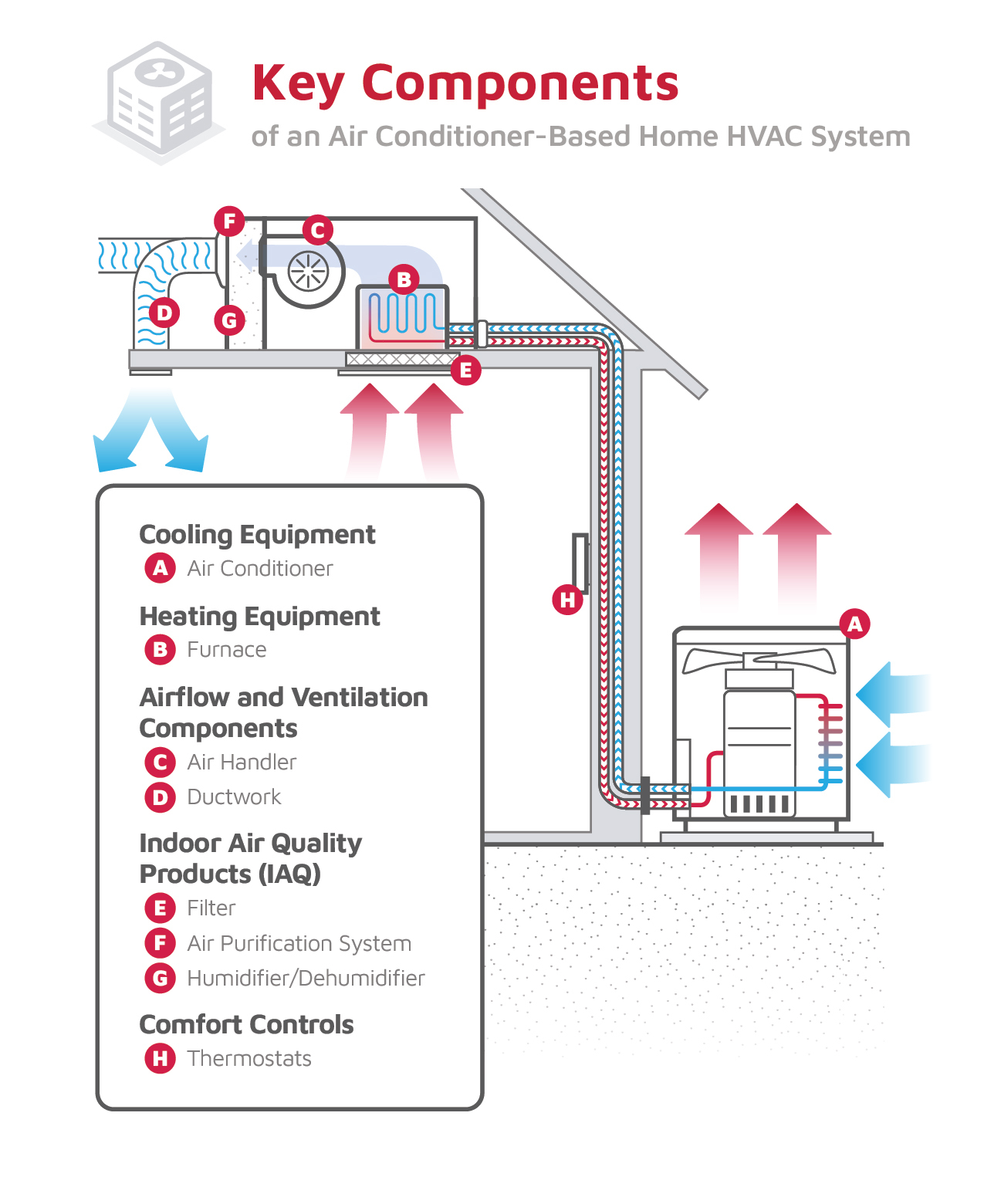
Indoor And Outdoor Units
Heat pumps have two main parts: an indoor unit and an outdoor unit. The indoor unit looks like a regular air handler or furnace.
The outdoor unit looks like a large metal box with a fan. It is similar to an air conditioner’s outside unit.
- Indoor unit often mounted on a wall or in a closet
- Outdoor unit usually near the house on a concrete pad
- Both units connected by pipes carrying refrigerant
Cooling And Heating Functions
Heat pumps can both cool and heat your home. They work like an air conditioner in summer and a heater in winter.
You can test this by setting your thermostat to cool and heat modes. If the system blows warm air in winter and cool air in summer, it is likely a heat pump.
- Cool mode: outdoor unit removes heat from inside
- Heat mode: outdoor unit brings heat inside
- Switches between modes automatically or by thermostat
Energy Efficiency Features
Heat pumps are energy efficient because they move heat instead of creating it. This saves electricity and reduces bills.
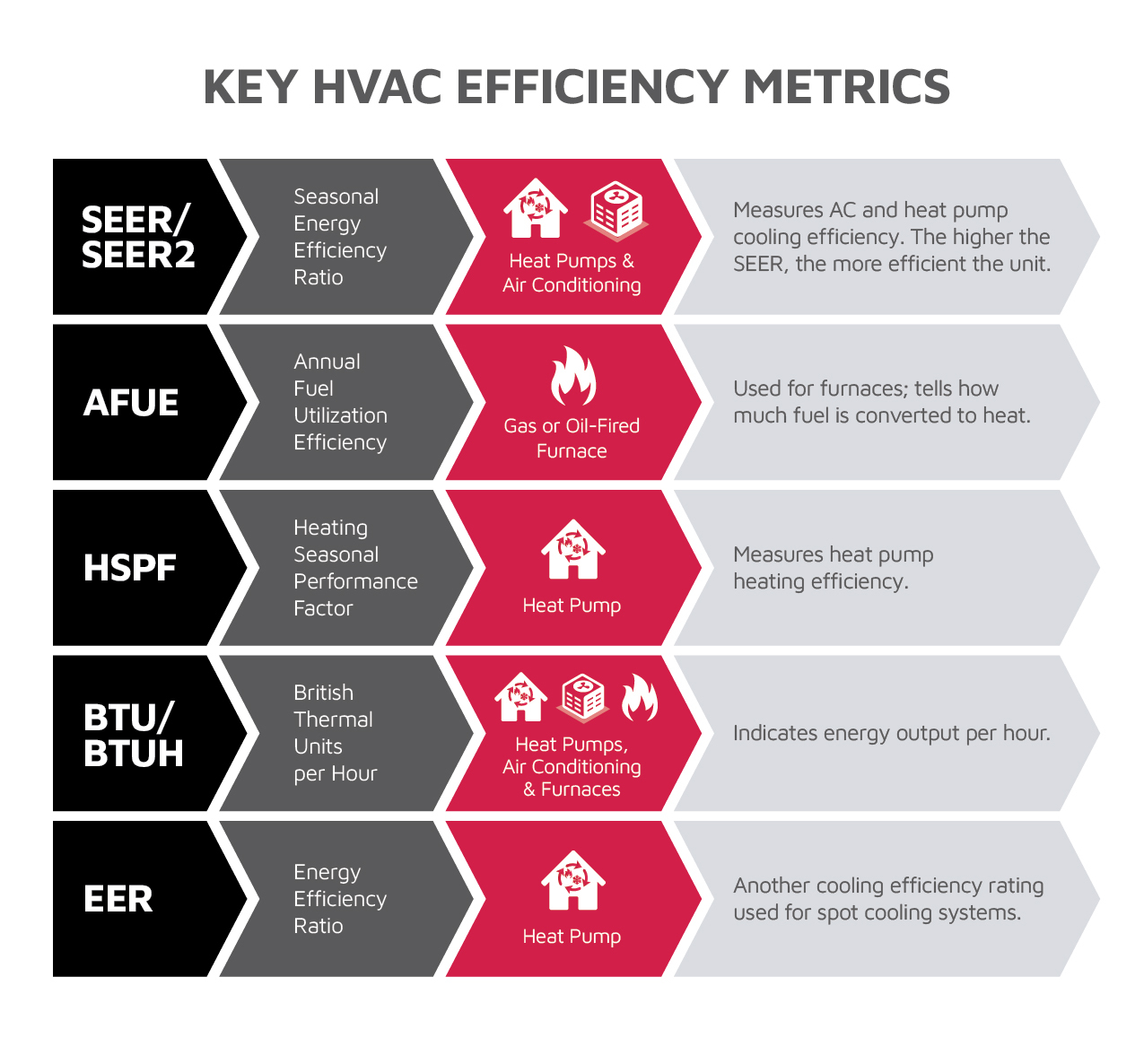
Look for labels or tags on the units that show energy ratings. Many heat pumps have Energy Star certification or SEER ratings.
- Energy Star label means higher efficiency
- SEER rating measures cooling efficiency
- HSPF rating measures heating efficiency
Recognizing Electric Heating
Electric heating systems use electricity to warm your home. They often look different from gas or oil heating.
Knowing the signs of electric heating helps with maintenance and energy choices.
Baseboard Heaters
Electric baseboard heaters run along the bottom of walls. They use electric resistance to create heat.
- Usually metal with fins to spread heat
- Heats a room quietly and evenly
- Can be controlled by a wall thermostat
- Often found in older homes or apartments
Space Heaters
Space heaters are portable electric devices. They provide heat to a small area.
- Plug into a standard electrical outlet
- Can be fan-forced or radiant
- Used to warm rooms quickly
- Should be kept away from flammable materials
Wiring And Controls
Electric heating systems have simple wiring and controls. They connect directly to your home’s electrical panel.
| Component | Description |
| Thermostat | Controls temperature by turning heat on/off |
| Wiring | Usually insulated copper wires inside walls |
| Breaker | Protects circuit from overload |
| Heating Element | Converts electricity to heat |
Tools And Tips For Identification
Knowing what type of heating system you have helps with maintenance and repairs. You can identify your system using simple tools and tips.
Look at parts of your system and use easy checks to learn more. This guide will help you find your heating system type.
Reading Manufacturer Labels
Manufacturer labels give key details about your heating system. They often show model and serial numbers.
Find the label on the unit’s side or inside the access panel. Note the brand and model for online research.
- Look for a metal or sticker label
- Check for model, serial number, and brand
- Record the information for reference
Inspecting Thermostats
Thermostats control your heating system and can hint at its type. Look at your thermostat’s display and controls.
Simple dials often mean older systems like baseboard heaters. Digital thermostats usually connect to modern furnaces or heat pumps.
- Check if the thermostat shows heat, cool, or auto modes
- Look for fan settings like on or auto
- Note if it has a heat pump setting
When To Call A Professional
Some heating systems are hard to identify safely. Call a professional if you see complex wiring or gas connections.
If your system is old or you feel unsure, a technician can inspect and tell you exactly what type you have.
- Call if you smell gas or see leaks
- Contact a pro for electrical safety checks
- Use a technician for system repairs or upgrades
Frequently Asked Questions
How Can I Identify My Home Heating System Type?
Check your thermostat and furnace labels for clues. Gas, electric, or oil systems have distinct parts. Look for vents, pipes, or radiators. Inspect your utility bills for fuel type. These steps help pinpoint your heating system type quickly.
What Are Common Signs Of A Forced Air Heating System?
You’ll notice warm air blowing through vents. It uses ducts and a blower fan to circulate heat. The system often runs on gas, electric, or oil. Listen for a fan noise when heating starts. This indicates a forced air system.
How Do I Know If I Have A Radiant Heating System?
Radiant systems heat floors or walls directly. You won’t find air vents or ducts. Floors may feel warm to the touch. Pipes or electric heating elements under floors are common. This system provides consistent, silent heat distribution.
Can I Identify A Heat Pump Heating System Easily?
Heat pumps transfer heat rather than generate it. Look for an outdoor unit with a fan. It provides both heating and cooling. The thermostat may have an “emergency heat” setting. This system is energy-efficient and common in moderate climates.
Conclusion
Knowing your heating system helps you stay warm and save money. Different systems work in different ways. Some use air, others use water or electricity. Checking your system type makes repairs easier and faster. It also helps you choose the right maintenance plan.
Take a moment to identify your heating system. This small step makes a big difference in comfort. Stay cozy all winter long.