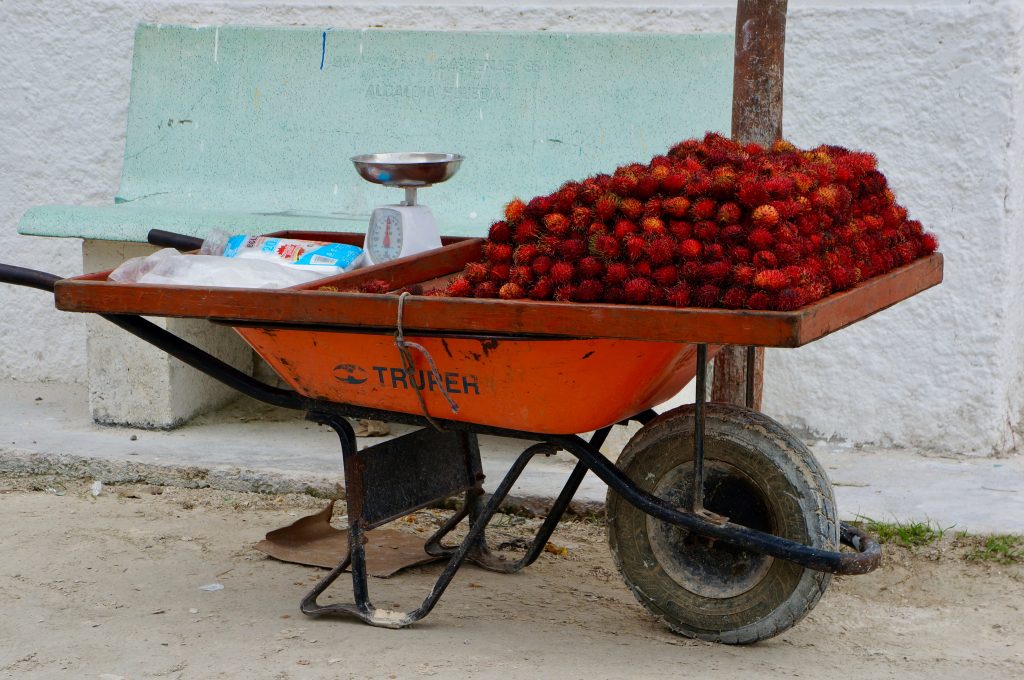
Have you ever wondered how a simple tool like a wheelbarrow makes lifting heavy loads feel so much easier? Understanding what type of lever a wheelbarrow is can change the way you see this everyday helper.
You’ll discover how the parts of a wheelbarrow work together to multiply your strength. By the end, you’ll know exactly why it’s so efficient and how you can use this knowledge to make your work lighter and faster. Ready to unlock the secret behind this powerful lever?
Let’s dive in!

Credit: www.teacherspayteachers.com
Lever Basics
A lever is a simple machine that helps move or lift things. It uses a bar that turns on a point called a fulcrum.
Levers make work easier by changing the force needed to move an object. The position of the fulcrum affects how the lever works.
Types Of Levers
There are three types of levers. Each type depends on where the fulcrum, effort, and load are placed on the bar.
- First-class lever: The fulcrum is between effort and load.
- Second-class lever: The load is between effort and fulcrum.
- Third-class lever: The effort is between load and fulcrum.
A wheelbarrow is a second-class lever because the load is in the middle. The effort comes from lifting the handles, and the fulcrum is at the wheel.
Lever Components
Every lever has three main parts: the fulcrum, the effort, and the load. These parts work together to move objects.
- Fulcrum:The pivot point where the lever turns.
- Effort:The force applied to move the load.
- Load:The object or weight that needs to be moved.
In a wheelbarrow, the wheel acts as the fulcrum, the load sits in the bucket, and you apply effort by lifting the handles.

Credit: www.freepik.com
Wheelbarrow Mechanics
A wheelbarrow is a simple machine. It helps people move heavy things easily. It is a type of lever.
Understanding how a wheelbarrow works can make tasks easier. Let’s explore its parts and mechanics.
Parts Of A Wheelbarrow
A wheelbarrow has several important parts. Each part plays a key role in its function.
- Wheel: It is located at the front. It helps in moving the load.
- Tray: This is where the load is placed. It is usually made of metal or plastic.
- Handles: These are used to lift and steer the wheelbarrow.
- Legs: They provide support when the wheelbarrow is at rest.
How A Wheelbarrow Works
A wheelbarrow uses leverage to make lifting easier. It is a second-class lever.
The wheel is the fulcrum. The load is in the tray, and the effort is applied at the handles. This setup reduces the force needed to lift and move the load.
- Fulcrum: Wheel
- Load: Items in the tray
- Effort: Force applied by the user at the handles
Wheelbarrow As A Lever
A wheelbarrow is a simple machine that helps move heavy loads. It works as a lever to make lifting easier.
Understanding the wheelbarrow as a lever shows how effort, load, and fulcrum work together.
Lever Class Identification
A lever has three parts: effort, load, and fulcrum. The class depends on how these parts are placed.
The wheelbarrow is a type of second-class lever.
Effort, Load, And Fulcrum Placement
In a wheelbarrow, the fulcrum is the wheel. The load is the contents inside the barrow. The effort is the force you apply on the handles.
- Fulcrum:The wheel at the front.
- Load:The material inside the barrow.
- Effort:Your hands lifting the handles.
| Part | Position in Wheelbarrow |
| Fulcrum | At the wheel in front |
| Load | Between wheel and handles |
| Effort | Applied on the handles |

Credit: www.amazon.com
Advantages Of Wheelbarrow Design
The wheelbarrow is a simple tool that helps move heavy loads easily. Its design uses a lever system that reduces the effort needed to lift and carry weight.
This tool is common in gardening and construction because it saves time and energy. Understanding its design shows why it works well for many tasks.
Mechanical Advantage
A wheelbarrow acts as a second-class lever. The wheel is the fulcrum at the front, the load sits in the middle, and the effort is applied at the handles. This setup makes lifting easier.
- Less force is needed to lift heavy loads.
- The wheel reduces friction while moving.
- The lever length increases the lifting power.
- It allows better control of the load.
Ease Of Use In Heavy Lifting
| Feature | Benefit |
| Single Wheel | Makes steering simple and flexible |
| Two Handles | Provides a strong grip for better control |
| Load Position | Keeps weight balanced over the wheel |
| Sturdy Frame | Supports heavy loads without bending |
The design helps users lift heavy materials without strain. The balanced load over the wheel keeps the wheelbarrow steady. This reduces the chance of tipping or dropping the load.
Practical Applications
The wheelbarrow is a common tool used worldwide. It works as a lever to move heavy loads easily. Understanding its type helps explain why it is so useful in daily tasks.
A wheelbarrow is a second-class lever. The wheel acts as the fulcrum, the load sits in the barrow, and the effort is applied at the handles. This setup reduces the force needed to lift and move weight.
Common Uses
Wheelbarrows are widely used in gardening, construction, and farming. They help carry soil, rocks, tools, and plants. Their lever design allows workers to transport heavy items with less strain.
- Moving soil and compost in gardens
- Transporting bricks and cement on construction sites
- Carrying harvested crops on farms
- Clearing debris after yard work or storms
Improving Efficiency
Using a wheelbarrow improves work speed and reduces effort. Its lever system multiplies the force applied, making heavy loads easier to move. Proper use can prevent injuries and save energy.
| Benefit | Explanation |
| Less Muscle Strain | The lever reduces the force needed to lift loads. |
| Better Balance | The wheel supports weight and helps with steering. |
| Faster Work | Moving many items at once cuts down trips. |
| Versatile Use | Works well on rough or uneven ground. |
Frequently Asked Questions
What Type Of Lever Is A Wheelbarrow?
A wheelbarrow is a second-class lever. The load is between the effort and the fulcrum, which is the wheel.
How Does A Wheelbarrow Function As A Lever?
It multiplies force by placing the load between effort and fulcrum, making lifting easier.
Why Is A Wheelbarrow Considered A Second-class Lever?
Because the load is in the middle, effort is applied at one end, and the fulcrum is at the other.
What Are The Parts Of A Wheelbarrow Lever?
The wheel acts as the fulcrum, the load is in the bucket, and effort is applied at the handles.
Conclusion
A wheelbarrow acts as a second-class lever. The load sits between the effort and the fulcrum. This setup helps lift heavy items with less force. It makes work easier and faster. Knowing how it works can help you use it better.
Simple tools like this show smart design in everyday life. Understanding levers helps in many tasks beyond gardening or building. Try to notice levers around you. They are everywhere, making work simpler.