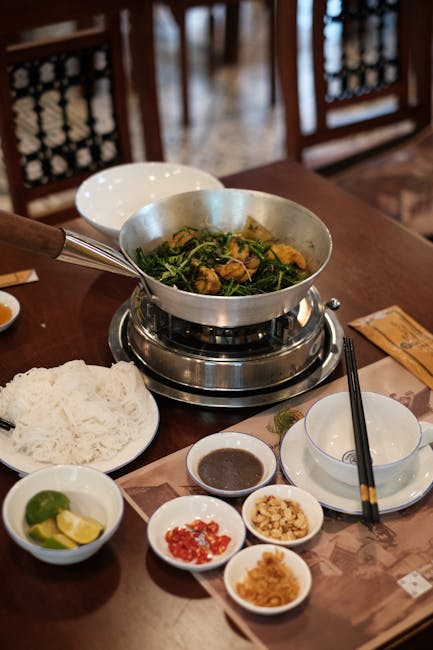
When it comes to cooking, the pots and pans you choose can make a big difference—not just in how your meals taste, but in your health too. You might not realize it, but some cookware can release harmful chemicals or metals into your food.
So, how do you know which ones are truly safe for you and your family? You’ll discover the safest types of pots and pans, what to avoid, and how to pick the best options for your kitchen. Keep reading, because the right cookware could change the way you cook—and protect your well-being every time you step into the kitchen.
Common Cookware Materials
Choosing the right pots and pans is important for safe cooking. Different materials offer various benefits and risks. Knowing these can help you pick cookware that fits your needs.
Here are the most common cookware materials and their safety features.
Stainless Steel
Stainless steel is a durable and safe choice. It does not react with food or release harmful chemicals. It heats evenly and resists rust and stains.
Cast Iron
Cast iron holds heat well and lasts for years. It can add small amounts of iron to your food, which may benefit some people. It needs seasoning to keep food from sticking.
Nonstick
Nonstick pans make cooking and cleaning easy. Most use a coating called PTFE, which is safe if used at low to medium heat. Avoid overheating nonstick pans to keep them safe.
- Do not use metal utensils on nonstick surfaces
- Clean gently with soft sponges
- Replace pans if coating starts to peel
Ceramic
Ceramic cookware is free from chemicals like PTFE and PFOA. It offers a natural nonstick surface. Ceramic pans heat evenly but can chip if dropped.
Copper
Copper heats quickly and precisely. It can react with acidic foods, so it is often lined with stainless steel. Proper care keeps copper safe and shiny.
| Material | Safety Notes | Care Tips |
| Stainless Steel | Non-reactive and durable | Wash with warm soapy water |
| Cast Iron | Adds iron, needs seasoning | Dry fully to prevent rust |
| Nonstick | Safe below high heat | Use soft utensils and clean gently |
| Ceramic | Chemical free, can chip | Handle carefully to avoid cracks |
| Copper | Reacts with acid, often lined | Polish regularly to maintain shine |

Credit: nypost.com
Health Risks Of Cookware
Choosing the right pots and pans matters for your health. Some cookware can release harmful substances into food.
Understanding these risks helps you pick safer options for cooking every day.
Chemical Leaching
Certain materials in cookware can leak chemicals into food, especially at high heat. This may cause health problems over time.
- Aluminum pans may leach aluminum, linked to brain issues.
- Copper cookware can release copper, which harms the liver in excess.
- Enamel coatings can chip and mix chemicals with food.
Heavy Metal Exposure
Cookware made from low-quality metals can expose you to heavy metals. These metals build up in the body and cause damage.
| Metal Type | Possible Health Effect |
| Lead | Brain damage and developmental issues |
| Cadmium | Kidney damage and bone loss |
| Nickel | Allergic reactions and skin problems |
Nonstick Coating Concerns
Nonstick pans often use coatings that can break down and release toxic fumes when overheated.
- Heating nonstick pans above 500°F can release harmful chemicals.
- Some coatings contain perfluorooctanoic acid (PFOA), linked to cancer.
- Scratched coatings may mix chemicals with food.
Safe Cookware Choices
Choosing safe pots and pans helps keep your food healthy. Some materials can release harmful chemicals when heated.
Knowing which cookware is safe protects your family and improves cooking results.
Best Materials For Health
Cookware made from certain materials is safer for health. These materials do not react with food or release toxins.
Common safe materials include stainless steel, cast iron, and glass. They last long and keep food pure.
- Stainless steel: strong and non-reactive
- Cast iron: adds iron to food and lasts forever
- Glass: does not leach chemicals and is easy to clean
- Ceramic: natural and non-toxic surface
Avoiding Harmful Coatings
Many pots and pans have non-stick coatings. Some coatings can release harmful fumes or chemicals.
Choose cookware without PFOA or PTFE coatings. These chemicals may cause health risks over time.
- Avoid scratched or damaged non-stick pans
- Look for ceramic or enamel coatings instead
- Use stainless steel or cast iron as safer alternatives
Choosing Organic And Natural Options
Organic and natural cookware options use less processing and fewer chemicals. They suit health-conscious cooks.
Items like clay pots or natural ceramic are good choices. They cook food evenly and do not add toxins.
- Clay pots: natural and heat evenly
- Uncoated ceramic: safe and chemical-free
- Wooden and bamboo utensils: natural and gentle on cookware

Credit: www.360cookware.com
Maintenance Tips For Safety
Using safe pots and pans starts with proper care. Keeping them in good shape helps prevent health risks and accidents.
Follow simple maintenance tips to make sure your cookware lasts and stays safe to use.
Proper Cleaning Techniques
Clean your pots and pans carefully to avoid damage. Use warm water and mild dish soap for best results.
Avoid harsh chemicals and abrasive scrubbers that can ruin non-stick coatings or metal surfaces.
- Let cookware cool before washing to prevent warping
- Use soft sponges or cloths for cleaning
- For stuck food, soak in warm soapy water before scrubbing
- Dry pots and pans immediately to avoid rust or stains
Avoiding Scratches And Damage
Scratches can make pots and pans unsafe, especially if they have non-stick coatings. Be gentle when using and storing them.
Use wooden, silicone, or plastic utensils to protect the surface. Avoid metal tools that can cause scratches.
- Do not stack pots and pans without protection
- Place soft cloths or paper towels between stacked cookware
- Handle cookware carefully to avoid dents and chips
- Do not use cookware on high heat unless it is designed for it
When To Replace Pots And Pans
Replace pots and pans if they show signs of wear that can affect safety. Old or damaged cookware may release harmful substances.
Look for cracks, peeling coatings, or warped bases. These can make cooking unsafe or uneven.
- Replace non-stick pans if coating peels or scratches deeply
- Discard cookware with cracks or chips in the surface
- Replace warped pans that do not sit flat on the stove
- Check handles and lids for looseness or damage and replace if needed
Eco-friendly And Sustainable Options
Choosing the safest pots and pans means thinking about the planet. Eco-friendly cookware helps reduce waste and pollution. It also supports a healthier kitchen and environment.
Many options use materials that can be recycled or last a long time. Some brands focus on health and eco-friendly practices. This guide explains these choices.
Recyclable Materials
Cookware made from recyclable materials helps lower landfill waste. Common recyclable materials include stainless steel, cast iron, and aluminum. These metals can be melted down and reused.
- Stainless steel is durable and easy to recycle.
- Cast iron lasts for decades and can be recycled.
- Aluminum pans are lightweight and recyclable.
- Glass lids and ceramic coatings are eco-friendly choices.
Long-lasting Cookware
Cookware that lasts a long time reduces waste from frequent replacements. Durable pots and pans save money and resources. Materials like cast iron and high-quality stainless steel offer strong resistance to wear.
| Material | Average Lifespan | Eco Benefit |
| Cast Iron | 30+ years | Reusable, recyclable, minimal coating chemicals |
| Stainless Steel | 15-20 years | Recyclable, strong, non-toxic |
| Ceramic | 5-10 years | Non-toxic, no heavy metals |
| Aluminum | 10-15 years | Recyclable, lightweight |
Brands Focused On Health And Environment
Some brands make cookware with health and environment in mind. They avoid harmful chemicals like PFOA and PTFE. These companies use safe coatings and sustainable materials.
- Use natural or ceramic non-stick coatings.
- Source recycled metals for production.
- Ensure products are free from toxic substances.
- Commit to eco-friendly manufacturing processes.
Cooking Tips To Maximize Safety
Choosing safe pots and pans helps keep cooking safe and healthy. Use the right tools to avoid accidents and food problems.
Learn simple tips to control heat, handle utensils well, and prevent pots and pans from overheating.
Temperature Control
Keep the heat at a steady level to cook food safely. High heat can damage cookware and release harmful chemicals.
- Use medium or low heat for non-stick pans
- Preheat cookware slowly to avoid warping
- Check the manufacturer’s heat guidelines
- Adjust heat according to the food type
Using Utensils Safely
Use the right utensils to protect your pots and pans and avoid injuries. Avoid metal tools on non-stick surfaces.
| Utensil Type | Safe for | Notes |
| Wooden | All cookware | Gentle and heat resistant |
| Silicone | Non-stick, ceramic | Flexible and non-scratching |
| Metal | Stainless steel, cast iron | Can scratch non-stick surfaces |
Avoiding Overheating
Overheating can harm your cookware and cause dangerous fumes. Watch the heat to keep cooking safe.
- Never leave empty pans on a hot burner
- Turn off heat if you smell smoke
- Use cookware with heat indicators if possible
- Clean pans regularly to avoid burnt residue

Credit: www.rd.com
Frequently Asked Questions
What Materials Are Safest For Cookware?
Stainless steel, cast iron, and ceramic are among the safest materials. Stainless steel is non-reactive and durable. Cast iron provides excellent heat retention. Ceramic is free from harmful chemicals. Choose high-quality brands to ensure safety and performance. Avoid non-stick pans with PFOA or PFAS coatings for healthier cooking.
Is Cast Iron Cookware Safe To Use?
Yes, cast iron cookware is safe and durable. It can last a lifetime with proper care. It provides excellent heat retention and even cooking. Season your cast iron regularly to prevent rust and maintain its non-stick surface. It’s ideal for a wide range of cooking methods.
Are Non-stick Pans Safe For Cooking?
Non-stick pans can be safe if used correctly. Choose pans free from PFOA and PFAS. Avoid overheating to prevent releasing harmful fumes. Use non-metal utensils to avoid scratching the surface. Follow the manufacturer’s instructions for the best results and longer-lasting cookware.
How Does Stainless Steel Cookware Ensure Safety?
Stainless steel is non-reactive, preventing chemical leaching into food. It’s durable and resistant to rust and corrosion. Ideal for various cooking methods, it distributes heat evenly. Choose high-quality stainless steel with an aluminum or copper core for improved performance. It’s dishwasher-safe, making cleaning easy.
Conclusion
Choosing safe pots and pans helps protect your health and improve cooking. Materials like stainless steel, cast iron, and ceramic offer good safety and durability. Avoid cookware with harmful coatings or metals that can leach into food. Clean and care for your cookware properly to keep it safe longer.
Safe pots and pans make cooking easier and meals healthier. Remember, small choices in the kitchen matter a lot. Stay informed and cook with confidence every day.