Choosing the right rod can make all the difference when you’re out bass fishing. You want a rod that feels just right in your hands, helps you cast farther, and gives you the power to reel in that big catch.
But with so many options available, how do you know which type of rod is best for your fishing style? You’ll discover exactly what to look for to improve your bass fishing experience. Keep reading to find out how the right rod can turn your next fishing trip into a success story.

Credit: www.maguro-pro-shop.com
Bass Fishing Rod Types
Bass fishing requires the right rod for the best experience. Different rods suit different fishing styles and conditions.
Choosing the correct rod helps you cast better and catch more bass. Let’s explore common bass fishing rod types.
Spinning Rods
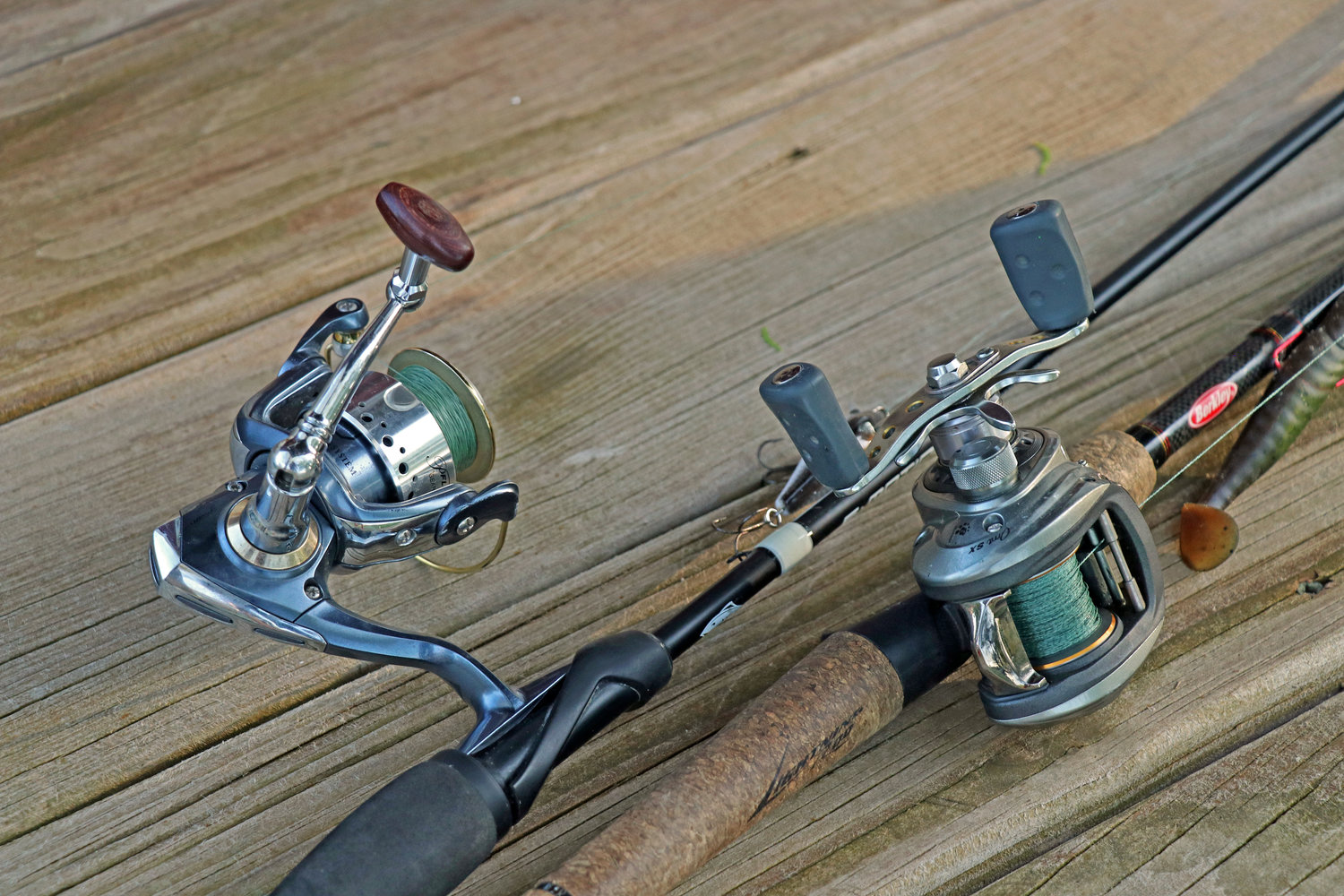
Spinning rods are popular for beginners and experts. They are easy to use and work well with light lures.
- Good for casting small baits and soft plastics
- Lightweight and flexible
- Best for finesse fishing techniques
- Works well in clear water and calm conditions
Baitcasting Rods
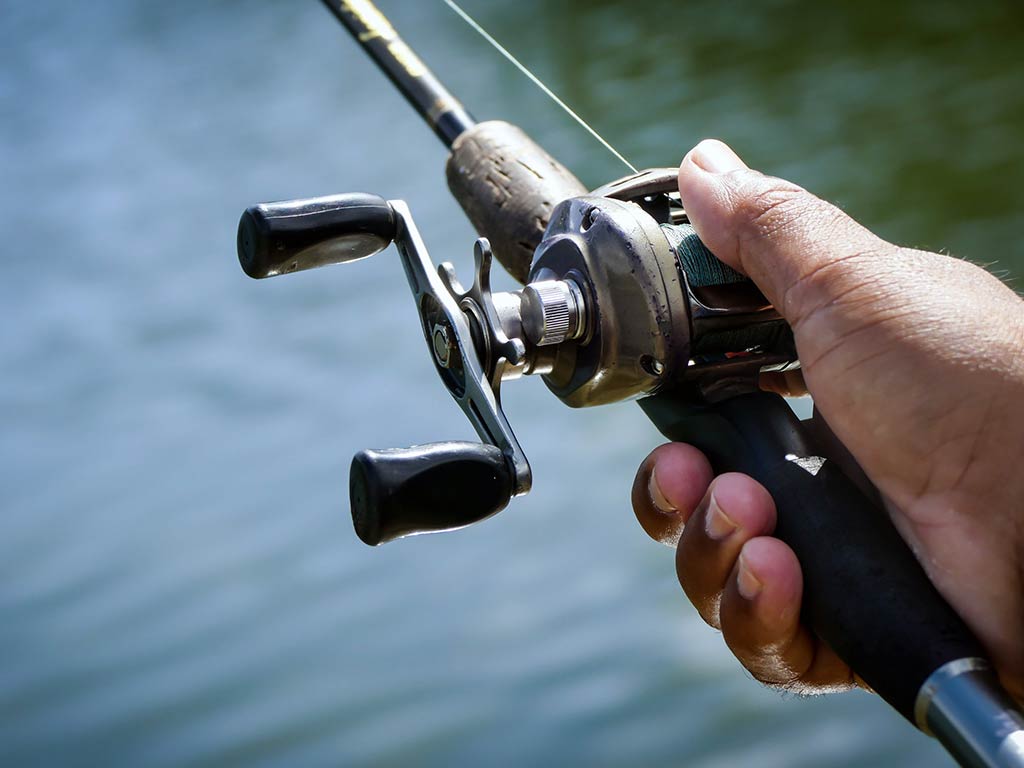
Baitcasting rods offer more control and power. They help you cast heavier lures and fish in thicker cover.
| Feature | Benefit |
| Heavier line capacity | Handles strong fish and thick weeds |
| Better casting accuracy | Targets specific spots |
| Strong backbone | Good for fighting big bass |
Fly Fishing Rods
Fly fishing rods are less common for bass but can be fun. They use lightweight flies instead of lures.
- Long and flexible rods
- Require special casting techniques
- Best for shallow waters and streams
- Good for targeting spooky bass
Ice Fishing Rods
Ice fishing rods are short and sturdy. They are made for fishing through holes in the ice.
| Rod Type | Length | Use |
|---|---|---|
| Ice Fishing Rod | 18-36 inches | Fishing through ice holes |
| Spinning Rod | 6-7 feet | General bass fishing |
| Baitcasting Rod | 6-8 feet | Heavy cover and big bass |
| Fly Fishing Rod | 7-9 feet | Light fly lures and streams |
Rod Power And Action
Choosing the right rod power and action is key for bass fishing success. These factors affect how you cast and fight fish.
Understanding power and action helps you pick a rod that fits your fishing style and the bass size you target.
Light Vs Medium Power
Light power rods are flexible and good for small bass. Medium power rods handle bigger fish and more types of lures.
- Light power rods work well with small baits and finesse techniques.
- Medium power rods offer more strength for heavier lures and stronger fish.
- Choose light power for clear water or pressured fish.
- Medium power is better in thick cover and for bigger bass.
Heavy Power Options
Heavy power rods are strong and stiff. They help catch big bass and work in dense cover or rough conditions.
| Heavy Power Rod Uses | Details |
| Big Bass Fishing | Handles large fish with strong fights |
| Heavy Lures | Supports heavy jigs and big crankbaits |
| Thick Cover | Penetrates weeds and brush easily |
| Long Casting | Allows far and accurate casts |
Fast Vs Slow Action
Rod action means how fast the rod bends and recovers. Fast action bends near the tip. Slow action bends along the whole rod.
- Fast action rods give quick hook sets and better control.
- Slow action rods provide more bend and smooth fights.
- Use fast action for single hooks and strong hooks.
- Slow action suits treble hooks and smaller, gentle bites.
Rod Length Considerations
Choosing the right rod length is important for bass fishing. It affects your casting distance and control.
This guide covers the benefits of short and long rods. It also helps you pick the best length for your fishing style.
Short Rod Benefits
Short rods usually measure between 5 to 6 feet. They offer better control and are easier to handle in tight spaces.
- Easy to cast in small areas like rivers or ponds
- Better for precise lure placement
- Lighter and less tiring to use
- Good for fighting bass in heavy cover
Long Rod Advantages
Long rods range from 7 to 8 feet. They help you cast farther and cover more water quickly.
| Advantage | Details |
| Longer Casting | Reach distant spots with ease |
| Better Leverage | Control bigger fish more effectively |
| Improved Hook Setting | Stronger hook sets at longer distances |
| Less Fatigue | Cast longer without tiring quickly |
Choosing Length By Fishing Style
Your fishing style should guide your rod length choice. Different techniques work better with certain rod sizes.
- Bank Fishing:Short rods help with accuracy near rocks or trees.
- Boat Fishing:Medium to long rods allow longer casts in open water.
- Topwater Fishing:Medium rods give a good balance of control and distance.
- Flipping and Pitching:Short rods offer quick, precise movements in heavy cover.

Credit: anglingsports.ca
Material And Build Quality
Choosing the right rod for bass fishing depends on its material and build quality. These factors affect strength, flexibility, and sensitivity.
Understanding different materials helps anglers pick rods that match their fishing style and environment.
Graphite Vs Fiberglass
Graphite rods are light and sensitive. They let you feel small bites easily. Fiberglass rods are heavier but very strong. They bend more without breaking.
- Graphite rods offer high sensitivity and fast action.
- Fiberglass rods provide durability and slow action.
- Graphite is better for clear water and light lures.
- Fiberglass suits rough conditions and heavy cover.
Composite Rods
Composite rods combine graphite and fiberglass. They balance sensitivity and strength. These rods suit many bass fishing styles.
| Material | Weight | Sensitivity | Durability |
| Graphite | Light | High | Medium |
| Fiberglass | Heavy | Low | High |
| Composite | Medium | Medium | Medium |
Handle Materials
Handle materials affect comfort and grip. Common types include cork, EVA foam, and rubber. Each has pros and cons for bass fishing.
- Cork:Lightweight and comfortable, but can wear over time.
- EVA Foam:Durable and easy to clean, provides good grip when wet.
- Rubber:Offers strong grip, but adds extra weight.
Matching Rods With Lures
Choosing the right rod for bass fishing is important. It helps you match your rod with the lures you use.
Different lures need different rods. This helps in catching bass more effectively.
Soft Plastics
Soft plastics are flexible and lightweight. They work well with medium to light rods.
A sensitive rod helps you feel bites better. This improves your chances of a good catch.
- Use spinning rods for small soft plastics
- Medium power rods for larger soft plastics
Crankbaits And Spinnerbaits
Crankbaits and spinnerbaits are heavier. They need rods with more power.
Medium to heavy rods are best. They offer the strength needed to handle these lures.
- Medium-heavy rods for crankbaits
- Fast action rods for spinnerbaits
Topwater Lures
Topwater lures need a special touch. They work well with medium power rods.
These rods help you control the lure on the water’s surface. It improves your chances of attracting bass.
- Medium power rods for better lure control
- Fast action rods for quick hook sets
Credit: www.texaskayakfisher.com
Best Rods For Different Bass Species
Choosing the right rod is key for bass fishing success. Different bass species need different rods.
This guide covers the best rods for largemouth, smallmouth, and spotted bass. Learn what works best for each.
Largemouth Bass
Largemouth bass are bigger and stronger. Use a rod with good power and length to handle them.
- Medium-heavy power for strong hook sets
- 7 to 7.5 feet long for casting distance
- Fast action for quick lure response
- Good sensitivity to feel bites
Smallmouth Bass
Smallmouth bass fight hard but are smaller. Use a lighter rod for better control.
| Rod Feature | Recommended |
| Power | Medium to medium-light |
| Length | 6.5 to 7 feet |
| Action | Fast to moderate |
| Rod Type | Spinning or baitcasting |
Spotted Bass
Spotted bass are similar to largemouth but prefer rocky areas. Choose a versatile rod for different conditions.
- Medium to medium-heavy power
- 7 to 7.5 feet length
- Fast action for quick strikes
- Durable for rocky cover
Tips For Maintaining Bass Fishing Rods
Taking care of your bass fishing rod helps it last longer. A well-maintained rod performs better on every trip.
Simple daily care can stop damage and keep your rod in top shape. Here are some tips to help you maintain your rod.
Cleaning And Storage
Cleaning your rod after fishing removes dirt and salt that cause damage. Use fresh water and a soft cloth to wipe it down.
Store your rod in a dry place away from direct sunlight. Keep it in a rod holder or case to avoid bending or breaking.
- Rinse rod with fresh water after use
- Dry rod completely before storage
- Store rod vertically or in a protective case
- Avoid places with high heat or moisture
Inspecting Guides And Tips
Check the rod guides and tip for cracks or bends before every fishing trip. Damaged guides can cut your fishing line.
Look for loose wraps or worn areas around the guides. Early inspection helps you fix small problems fast.
- Run your finger along the guides to feel for damage
- Look for cracked or missing guide rings
- Check the rod tip for bends or breaks
- Inspect thread wraps for looseness or wear
Repairing Common Issues
Small repairs can keep your rod working well. Fix loose guides with thread and glue. Replace cracked tips with a rod tip repair kit.
Use fine sandpaper to smooth rough spots on guides. This stops your line from snagging or breaking.
- Tighten loose guides with rod wrapping thread and epoxy
- Replace broken rod tips with a tip repair sleeve
- Smooth rough guide edges with fine sandpaper
- Use rod repair kits for serious damage
Frequently Asked Questions
What Is The Best Rod Length For Bass Fishing?
A 6. 5 to 7-foot rod is ideal for bass fishing. It offers a good balance of casting distance and control. This length helps anglers reach bass in various water conditions effectively.
Should I Use A Spinning Or Baitcasting Rod?
Baitcasting rods are preferred for bass fishing due to precision and power. Spinning rods are easier for beginners and work well with lighter lures. Choose based on your skill level and fishing style.
What Rod Power Is Suitable For Bass Fishing?
Medium to medium-heavy power rods are best for bass fishing. They provide enough strength to handle bass without sacrificing sensitivity. This power range suits most bass fishing techniques and lure weights.
What Action Type Works Best For Bass Fishing Rods?
Fast action rods are ideal as they offer quick hook sets and good sensitivity. They allow better control over lure movement, which helps attract bass effectively. Medium action rods are also useful for finesse presentations.
Conclusion
Choosing the right rod helps catch more bass and enjoy fishing. A medium-action rod works well for many situations. Light rods offer sensitivity but less power. Heavy rods give strength but can tire your arm. Think about the water, bass size, and your style.
A balanced rod makes casting easier and improves control. Test different rods to find your best fit. Enjoy the calm, the challenge, and the thrill of bass fishing. A good rod makes every trip better.