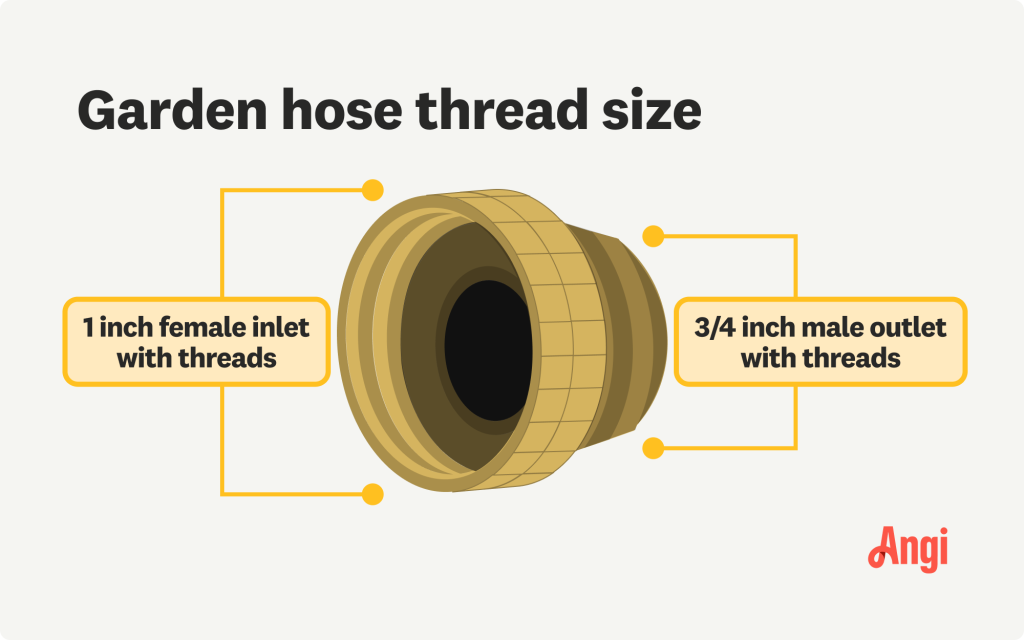
Have you ever struggled to connect your garden hose to a faucet or sprinkler, only to find the threads just don’t match? Understanding the type of threads on a garden hose can save you time, frustration, and even money.
Knowing this simple detail ensures your watering setup is secure and leak-free. Keep reading, and you’ll learn exactly what kind of threads your garden hose has and how to choose the right fittings every time. This knowledge will make your gardening tasks smoother and more enjoyable.
Common Garden Hose Thread Types
Garden hoses connect to faucets and sprinklers using threaded fittings. These threads come in several common types. Knowing these types helps you find the right hose or adapter.
Thread types vary by region and application. Some threads fit standard garden hoses, while others are used in industrial or international settings.
Garden Hose Thread (ght)
Garden Hose Thread (GHT) is the most common thread type in the United States. It is used for most garden hoses and outdoor water connections.
The GHT has a 3/4 inch diameter and 11.5 threads per inch. It features a straight thread design with a rubber washer to seal the connection.
- 3/4 inch diameter
- 11.5 threads per inch
- Straight threads with a sealing washer
- Used mainly in US residential garden hoses
National Hose (nh) Thread
National Hose (NH) thread is a large, heavy-duty thread used in fire hoses and industrial water lines. It is not common for home garden hoses.
NH threads are 1.5 inch or larger in diameter. They have a straight thread form and use a gasket for sealing. These threads are strong and made for high pressure.
- Diameter ranges from 1.5 inches and above
- Straight threads with gasket seal
- Used in fire hoses and industrial hoses
- Not typical for garden hoses
British Standard Pipe (bsp) Thread
British Standard Pipe (BSP) thread is common in the UK and many other countries. It is often used for garden hoses outside the US.
BSP threads come in two types: parallel (BSPP) and tapered (BSPT). The most common garden hose size is 3/4 inch BSP. BSP threads seal by tightening the thread itself or with an additional washer.
- Available as parallel (BSPP) or tapered (BSPT)
- Common size is 3/4 inch diameter
- Used widely outside the US
- Seals by thread fit or washer
Metric Thread Variants
Metric thread variants are common in Europe and Asia. These threads use metric measurements for diameter and pitch.
Metric threads can have different pitches and diameters. They may not fit US or British hose fittings without an adapter.
- Measured in millimeters (diameter and pitch)
- Common sizes include M22x1.5 and M24x1.5
- Often used in European garden hoses
- Adapters may be needed for compatibility
Credit: ussolid.com
Thread Size And Pitch
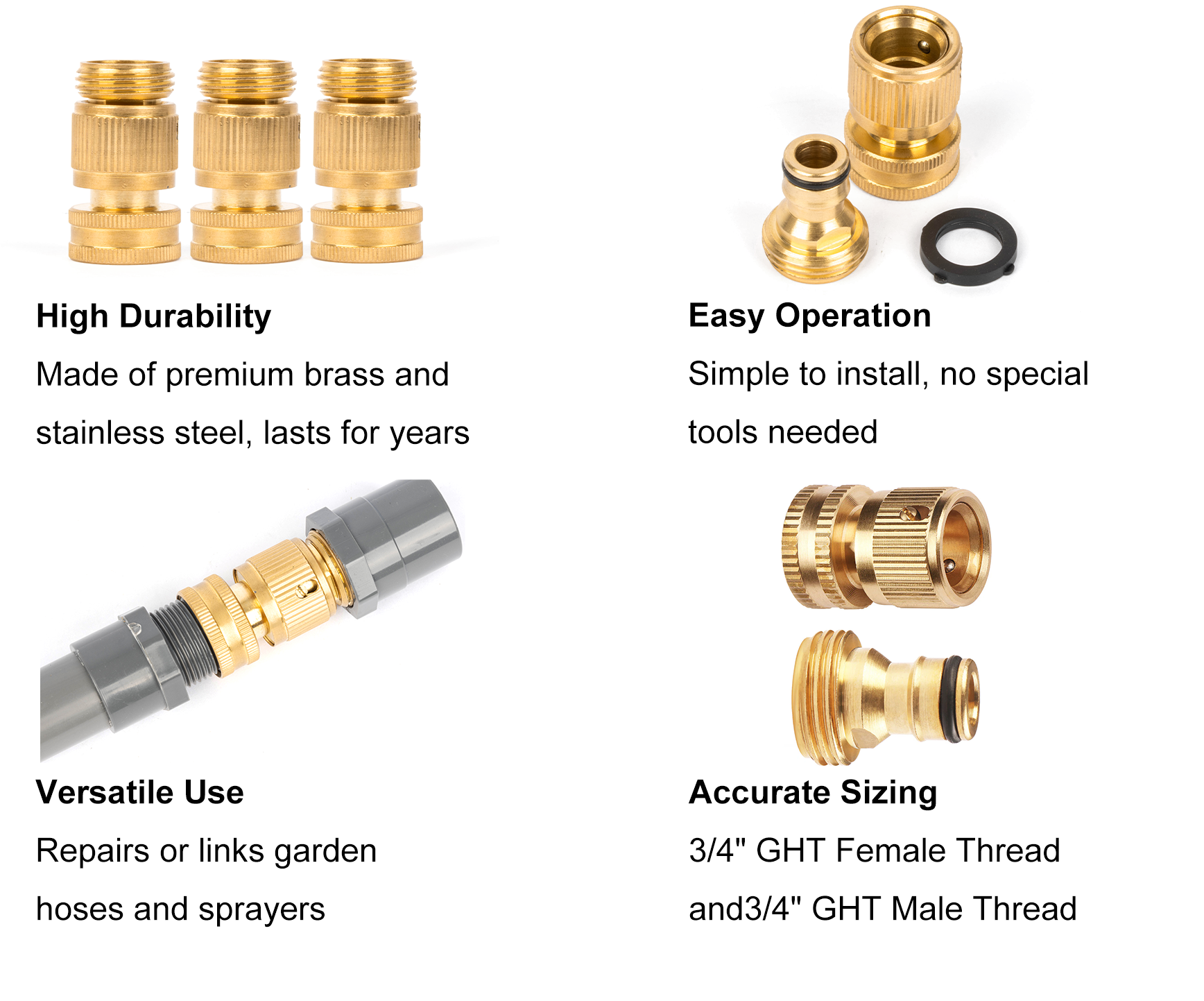
Garden hoses use threaded ends to connect to faucets and accessories. The thread size and pitch are important for a proper fit.
Understanding these terms helps you choose the right hose and avoid leaks or damage.
Standard Diameter Measurements
The most common garden hose thread size is 3/4 inch in diameter. This size fits most outdoor faucets and hose connectors.
Other sizes like 1/2 inch or 5/8 inch exist but are less common for threads.
- 3/4 inch (19.05 mm) is standard for garden hoses
- 1/2 inch and 5/8 inch diameters are usually hose inner sizes, not thread sizes
- Thread diameter refers to the outer size of the threaded part
Thread Pitch Differences
Thread pitch means the distance between threads on the hose end. It affects how tightly the hose connects.
Garden hoses usually have a thread pitch of 11.5 threads per inch (TPI). This is called GHT or Garden Hose Thread.
- 11.5 TPI is standard for garden hose threads
- Other threads like NPT have different pitches and are not compatible
- Thread pitch ensures a secure and leak-free connection
How Size Affects Compatibility
Matching thread size and pitch is key to hose compatibility. Using the wrong size causes leaks or damage.
Always check the thread diameter and pitch before buying connectors or accessories.
- Correct size ensures tight and leak-proof connections
- Wrong size may not fit or can damage threads
- Standard GHT threads work with most garden hoses and faucets
Thread Material And Coating
Garden hoses come with different types of threads. These threads are crucial for connecting hoses to faucets and other equipment. The material and coating of these threads affect their durability and performance.
Understanding the materials used in garden hose threads helps in choosing the right hose for your needs. Let’s explore some common thread materials and coatings.
Brass Threads
Brass threads are known for their strength. They resist damage from physical impacts and extreme temperatures. Brass is a common choice for garden hose fittings.
- Durable and long-lasting
- Resistant to rust
- Handles high water pressure
Plastic Threads
Plastic threads are lightweight and affordable. They are suitable for light-duty garden hoses. While not as durable as brass, they are corrosion-resistant.
| Material | Durability | Weight |
| Brass | High | Heavy |
| Plastic | Medium | Light |
Corrosion Resistant Coatings
Some threads have special coatings to prevent corrosion. These coatings extend the life of the hose. They are ideal for areas with high humidity.

Credit: firehosedirect.com
Identifying Your Hose Thread
Garden hoses come with different types of threads. Knowing your hose thread helps you find the right connectors and fittings. This guide shows simple ways to identify the thread on your garden hose.
You can check the thread by looking closely, using special tools, or measuring the thread size. Each method gives you clues about your hose thread type.
Visual Inspection Tips
Look at the hose end carefully. Check if the threads are coarse or fine. Also, note if the threads are on the inside or outside of the hose fitting.
- External threads usually mean a male hose thread.
- Internal threads usually mean a female hose thread.
- Coarse threads are often garden hose threads (GHT).
- Fine threads might be other types like NPT or BSP.
Using Thread Gauges
Thread gauges help measure the pitch and size of threads. Use a thread gauge tool to match your hose thread with standard patterns.
- Place the gauge on the threads.
- Find the gauge that fits perfectly between the threads.
- Note the pitch number from the gauge.
- Compare this pitch to common hose thread types.
Measuring Diameter And Pitch
Use a ruler or caliper to measure the outside diameter of the hose fitting. Then count the number of threads per inch (TPI) to find the pitch.
| Measurement | How to Measure | Common Size |
| Diameter | Measure across the threads | Usually 3/4 inch for garden hoses |
| Pitch | Count threads per inch | Typically 11.5 TPI for GHT |
Matching Threads For Accessories
Garden hoses use specific thread types to connect accessories. Matching these threads is key for proper fit.
Using the right thread size helps avoid leaks and makes attaching parts easier.
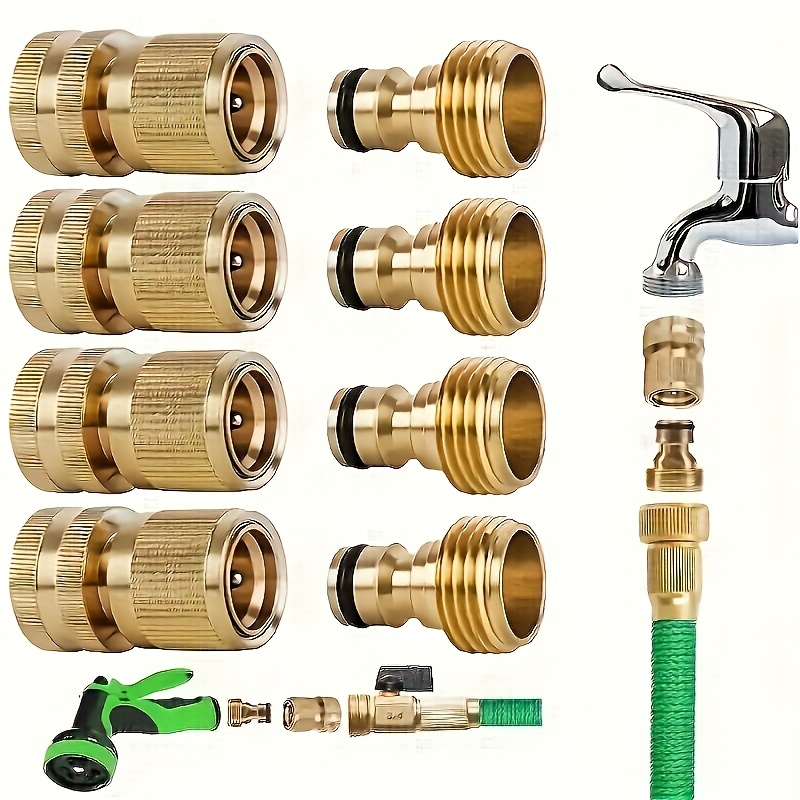
Fittings And Connectors
Garden hoses usually have either male or female threads. Most common thread sizes are 3/4 inch.
- GHT (Garden Hose Thread) is standard in the U.S.
- Thread types include BSP and NPT in some regions.
- Connectors must match the hose thread type to fit correctly.
Adapters And Converters
Adapters help connect hoses to different thread types. They convert male threads to female or vice versa.
| Adapter Type | From Thread | To Thread |
| GHT to NPT | Garden Hose Thread | National Pipe Thread |
| BSP to GHT | British Standard Pipe | Garden Hose Thread |
| Quick Connect | Standard Thread | Snap Fit |
Ensuring Leak-free Connections
Proper thread matching helps prevent leaks. Use thread tape or washers for a tight seal.
- Check threads for damage before connecting.
- Use rubber washers inside fittings.
- Wrap Teflon tape on male threads.
- Tighten fittings by hand then with a wrench if needed.
Credit: www.temu.com
International Thread Standards
Garden hoses use different thread types depending on the region. Knowing these thread standards helps when buying or connecting hoses worldwide.
This article explains the main differences between US and metric threads. It also covers global compatibility issues.
Differences Between Us And Metric Threads
US threads usually follow the National Hose (NH) or Garden Hose Thread (GHT) standards. Metric threads often follow ISO or British standards. The sizes and thread pitches differ between these systems.
| Thread Type | Thread Diameter | Thread Pitch | Common Regions |
| GHT (Garden Hose Thread) | 3/4 inch (19.05 mm) | 11.5 threads per inch | United States, Canada |
| BSP (British Standard Pipe) | 3/4 inch (20.955 mm) | 14 threads per inch (metric pitch 1.814 mm) | Europe, Asia, Australia |
| ISO Metric Thread | Varies (e.g., 20 mm) | Varies (e.g., 1.5 mm pitch) | Worldwide (metric countries) |
Global Compatibility Considerations
Mixing hose threads from different standards can cause leaks or poor fit. Adapters can fix this issue but may reduce water flow.
- Check thread size and pitch before buying connectors.
- Use proper adapters for US and metric thread connections.
- Do not force mismatched threads to avoid damage.
- Label hoses and fittings by their thread type for easy identification.
Troubleshooting Thread Issues
Garden hose threads can cause problems if they do not fit correctly. Thread issues may lead to leaks or difficulty connecting hoses.
Understanding common thread problems helps fix these issues quickly and keeps your garden hose working well.
Common Thread Problems
Thread problems often include cross-threading, worn threads, and mismatched thread types. Cross-threading happens when the hose end is forced at the wrong angle.
- Leaks caused by damaged or worn threads
- Difficulty screwing hoses together due to mismatched threads
- Stripped threads from over-tightening
- Cross-threading that damages threads and causes leaks
Repair And Replacement Tips
Fixing thread issues may require cleaning, repairing, or replacing parts. Using the right tools protects threads from damage.
| Problem | Repair Tip |
| Cross-threading | Remove hose and realign threads carefully before screwing |
| Worn threads | Use thread seal tape or replace the hose end |
| Leaking threads | Check washers and replace if damaged |
| Stripped threads | Replace the hose connector or fitting |
Frequently Asked Questions
What Are The Common Thread Types On Garden Hoses?
Garden hoses typically have two thread types: GHT (Garden Hose Thread) and NPT (National Pipe Thread). GHT is standard for garden hoses and fittings. NPT is used mainly for plumbing connections and is not always compatible with GHT threads.
How Can I Identify My Garden Hose Thread Type?
Check the thread size and shape. GHT threads are 3/4 inch diameter with 11. 5 threads per inch. NPT threads taper and have 14 threads per inch. Using a thread gauge or comparing with known fittings helps identify the type accurately.
Are Garden Hose Threads Standardized Worldwide?
No, garden hose threads vary by region. The US mainly uses GHT, while Europe often uses BSP (British Standard Pipe) threads. Always verify your hose’s thread type before buying connectors or accessories to ensure proper fit and avoid leaks.
Can I Use Adapters Between Different Garden Hose Threads?
Yes, adapters can connect different thread types like GHT to NPT or BSP. These adapters ensure compatibility between hoses and fittings, preventing leaks. Always select high-quality adapters designed for garden hose applications for best results.
Conclusion
Choosing the right thread for your garden hose matters. Different threads fit different hoses and connectors. Using the correct thread prevents leaks and saves water. It also makes your gardening tasks easier and faster. Remember, standard hose threads usually come in two types: male and female.
Knowing these helps you find the right parts. Check your hose before buying connectors or accessories. This small step can avoid frustration later. Clear understanding leads to better gardening experiences. Keep your garden hose working well by using the right threads.
Simple and smart choices make a big difference.