Have you ever wondered what makes a baseball bat strong, light, and perfect for hitting that home run? The type of wood used in a bat can change everything about how it feels and performs in your hands.
Whether you’re a player looking to choose the right bat or just curious about what goes into your favorite sport, understanding the wood behind the bat can give you a new appreciation for the game. Keep reading to discover which woods are used and why they matter to your swing.
Common Woods For Baseball Bats
Baseball bats come in different types of wood. Each wood offers unique features that affect the bat’s performance and feel.
We will look at some of the most common woods used for making baseball bats. This helps players choose the right bat for their style.
Ash
Ash wood is popular for baseball bats because it is light and flexible. It gives a good swing speed and a large sweet spot.
The grain of ash wood is visible, which helps players see the bat’s quality. Ash bats can absorb shock well, reducing hand sting.
Maple
Maple is a dense and hard wood. It offers more power and durability than ash. Maple bats are heavier but can hit the ball very hard.
| Feature | Ash | Maple |
| Weight | Light | Heavy |
| Durability | Medium | High |
| Shock Absorption | Good | Less |
| Grain Visibility | Visible | Less Visible |
Birch
Birch wood combines qualities of ash and maple. It is flexible but harder than ash. Birch bats have a smooth feel and good durability.
- Offers good pop and control
- More shock absorption than maple
- Less prone to splintering than ash
Other Woods
Other woods like hickory and bamboo are less common. Hickory is very strong but heavy. Bamboo bats are lightweight and eco-friendly.
Here is a quick look at other woods:
- Hickory:Very hard and durable, but heavy.
- Bamboo:Lightweight and flexible, made from compressed strips.
- Poplar:Less expensive, softer wood used in training bats.
Characteristics Of Ash Bats
Ash wood is a popular choice for baseball bats. It offers unique qualities that improve player performance.
Let’s explore the flexibility, grain, benefits, and durability of ash bats.
Flexibility And Grain
Ash bats are known for their flexibility. They have a unique grain structure that enhances performance.
- Flexible and less likely to break
- Grain lines are straight and easy to see
- Allows for a “whip” effect during a swing
Performance Benefits
The performance of ash bats is well-regarded among players. They provide a good balance of strength and control.
| Benefit | Description |
| Balance | Even weight distribution for controlled swings |
| Comfort | Absorbs shock, reducing hand sting |
| Speed | Lightweight nature aids in faster swings |
Durability
Durability is a key feature of ash bats. They withstand repeated use, making them a reliable choice.
Maple Bat Features
Maple is a popular wood choice for baseball bats. Many players like its unique qualities. It offers a different feel compared to other woods.
This wood is known for its strength and smooth surface. Maple bats have specific features that affect play and durability.
Density And Hardness
Maple wood is very dense. This makes it harder than many other woods used for bats.
The high density means the bat can withstand strong hits. Its hardness also helps the bat resist dents and scratches.
- Denser than ash or birch
- Hard surface resists damage
- Provides a solid feel when hitting
Power And Pop
Maple bats offer great power on contact. The wood stores energy and transfers it to the ball.
Many players say maple bats give more “pop” or a louder sound when hitting the ball. This can boost confidence at the plate.
- Strong energy transfer to the ball
- Louder sound on impact
- Helps drive the ball farther
Breakage Patterns
Maple bats tend to break differently than other woods. They often crack instead of splintering.
Cracks usually appear along the grain of the wood. This type of break can happen suddenly under pressure.
- Breaks often show a clean crack
- Less splintering than ash bats
- Cracks can reduce bat lifespan
Birch Bats Explained
Birch wood is a popular choice for baseball bats. It offers a mix of strength and flexibility. Players like birch bats for their unique feel.
Birch bats are lighter than maple but harder than ash. This makes them a good middle ground for many players.
Hybrid Qualities
Birch wood combines the best traits of ash and maple. It is flexible like ash but dense like maple. This gives birch bats a hybrid quality.
These qualities help birch bats absorb shock and still provide strong hits. The wood grain is tighter than ash, making it more durable.
Feel And Feedback
Birch bats offer a smooth feel with less vibration. Players get good feedback when they hit the ball. This helps them adjust their swings.
The wood’s flexibility means it bends slightly on impact. This reduces the sting in the hands. Many players find birch bats comfortable for long use.
Usage Among Players
Many professional and amateur players choose birch bats. They like the balance of weight and power. Birch bats are common in all baseball levels.
- Used by players who want a mix of strength and feel
- Popular for its durability and light weight
- Good option for players switching from ash or maple
Less Common Woods
Most baseball bats are made from maple or ash, but other woods are also used. These less common woods offer unique qualities for players.
Below, you will learn about three types of less common woods used for baseball bats: hickory, poplar, and exotic woods.
Hickory
Hickory is a strong and heavy wood. It was once popular for baseball bats because it can absorb impact well. But it is heavier than other woods, which makes it harder to swing fast.
Hickory bats are very durable and can last a long time. Players who want power often choose hickory, but it is less common today due to its weight.
Poplar
Poplar wood is lighter and softer than many other woods used for bats. It is easy to shape and less expensive. Poplar bats can be good for beginners and younger players.
- Light weight for faster swings
- Affordable compared to hardwoods
- Less durable and can break more easily
Exotic Woods
Some bats are made from exotic woods. These woods come from different parts of the world. They often have unique colors and grain patterns.
| Wood Type | Origin | Key Features |
|---|---|---|
| Birch | North America | Strong and flexible |
| Beech | Europe | Hard and dense |
| Mesquite | Southwest US | Very hard and heavy |

Credit: sambat.com
Wood Selection Factors
Choosing the right wood for a baseball bat depends on several important factors. These factors affect how the bat performs and feels during play.
Understanding these factors helps players pick a bat that fits their style and needs.
Weight And Balance
The weight of a bat influences how fast a player can swing. Balance refers to how the weight is spread along the bat.
Some woods are heavier, making the bat feel different in hand. Players often choose wood based on how the bat’s weight feels.
- Heavier wood offers more power but slower swings
- Lighter wood allows faster swings but less power
- Balanced bats give control and speed
Grain Structure
Grain structure means how the wood fibers run through the bat. Straight grains make the bat stronger and less likely to break.
Wood with tight, straight grains is preferred for durability and performance. The grain also affects the bat’s feel when hitting the ball.
- Straight grains give better strength
- Tight grains improve durability
- Wide grains can cause weak spots
Personal Preference
Each player has unique tastes for the bat’s feel and look. Personal preference guides wood choice based on comfort and confidence.
Some players like the feel of maple, while others prefer ash or birch. Trying different woods helps find the best fit.
- Comfort in hand is very important
- Players may prefer lighter or heavier bats
- Appearance and finish can influence choice
Manufacturing Process
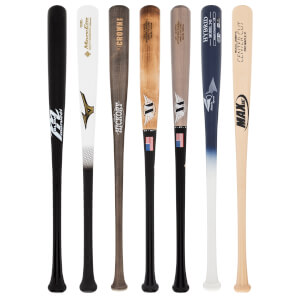
Baseball bats are made from specific types of wood that offer strength and durability. The manufacturing process shapes these woods into the final bat form.
This process includes preparing the wood, shaping and finishing the bat, and ensuring quality through tests and inspections.
Wood Preparation
Wood selection is important. Hardwoods like ash, maple, and birch are common. The wood is dried and cut into billets, which are the starting blocks for bats.
- Dry the wood to reduce moisture
- Cut billets to standard sizes
- Inspect for knots and defects
- Store billets in controlled conditions
Shaping And Finishing
The billets are turned on a lathe to create the bat shape. The handle, barrel, and taper are carefully formed. After shaping, the bat is sanded smooth.
| Process Step | Description |
| Turning | Shaping the bat on a lathe |
| Sanding | Removing rough edges and smoothing |
| Branding | Stamping logos or labels |
| Finishing | Applying protective coatings |
Quality Control
Every bat goes through tests to check weight, balance, and strength. Only bats that meet standards are approved for use.
- Visual inspection for cracks
- Measuring weight and length
- Testing wood density
- Confirming finish durability
Credit: www.justbats.com
Wood Vs. Composite Bats
Baseball bats come in two main types: wood and composite. Each type has unique features that affect how players perform and use them.
This article compares wood and composite bats in three key areas: performance, durability, and rules.
Performance Comparison
Wood bats offer a natural feel and good control. Composite bats are lighter and can hit the ball faster. The choice depends on what a player prefers in weight and power.
- Wood Bats:Heavier, more control, classic sound on contact.
- Composite Bats:Lighter, faster swing speed, less vibration.
Durability Differences
Wood bats can break or crack after hard hits. Composite bats are designed to last longer but need time to break in before full use.
| Type | Durability | Notes |
| Wood | Moderate | Can break on strong hits |
| Composite | High | Lasts longer but requires break-in |
Regulations And Usage
Wood bats are often required in professional leagues. Composite bats are popular in amateur leagues but may have restrictions on size and weight.
- Must meet specific speed limits (BPF rating).
- Weight-to-length ratio rules apply.
- Not allowed in major professional leagues.
Caring For Wooden Bats
Wooden baseball bats need proper care to last longer. Taking care of them helps keep their strength and performance.
Good care also prevents cracks and damage during use. This guide shows how to maintain wooden bats well.
Maintenance Tips
Check your wooden bat often for dents or cracks. Small cracks can get worse if not fixed early.
Use a clean cloth to wipe dirt or dust after each use. Avoid using water or harsh chemicals on the wood.
- Inspect the bat regularly for damage
- Wipe clean with a dry cloth after games
- Do not soak the bat in water
- Avoid hitting hard surfaces like concrete
Storage Advice
Store your wooden bat in a dry place away from direct sunlight. Humidity and heat can cause the wood to warp.
Keep bats off cold or damp floors. Use a bat rack or hang them vertically to keep their shape.
- Keep bats indoors at room temperature
- Use a bat rack or hang the bat upright
- Avoid storing near heaters or in garages
- Do not leave bats in cars for long times
Extending Bat Life
Rotate your bat when hitting to spread the impact evenly. This lowers the chance of cracks.
Apply a light coat of linseed oil or specialized bat oil now and then. This keeps the wood strong and smooth.
- Rotate the bat during use
- Apply bat oil lightly every few months
- Do not use heavy paint or stickers on the bat
- Avoid extreme temperatures during storage
Credit: baseball360.com
Frequently Asked Questions
What Wood Is Best For Professional Baseball Bats?
Maple is the preferred wood for professional bats due to its hardness and durability. It offers excellent performance and longevity compared to other woods. Maple bats provide a solid feel and powerful hits, making them popular among Major League Baseball players.
Why Is Ash Wood Popular For Baseball Bats?
Ash wood is lightweight and flexible, allowing better swing speed and control. Its grain structure absorbs shock well, reducing hand sting. Ash bats are durable and offer a balanced combination of strength and flexibility, making them a favorite choice for many players.
How Does Birch Wood Compare To Other Bat Woods?
Birch combines the hardness of maple and the flexibility of ash. It offers a smooth feel and less breakage risk than ash. Birch bats are gaining popularity for their balanced performance and durability, suitable for players seeking both power and control.
Are There Other Woods Used For Baseball Bats?
Yes, besides maple, ash, and birch, some bats use hickory and bamboo. Hickory is very hard but heavy, less common today. Bamboo is lightweight and eco-friendly but less traditional. Most players prefer maple, ash, or birch for optimal performance.
Conclusion
Choosing the right wood affects a bat’s strength and performance. Maple offers hardness and power for many players. Ash provides flexibility and a lighter feel. Birch combines the best of both woods. Each type suits different hitting styles and needs.
Knowing these woods helps players pick the best bat. The right wood can improve comfort and swing control. Think about your playing style before selecting a bat. Wood choice matters in baseball, on and off the field.