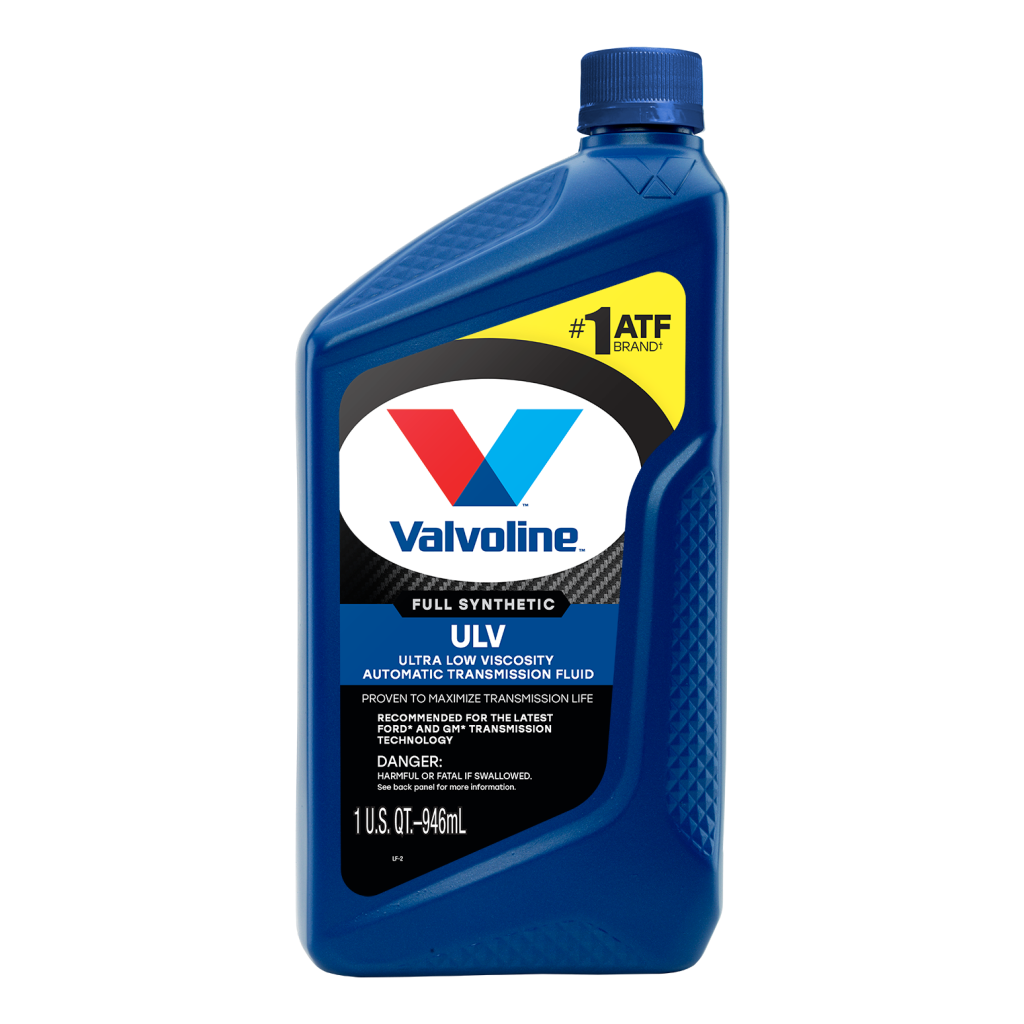
If you own a Ford F150, you know how important it is to keep your truck running smoothly. One key part of that is using the right transmission fluid.
But with so many options out there, how do you know which type is best for your Ford F150? Choosing the wrong fluid can lead to poor performance or even costly repairs. You’ll discover exactly what transmission fluid you need to protect your truck and keep it shifting perfectly every time.
Keep reading to make sure you’re giving your F150 the care it deserves.
Credit: www.carid.com
Ford F150 Transmission Basics
The Ford F150 uses a powerful transmission system to handle different driving needs. Understanding the basics helps in choosing the right transmission fluid. The transmission moves power from the engine to the wheels. It also changes gears to match speed and torque. Proper care of the transmission ensures smooth driving and long life.
Transmission Types In Ford F150
Ford F150 trucks come with several transmission types. Common ones include:
- Automatic Transmission – shifts gears on its own for ease.
- Manual Transmission – requires the driver to change gears.
- 10-Speed Automatic Transmission – advanced system for better fuel efficiency and performance.
Each transmission type needs specific fluid to work well. Using the wrong fluid can cause damage or poor shifting.
Importance Of Transmission Fluid
Transmission fluid lubricates moving parts inside the transmission. It prevents friction and wear on gears and clutches. The fluid also cools the system to stop overheating. Clean fluid keeps the transmission running smoothly. Old or dirty fluid can cause slipping or rough shifting. Regular fluid checks and changes help avoid costly repairs.

Credit: www.amazon.com
Recommended Transmission Fluids
Choosing the right transmission fluid for your Ford F150 is crucial. It ensures smooth shifting and protects the transmission from wear. Using recommended fluids helps maintain optimal performance and extends the vehicle’s lifespan.
Oem Fluid Specifications
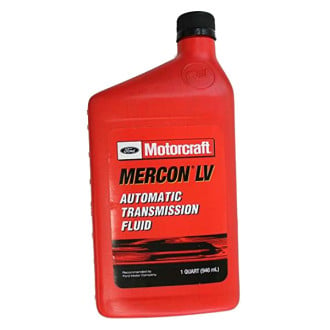
Ford specifies certain fluids designed for its transmissions. These fluids meet exact standards for viscosity and additives. Using OEM-approved fluid ensures compatibility and reliable operation. Always check the owner’s manual for the correct specification. Common Ford specifications include Mercon V and Mercon LV.
Fluid Types By Transmission Model
Different F150 models use different transmissions, requiring specific fluids. For example:
- 6R80 6-speed automatic: Mercon LV fluid
- 10R80 10-speed automatic: Mercon LV or equivalent synthetic
- Manual transmissions: Use specific gear oil recommended by Ford
Choosing the right fluid type prevents damage and keeps shifting smooth.
Synthetic Vs Conventional Fluids
Synthetic fluids offer better heat resistance and longer life. They protect transmission parts under high stress and temperature. Conventional fluids are less expensive but may require more frequent changes. Synthetic fluid often improves fuel efficiency and reduces wear. For most Ford F150 transmissions, synthetic fluids are the preferred choice for durability and performance.
How To Check Transmission Fluid
Checking the transmission fluid in your Ford F150 is essential for smooth shifting and long transmission life. Regular fluid checks help spot problems early. It also ensures the fluid is at the right level and in good condition. Follow these easy steps to check your transmission fluid properly.
Locating The Dipstick
Open the hood and find the transmission fluid dipstick. It usually has a bright handle, often red or yellow. The dipstick is near the back of the engine bay, close to the firewall. Some newer Ford F150 models may not have a dipstick. Consult your owner’s manual if unsure.
Checking Fluid Level And Condition
Start the engine and let it warm up. Keep the truck on a level surface. Pull out the dipstick and wipe it clean with a cloth. Reinsert it fully, then pull it out again. Look at the fluid level on the dipstick. It should be between the “Full” and “Add” marks.
Check the fluid color and smell. Healthy fluid is bright red and clear. Dark or burnt-smelling fluid signals a need for service.
When To Add Or Change Fluid
Add fluid if the level is below the “Add” mark. Use the type recommended for your Ford F150. Avoid overfilling, as it can cause damage. Change the fluid if it looks dark, smells bad, or if your vehicle has high mileage. Follow your owner’s manual for the change interval.
Changing Transmission Fluid
Changing the transmission fluid in a Ford F150 is essential for smooth gear shifts and long transmission life. Old fluid loses its ability to lubricate and cool the transmission. Fresh fluid helps prevent damage and keeps the truck running well.
Performing this task regularly saves money on costly repairs. It also improves vehicle performance and fuel efficiency. Follow the right steps and use proper tools for the best results.
Tools And Materials Needed
- Correct type of transmission fluid for Ford F150
- Drain pan to catch old fluid
- Socket wrench set
- Transmission filter (if applicable)
- New gasket or seal
- Funnel for pouring fluid
- Clean rags or paper towels
- Jack and jack stands or ramps
- Gloves and safety glasses
Step-by-step Fluid Change Process
- Park the truck on a flat surface and engage the parking brake.
- Lift the vehicle with a jack and support it safely with stands.
- Place the drain pan under the transmission fluid pan.
- Remove the bolts on the transmission pan carefully.
- Let the old fluid drain completely into the pan.
- Remove and replace the transmission filter if your model has one.
- Clean the transmission pan and remove old gasket material.
- Install a new gasket and reattach the transmission pan bolts.
- Lower the vehicle and add the correct amount of new fluid using a funnel.
- Start the engine and shift through all gears to circulate fluid.
- Check the fluid level and add more if needed.
Common Mistakes To Avoid
- Using the wrong transmission fluid type harms the system.
- Overfilling or underfilling the fluid affects transmission performance.
- Not replacing the filter can allow dirt to damage parts.
- Failing to clean the pan causes leaks and contamination.
- Not securing the vehicle properly risks injury and damage.
- Ignoring fluid changes shortens transmission life.
Signs Of Transmission Fluid Issues
Transmission fluid keeps your Ford F150 running smoothly. It lubricates, cools, and cleans the transmission parts. Noticing signs of fluid issues early can save costly repairs. Watch for these common symptoms that suggest transmission fluid problems.
Fluid Leaks
Transmission fluid leaks appear as red or brown puddles under the truck. Leaks reduce fluid levels, causing poor transmission performance. Check the ground after parking your Ford F150. Inspect transmission seals and gaskets for damage or wear.
Transmission Slipping
Slipping happens when gears change unexpectedly or hesitate. Low or dirty transmission fluid often causes slipping. You may feel the engine rev without smooth acceleration. This problem can worsen and harm the transmission quickly.
Unusual Noises
Grinding, whining, or clunking sounds signal transmission trouble. These noises often occur during gear changes or while driving. Dirty or low fluid leads to increased friction and noise. Address these sounds early to avoid severe damage.

Credit: www.ebay.com
Tips For Maintaining Transmission Health
Keeping your Ford F150’s transmission in top shape means more than just knowing the right fluid type. It requires consistent care and smart habits. Here are some practical tips to help you maintain your transmission’s health and avoid costly repairs.
Regular Fluid Checks
Check your transmission fluid regularly to spot problems early. Look at the fluid’s color and smell — healthy fluid is usually clear or pinkish and has a slightly sweet scent. Dark or burnt-smelling fluid can signal trouble.
Don’t wait for warning signs like slipping gears or rough shifts. Make it a habit to inspect fluid levels every few thousand miles, especially if you tow heavy loads or drive in tough conditions. Low or dirty fluid reduces your transmission’s efficiency and lifespan.
Using Quality Fluids
Your Ford F150 deserves the right transmission fluid to perform well. Always use fluids that meet Ford’s specifications, such as Mercon LV or Mercon SP, depending on your model year. Using the wrong fluid can cause shifting issues and damage internal parts.
Investing in quality fluid pays off in the long run. Cheap alternatives might save money initially but can lead to expensive repairs later. Have you ever ignored fluid recommendations only to face transmission trouble soon after?
Professional Servicing
Even if you do regular checks, professional transmission servicing is essential. Mechanics can perform detailed inspections, flush old fluid, and replace worn parts you might miss. This helps prevent small issues from turning into major failures.
Schedule transmission service based on your F150’s manual and driving habits. If you often haul heavy loads or drive in stop-and-go traffic, more frequent servicing is wise. How often do you let a pro look under your truck’s hood?
Frequently Asked Questions
What Transmission Fluid Does A Ford F150 Use?
The Ford F150 typically uses Mercon V or Mercon LV transmission fluid. It’s crucial to check your owner’s manual for specifics. Each model year may have different requirements. Using the correct type ensures optimal performance and longevity of your vehicle’s transmission system.
How Often Should I Change F150 Transmission Fluid?
Changing the transmission fluid every 30,000 to 60,000 miles is recommended. This interval ensures smooth operation and prevents wear. Check your owner’s manual for the exact schedule. Regular maintenance helps in enhancing the vehicle’s performance and prolonging the transmission’s life.
Can I Mix Different Transmission Fluids In My F150?
Mixing different transmission fluids is not recommended for your Ford F150. Doing so can lead to incompatibility issues and damage the transmission system. Always use the fluid type specified in your owner’s manual. This ensures your vehicle runs smoothly and efficiently.
What Are Symptoms Of Low Transmission Fluid In F150?
Symptoms of low transmission fluid include slipping gears, delayed shifting, and unusual noises. You might also notice overheating or a burning smell. Addressing these signs promptly can prevent further damage. Regularly checking the fluid level can avert potential transmission issues.
Conclusion
Choosing the right transmission fluid keeps your Ford F150 running smooth. Use the fluid type recommended by Ford for best results. Regular checks help avoid costly repairs later. Clean, fresh fluid protects gears and improves shifting. Pay attention to fluid color and level often.
Proper maintenance extends your truck’s life and saves money. Small efforts now prevent big problems down the road. Stay informed and care for your F150’s transmission well.