Are you curious about whether your air conditioner or heater is costing you more on your electricity bill? You’re not alone.
Many people wonder which appliance uses more energy and why. Understanding this can help you make smarter choices to save money and reduce your power consumption. You’ll discover the surprising facts behind how much electricity each device uses and learn simple tips to keep your home comfortable without breaking the bank.
Keep reading to find out which one really has a bigger impact on your energy bill.
Electricity Basics For Ac And Heaters
Air conditioners and heaters both use electricity to control indoor temperature. They work differently but need power to run.
Understanding how much electricity each uses helps you save energy and reduce bills.
How Air Conditioners Consume Power
Air conditioners use electricity mainly to run the compressor and fans. The compressor cools the air by moving heat outside.
The power needed depends on the AC size, temperature set, and outside heat. More heat means more electricity use.
Energy Use In Different Types Of Heaters
Electric heaters use electricity to create heat directly. Different heaters use different amounts of power based on design.
Common types include space heaters, baseboard heaters, and heat pumps, each with varying energy needs.
- Space heaters:Use resistive heating, often high power.
- Baseboard heaters:Heat rooms slowly, steady power use.
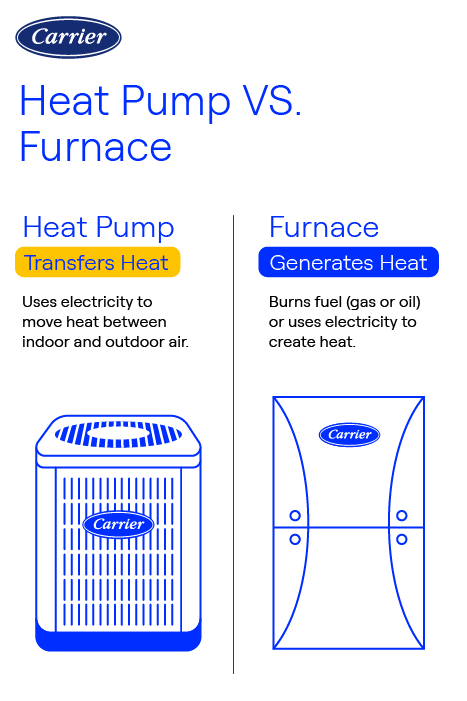
- Heat pumps:Use less electricity by moving heat instead of creating it.
Factors Affecting Electricity Consumption
Electricity use changes based on device efficiency, room size, and insulation quality. Settings also impact power needs.
- Thermostat setting: Lower AC or higher heater settings use more power.
- Usage time: Longer running time means more electricity.
- Device age: Older units often use more electricity.
- Room insulation: Poor insulation causes devices to work harder.

Credit: www.reddit.com
Comparing Power Consumption
Air conditioners and heaters use electricity to keep rooms comfortable. Knowing which one uses more power helps save energy and money.
This article compares how much electricity each device uses and what affects their power consumption.
Wattage Differences Between Ac And Heaters
Air conditioners and heaters have different wattage ratings. Wattage shows how much electricity a device uses each hour.
Heaters usually use more watts because they generate heat directly. Air conditioners cool by moving heat out, which can use less power.
| Device | Typical Wattage Range |
|---|---|
| Air Conditioner | 500 to 1500 watts |
| Electric Heater | 1000 to 2000 watts |
Energy Efficiency Ratings
Energy efficiency ratings show how well a device uses electricity. Higher ratings mean less energy waste.
Air conditioners often have energy-saving features. Heaters can be less efficient, especially older models.
- Look for Energy Star labels on both devices
- Modern AC units usually have better efficiency
- Heaters with thermostats save power by turning off when warm
Impact Of Usage Duration
How long you run an AC or heater affects total electricity use. Longer use means higher power consumption.
Heaters often run longer in cold weather. Air conditioners may cycle on and off more during mild heat.
- Short bursts of heating use less power than long sessions
- AC units with timers or smart controls reduce energy use
- Consistent temperature settings save electricity
Effect Of Climate And Environment
Electricity use by air conditioners and heaters depends on climate and environment. These factors affect how hard each system works.
Understanding these effects helps choose energy-saving settings and improve comfort indoors.
Temperature Settings And Energy Use
Setting temperatures closer to the outdoor climate saves electricity. Large differences between indoor and outdoor temperatures increase energy use.
- Lowering air conditioner temperature below 75°F raises energy use.
- Raising heater temperature above 70°F uses more power.
- Each degree change can increase energy use by 3-5%.
Indoor Vs Outdoor Influences
Indoor insulation and outdoor weather affect how much energy heating or cooling uses. Good insulation reduces electricity use.
| Factor | Effect on Energy Use |
| Poor insulation | Increases heating and cooling power needed |
| High outdoor humidity | Raises air conditioner electricity use |
| Windy conditions | Can increase heat loss and energy use |
| Shaded homes | Lower cooling energy use |
Seasonal Variations
Electricity use changes with seasons. Heating uses more power in winter. Cooling uses more in summer.
Seasonal energy use patterns:
- Winter: High heater electricity use due to low temperatures.
- Spring/Fall: Moderate energy use as temperatures are mild.
- Summer: High air conditioner use to cool hot air.
Cost Implications Of Running Ac Vs Heater
Many people wonder which uses more electricity: an air conditioner or a heater. Understanding this helps manage energy costs better.
This article breaks down the costs of running both devices to help you make smart energy choices.
Electricity Bills Breakdown
Air conditioners and heaters use different amounts of electricity. The cost depends on how long you run them and their power rating.
AC units often run for shorter times but use more power. Heaters may run longer but some use less energy per hour.
- ACs use more electricity in hot weather due to cooling needs
- Heaters use more electricity during cold months to maintain warmth
- Electric resistance heaters usually consume more energy than heat pumps
Maintenance And Operational Costs
Both air conditioners and heaters need regular maintenance. This keeps them running efficiently and lowers costs.
AC maintenance includes cleaning filters and checking refrigerant levels. Heaters need inspections for safety and cleaning.
- AC maintenance can cost more due to complex parts
- Heaters often have simpler designs, lowering repair costs
- Ignoring maintenance raises electricity use for both devices
Long-term Expense Comparison
Over time, the total cost of running ACs or heaters depends on energy rates and device type.
Heat pumps usually cost less over time than electric heaters. They use outside air for heating and cooling.
| Device Type | Energy Use | Maintenance Cost | Overall Expense |
| Air Conditioner | High in summer | Moderate to high | Moderate to high |
| Electric Heater | High in winter | Low to moderate | High |
| Heat Pump (Heater + AC) | Low to moderate year-round | Moderate | Low to moderate |
Tips To Reduce Energy Consumption
Air conditioners and heaters use a lot of electricity. You can save energy by using them smartly. Small changes in how you use these devices help lower your bills.
These tips focus on keeping your home comfortable without wasting power. You will learn how to adjust settings, improve your home, and pick better models.
Optimizing Thermostat Settings
Set your thermostat to use less energy. In summer, keep it at 78°F (26°C) or higher. In winter, set it to 68°F (20°C) when you are home.
Lower or raise the temperature when you are away. This reduces electricity use without making your home uncomfortable.
- Use programmable thermostats for automatic changes
- Avoid setting extreme temperatures
- Check thermostat placement away from heat sources
Improving Home Insulation
Good insulation keeps your home warm or cool longer. It reduces the work your heater or air conditioner must do. Seal windows and doors to stop air leaks.
Use weather stripping or caulk to close gaps. Add insulation to your attic and walls if needed. This helps save electricity all year.
- Check for drafts around windows and doors
- Use thick curtains to block heat or cold
- Install insulation in walls, attic, and floors
Using Energy-efficient Models
Choose heaters and air conditioners with high energy-efficiency ratings. These models use less electricity to heat or cool your home.
Look for devices labeled ENERGY STAR or similar. They cost less to run and help reduce your energy bills over time.
- Check the energy efficiency ratio (EER) for air conditioners
- Look for heaters with good energy factor (EF) ratings
- Consider inverter technology for better savings
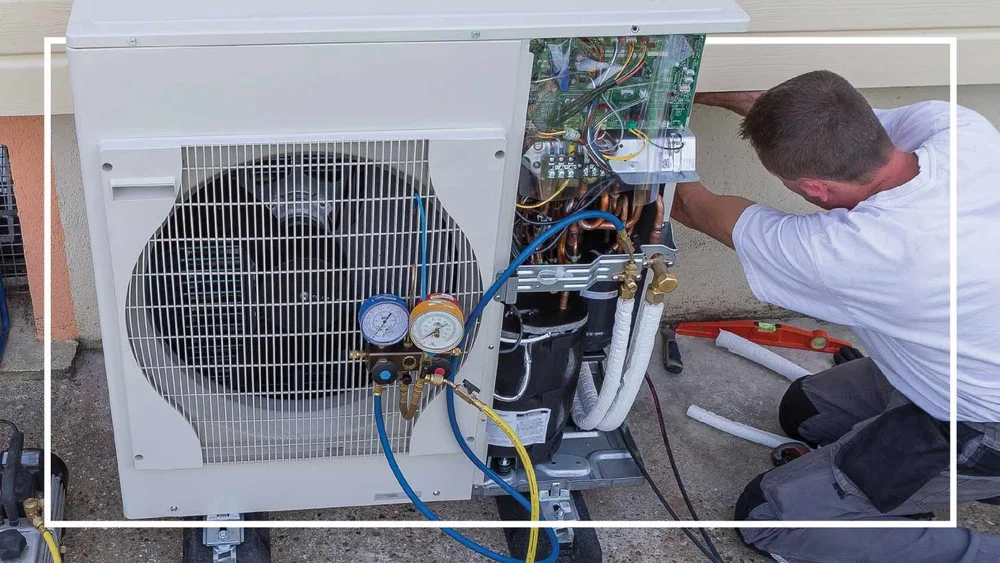
Credit: greensavers.com
Alternative Heating And Cooling Solutions
Choosing the right heating and cooling system affects electricity use. Air conditioners and heaters use power differently. This guide looks at some alternative options.
These options can save energy and reduce bills. They include heat pumps, portable units, and smart home devices.
Heat Pumps Vs Traditional Systems
Heat pumps move heat instead of generating it. They cool in summer and heat in winter. Traditional systems either cool or heat by using electricity to create temperature changes.
| System Type | Electricity Use | Heating Efficiency | Cooling Efficiency |
| Heat Pump | Moderate | High | High |
| Traditional Heater | High | Low to Moderate | Not Applicable |
| Traditional Air Conditioner | Moderate to High | Not Applicable | Moderate |
Portable Units And Their Efficiency
Portable heaters and air conditioners offer flexibility. They can heat or cool small spaces. Their energy use depends on size and model.
- Portable heaters use electric coils or fans.
- Portable air conditioners need ventilation to outside.
- Smaller units use less energy but cool or heat less area.
- Check energy ratings before buying to save power.
Smart Home Energy Management
Smart thermostats and devices help control heating and cooling. They adjust settings automatically to save energy.
Benefits of smart energy management:
- Set schedules for heating and cooling
- Monitor energy use with apps
- Reduce waste when rooms are empty
- Receive alerts for maintenance needs
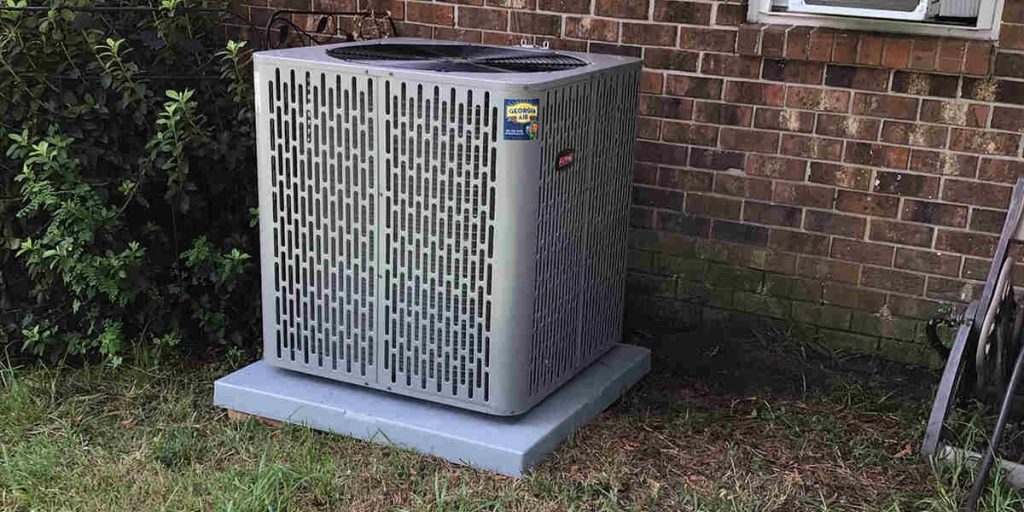
Credit: www.georgiaairrepair.com
Frequently Asked Questions
Does An Air Conditioner Use More Electricity Than A Heater?
Typically, heaters consume more electricity than air conditioners. This is because heaters need to generate heat, which requires more energy. Air conditioners primarily move heat from inside to outside, which is generally more energy-efficient.
How Does Outside Temperature Affect Electricity Use?
Outside temperature significantly impacts electricity use. In extreme cold, heaters work harder to maintain warmth. Conversely, in hot weather, air conditioners run more frequently to cool indoor spaces. Both scenarios can lead to higher electricity consumption.
Which Is More Energy-efficient, Heating Or Cooling?
Cooling is generally more energy-efficient than heating. Air conditioners move heat, requiring less energy. Heaters generate heat, which demands more energy. Energy-efficient systems and proper insulation can optimize both heating and cooling efficiency.
Can Upgrading Systems Reduce Electricity Consumption?
Yes, upgrading to energy-efficient systems can reduce electricity consumption. Modern air conditioners and heaters are designed to use less energy. Energy Star-rated models are particularly efficient, offering significant savings on electricity bills.
Conclusion
Choosing between an air conditioner and a heater depends on your needs. Both use electricity, but usage can vary by device type and settings. Air conditioners often consume more power during hot months. Heaters may use less if they are energy efficient.
Keep your appliances well maintained to save energy. Use timers or thermostats to control usage smartly. Understanding these differences helps lower your electric bills. Small changes make a big impact on energy use. Save money and stay comfortable all year long.